The Venice Film Festival is facing renewed pressure over its stance on the Israeli-Palestinian conflict, as a coalition of prominent cultural figures - including musician Roger Waters, actor Guy Pearce, and Nobel Prize-winning author Annie Ernaux - has signed an open letter demanding the festival take what they describe as "concrete action" in support of Palestine. The letter, addressed to festival leadership, marks the latest flashpoint in the ongoing debate over how major arts institutions should respond to the war in Gaza.
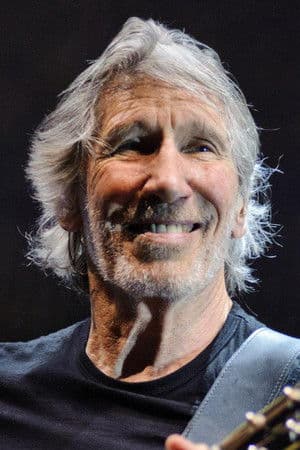
Waters, best known for his work with Pink Floyd and the documentary Pink Floyd: Live at Pompeii, is among the most recognizable names attached to the appeal. The letter, which has circulated among industry professionals in recent days, calls on the festival to move beyond statements of sympathy and instead adopt measurable steps that would signal solidarity with Palestinian artists and filmmakers. While the exact demands are not detailed in public summaries of the letter, the signatories frame their appeal as a moral imperative rather than a political gesture.
The open letter arrives just days before the festival’s 2026 edition is set to open, and it lands at a moment when Venice has already been navigating a minefield of cultural boycotts and counter-protests. Since the escalation of hostilities in the Middle East, European film festivals - including Berlin and Cannes - have faced their own internal battles over how to address the conflict, with some programmers choosing to highlight Palestinian voices while others have drawn criticism for perceived silence. Venice, long considered a bellwether for awards-season prestige, now finds itself in the crosshairs of a movement that shows no signs of cooling.
Pearce, the Australian actor known for Memento and L.A. Confidential, has been vocal about the issue on social media in recent months, often using his platform to amplify calls for a ceasefire. Ernaux, the French author whose autobiographical work earned her the Nobel Prize in Literature in 2022, has also signed previous collective statements on the conflict. Their combined stature gives the letter a weight that casual celebrity petitions often lack - these are not fringe names but artists with significant international credibility.
The festival has not yet issued a formal response to the letter, and representatives for the Biennale, which oversees the film festival, declined to comment when approached by press on Thursday. That silence mirrors the response from other major festivals earlier in the year, when similar appeals were met with diplomatic hedging or procedural acknowledgment rather than policy shifts. Organizers at Venice have historically positioned the festival as an apolitical space, but that stance has become increasingly difficult to maintain as artists themselves refuse to separate art from geopolitics.
What "concrete action" might look like remains an open question. Some activists have pushed for festivals to fund Palestinian production grants, to dedicate programming slots to Palestinian cinema, or to impose sanctions on institutions linked to the Israeli military. Others have called for public statements that go beyond "both sides" neutrality. The letter’s signatories have not publicly outlined a specific checklist, which suggests the demand is more about principle than process - a challenge to festival leadership to demonstrate that its rhetoric of inclusivity extends to Palestinians.
The timing is particularly charged, as this year’s Venice lineup includes several films from Middle Eastern directors, though it is unclear whether any programming decisions were made with the conflict in mind. Festival director Alberto Barbera has previously defended the selection process as purely artistic, but that claim has been met with skepticism from activists who argue that avoiding the issue altogether is itself a political choice.
For Waters, the letter is the latest in a long history of political activism that has often landed him in controversy. His public statements on Israel have been condemned by some as antisemitic, accusations he has repeatedly denied, and his involvement in this campaign is likely to reignite that debate. Pearce, meanwhile, has faced backlash from some corners of the industry for his outspokenness, but he has not wavered in his position. Ernaux, who has signed numerous petitions related to human rights throughout her career, brings a literary gravitas that complicates any attempt to dismiss the letter as celebrity grandstanding.
Whether Venice acts on the letter remains to be seen. Past experience suggests that festivals are resistant to explicit political commitments, preferring to let the films speak for themselves. But the letter’s signatories are not asking for a symbolic gesture - they are asking for structural change, and that is a demand that cannot be met with a press release. As the festival prepares to roll out its red carpet, the question now is whether Venice will treat the letter as a provocation to ignore or a directive to follow.
Source: Hollywood Reporter