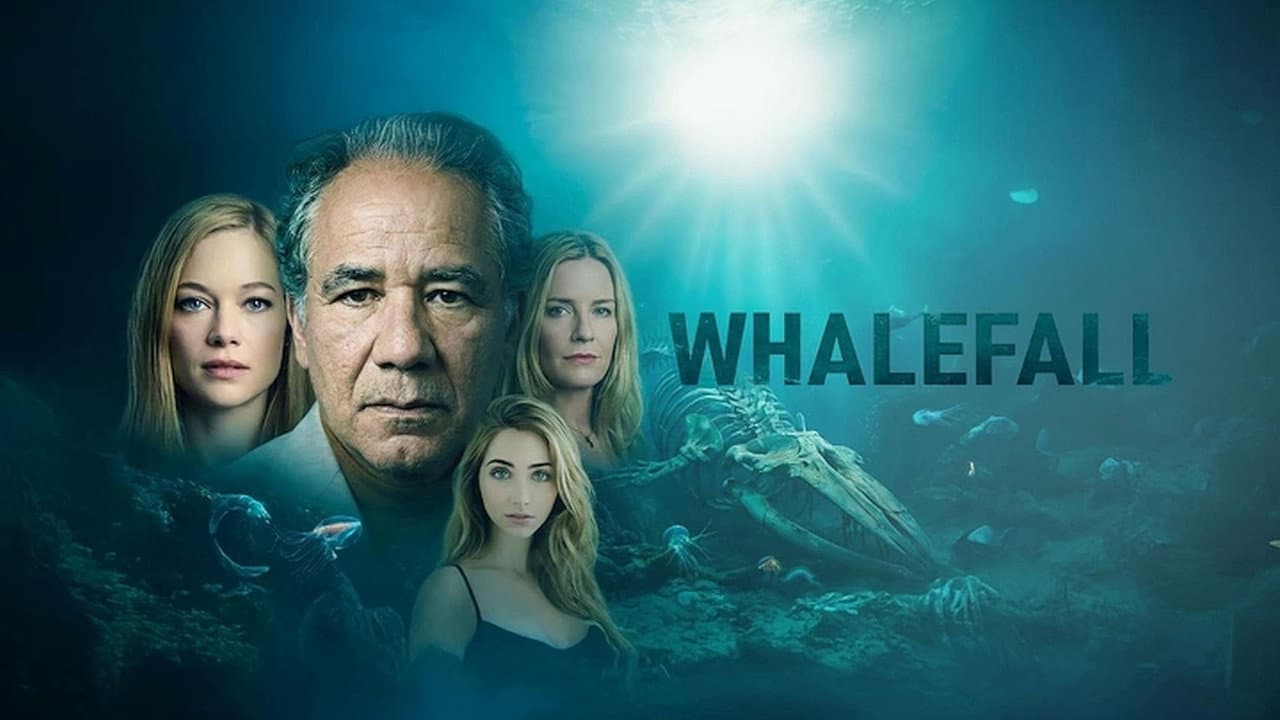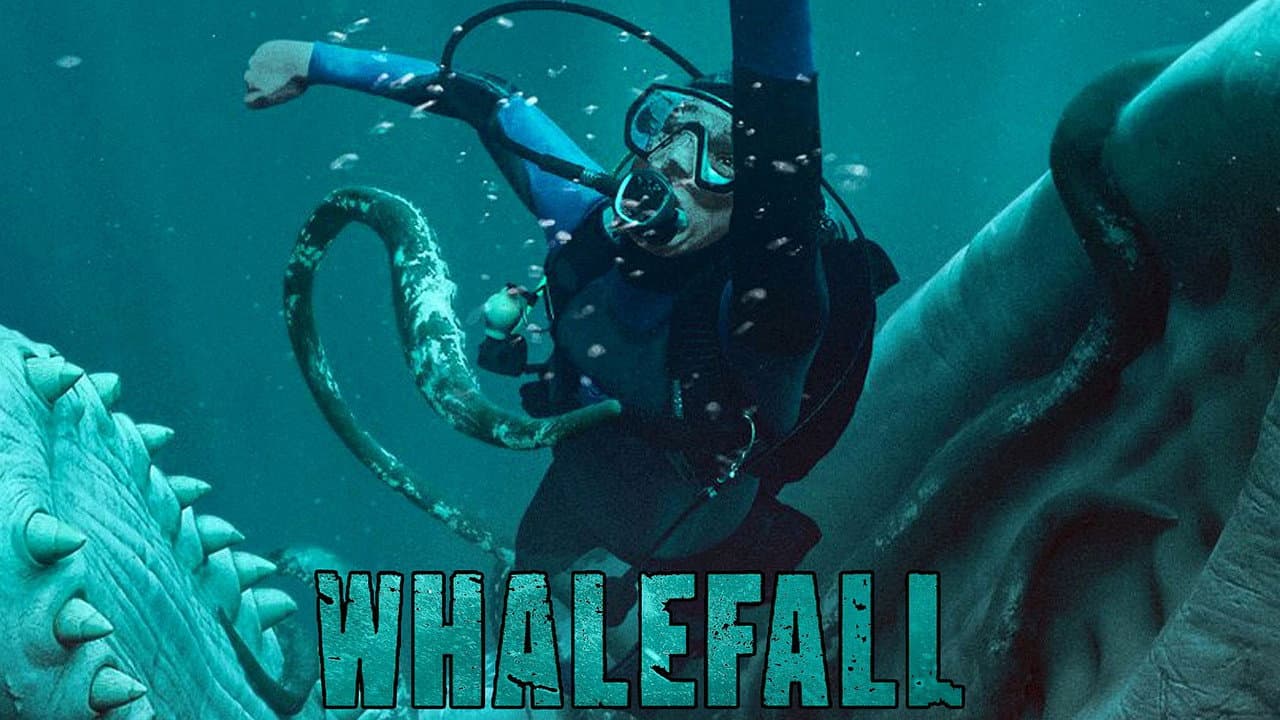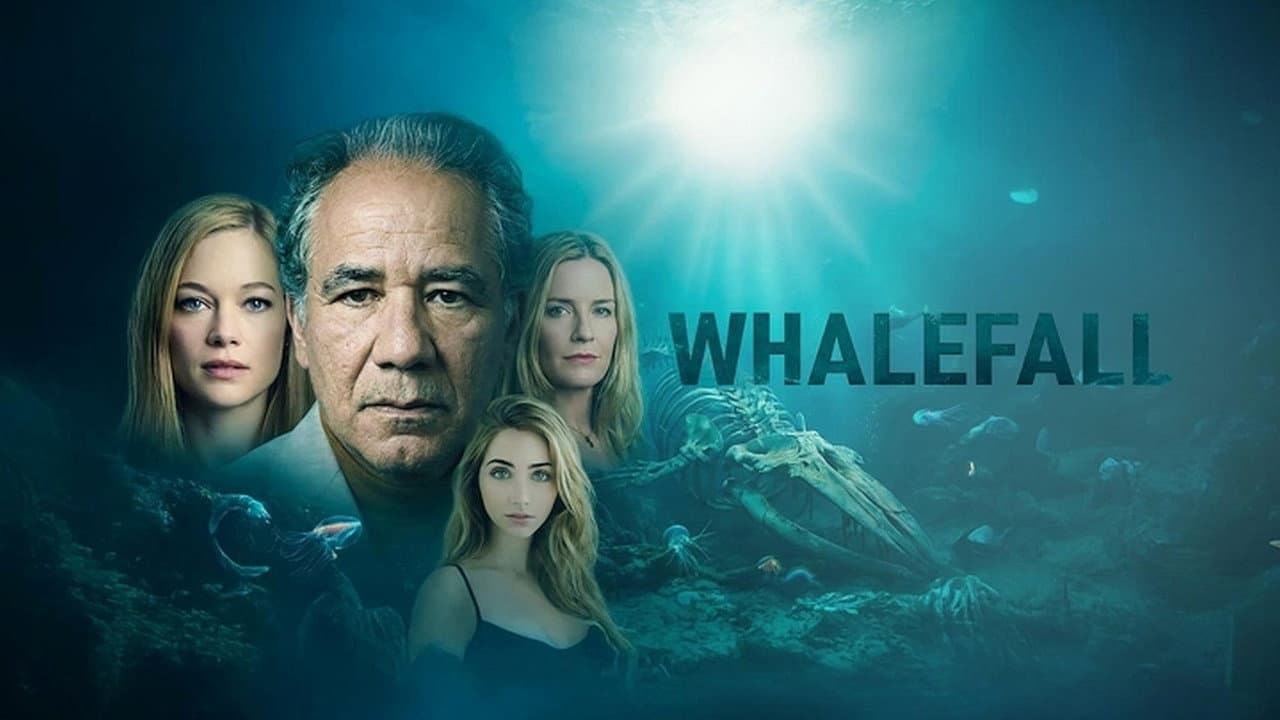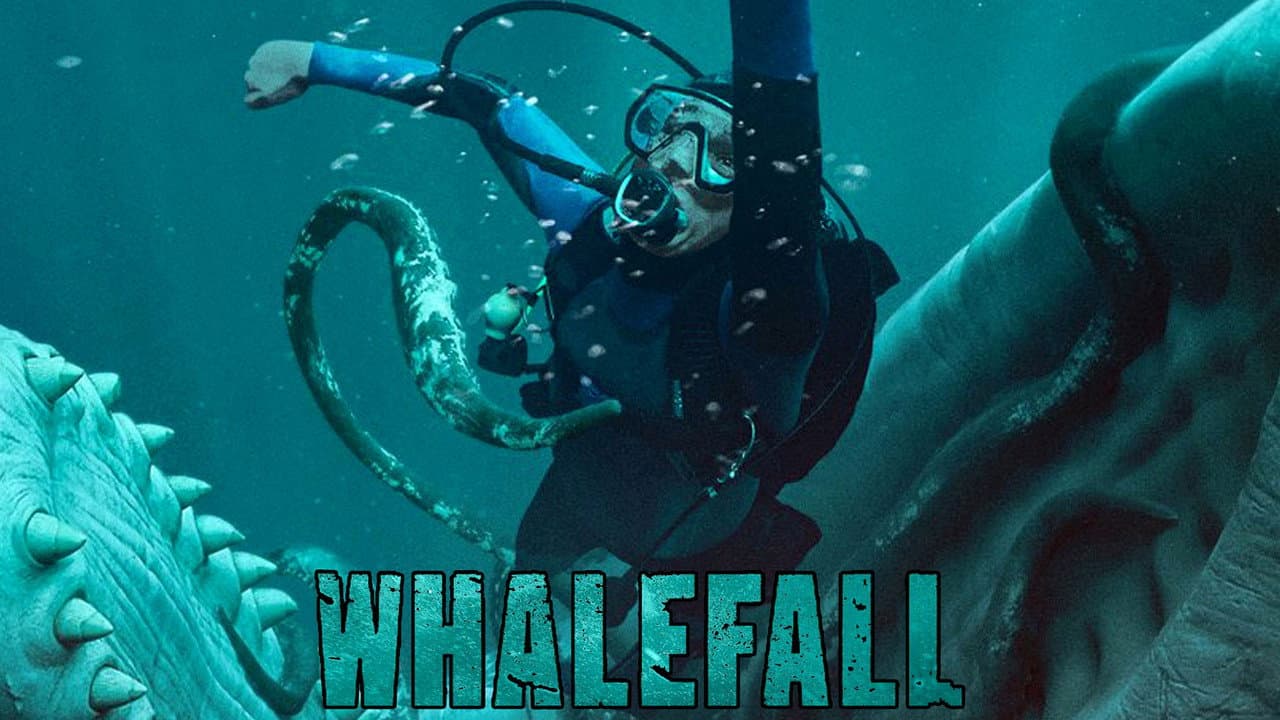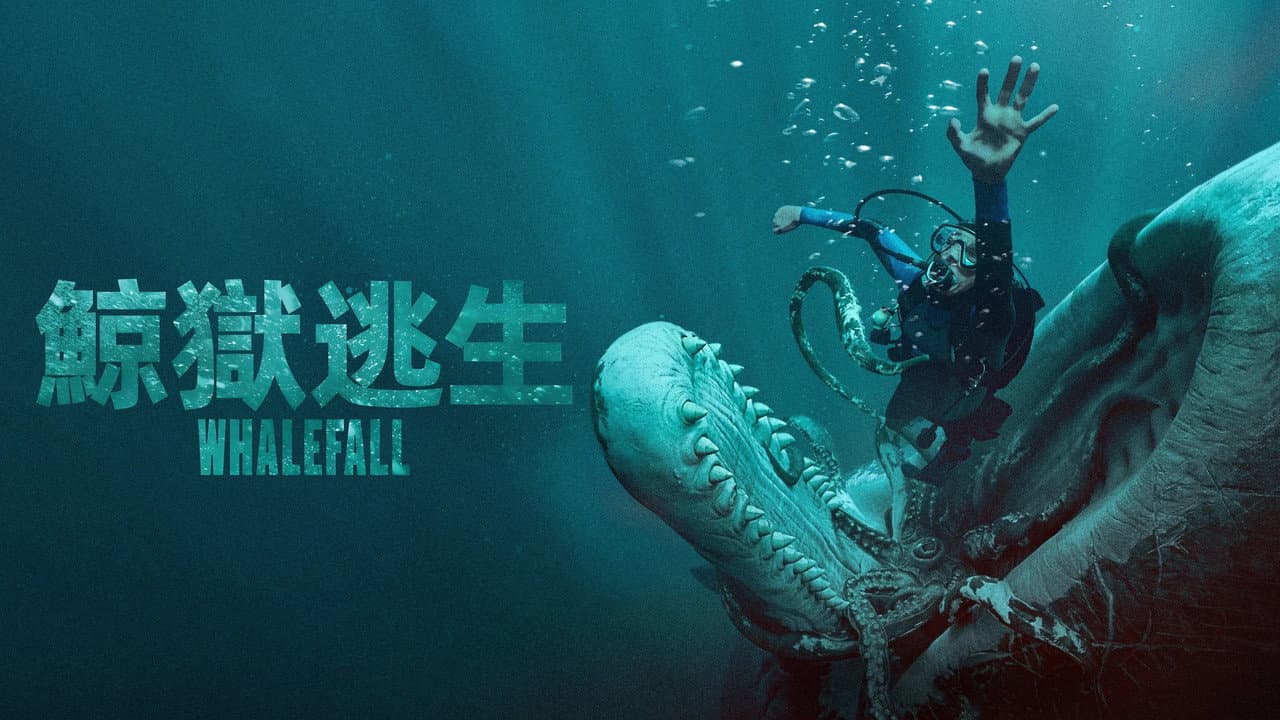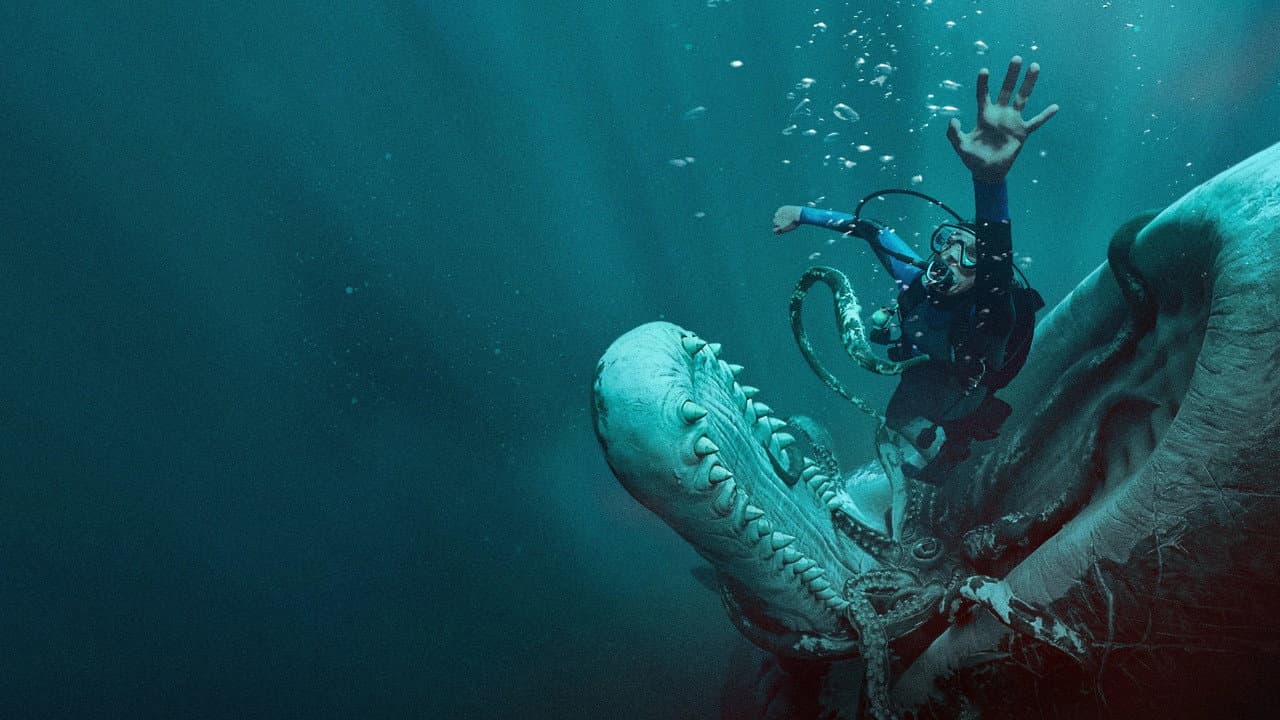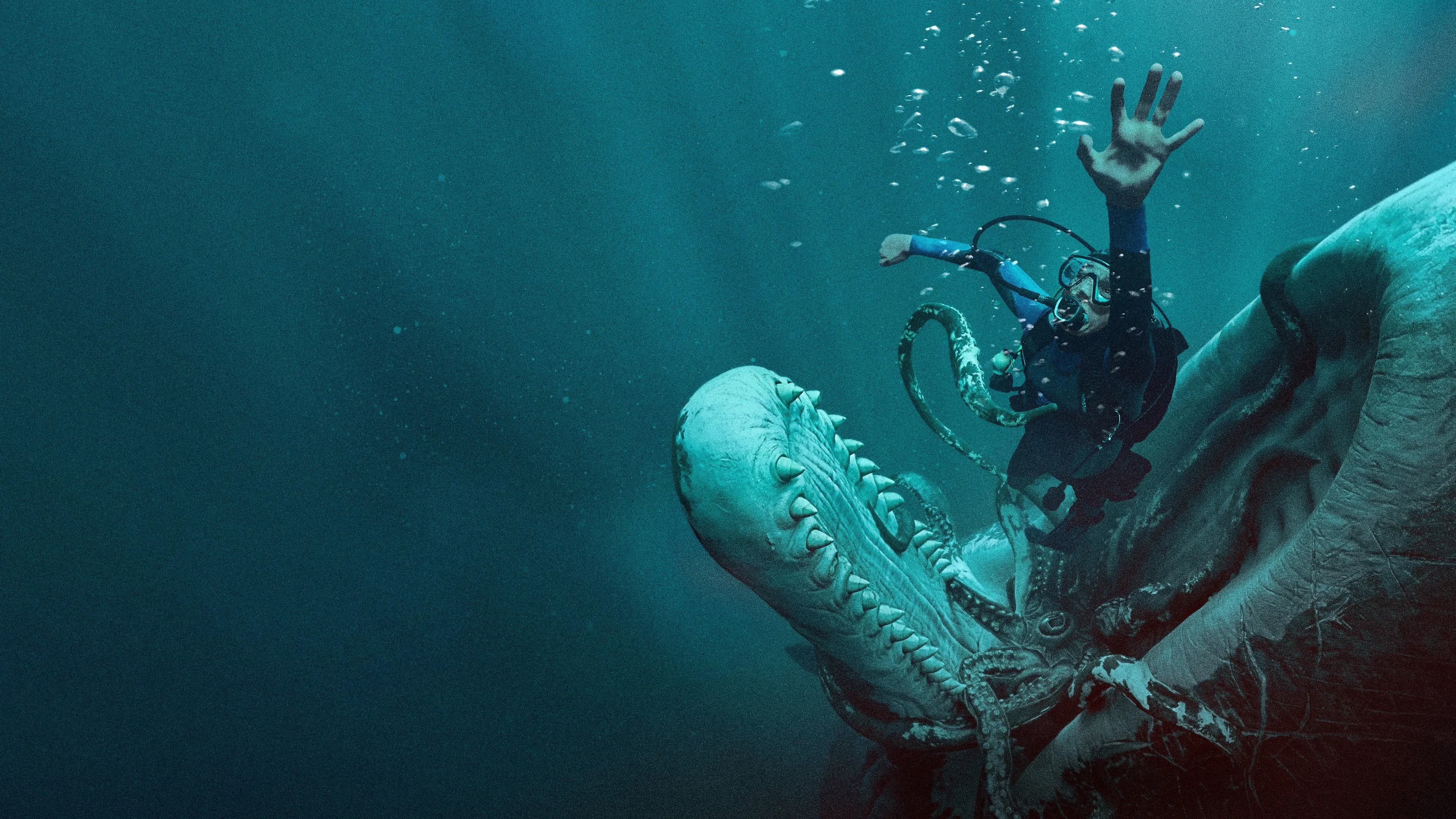
Brian Duffield wants to clear something up about the giant sperm whale in his new survival thriller "Whalefall." The director, whose film opens today, says the creature that swallows Austin Abrams' character is not the antagonist audiences might expect from a movie built on the terror of being eaten alive.
"In most monster movies, the animal is the enemy," Duffield said. "Here, the whale is just being a whale. It's not malicious. It's not hunting him. It's the good guy."
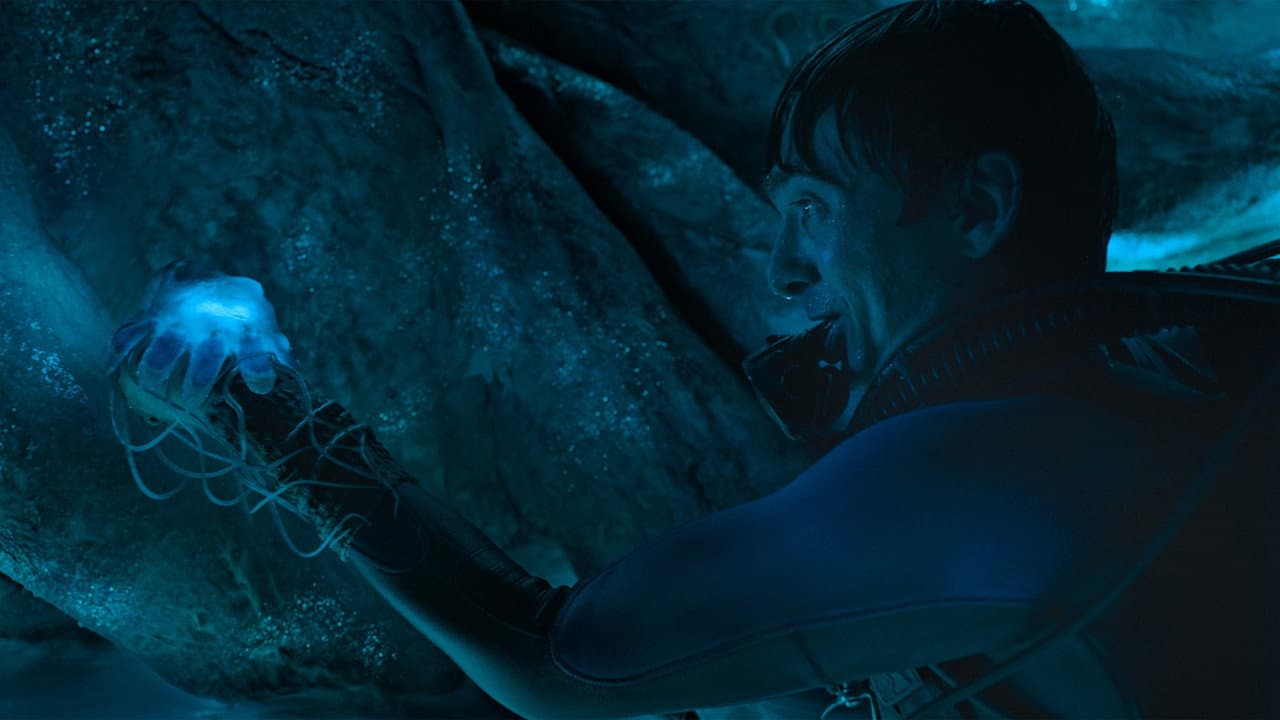
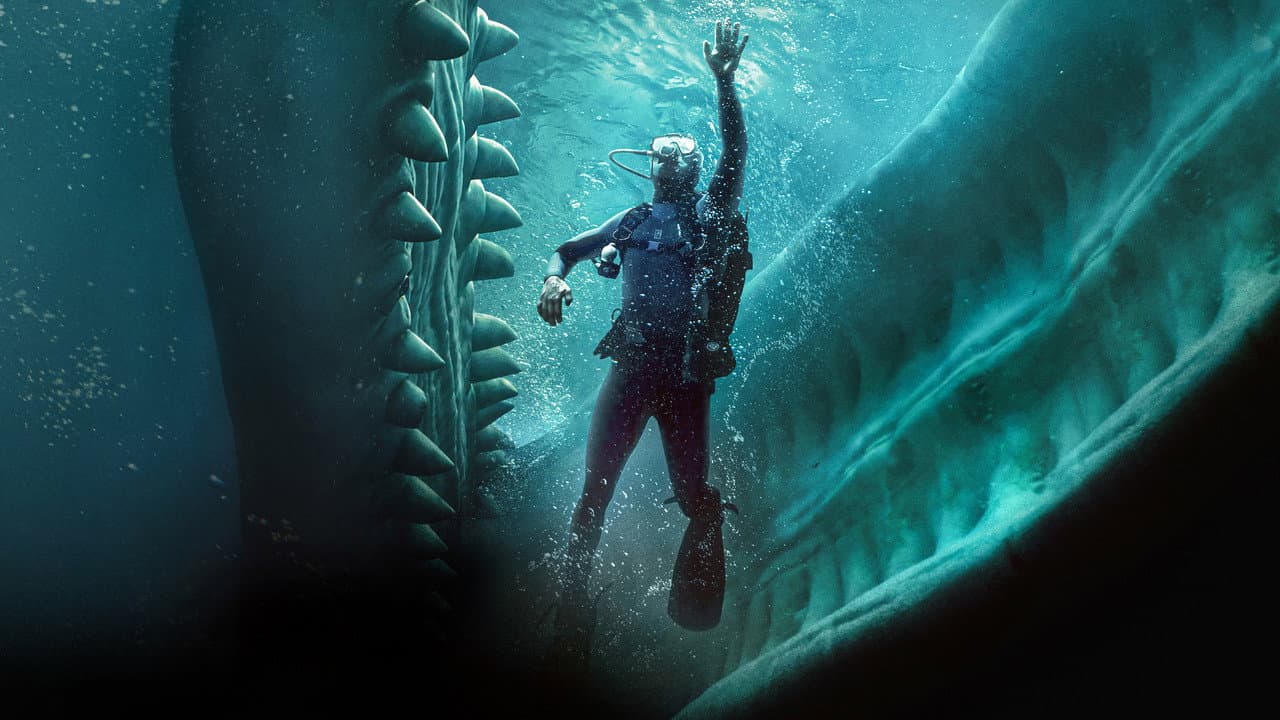
"Whalefall," which runs 106 minutes, arrives in theaters today from Hollywood. The TMDb rating sits at a perfect 10/10. The premise is blunt and claustrophobic: after his father dies, Jay Gardiner, played by Abrams, dives off California's central coast to recover the man's remains. A massive sperm whale swallows him. Trapped inside its belly with one hour of oxygen left, Jay must work through the lessons his father taught him before the air runs out.
That setup invites comparisons to any number of aquatic creature features, but Duffield insists "Whalefall" operates in a different register. The whale, he says, is a force of nature, not a villain. The real pressure comes from inside Jay's own head, and from the relationship he never finished with his father.
A Cast Built on Family Wounds
The film stars Abrams, coming off a run of roles that have made him one of the more in-demand young actors in Hollywood. Opposite him, in flashbacks and memory, is Josh Brolin as Mitt Gardiner, the father whose hard-earned lessons become Jay's survival manual. Elisabeth Shue plays Zara Gardiner, with Jane Levy as Eva Gardiner and Emily Rudd as Nan Gardiner. John Ortiz rounds out the cast as Hewey.
Duffield has built his reputation on high-concept, tightly wound thrillers, and "Whalefall" fits that mold: a single location, a ticking clock, and a lead character forced to confront his past while his present runs out of oxygen. The director said the appeal was less about the spectacle of the whale and more about what happens when a person has nothing left to do but think.
"You can't punch your way out of a whale," Duffield said. "Jay has to use what his father gave him. That's the movie."
A New Kind of Creature Feature
That framing puts "Whalefall" in conversation with a wave of recent thrillers that treat animals as something other than monsters. The whale here is a biological fact, not a symbol of evil, and Duffield said the research process pushed him to respect the animal rather than turn it into a horror-movie prop.
Sperm whales, he noted, are not indiscriminate killers. They dive deep, they hunt squid, and they occasionally surface in the wrong place at the wrong time. Jay's predicament is a collision of grief and bad luck, not a predatory act.
The result, according to Duffield, is a film that asks the audience to sit with discomfort rather than cheer for a kill. "There's no scene where the whale gets what's coming to it," he said. "Because it didn't do anything wrong."
The Clock Is the Real Monster
With 106 minutes to fill and only one hour of oxygen in Jay's tank, "Whalefall" leans on structure. Duffield said he and his team mapped the film to the diminishing air supply, using it as both a narrative device and a rhythm for the edit. The audience, he said, should feel every minute.
Abrams trained extensively for the role, spending time in confined spaces to prepare for the physical demands of the shoot. The actor described the experience as unlike anything he had done before, though Duffield declined to elaborate on specific set details, preferring audiences discover the film's mechanics for themselves.
What he would say is that the whale, for all its size, is not the thing Jay needs to defeat. "The whale is the situation," Duffield said. "The grief is the enemy. The regret is the enemy. The whale is just the room."
"Whalefall" is in theaters now.
Source: Hollywood Reporter