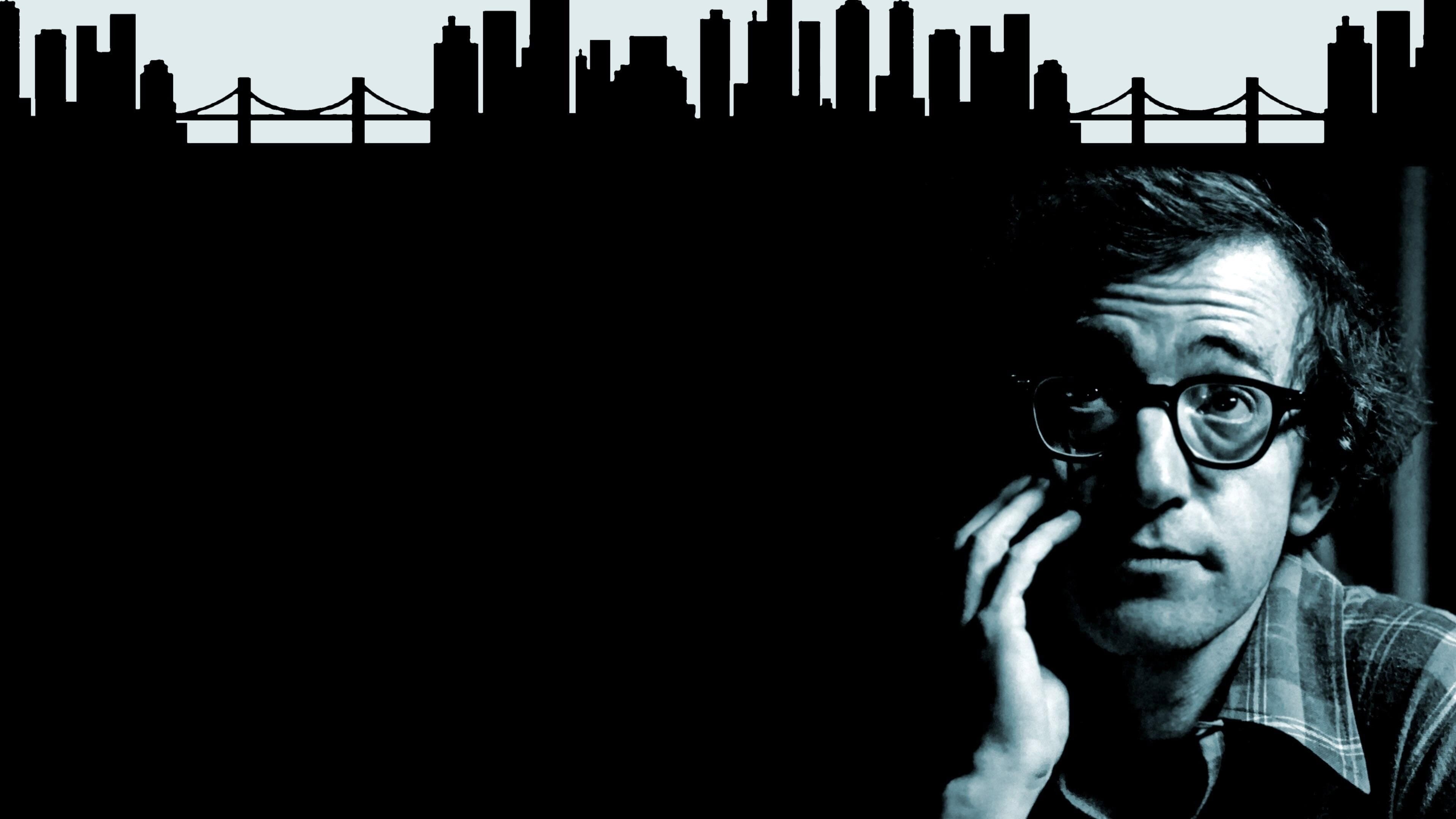
For decades, Madrid played second fiddle to Barcelona and the sun-drenched coasts when international productions came calling. That hierarchy has quietly flipped. Spain’s capital has become one of Europe’s most reliable backlots, drawing auteurs and studio franchises alike - a shift that has now been underscored by a record-setting stretch of filming activity in the city. The clearest symbol of that change remains Woody Allen, whose long-running affection for Madrid turned the city into a recurring character in his filmography rather than a one-off location stop.
Allen first brought a production to the Spanish capital with Vicky Cristina Barcelona, then returned for Midnight in Paris - but it was his decision to shoot the entirety of Rifkin’s Festival in and around Madrid and San Sebastián that cemented the relationship. For Allen, the appeal was less about tax incentives than texture: a city that could double for Paris, Rome, or New York while offering its own unmistakable identity. That endorsement mattered. When a director with Allen’s name recognition chooses a city repeatedly, producers notice.
Why Madrid Keeps Winning the Location Scouting Battle
The practical case for Madrid is straightforward. The region offers a rare combination of architectural range - from Habsburg-era plazas to brutalist office towers to sprawling industrial parks - within a short drive of a single production base. A crew can shoot a period drama in the morning and a sci-fi thriller after lunch without leaving the province. That versatility saves money and, more importantly, shooting days.
Infrastructure has kept pace. Madrid hosts several full-service studios and post-production houses, a deep pool of bilingual crew, and an airport that functions as a direct hub to both the Americas and the rest of Europe. For American productions, the time zone is a bonus: Madrid sits just one hour ahead of London and six behind Los Angeles, making dailies review and studio communication less painful than on remote shoots.
Spain’s national and regional incentive systems have also matured. The country offers rebates on qualifying production spend, and Madrid’s regional government has layered additional support on top for projects that hire locally and use the city’s facilities. Those programs have become competitive with long-established rivals in Eastern Europe and the UK, particularly for mid-budget films and high-end television.
Beyond Woody Allen: The Broader Wave
Allen is hardly alone. Pedro Almodóvar has long made Madrid his creative home, and his international profile has helped normalize the city as a setting for prestige cinema rather than merely a backdrop. More recently, major streaming platforms have booked Madrid studios for extended series shoots, treating the city as a production hub rather than a location. Big-budget franchise entries have used the region for everything from futuristic cityscapes to historical interiors.
The result is a local industry that has grown more confident. Spanish production companies now co-produce with international partners as a matter of routine, and Madrid-based crews circulate between domestic features and foreign shoots without missing a beat. That fluency - linguistic, technical, logistical - is precisely what keeps repeat business coming.
What the Record Means
The record-setting volume of shooting in Madrid is not just a statistical curiosity. It signals that the city has crossed a threshold: it is no longer a novelty location but a default option. That distinction matters because location decisions are sticky. Once a producer, a line producer, and a star have had a smooth experience in a city, they tend to return - and they bring their networks with them.
There are risks. Madrid’s success has driven up demand for crew, studio space, and permits, and some producers grumble about rising costs and tighter availability during peak months. Competition from other Spanish regions and from Portugal is real. But for now, the momentum favors the capital.
For Woody Allen, Madrid was never a calculated industry move - it was a place he liked, with light he trusted and a rhythm that suited his way of working. That personal preference happened to align with a broader shift in how global production views Spain. The city set a record because it earned one, one shoot at a time. And in an industry that runs on imitation as much as inspiration, the directors watching Allen’s Madrid films may well be the next to book a flight.
Source: Hollywood Reporter