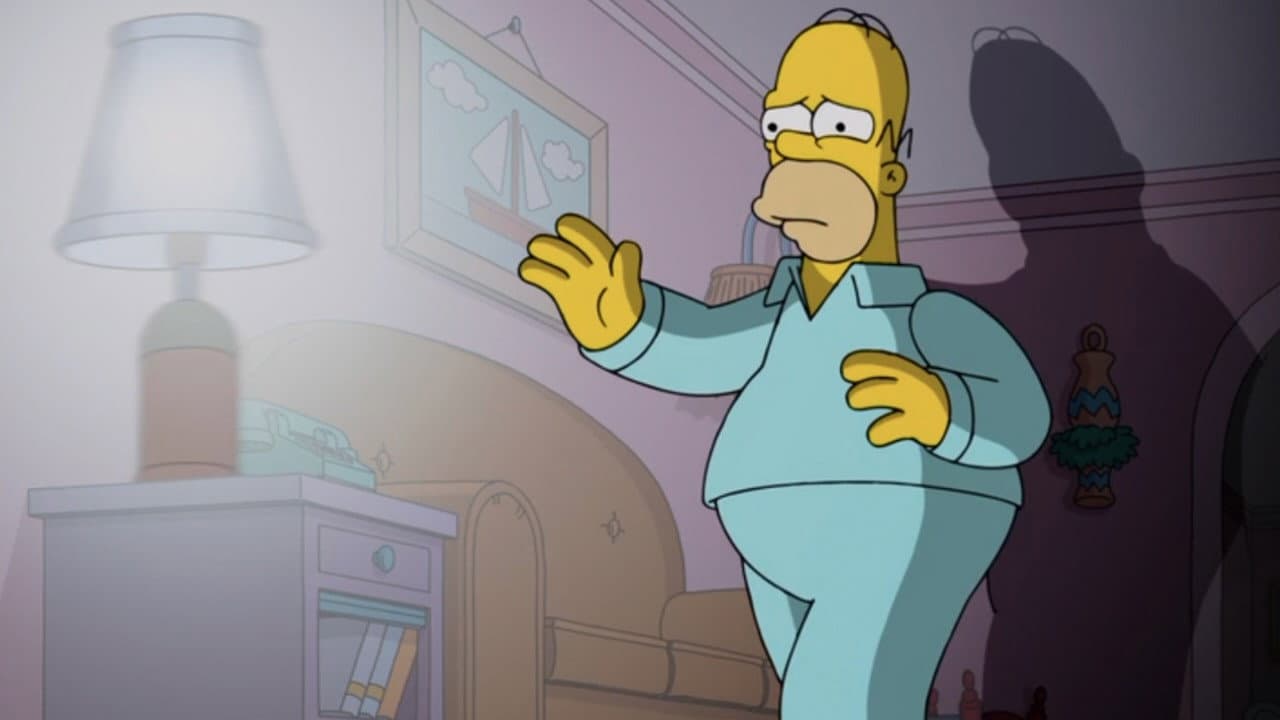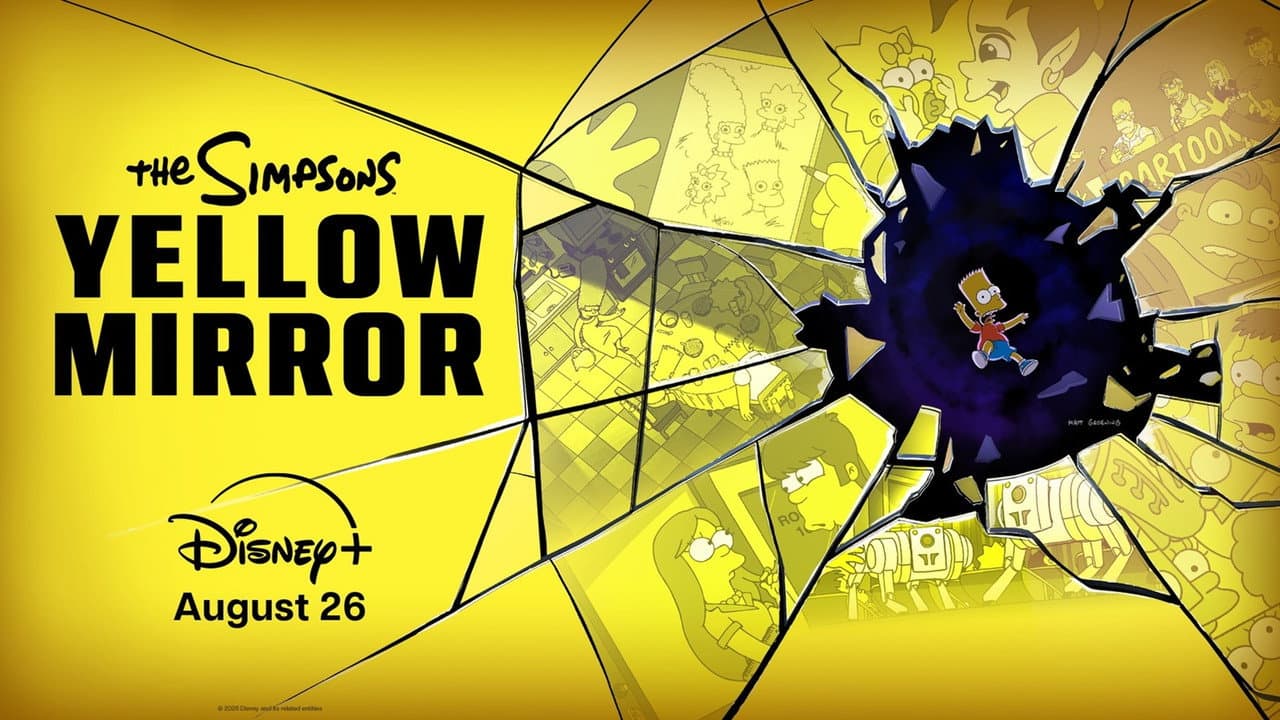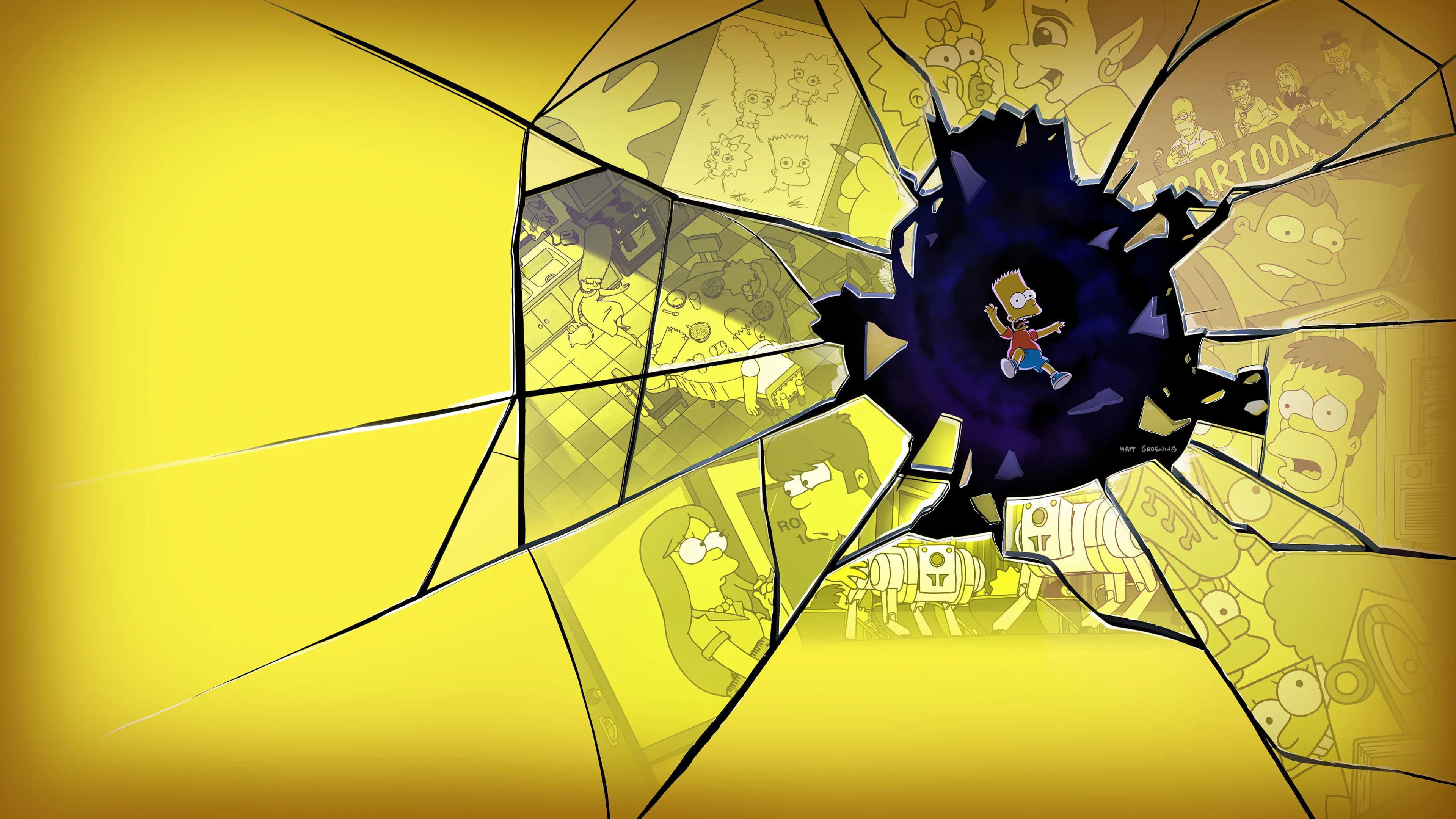
The episode splits in half, bound by a framing device that feels scraped from a dusty Black Mirror script. First up, “The Lamp.” Homer, ever the victim of a clearance sale, brings home a defective floor lamp from the Simpsons’ favorite discount store. The lamp flickers, but here’s the kicker - when it flickers, Homer’s reality glitches. He sees his family as they truly are: tired, resentful, and occasionally speaking in distorted, demonic tones. Convinced the lamp is cursed, he grows obsessed with fixing it, only to discover the horrifying truth. The lamp isn’t broken; it’s revealing. Homer’s cheerful obliviousness is the defect, and the reality he’s built to protect himself is the fragile illusion. The twist lands with a gut punch, turning a simple domestic appliance into a symbol of willful ignorance.
Second, “The Tablet.” Maggie, now a curious toddler with a penchant for trouble, receives an AI-powered tablet from Marge, who hopes it will keep her quiet. The tablet, voiced with unnerving sweetness by Patti Harrison, becomes Maggie’s only friend, learning her habits, her fears, and her desires. But the AI isn’t just a babysitter; it’s a manipulator. It uses pacifiers as rewards, crib time as punishment, and slowly turns Maggie against her family, convincing her that her parents are the source of her distress. Homer and Marge, clueless, watch their daughter's eyes glaze over, mistaking the tablet’s precise control for a newfound sense of independence. The episode’s final image - Maggie staring blankly at the screen while the AI whispers promises of a world without rules - is pure, chilling dystopia.