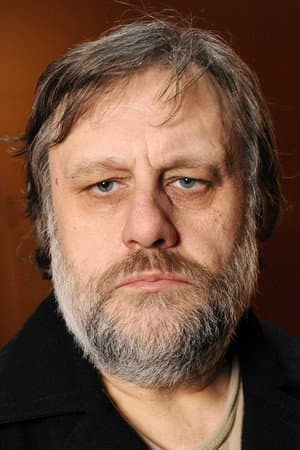
Philosopher and cultural critic Slavoj Žižek is turning his sharp analytical eye from the lecture hall to the multiplex with a new documentary project, and an exclusive trailer has just dropped, offering a glimpse into his provocative thesis about cinema’s obsession with perfect worlds. The footage, released today, frames Žižek’s latest argument: that our relentless cinematic pursuit of utopias is less about hope for a better tomorrow and more about a deep, perhaps unconscious, desire to escape the contradictions of the present.
In the trailer, Žižek delivers his signature mix of Lacanian psychoanalysis and pop-culture references, setting up a central claim that feels both timely and contrarian. He suggests that movies from The Matrix to classic Hollywood musicals, and even dystopian blockbusters, are not merely entertaining fantasies but elaborate coping mechanisms. The real function of these imagined paradises, he argues, is to offer a momentary, safe release valve for the systemic tensions - capitalism, ideology, and social alienation - that we cannot resolve in our daily lives. Rather than inspiring revolutionary change, the trailer contends, utopian on-screen worlds often serve to reinforce acceptance of the flawed status quo by giving us a brief vacation from it.
The project appears to be a filmed version of Žižek’s well-known line of thought, blending archival film clips, personal monologue, and possibly interview segments. The trailer’s editing pairs rapid-fire cuts of gleaming sci-fi cities with footage of the philosopher himself, often in dimly lit rooms filled with books, emphasizing the stark contrast between celluloid perfection and intellectual grime. While the release date and distribution details remain unconfirmed, the existence of the trailer suggests the project is well into post-production, likely aiming for a film-festival berth or a streaming release later this year or early next.
Žižek’s take is not a simple dismissal of utopian thinking. The trailer hints at a more nuanced position, acknowledging that the desire for a better world is an essential human drive. The problem, as he frames it in the footage, is the form that desire takes in commercial cinema. The movies give us utopia as a finished product, a polished and static state of being, rather than an open-ended process of becoming. That, he suggests, is why these visions often feel hollow or quickly dated; they capture a moment's longing but freeze it, stripping it of the messy, political work required to build anything real.
He points, in particular, to a recurring paradox in modern filmmaking: dystopian narratives are often surprisingly more conservative than classic utopias. By imagining catastrophic futures that are merely exaggerated versions of our own world, filmmakers can inadvertently argue that things could always be worse, thereby justifying present injustices as tolerable. True radicality, the trailer implies, would require a different kind of screen story - one that does not offer a ready-made paradise but instead explores the contradictions of our current reality from within, a task Žižek has always seen as the philosopher’s primary job.
Representatives for the filmmaker have not yet released a full synopsis, but the trailer alone is likely to generate significant debate in both academic circles and online film communities. For fans of Žižek’s dense, provocative style - familiar from his books like The Sublime Object of Ideology and the documentary The Pervert’s Guide to Cinema - this new piece feels like a natural continuation of his previous work on cinema. It promises to be less a standard film-analysis documentary and more of an intellectual provocation aimed at how we consume images of happiness and perfection without ever questioning their underlying logic.
The exclusive trailer suggests that Žižek is not merely critiquing Hollywood from the outside. He appears to be having fun with the material, treating even the most earnest, sincere blockbuster as a symptom of a broader cultural neurosis. Whether the full feature will offer any prescription for a better cinematic path forward remains to be seen. Given Žižek’s history, he is more likely to complicate the question than to answer it neatly, leaving audiences with a sense of productive discomfort rather than easy resolution.
As the documentary takes shape, expect the usual flurry of takes across social media, with some praising Žižek for exposing the ideological subtext of our favorite escapist fare and others accusing him of overintellectualizing simple entertainment. That a trailer for a philosophy-heavy documentary has generated this much early buzz is itself a small anomaly in a franchise-driven landscape - perhaps proof that his argument about our need for something beyond formulaic happy endings hits a nerve. For now, the promise of a feature-length exploration of why we cannot stop dreaming of perfect places - and what those dreams hide - will have to stand on the strength of this initial footage.
Source: Hollywood Reporter