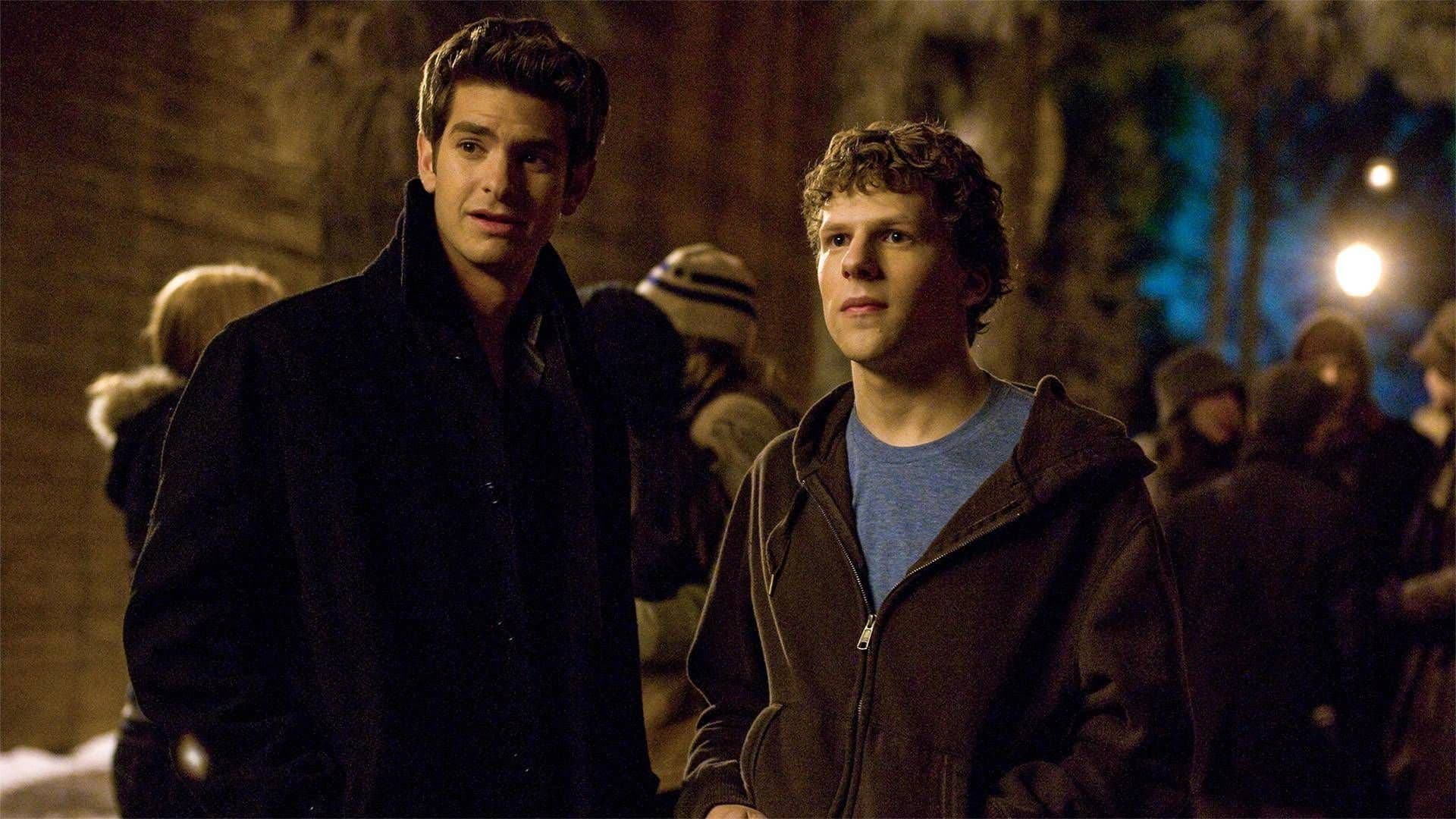
Aaron Sorkin: Facebook 'Completely Out of Control,' Uses
Advertisement
Aaron Sorkin slams Facebook, saying it's out of control and knowingly pumps 'rage bait' to boost engagement. Here's his full critique.
The acclaimed screenwriter behind The Social Network is taking his long-simmering frustration with tech giants public again, aiming his sharpest criticism yet at Facebook’s parent company, Meta. Aaron Sorkin, who won an Academy Award for scripting the 2010 film about Mark Zuckerberg’s founding of the platform, did not hold back in a new interview, declaring that the social media behemoth is “completely out of control” and that its leadership knowingly feeds users a steady diet of “rage bait” to keep them engaged.
Sorkin’s comments, which surfaced online today, mark a significant escalation in his public critique of the very company he helped immortalize on screen. While he has previously expressed disappointment with Facebook’s evolution, his latest remarks are notably more pointed, accusing the platform of prioritizing profit and user retention over the health of public discourse. The writer-director’s central claim is that Meta’s algorithms are not merely passive conduits for user content but are actively engineered to amplify divisive and inflammatory material, a practice he describes as a cynical business model built on manufactured outrage.
The news of Sorkin’s latest broadside has reignited a familiar debate in Hollywood and Silicon Valley alike about the responsibility of tech platforms in shaping modern society. For Sorkin, the issue is deeply personal. The narrative he crafted in The Social Network - one of ambition, betrayal, and the birth of a new kind of power - has become a cultural touchstone that many now view as a prophetic warning. Yet Sorkin’s public statements suggest that the fictionalized drama of 2010 was just a preface to a far more consequential, and troubling, real-world story.
In his recent remarks, Sorkin claimed that Facebook’s operational strategy has shifted from connecting people to deliberately exploiting their psychological vulnerabilities. He singled out the company’s news feed algorithm, arguing that it rewards posts that generate strong emotional reactions, with anger being the most reliable driver of clicks, comments, and shares. By this logic, a measured, factual post is impoverished relative to a sensational or misleading one, leading to a feedback loop where outrage becomes the primary currency of online interaction. Sorkin’s description of this as a conscious choice, rather than an unintended consequence, is what sets his critique apart from more general complaints about social media’s toxicity.
This is not the first time Sorkin has used his platform to voice concerns about Facebook. He has been an outspoken critic of the company’s handling of misinformation, particularly in the context of elections. In previous interviews, he has floated the idea of a sequel to The Social Network, not as a continuation of the founding narrative but as a dissection of the fallout from the platform’s global influence. He has joked that he would need a decade just to catch up on the research for such a project. However, his current commentary suggests that he views the present moment as one of critical inflection, where the very nature of the internet’s public square is at stake.
The reaction to Sorkin’s latest outburst has been swift. Supporters argue that as one of the most prominent voices to dramatize the company’s origins, he brings a necessary moral clarity to a conversation often muddied by technical jargon and corporate spin. His framing of “rage bait” as a deliberate tool, rather than an accident of design, resonates with researchers and journalists who have long documented the virality of negative content. On the other hand, some critics may point out that Sorkin is a filmmaker and storyteller, not a technologist, and that his view of Facebook’s internal workings is necessarily external. Yet Sorkin’s point is not about code; it is about intent, and that is a claim that does not require a computer science degree to evaluate.
For Hollywood, the story is also a reminder of how deeply the entertainment industry is intertwined with the tech sector. Many of Sorkin’s peers have built careers critiquing Silicon Valley, but few have done so with the same moral urgency. The narrative of the brilliant but flawed founder, a staple of prestige television and film, finds its real-world corollary in Zuckerberg’s story. Sorkin has often said that he wrote The Social Network not as a documentary but as a tragedy, and his current commentary frames the continued operation of the platform as an unfolding third act that no one seems able to stop.
As of today, there has been no official response from Meta regarding Sorkin’s specific claims. The company has historically maintained that its algorithms are designed to foster meaningful social interaction and that it invests heavily in moderation and transparency. However, Sorkin’s language is unlikely to solicit a conciliatory reply. By accusing Facebook of knowingly pumping “rage bait,” he is making a direct ethical charge against the company’s leadership, a charge that moves the conversation from policy debate to character judgment.
Whether Sorkin’s words will prompt any meaningful change within Meta is doubtful. But as a cultural statement, they carry weight. The Social Network remains a definitive piece of 21st-century cinema, and its author’s insistence on revisiting his subject with fury suggests that the story is far from over in his mind. For audiences, his latest salvo is a reminder that the drama of creation is often dwarfed by the drama of consequence. For Sorkin, the screenwriter who gave voice to the “anti-social network,” the final verdict on Facebook may not yet be written, but he is making clear which way he believes the evidence points.
Source: Hollywood Reporter
Advertisement
Advertisement