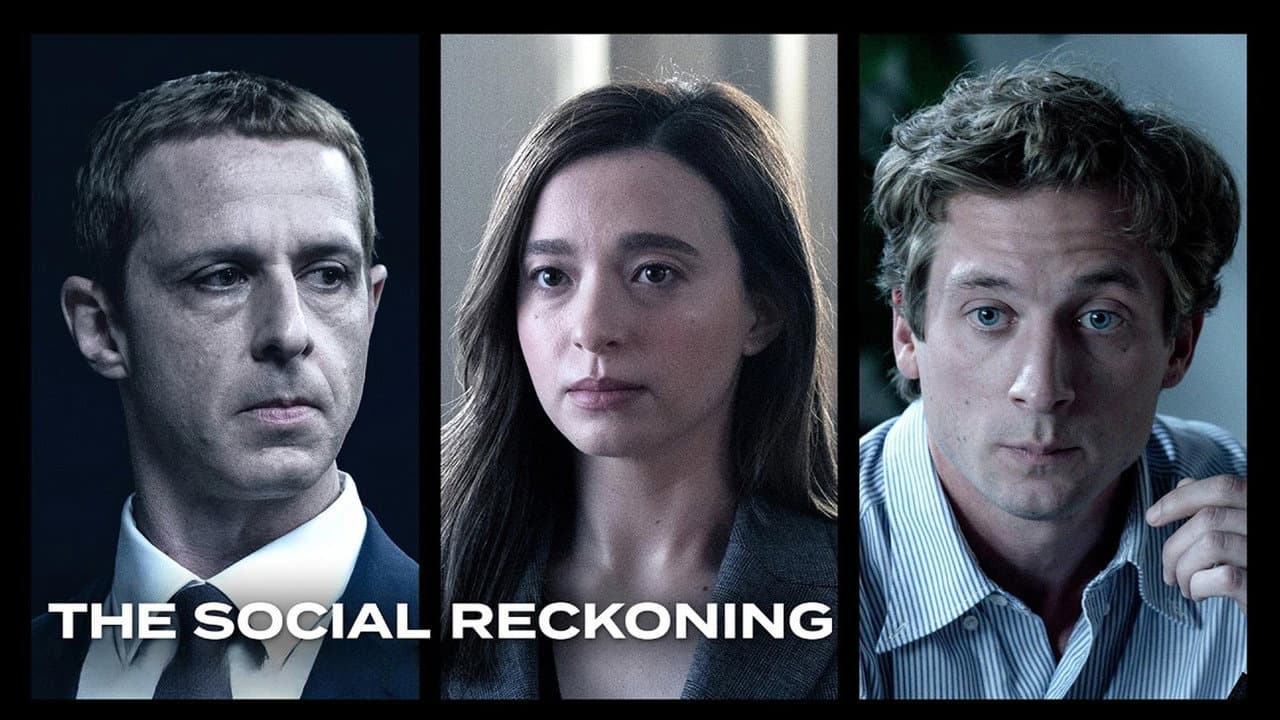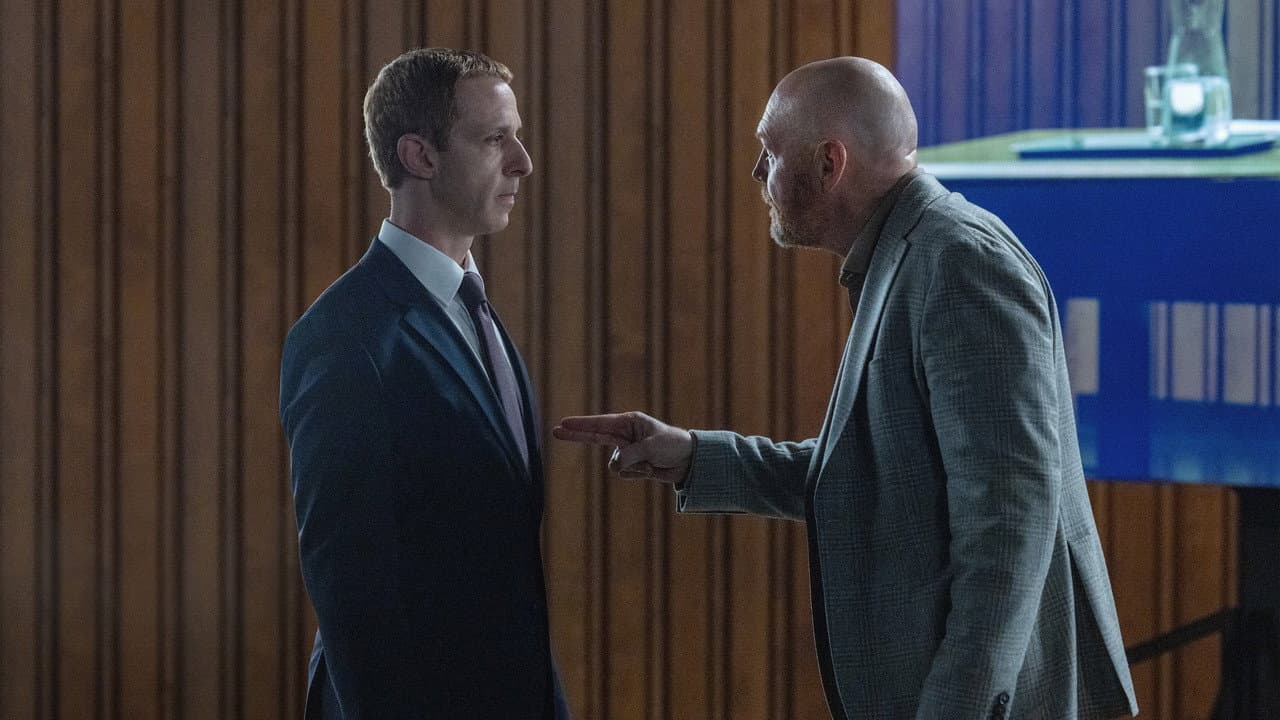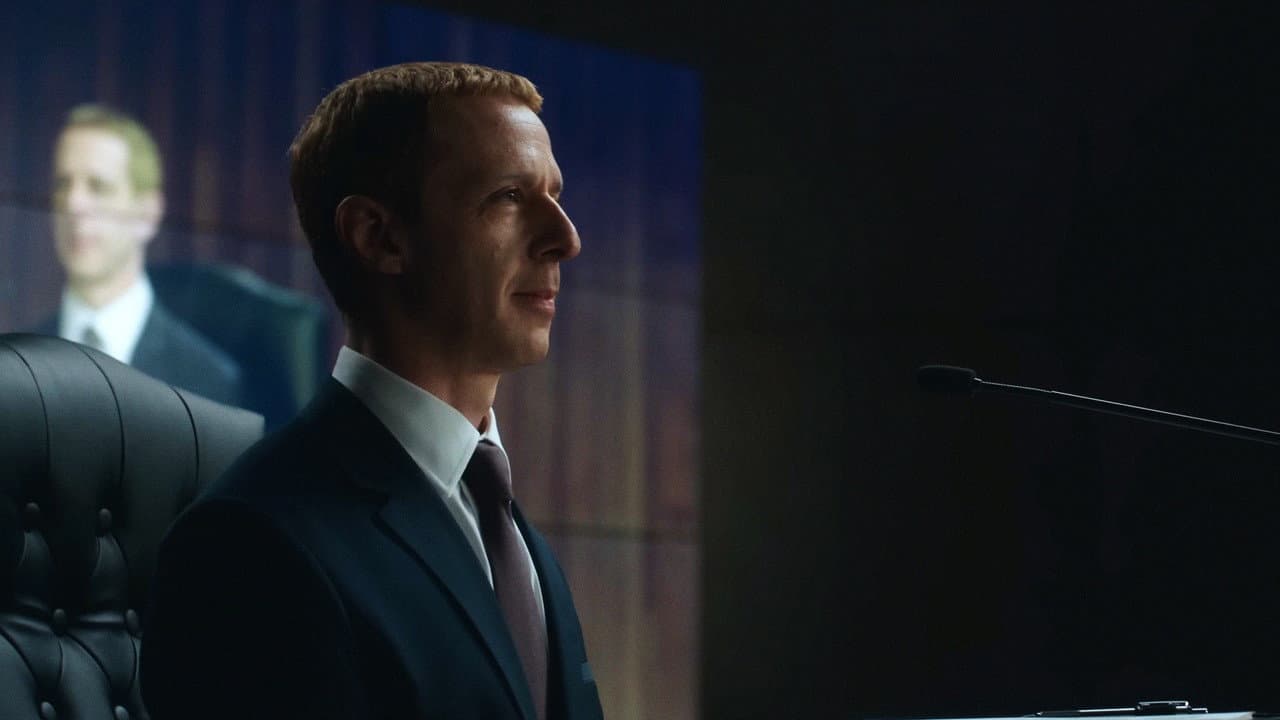


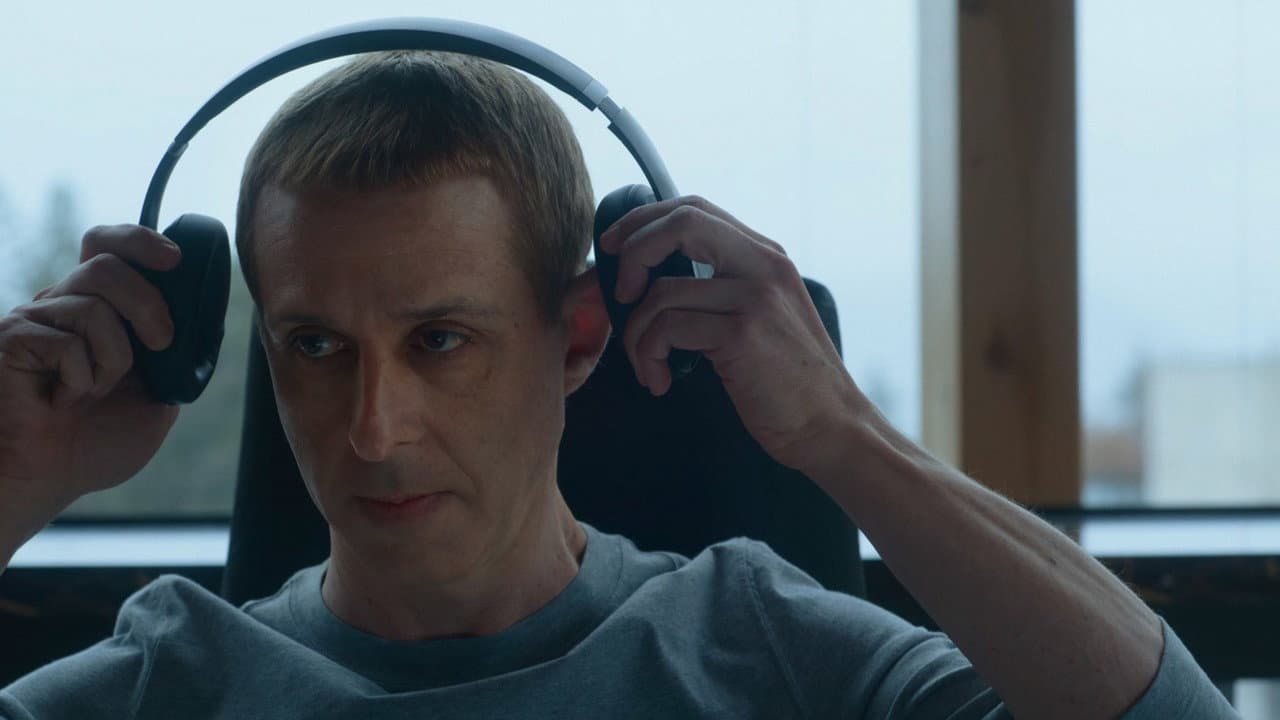
Aaron Sorkin did not need to look far for a real-life parallel while directing Jeremy Strong on the set of Social Reckoning. According to the writer-director, Strong's approach to his co-stars mirrored the very mindset of the man he was playing: Mark Zuckerberg. Sorkin said the actor treated the people around him "the way he imagines" the Facebook founder treats people - a remark that lands as both a compliment to Strong's commitment and a wry comment on the subject of the film itself.
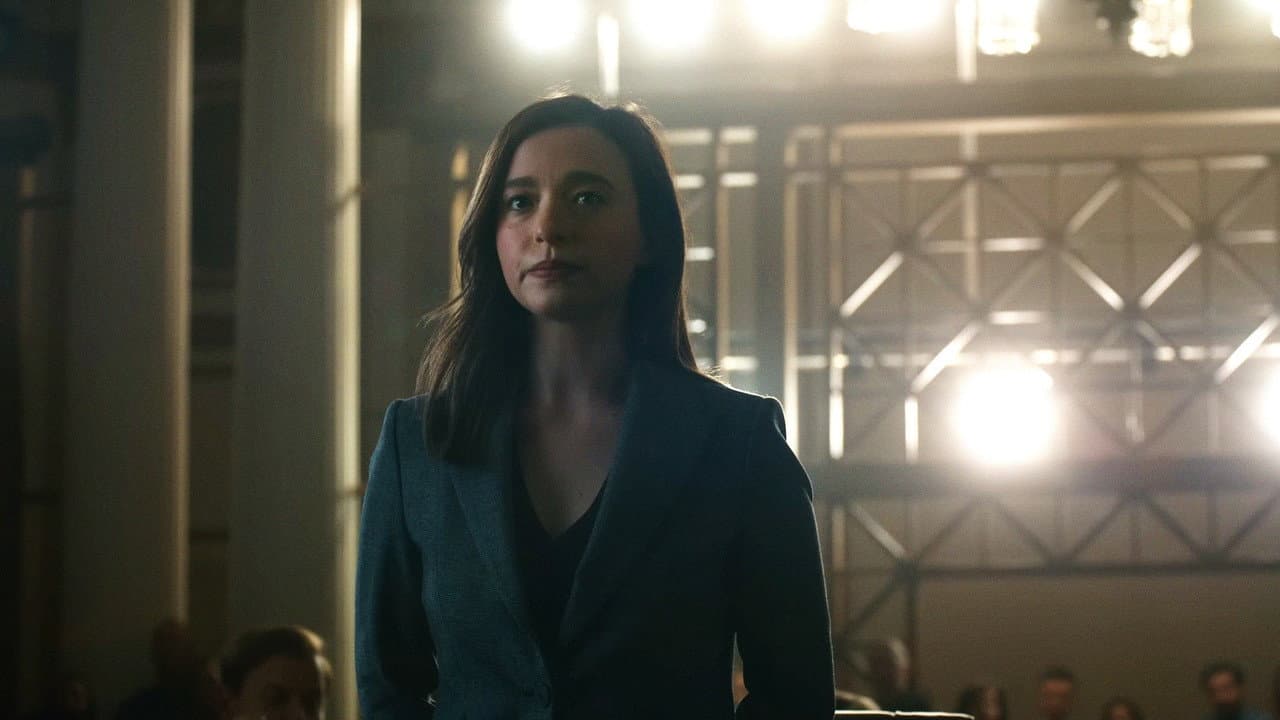
The drama, set for release on October 7, 2026, centers on Frances Haugen, the young Facebook engineer who teamed with Wall Street Journal reporter Jeff Horwitz to expose the social network's most closely guarded secrets. The film is described as a dangerous journey that ends in one of the most consequential whistleblower revelations of the modern tech era. It is an English-language Hollywood production, with a runtime that has not yet been announced.
Strong leads the cast as Zuckerberg, with Mikey Madison playing Haugen and Jeremy Allen White as Horwitz. The ensemble also includes Wunmi Mosaku as Raya, Betty Gilpin as Kris, Billy Magnussen as Teddy, Bill Burr as Charlie, and Gbenga Akinnagbe. Sorkin directed from his own screenplay, marking another entry in his long career of dramatizing institutions and the people who run them - from the courtroom to the newsroom to, now, the boardroom of the world's largest social platform.
A Method Actor Meets His Subject
Sorkin's comment about Strong's on-set demeanor is likely to fuel conversation about how the actor prepared for the role. Strong has built a reputation for immersive, research-heavy performances, and playing Zuckerberg offers an unusually rich target: a public figure whose power is measured less in charisma than in control of systems and information. If Strong chose to keep his fellow actors at a certain distance, Sorkin appears to view it as character work rather than standoffishness. The director's phrasing suggests he sees Zuckerberg as someone who relates to people instrumentally - and that Strong channeled that quality into his interactions between takes.
The remark also carries an ironic charge given the film's subject. Social Reckoning is built around the idea that Facebook's internal culture prioritized growth and secrecy over the wellbeing of its users. Having its star embody that ethos behind the scenes, at least in Sorkin's telling, blurs the line between performance and production in a way that will intrigue awards watchers and entertainment journalists alike.
The Real Story Behind the Screenplay
The film dramatizes events that turned Haugen into a household name. Her decision to copy internal documents and share them with Horwitz led to a series of Wall Street Journal stories and later testimony before Congress, where she argued that the company knew about harms caused by its products and concealed them. Sorkin's screenplay places the relationship between the engineer and the reporter at its center, framing the leak as a tense, risky collaboration rather than a single act of conscience. The supporting cast - Mosaku, Gilpin, Magnussen, Burr, and Akinnagbe - populates the worlds of tech, media, and legal pressure that close in once the story breaks.
For Sorkin, the project continues a career-long fascination with people who speak truth to power and the institutions that try to contain them. His trademark rapid-fire dialogue and procedural structure would seem a natural fit for a narrative about documents, deadlines, and depositions. Whether audiences embrace another tech-industry morality tale remains an open question, but the pedigree of the cast and the timeliness of the subject give the film a built-in spotlight.
Social Reckoning arrives in theaters on October 7, 2026. No rating information from TMDb is available yet, with the title currently listed at 0/10 based on zero votes. For now, the most quotable piece of advance buzz belongs to Sorkin - and it says as much about Mark Zuckerberg as it does about Jeremy Strong.
Source: Hollywood Reporter