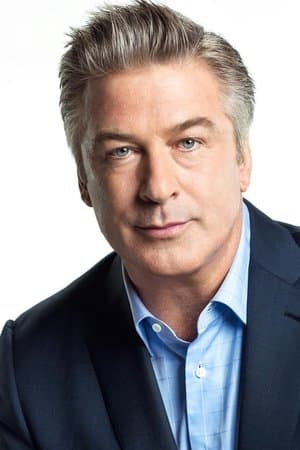
Filmmakers behind a new documentary about Alec Baldwin say the actor’s reaction to the project was even more negative than they had anticipated. According to the people who made the film, Baldwin “really, really didn’t like” what he saw - a blunt assessment that has quickly become the most talked-about detail surrounding a movie that has otherwise kept a relatively low profile.
The documentary, which centers on Baldwin, has not been the subject of a wide release or a large marketing push, and the filmmakers have not publicly detailed its full contents. But their characterization of Baldwin’s response suggests the film takes a critical or unflattering look at the actor, one that its subject found difficult to stomach. The phrase attributed to the filmmakers - that Baldwin “really, really didn’t like” the documentary - carries a notable emphasis, implying a reaction stronger than simple disapproval.
Baldwin himself has not issued a detailed public statement about the film, and neither he nor his representatives have confirmed or expanded on the filmmakers’ account. That silence has left the door open to speculation about which aspects of the documentary drew his ire, though the filmmakers have not offered a scene-by-scene explanation.
For Baldwin, being the subject of a documentary is hardly a first. The actor has spent decades in the public eye, moving between celebrated screen roles and a personal life that has frequently drawn tabloid attention. In recent years, much of the coverage surrounding him has centered on the fatal shooting on the set of the Western “Rust” in 2021, a tragedy that led to extensive legal proceedings and intense media scrutiny. Whether the new documentary addresses that chapter, or focuses instead on other periods of his career and private life, has not been made clear by the filmmakers.
The timing of the disclosure is itself noteworthy. Documentary subjects frequently disagree with how they are portrayed, but it is less common for filmmakers to publicly characterize a subject’s reaction in such colloquial and emphatic terms. Doing so can serve as a kind of advance framing, signaling to audiences that the film pulls no punches - or it can be a way of generating attention for a project that might otherwise struggle to break through.
There is also a practical dimension. Documentaries about well-known figures often depend on the participation or at least the cooperation of their subjects, and a subject’s hostility can shape how a film is received. If Baldwin’s camp chooses to push back publicly, the dispute could overshadow the film itself. If it stays quiet, the filmmakers’ description of his reaction may remain the dominant narrative.
Legal considerations could play a role as well. Baldwin has shown himself willing to litigate when he believes he has been wronged, and public figures sometimes seek to challenge documentaries they believe misrepresent them. No such action has been indicated, and the filmmakers have not suggested that Baldwin has taken any formal steps against the project.
The documentary’s distribution plans remain unclear from the information available. The filmmakers have not announced a release date, a platform, or a festival premiere, and no verified details about its length or structure have been made public. That absence of specifics makes it difficult to judge how central Baldwin’s reaction is to the film’s marketing strategy versus how much it reflects genuine tension between subject and filmmakers.
What is clear is that the story has given the documentary a burst of visibility it might not otherwise have had. A pointed quote about a famous subject’s displeasure travels quickly, and the phrase “really, really didn’t like” is the kind of plainspoken remark that tends to stick in readers’ minds. Whether that attention translates into audiences seeking out the film remains to be seen.
Baldwin, for his part, continues to be a fixture in entertainment coverage, and any project bearing his name is likely to draw interest regardless of his endorsement. The filmmakers appear to be counting on that. Their account of his reaction positions the documentary as something Baldwin would rather people not see - a framing that, intentionally or not, may make more people want to see it.
Source: Hollywood Reporter