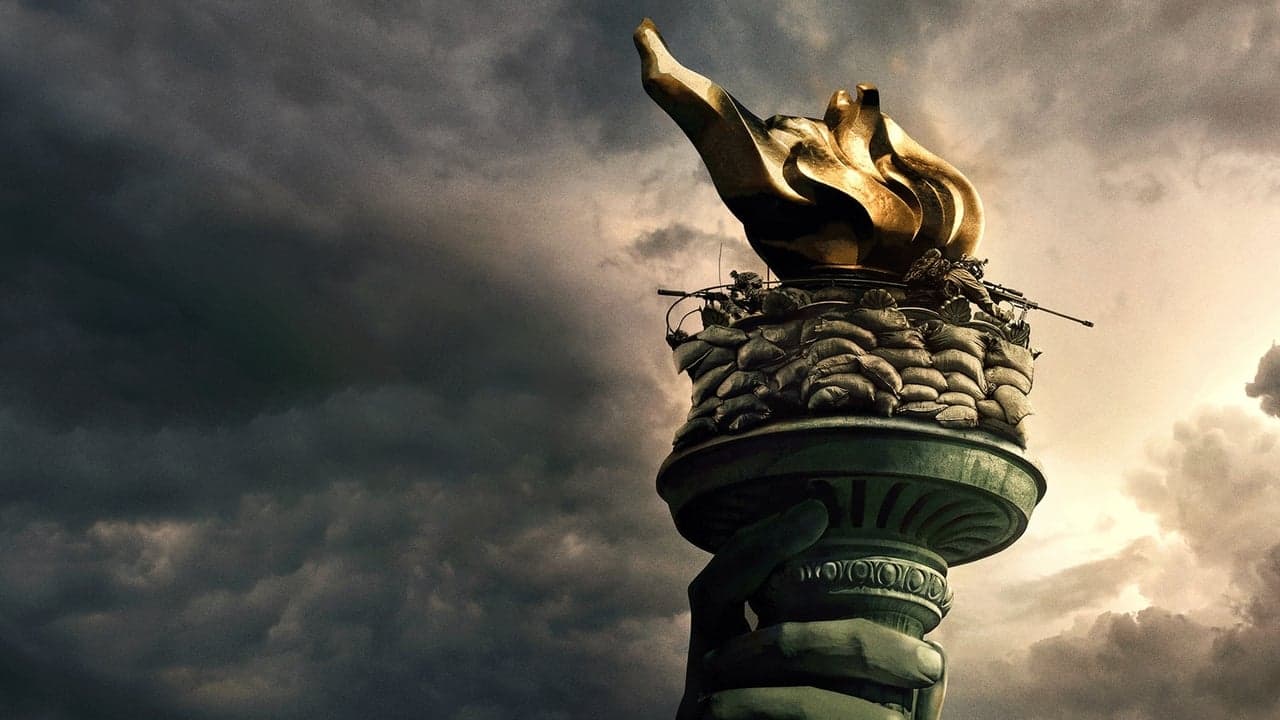
Alex Garland's "Civil War" is back in the conversation, and this time the debate isn't about the filmmaking. The 2024 A24 release, which imagines a fractured near-future America through the eyes of war journalists, has resurfaced online after Texas voters delivered a result that pundits on one side of the aisle had long written off. The shift has prompted a wave of mea culpas from commentators who once dismissed the film as alarmist, with the phrase "You owe him an apology" circulating widely in the days since.
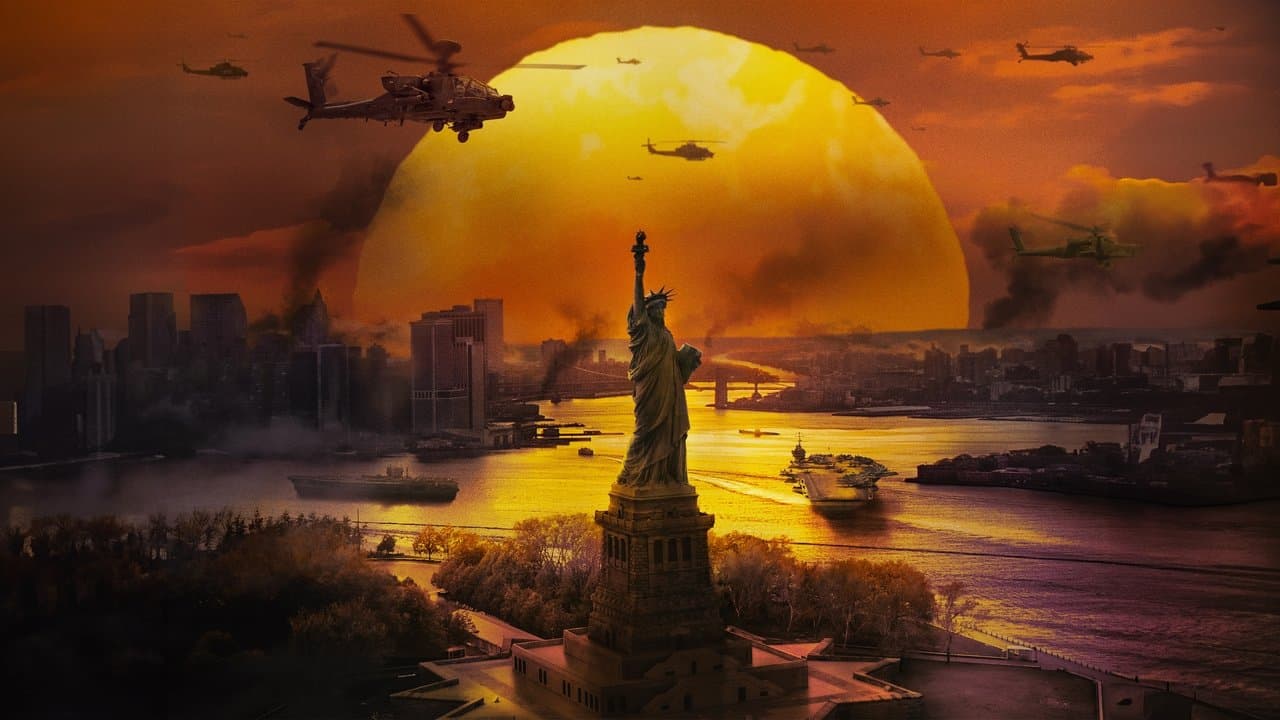
The ironic twist has been hard to miss for anyone who followed the film's rollout. When "Civil War" opened on April 10, 2024, much of the discourse centered on whether Garland was irresponsibly stoking division, or whether he had simply imagined a scenario too far-fetched to matter. The director, for his part, spent much of the press tour insisting the film was less about policy than about the people who report on conflict - and about what happens when truth becomes a casualty.
A Political Backdrop Nobody Expected to Echo the Movie
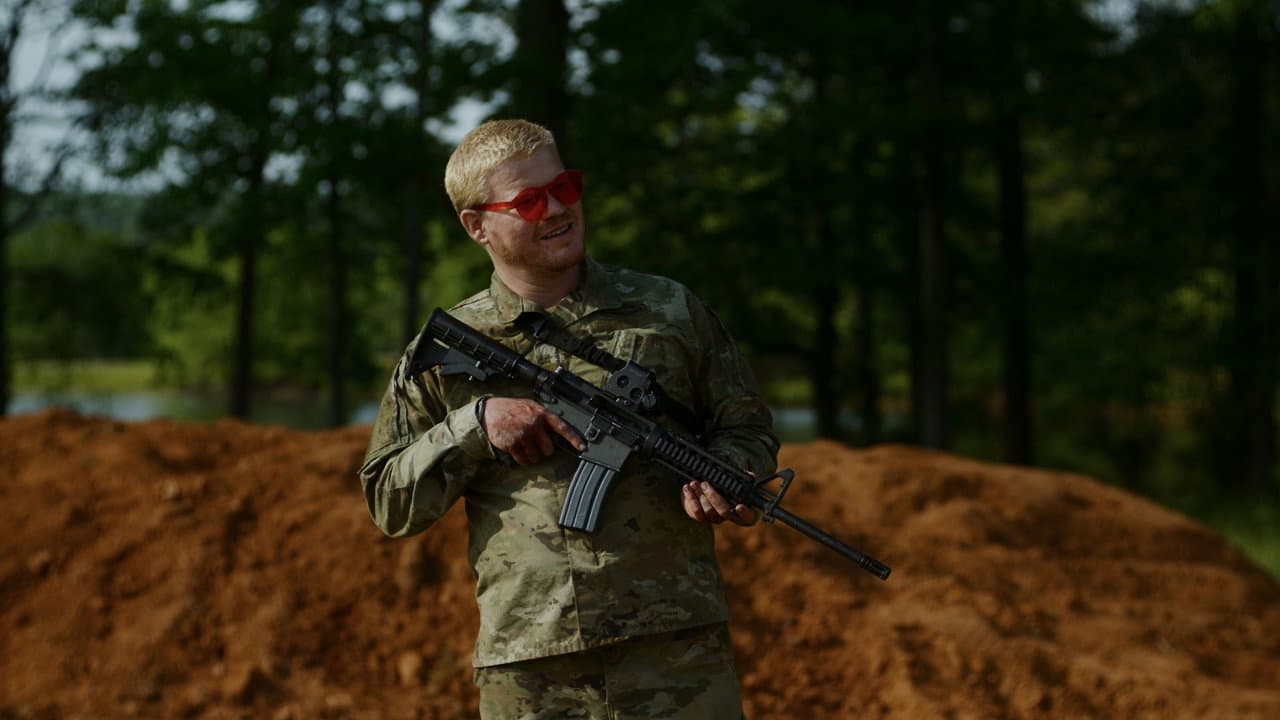
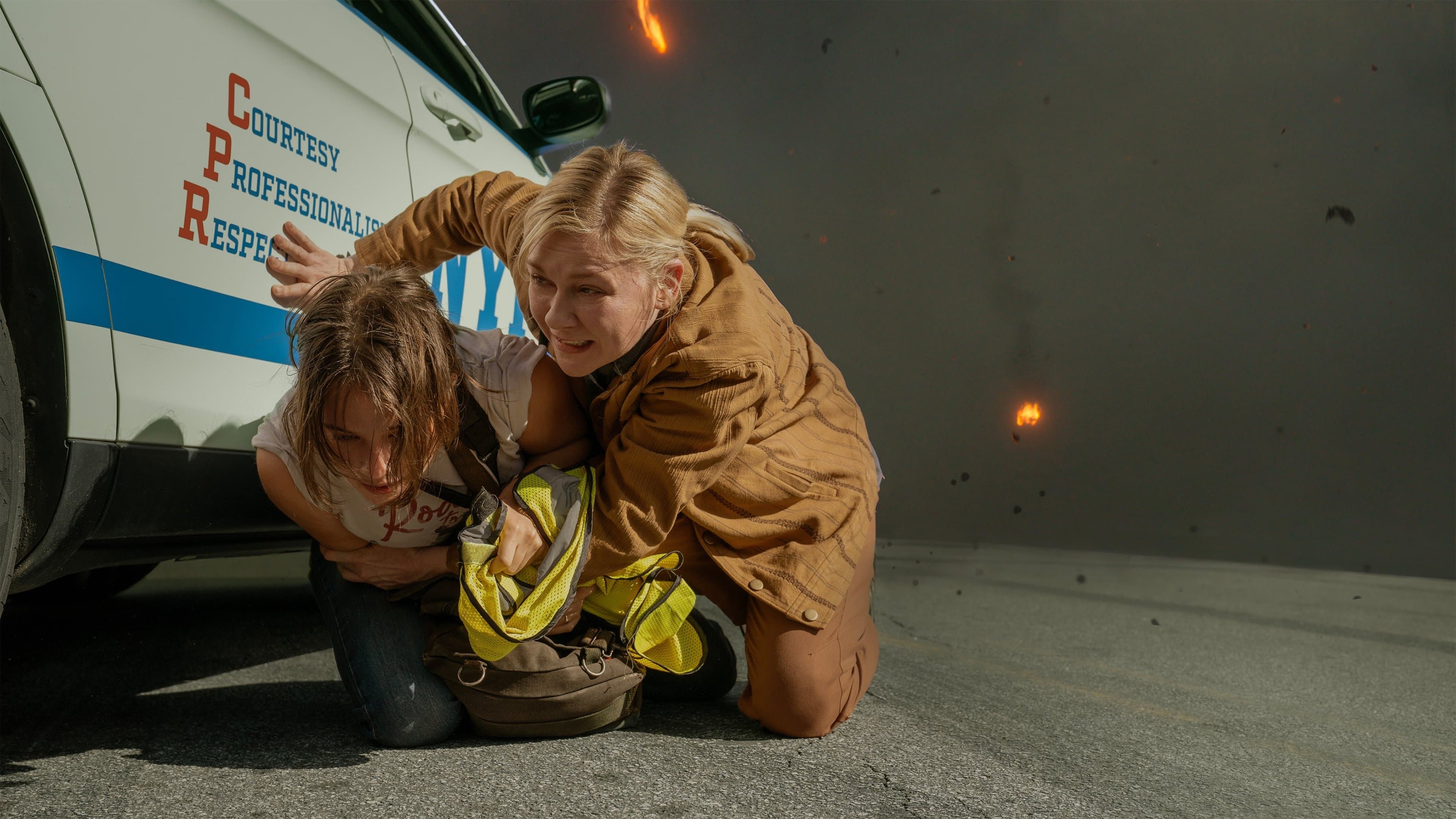
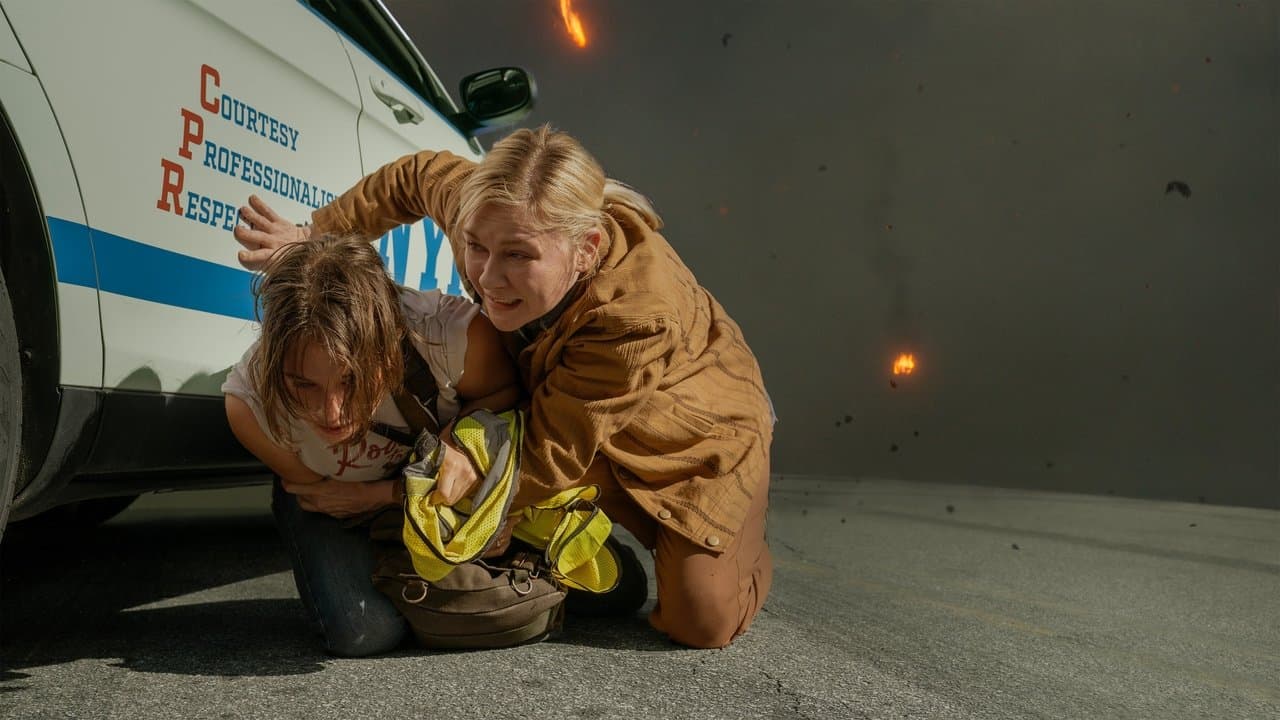
Set in the near future, "Civil War" follows a small crew of journalists as they attempt to survive while documenting the truth as the United States stands on the brink of collapse. Kirsten Dunst leads the ensemble as Lee, a seasoned photographer; Wagner Moura plays her colleague Joel; Cailee Spaeny is the young Jessie, eager to prove herself in the field. Stephen McKinley Henderson, Nelson Lee and Nick Offerman round out the cast, with Offerman inhabiting a president whose public statements carry ominous weight.
The film runs 109 minutes and blends war, action and drama into something critics described at the time as more intimate than its title suggested. Its TMDb rating sits at 6.844 out of 10 - respectable but not rapturous, a reminder that the movie divided audiences even as it generated headlines.
What has changed is not the film itself but the lens through which some viewers are now watching it. The Texas result has prompted a fresh round of pieces revisiting Garland's screenplay, many of them conceding that his fictional press corps looks less like fantasy and more like precaution.
Why the Apology Narrative Is Taking Hold
The "apology" framing has become something of a meme, but it points to a genuine shift in how the film is being received. Detractors who accused Garland of fearmongering are now being asked whether his real sin was simply being early. Supporters of the director have seized on the moment, arguing that "Civil War" was never a prediction but a warning - and that the journalists at its center were portrayed with more sympathy than the political class that surrounds them.
Dunst's performance, in particular, is being reappraised. Her Lee is neither hero nor martyr; she is a professional trying to do a job while the ground shifts beneath her. Moura brings a battered idealism to Joel, and Spaeny's Jessie carries the film's generational weight. The supporting turns from Henderson and Offerman give the story a lived-in texture that some reviewers initially overlooked.
Garland has not commented publicly on the renewed attention, and A24 has stayed quiet as well. Neither has signaled any re-release plans. But the streaming-era habit of rediscovering films after real-world events has a way of extending a movie's life, and "Civil War" now seems destined for a second act in the cultural conversation.
What the Film Was Always Trying to Say
Strip away the political reading and "Civil War" remains a movie about reporters - about the adrenaline, the compromises and the toll of bearing witness. Garland structured the film around the journalists' journey rather than the war itself, a choice that frustrated some viewers expecting a combat spectacle and impressed others who saw it as a deliberate act of restraint.
The renewed debate has also revived questions about the film's place in Garland's filmography. He has described it as a culmination of ideas he had circled for years, and the cast has spoken about the intensity of the shoot. Those details are now being revisited alongside the political commentary, giving the movie a second life in film schools and on podcasts alike.
Whether the apology tour lasts beyond a news cycle is another matter. Hollywood has a short memory, and audiences move on quickly. But for a film that premiered to accusations of inflaming the imagination, "Civil War" now finds itself in the odd position of being told it imagined too well. That is a strange legacy for any director - and, for Garland, an unexpected one.
Source: Hollywood Reporter