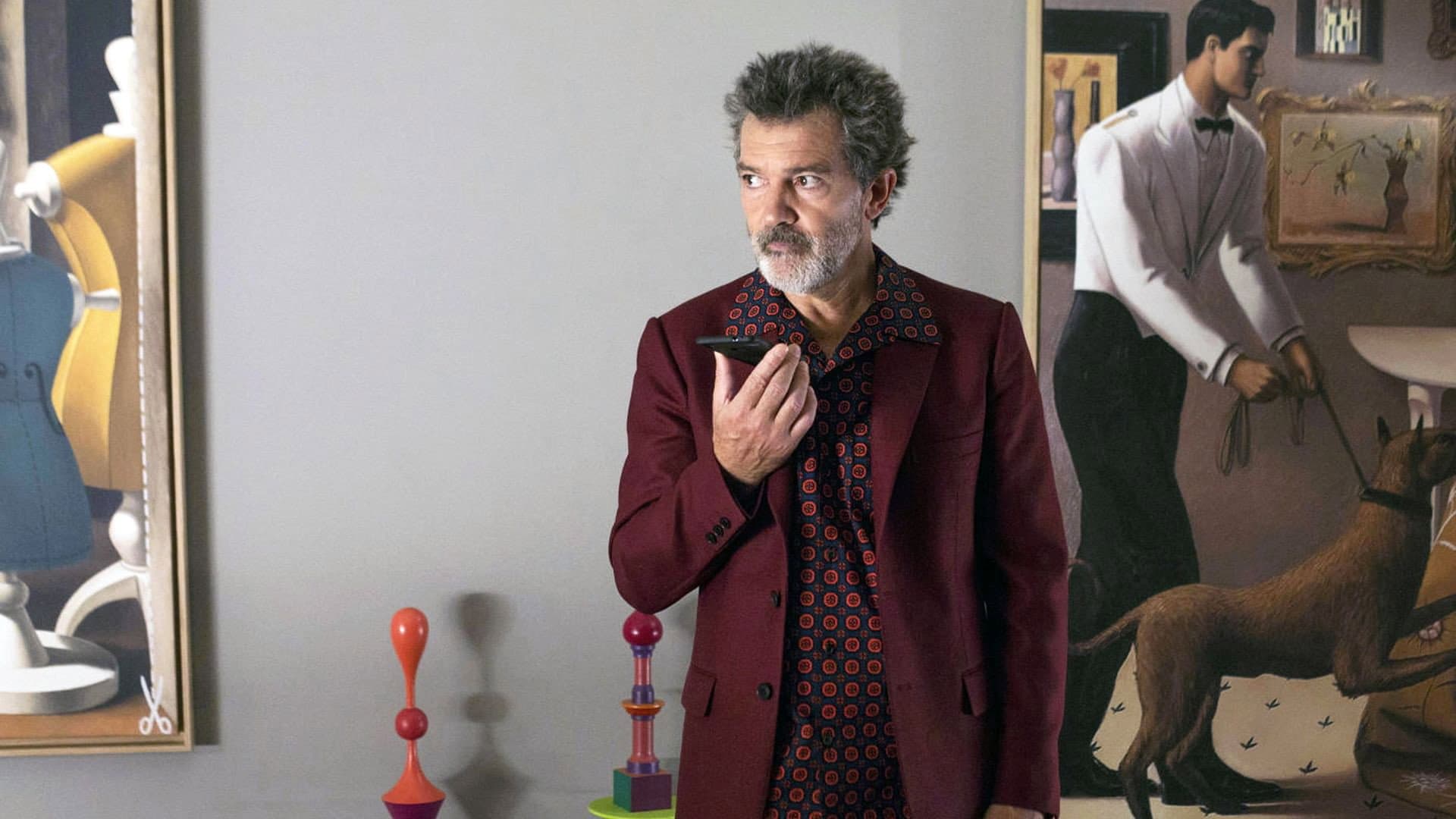
Pedro Almodóvar has spent more than four decades chronicling the lives of people on the margins, and now the filmmaker appears ready to turn his lens on the one subject he has always circled but never fully confronted: himself. The Spanish director is at work on a project titled "Almodóvar's Deep Dive Into … Almodóvar," a self-reflexive documentary in which he examines his own body of work, his creative impulses, and the personal history that shaped both. The film marks a rare instance of the famously guarded auteur stepping in front of his own camera for an extended reckoning with his legacy.
Word of the project has circulated quietly among festival programmers and sales agents in recent weeks, though Almodóvar's production company has yet to confirm a premiere date or distribution plan. What is known is that the director has been conducting on-camera interviews and assembling archival material spanning his career, from the punk-inflected provocations of his early Madrid years through the international accolades of his later features. The title itself signals the playful, self-aware tone Almodóvar is likely to bring to the material - a wink at the earnest documentary tradition of the "deep dive" while promising something more mischievous and personal.
A Career Built on Autobiography in Disguise
Almodóvar has never been shy about drawing on his own life. His childhood in La Mancha, his complicated relationship with the Catholic Church, his move to Madrid during the countercultural explosion known as La Movida, and his identity as a gay man in post-Franco Spain have all fed into his screenplays. Yet he has consistently filtered those experiences through melodrama, farce, and genre pastiche, rarely addressing them head-on. That approach has earned him a reputation as one of cinema's great fabulists, a storyteller who prefers invention to confession.
A documentary that turns the camera inward would therefore represent a genuine departure. It would also arrive at a moment when the director's standing in the international film community is as secure as it has ever been. His more recent work - including the reflective dramas "Pain and Glory" and "Parallel Mothers," as well as his English-language feature "The Room Next Door" - has been read by many critics as a form of late-career self-portraiture, with protagonists who are aging artists haunted by their pasts. "Almodóvar's Deep Dive Into … Almodóvar" would make that subtext explicit.
The timing is notable for another reason. Almodóvar has spent years developing an adaptation of "A Manual for Cleaning Women," the story collection by Lucia Berlin, a project that has been repeatedly delayed. A documentary assembled largely from existing footage and new interviews could be completed far more quickly than a narrative feature, allowing the director to remain visible while his fiction projects move through development. It also gives him a platform to shape the conversation about his own legacy at a point when retrospectives, academic studies, and critical reappraisals of his work are proliferating.
What a Self-Portrait Might Reveal
The most intriguing question surrounding the film is how candid Almodóvar intends to be. His public persona has always been carefully curated: the shock of white hair, the vivid jackets, the deadpan wit in interviews. He has spoken openly about his sexuality and about the death of his mother, but he has also deflected questions about his private relationships and his health. A documentary format invites a different kind of exposure, and the director's admirers will be watching closely to see how far he is willing to go.
There is also the matter of his relationship to Spain itself. Almodóvar's films are inseparable from the country's transition from dictatorship to democracy, and from Madrid's transformation into a European cultural capital. A deep dive into his own career is inevitably a deep dive into four decades of Spanish social history, from the hedonism of the Movida to the austerity of the post-2008 years and the political fractures of the present. Whether the film engages with that broader context or confines itself to aesthetics and personal memory remains an open question.
For now, details are scarce and speculation is doing much of the work. But the very existence of the project is newsworthy. Almodóvar is among the last of the great European auteurs to have built a career entirely on his own terms, and a film in which he examines that career on camera promises to be both a summation and an argument - a chance for the director to tell his own story, in his own voice, before anyone else gets the chance to tell it for him.
Source: Hollywood Reporter