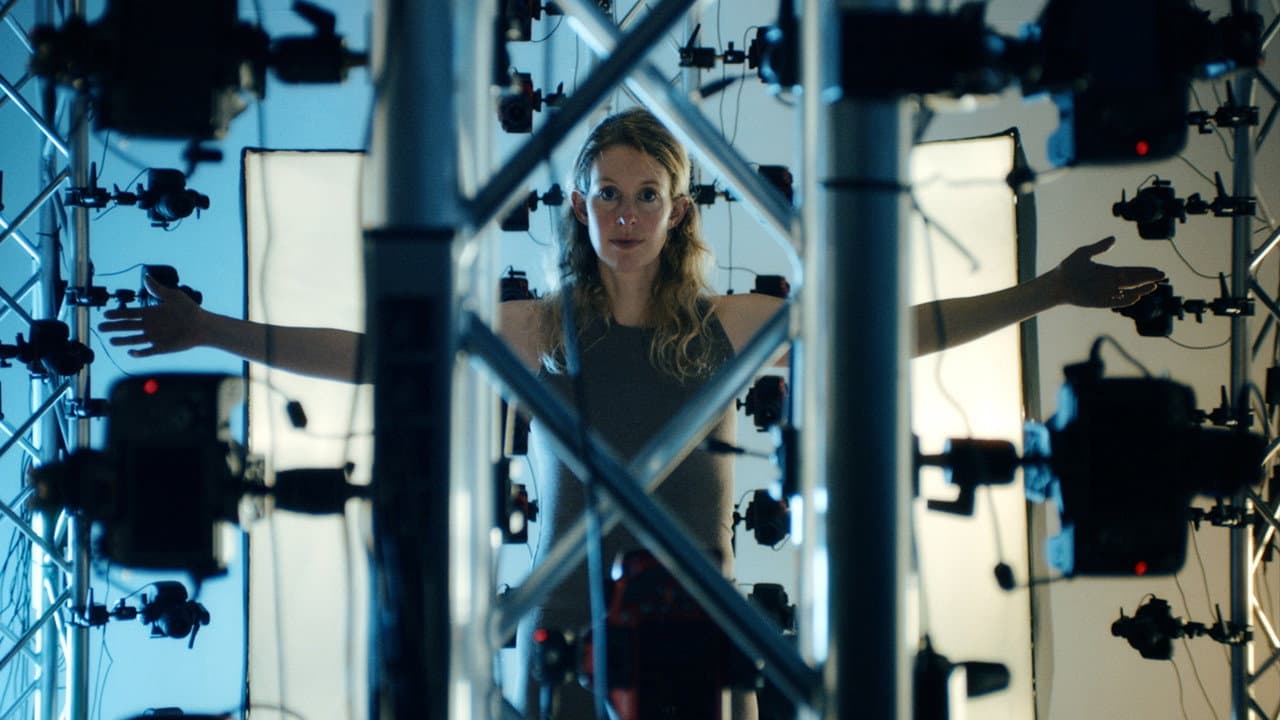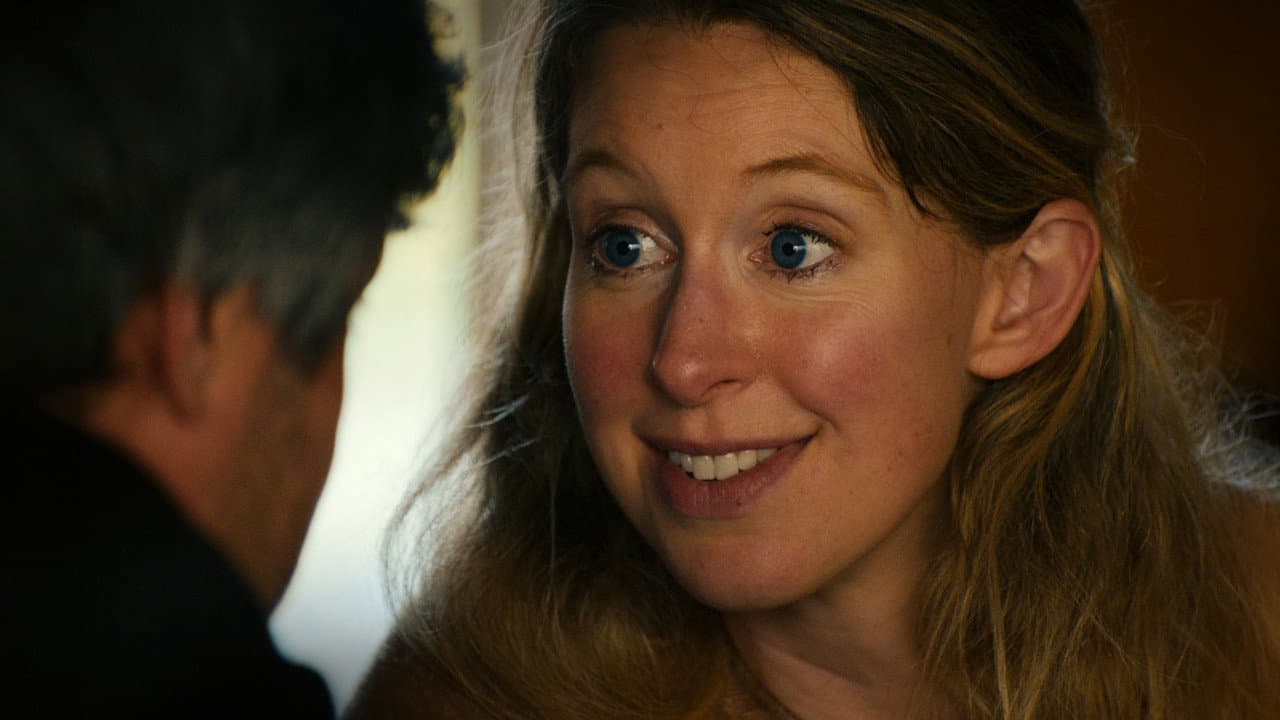
Amanda Seyfried has finally received clarity on how "You Can See Everything" will be positioned for awards consideration, and the actress is ready to embrace the spotlight. The genre-defying project, which defies easy categorization as a documentary, has been the subject of quiet speculation in industry circles for weeks. With the question now settled, Seyfried is wasting no time. "They're going to let me loose," she said, describing her eagerness to hit the campaign trail.
Directed by Nathan Fielder, "You Can See Everything" opened in theaters on October 16, 2026, and runs a hefty 175 minutes. The film follows notorious Silicon Valley founder Elizabeth Holmes in the thirty-four days before she is sent to prison, when she invites a skeptical film crew to document her every move. What starts as an intimate portrait of an enigmatic felon transforms into a mind-bending three-year journey into the abyss. It is, by any measure, an unusual viewing experience.
A Blurred Line Between Performance and Reality
The cast list itself hints at the film's unconventional nature. Holmes appears as herself, alongside Fielder as himself and Billy Evans as himself. Seyfried is billed as "Self / Elizabeth Holmes," a dual credit that speaks to the project's layered approach to its subject. Christopher Abbott appears as Billy Evans, while Lance Oppenheim, Christian Rasmus Holmes IV, and Noel Anne Holmes also feature as themselves. Documentary is the genre on paper, though the presence of scripted performers complicates any simple description.
That complexity is precisely why the awards-eligibility question carried weight. Campaigning requires a clear framework, and a film that straddles documentary and narrative traditions does not slot neatly into either lane. Now that the path forward has been clarified, Seyfried can engage with voters and audiences without ambiguity.
Strong Reception Offers a Tailwind
The film arrives with considerable momentum from viewers. It holds an 8.9 out of 10 rating on TMDb and a 7.9 out of 10 on IMDb, numbers that suggest the long runtime has not discouraged audiences. For a project built around a polarizing figure and an experimental filmmaker, that level of approval is notable.
Seyfried's enthusiasm is understandable. Campaigning for a film this distinctive allows her to discuss craft in ways that more conventional projects rarely permit. Her "let me loose" remark captures a performer who sees the coming months as an opportunity rather than an obligation.
A Director Known for Unsettling Comfort Zones
Fielder's involvement adds another layer of intrigue. The director has built a reputation for work that blurs the boundary between documentary and fiction, and "You Can See Everything" appears to push that sensibility to its furthest point yet. A three-year chronicle anchored by a founder awaiting imprisonment gives him ample material to probe.
The film's English-language, Hollywood production places it squarely within the domestic awards ecosystem, which makes the eligibility resolution all the more consequential. Seyfried can now campaign on familiar ground, in a race where the film's refusal to fit neatly into a box may prove to be its greatest asset.
For now, the actress is focused on the road ahead. With a settled eligibility status and a warmly received film behind her, she is positioned to make the most of a campaign season that promises to be anything but ordinary.
Source: Hollywood Reporter