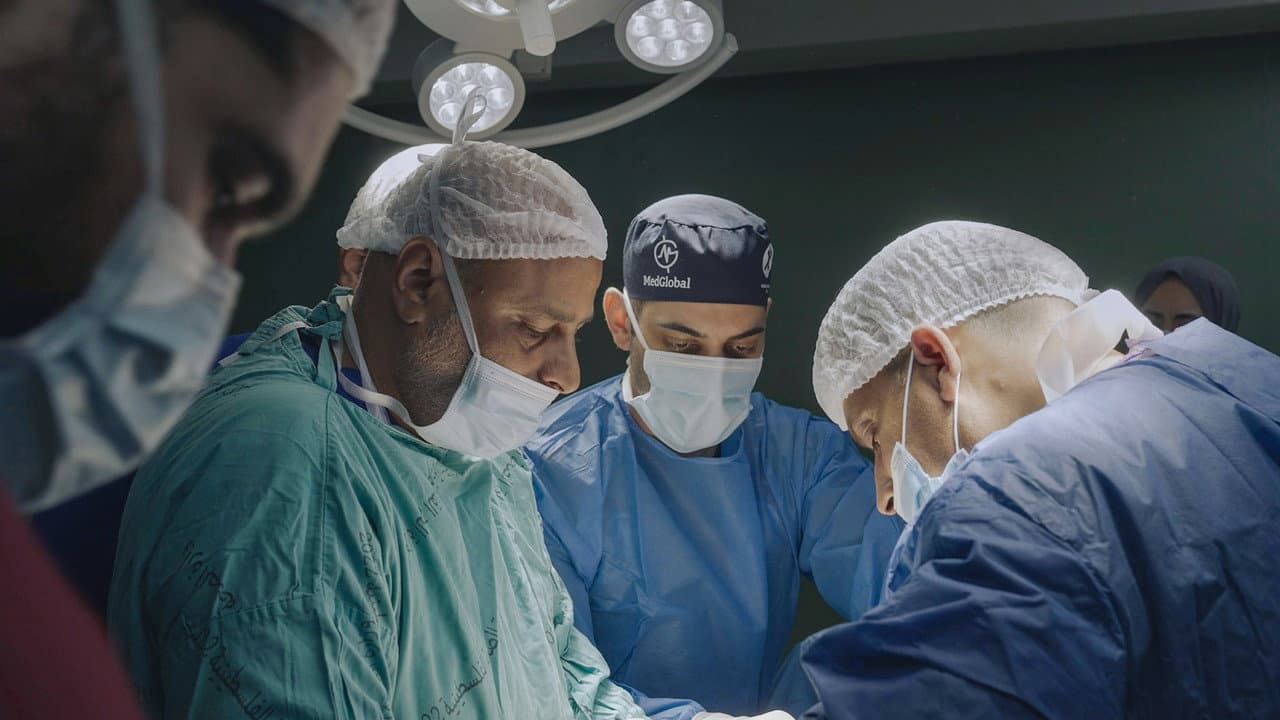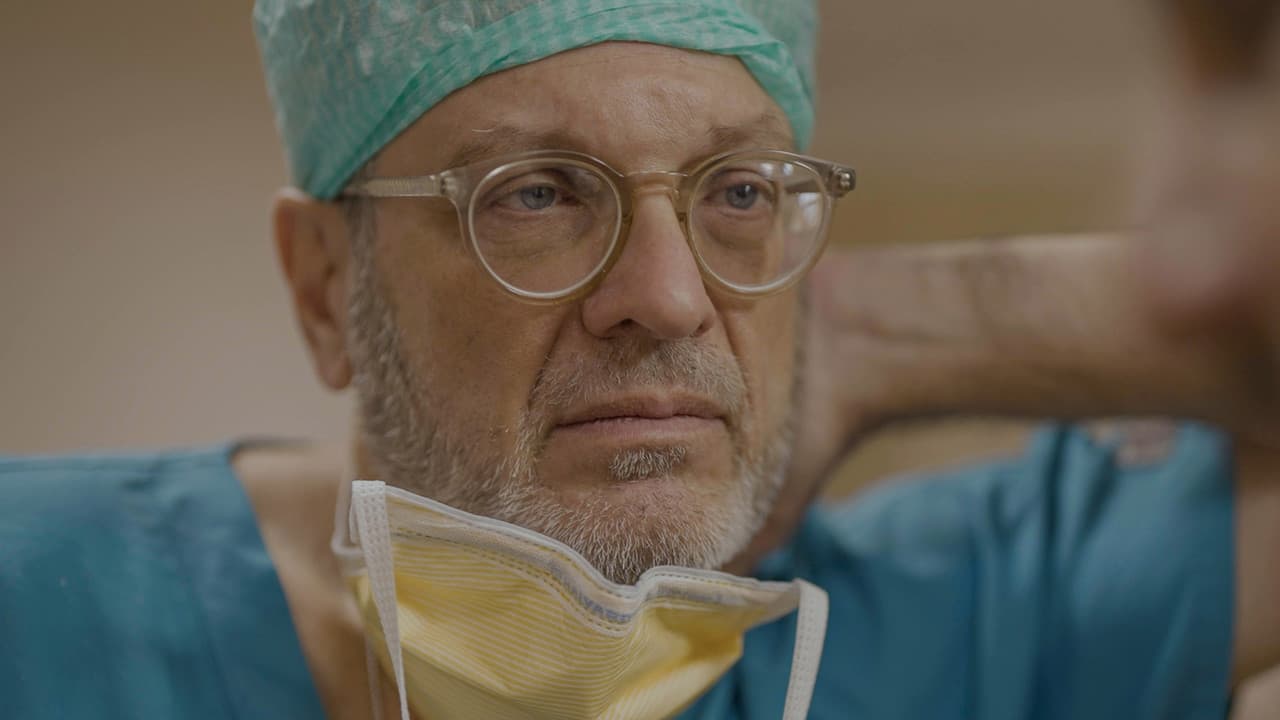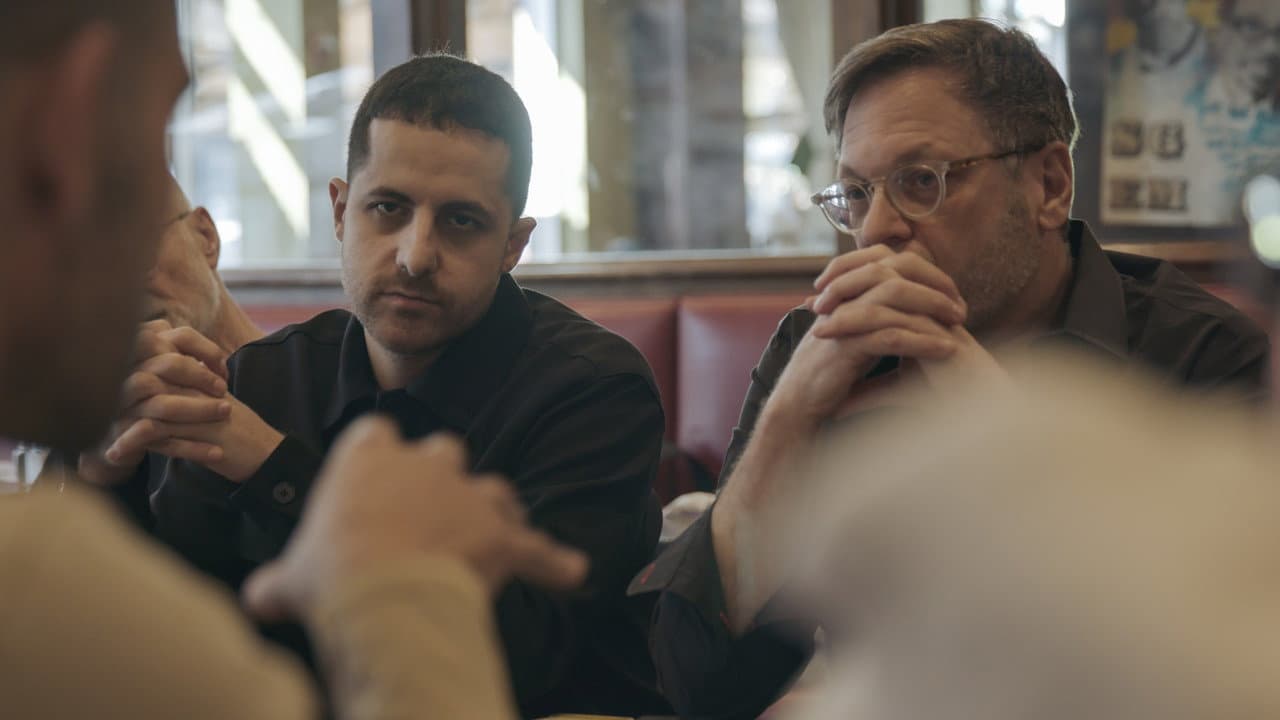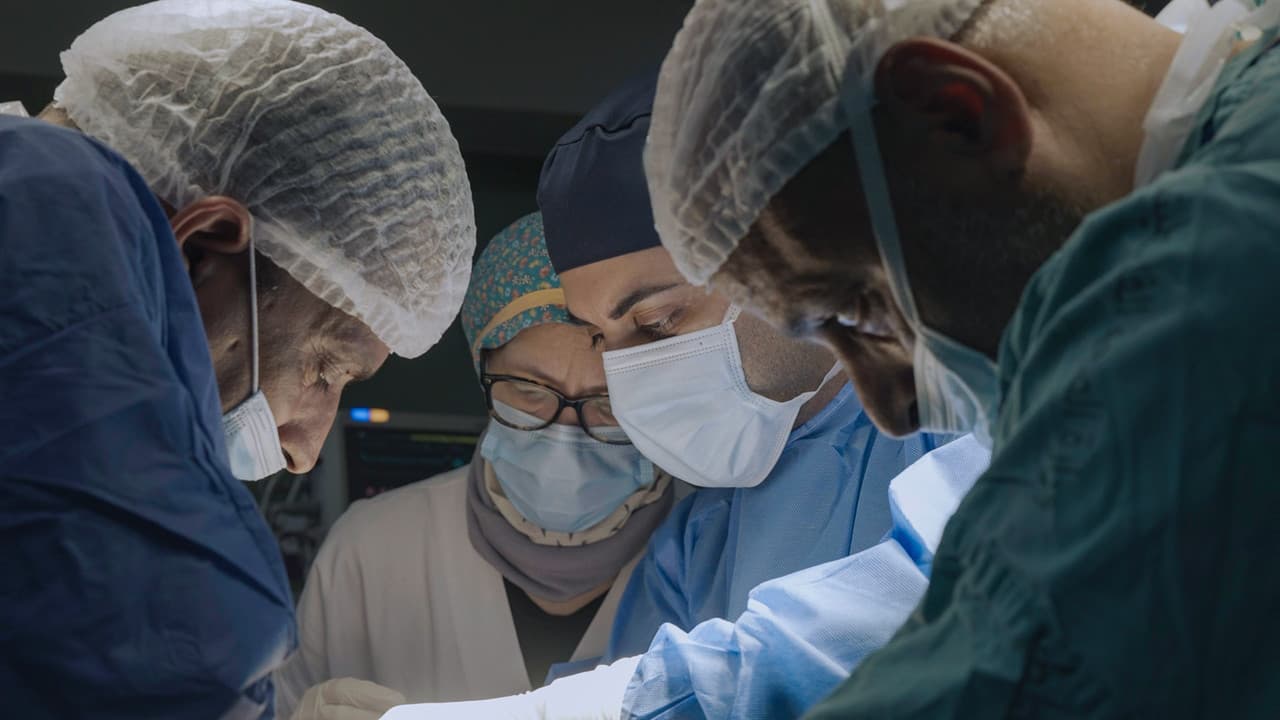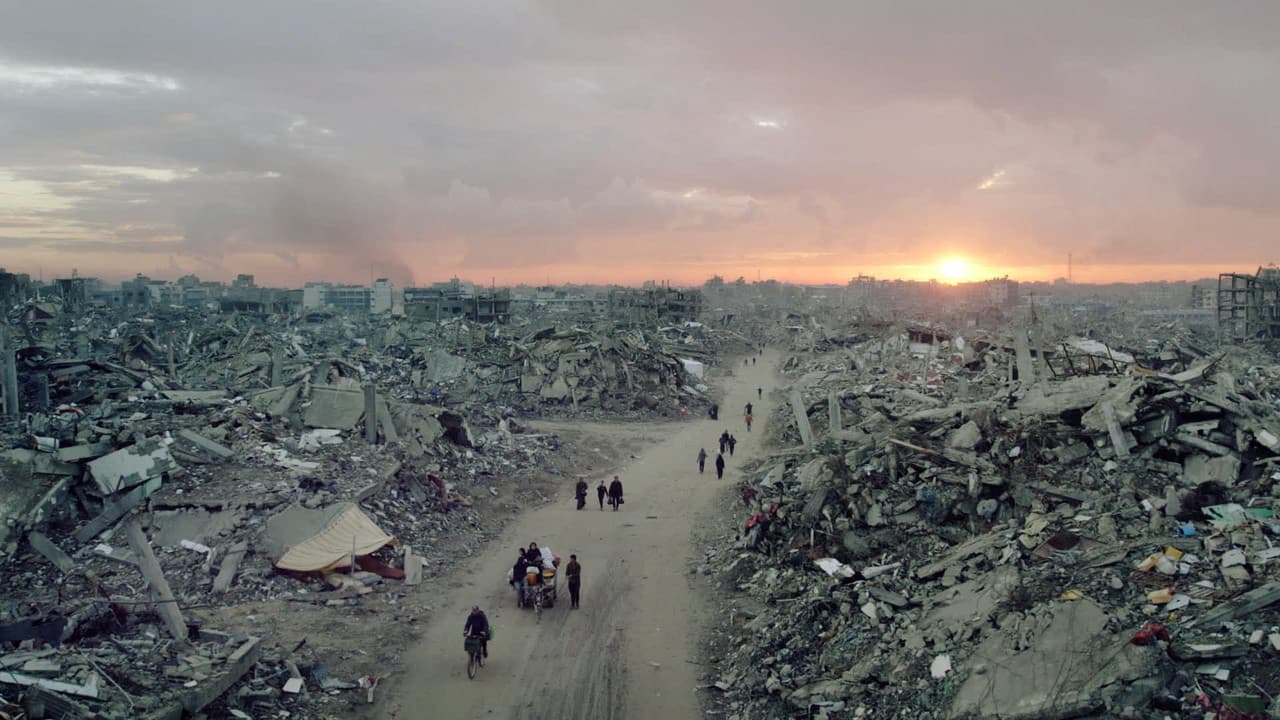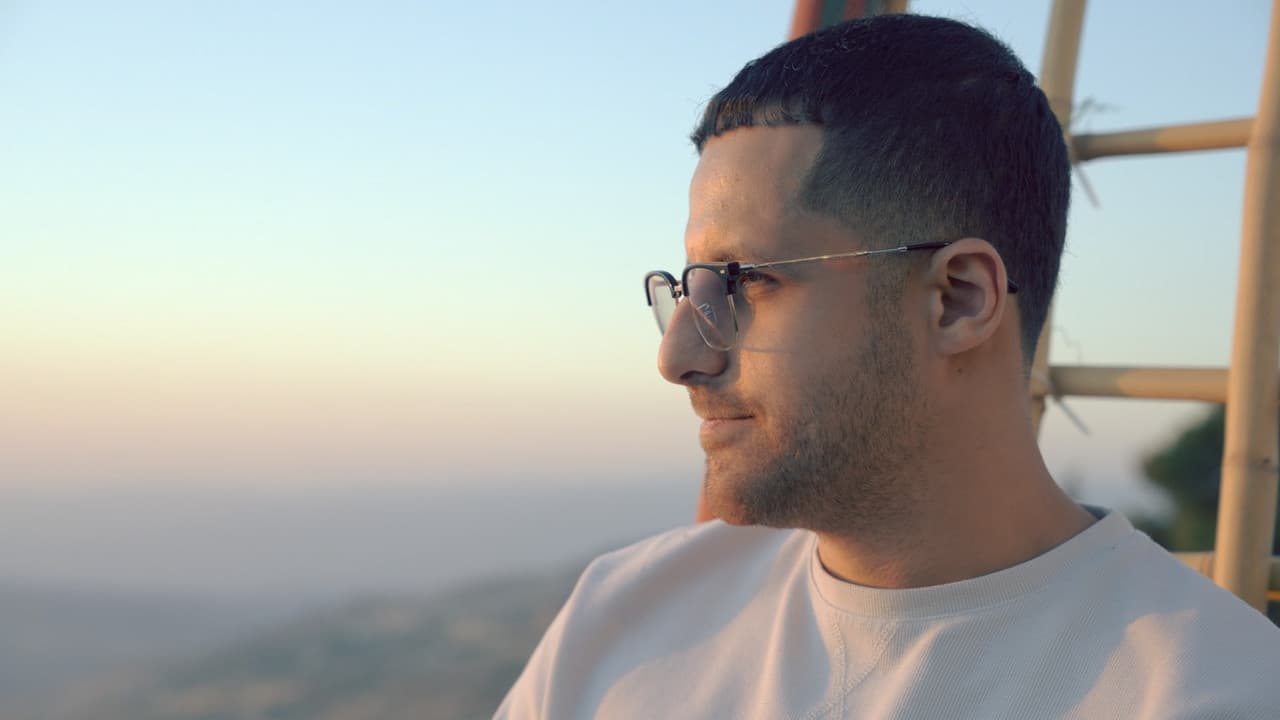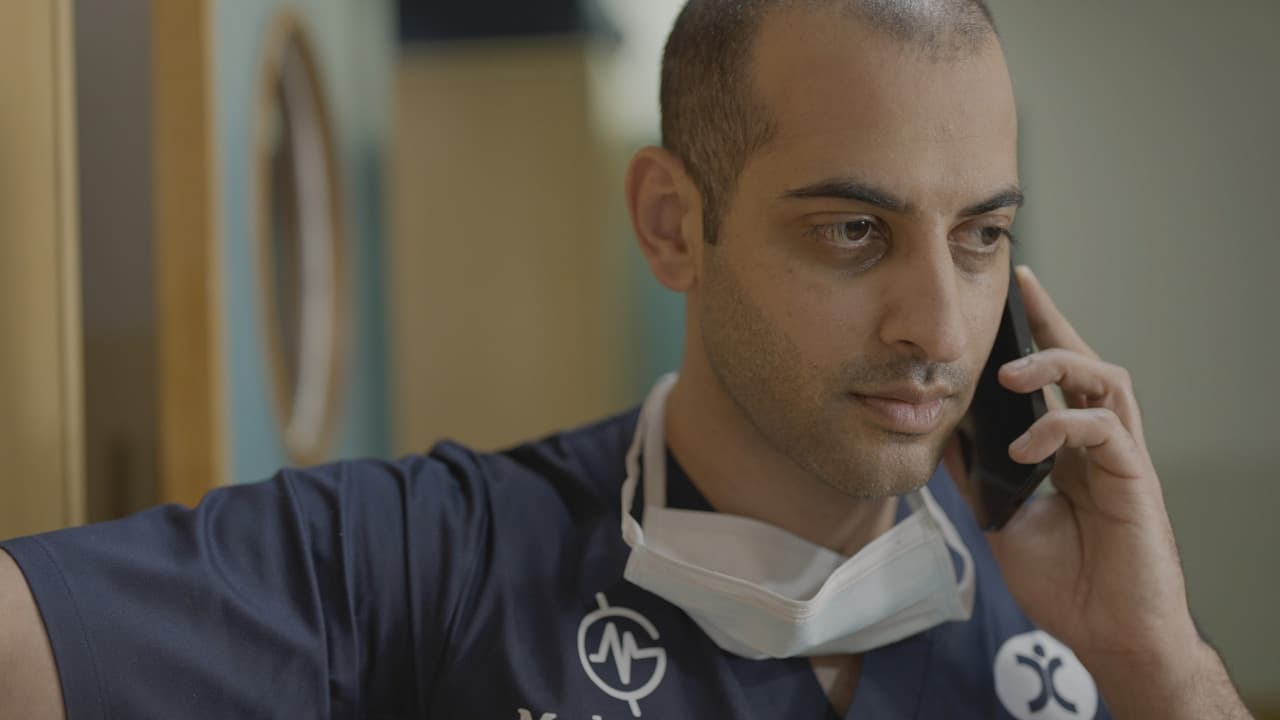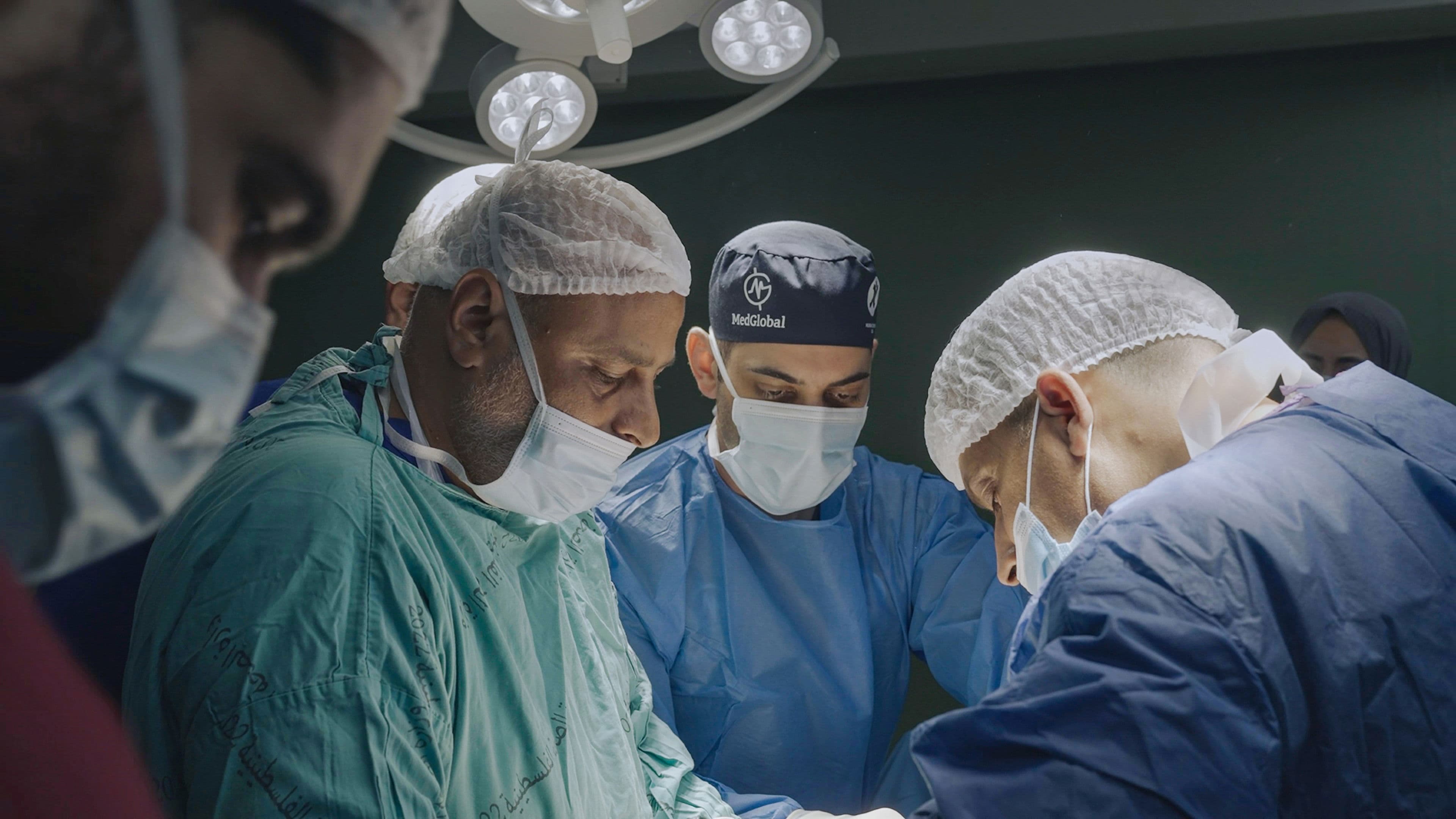
Poh Si Teng did not set out to make a film about a war. She set out to make a film about a promise. The director's documentary "American Doctor," which opened on August 14, follows three physicians - one Palestinian, one Jewish, one Zoroastrian - who share a single commitment to preserve life, a commitment they carry into a hospital under siege in Gaza and then back home to the United States. What began as a portrait of medical duty became something far more urgent, and Teng says that urgency was the point from the very first frame.
"I wanted to do something," Teng said of her motivation for the project, describing the pull she felt to document the doctors rather than simply report on the crisis around them. The film's 90-minute runtime follows Thaer Ahmad, Mark Perlmutter, and Feroze Sidhwa as they treat patients inside a hospital in Gaza amid what the film's own description calls a genocide committed by Israel, then return to the U.S. to advocate for the patients and colleagues they left behind. Rizk Abu Shaaira and Mohammed Odainy also appear as themselves.
Three Faiths, One Oath
The film's spine is the unlikely fellowship of its three central subjects. A Palestinian doctor, a Jewish doctor, and a Zoroastrian doctor - men whose backgrounds might place them on opposite sides of any political argument - are bound instead by the Hippocratic tradition they share. Teng trains her camera on that bond rather than on the rhetoric that surrounds it, letting the ordinary rhythms of medical work carry the emotional weight. The result is a documentary that treats the operating room and the hospital corridor as the real battlegrounds.
"American Doctor" arrives in theaters after months of escalating public attention to conditions in Gaza's medical facilities, and it leans on figures familiar to American audiences to bridge the distance. Dana Bash, the CNN anchor, appears through archive footage, while streamer and commentator Hasan Piker also features as himself. Their presence anchors the film's second act, which follows the doctors as they translate what they witnessed into advocacy on U.S. soil.
A Reception That Reflects the Moment
Audience response has been unusually strong for a documentary of this scale. On TMDb, the film holds a rating of 8.9 out of 10 - a figure that places it among the most favorably received nonfiction releases of the year. That number should be read with care; documentary ratings often skew high among viewers who seek such films out, and no wide-release box-office figures have been disclosed. Still, the reception suggests "American Doctor" has found an audience well beyond the festival circuit.
The film is presented in English and produced within the Hollywood industry, a detail that matters for how it will reach viewers. Teng, whose background is in documentary production, has spoken about the responsibility of shaping a narrative drawn from other people's suffering. Her approach here is direct: the doctors' own voices, captured in the field and in the months after their return, do most of the storytelling.
The Question at the Center
For all its attention to policy and politics, "American Doctor" keeps returning to a simpler question - what does a physician owe a patient when the world outside the hospital walls has decided the patient does not count? The three doctors in Teng's film answer that question with their presence, first in Gaza and then in Washington, and the film follows them without flinching from the cost of that answer.
Teng has described the project in personal terms, framing it as a response to a moment she could not ignore. "I wanted to do something," she has said, and the film is that something - a record of three men who chose to stay when staying was dangerous, and who chose to speak when silence was easier. "American Doctor" is now in theaters.
Source: Hollywood Reporter