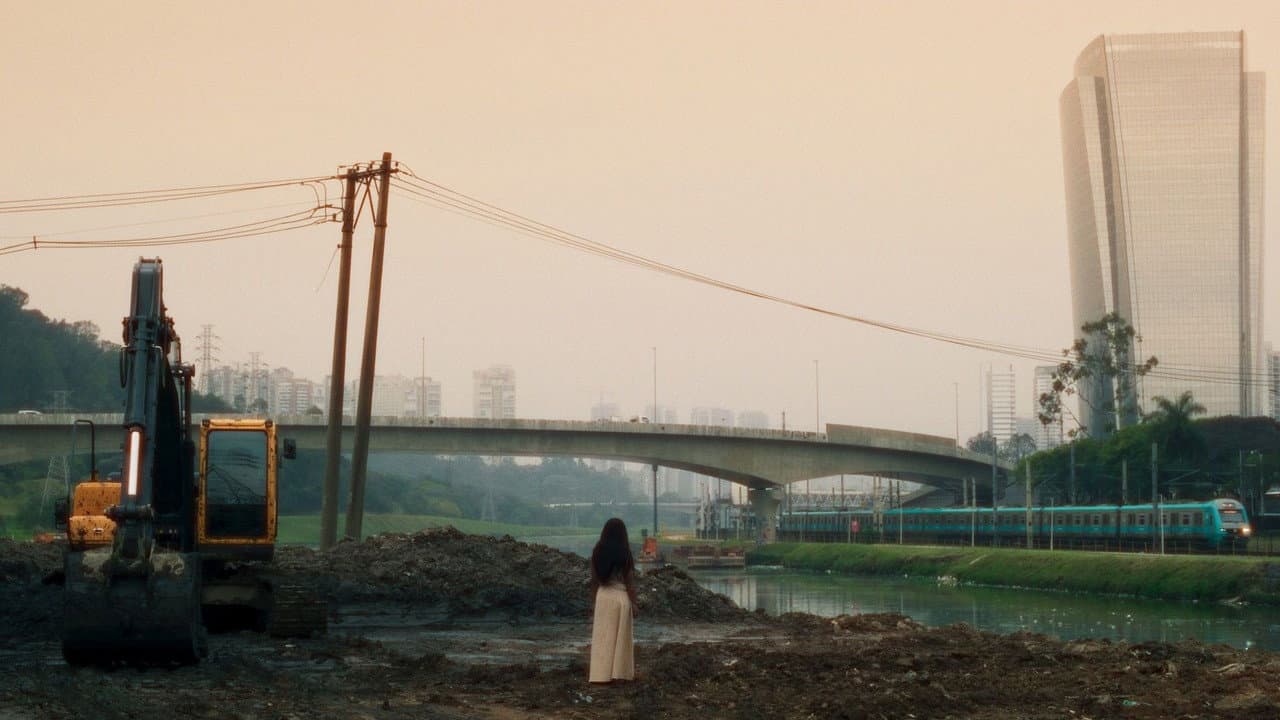
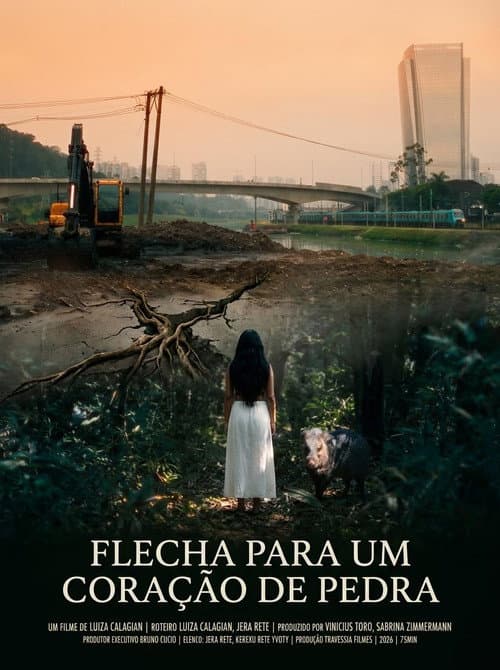
Luiza Calagian's "Arrow for a Stone Heart" arrives in theaters on November 17, 2026, carrying with it one of the more unusual propositions of the fall season: a 75-minute film that blends documentary, fantasy, and drama into a single hybrid form, seen entirely through an Indigenous perspective. The feature is performed in Portuguese and unfolds on the edge of São Paulo, where a railway line slices through Indigenous territory and where the boundary between waking life and dream has grown thin.
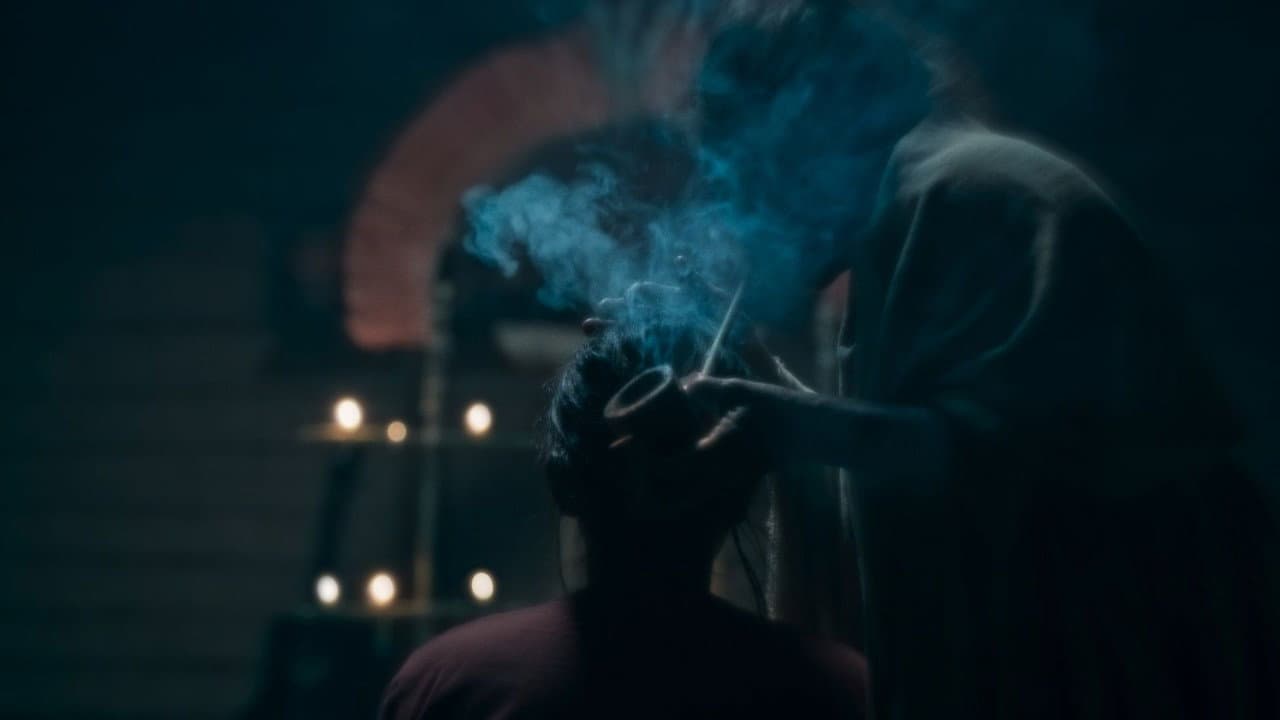
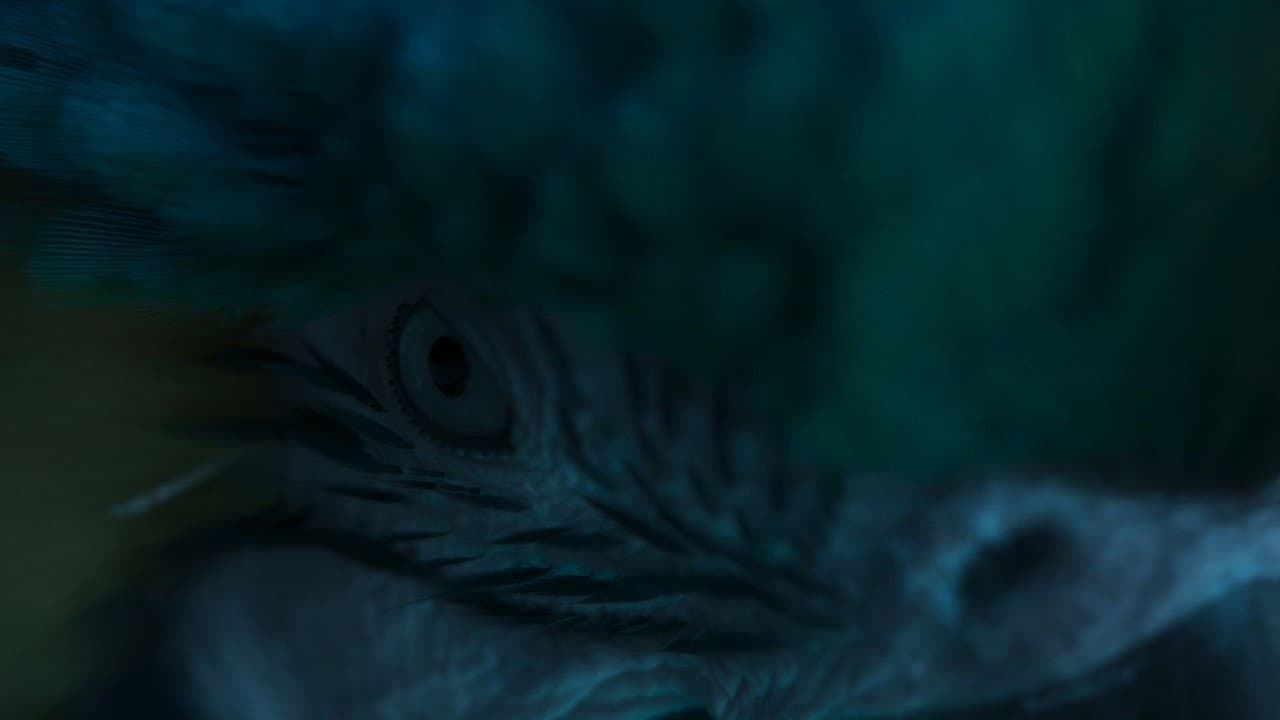
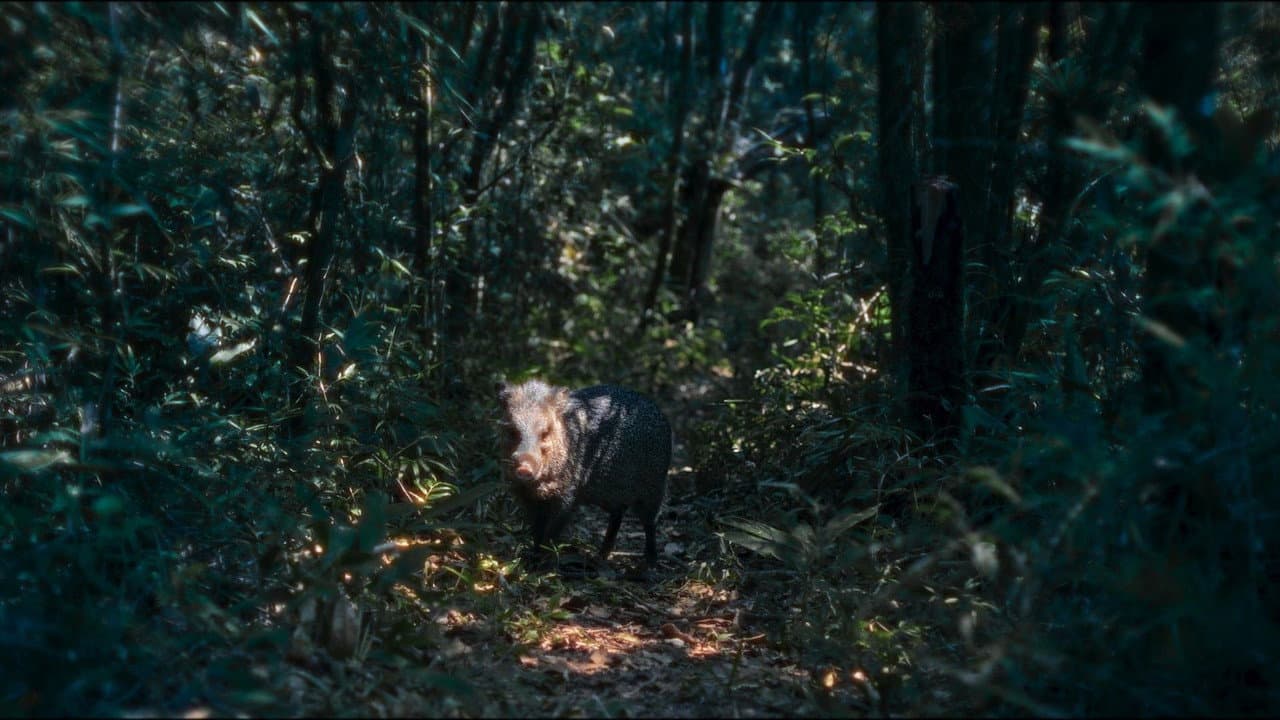
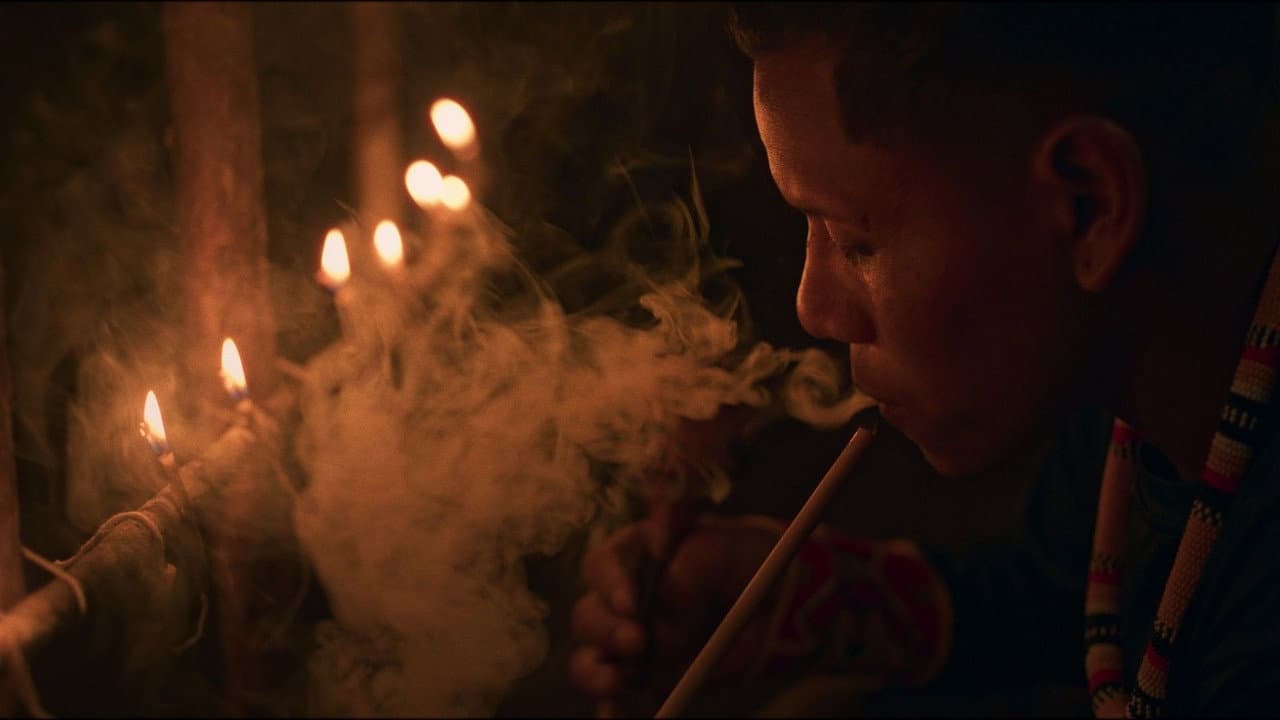
At the center of the film is Jera, a young dreamer whose nights are overtaken by the city. In her dreams, the urban world pushes into her village, an invasion that plays out inwardly rather than on any battlefield. Alongside her story runs that of Rete, an animal capable of crossing between dimensions, who carries the memory of an ancient river that the city swallowed centuries ago. The film's title points toward its central tension - a heart turned to stone, and an arrow meant to pierce it - and Calagian treats both the dreams and the animal's recollections as material for cinema rather than mere metaphor.
A Cast Drawn From the Community
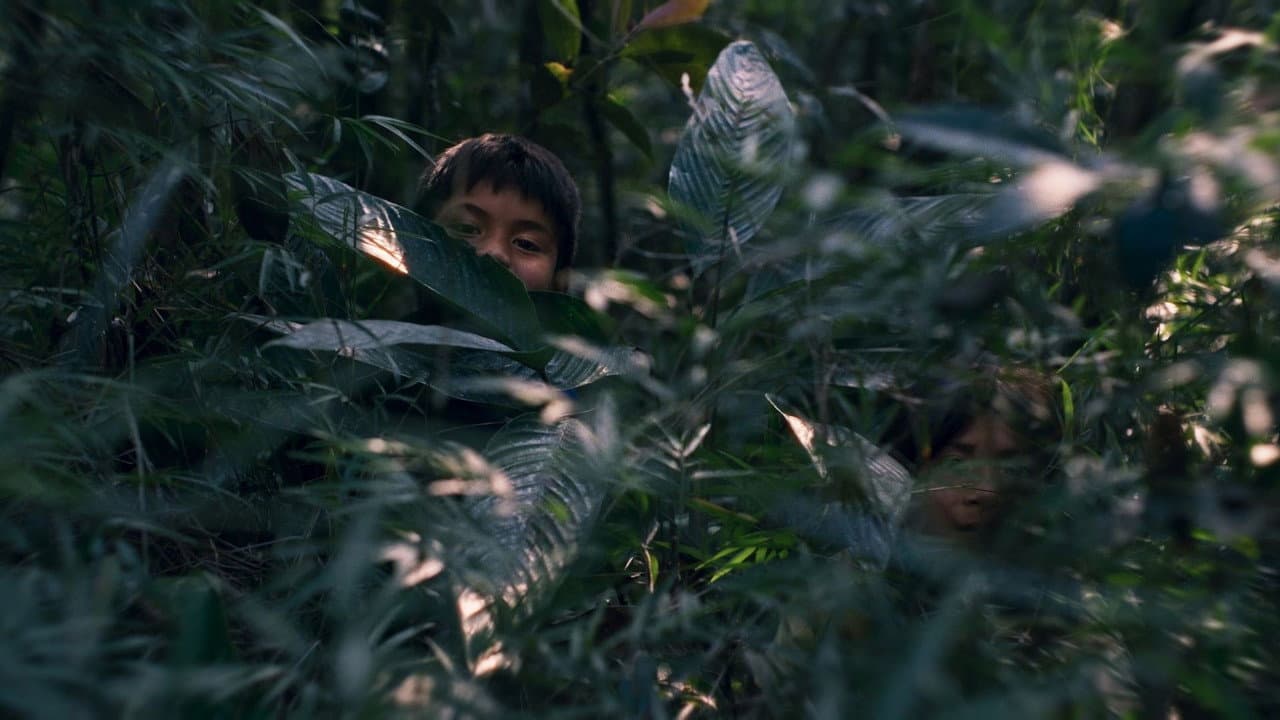
The ensemble includes Jera Rete, Kerexu Rete Yvoty, Ara Rete, Yva Rete, and Werá Mirim, a group whose shared surnames suggest a film built from within a single extended community rather than assembled around professional actors. That casting choice aligns with the project's stated intention of telling its story through an Indigenous lens, with the director working in close proximity to the people whose lives and territory the film depicts.
The documentary strand of the film appears to ground its fantasy elements in a specific geography: the outskirts of South America's largest city, where an active rail corridor passes through land that was inhabited long before the metropolis grew around it. The fantasy strand supplies the film's more mythic register, allowing an animal to move between dimensions and a river to persist in memory after it has been buried under concrete and asphalt.
A Short, Dense Runtime
At 75 minutes, "Arrow for a Stone Heart" is notably compact for a film juggling three genres and two intertwined narrative threads. That brevity may be part of its design - a poetic experience, as the film's framing suggests, rather than an exhaustive historical account. The combination of documentary observation, dream logic, and remembered history gives Calagian room to move quickly between registers, and the short runtime keeps the film from settling into any one of them for too long.
Audiences encountering the film cold should expect something closer to an essay or a tone poem than a conventional narrative feature. The presence of a named animal character capable of dimensional travel signals that the film does not treat realism as its only obligation, while the documentary label signals that the real territory and its residents remain the film's anchor.
A First Look at the Reception Picture
As of today, the film carries a TMDb rating of 0 out of 10, a figure that reflects the absence of audience ratings rather than any verdict on its quality. With the release still two days away and no verified reviews circulating, "Arrow for a Stone Heart" remains essentially unseen by the wider public. That will change quickly once it opens on November 17, and the early audience response will be worth watching given how difficult the film is to categorize.
For Hollywood Buzz readers, the film represents a rare theatrical offering in a season dominated by franchise sequels and prestige dramas: a small, formally adventurous work from a director willing to let dreams, animals, and buried rivers share the same frame. Whether it finds an audience beyond the festival and art-house circuit is an open question, but its blend of forms gives it a distinct identity heading into release.
"Arrow for a Stone Heart" opens November 17, 2026.
Source: Hollywood Reporter