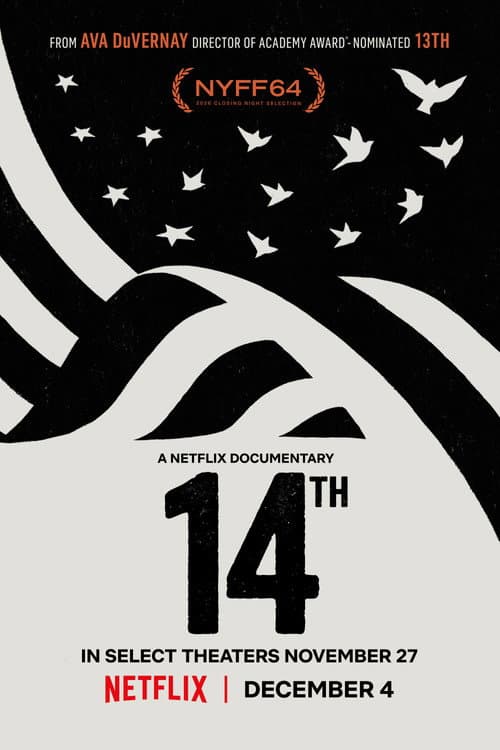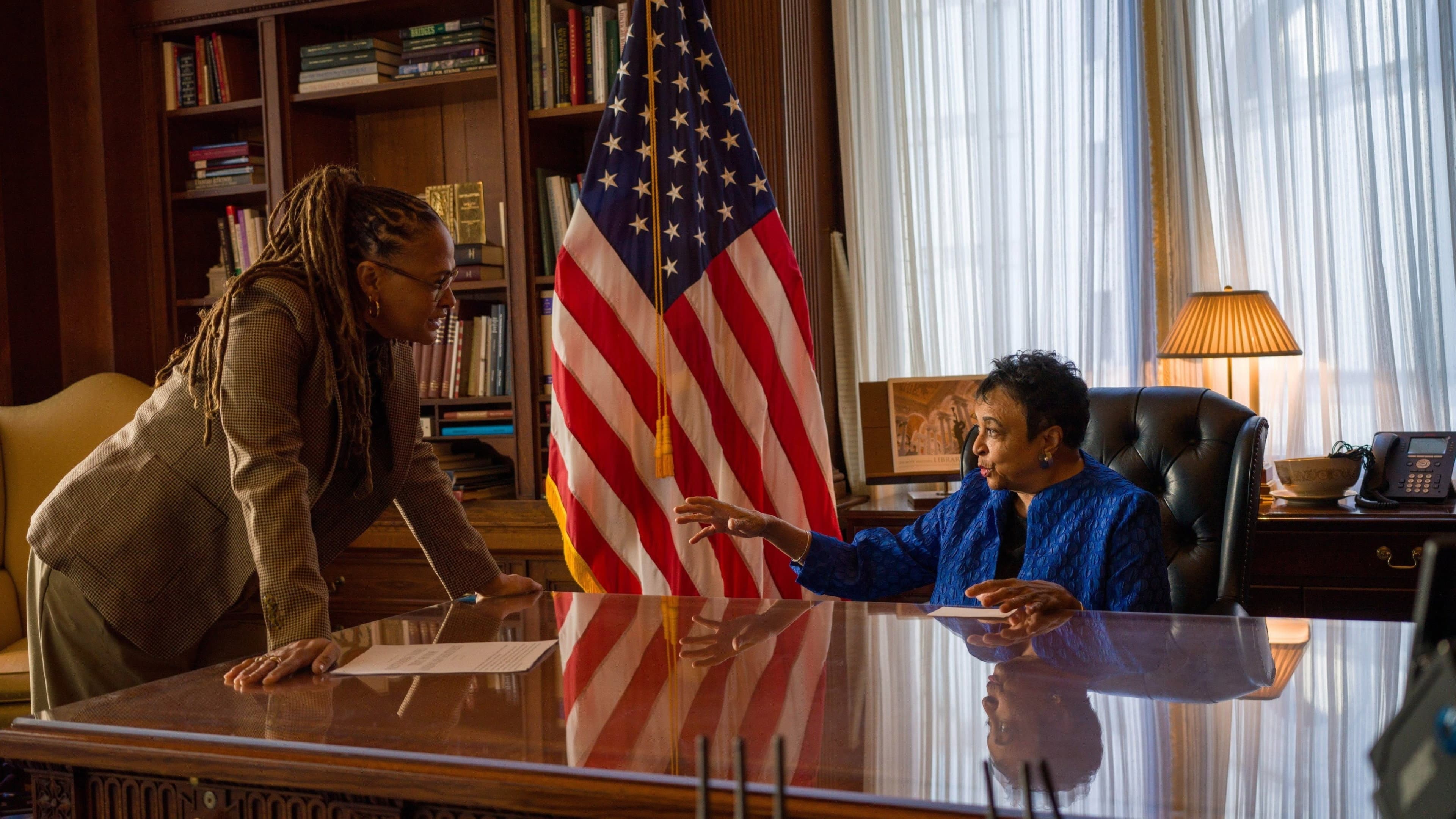
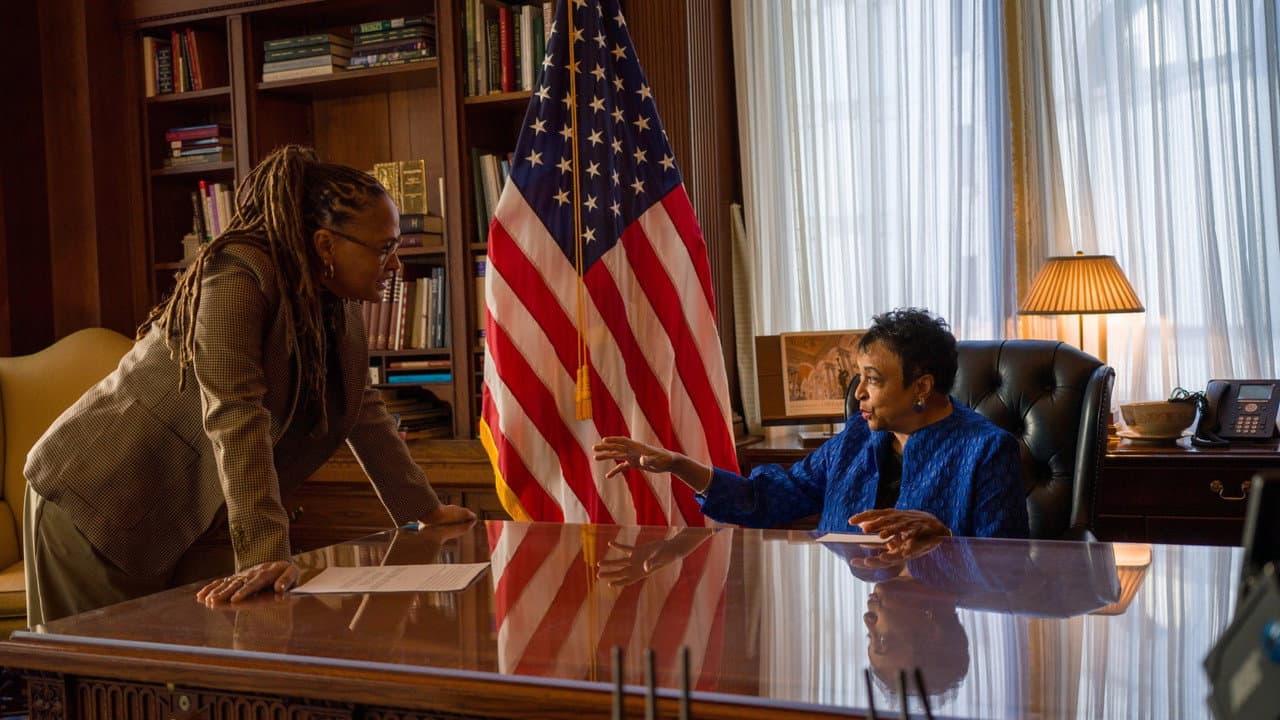
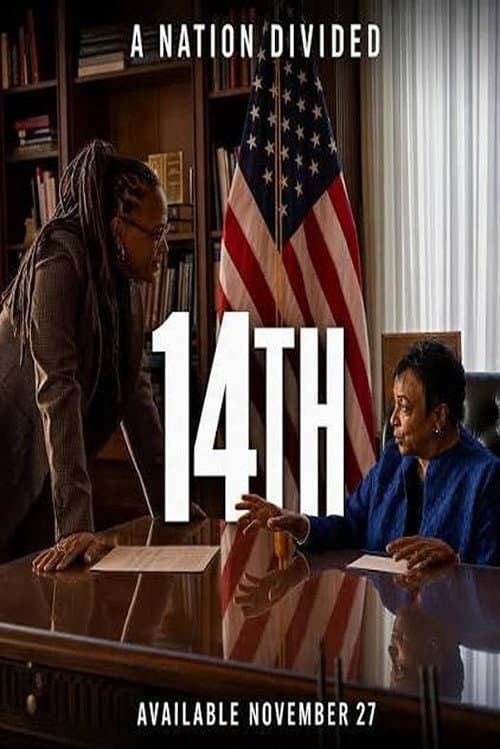
Ava DuVernay is pushing back against criticism of her decision to employ artificial intelligence tools in the making of her upcoming documentary "14th," arguing that the technology served the film's archival storytelling rather than replacing the people who made it. The director's defense comes roughly a month before the film's November 27 release, as debate over AI's role in Hollywood continues to sharpen.
"14th" examines the equal protection and citizenship guarantees of the 14th Amendment, ratified in 1868 during the upheaval of Reconstruction and contested in American political life ever since. The documentary runs 100 minutes and is classified under the Documentary and History genres in English.
DuVernay's remarks place her at the center of an industry-wide argument over how AI should be used in production. The director framed the tools as a way to restore and organize historical material at a scale that would otherwise be impossible on a documentary budget, while stressing that the film's reporting, interviews and editorial judgments remained entirely human. She characterized objections to any AI use as an overcorrection that ignores practical constraints facing nonfiction filmmakers.
The ensemble assembled for "14th" spans law, politics, activism and history. Sherrilyn Ifill appears as herself, alongside activist Stacey Abrams, U.S. Representative Alexandria Ocasio-Cortez, former U.S. Senator Jeff Flake, cultural critic Hasan Piker, U.S. Senator Alex Padilla, U.S. Representative Anna Paulina Luna and historian David Blight. The roster deliberately crosses ideological lines, a casting approach consistent with a film about a constitutional provision that has been invoked in debates ranging from civil rights to birthright citizenship.
A Constitutional Amendment as a Through-Line
The 14th Amendment's history gives the documentary an unusually long arc to cover in 100 minutes. Ratified three years after the Civil War ended, it established citizenship rights and equal protection under law, and it has since been cited in some of the most consequential legal battles in the nation's history. DuVernay's film traces that record from Reconstruction through to present-day disputes.
The director has described the amendment as a living text whose meaning has been fought over in every era, including the current one. The film's release arrives amid renewed political attention to citizenship questions and the scope of equal protection, themes the documentary treats as continuous rather than episodic. Its interviewees are positioned to speak to those questions from markedly different vantage points.
The AI Debate Arrives at the Documentary
The controversy over AI in "14th" reflects a broader reckoning inside the entertainment industry. Studios and filmmakers have increasingly experimented with machine learning tools for tasks such as archival restoration, transcription and visual effects, while unions and artists have pressed for guardrails on how the technology is applied and credited.
DuVernay's position is that documentaries, which often rely on imperfect historical footage and limited resources, stand to benefit from these tools more than narrative features do. She has argued that the ethical line lies in disclosure and in preserving human authorship of the film's point of view - not in rejecting the technology outright. Critics of AI use in filmmaking have countered that any adoption normalizes practices they believe will erode employment and creative control, an argument that has followed the project since word of its production methods surfaced.
A Release in a Crowded Conversation
"14th" lands on November 27, 2026, at a moment when both the amendment itself and the tools DuVernay used to explore it are subjects of active public argument. The film's TMDb rating currently sits at 0/10, reflecting an absence of audience ratings rather than any verdict on the finished work, which has yet to reach theaters.
For DuVernay, the documentary continues a career built on turning historical and legal material into accessible cinema. Whether audiences accept her AI rationale may depend less on the film's technical choices than on whether "14th" delivers the rigorous, human-centered account of the amendment she has promised. The director appears prepared to make that case in public, one interview at a time, until the film opens.
Source: Hollywood Reporter