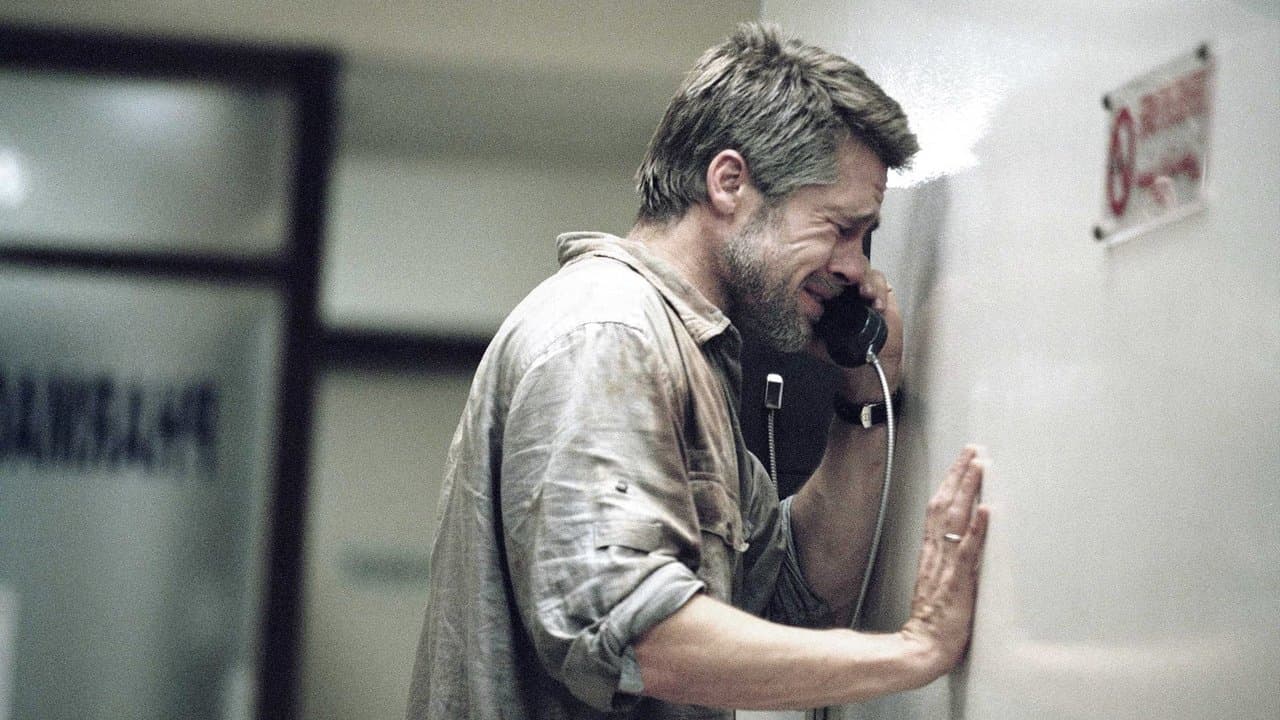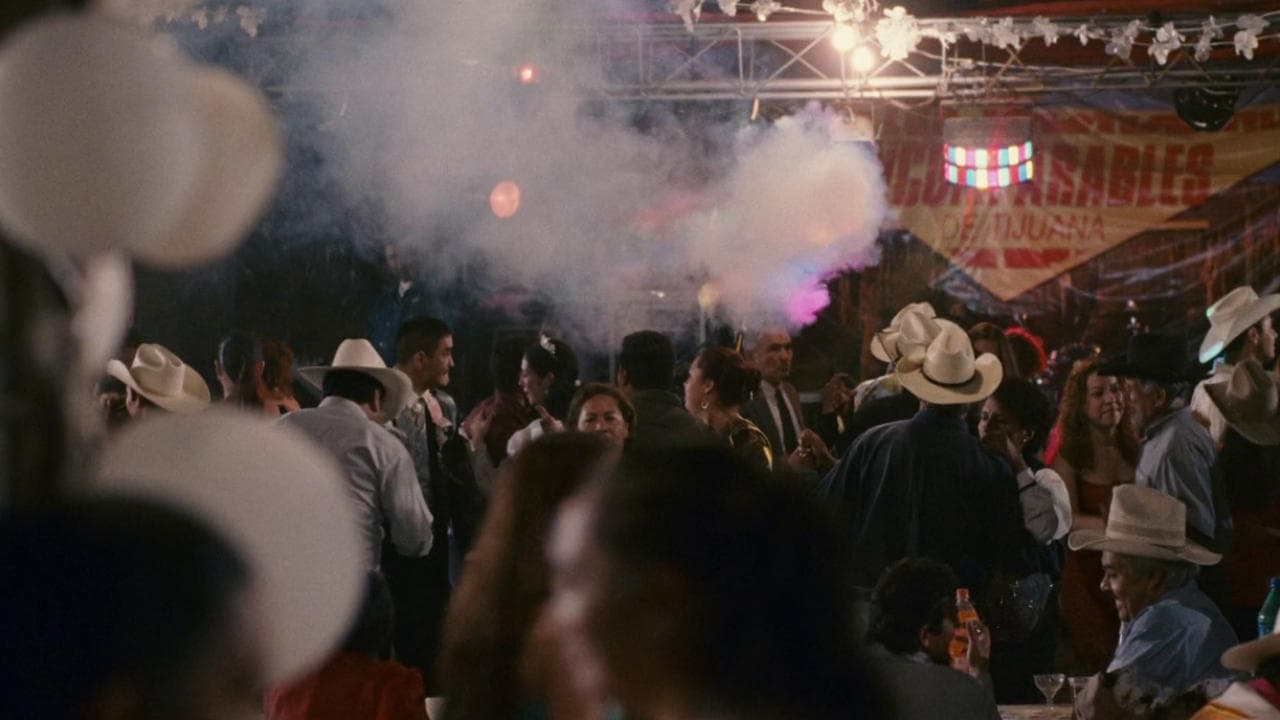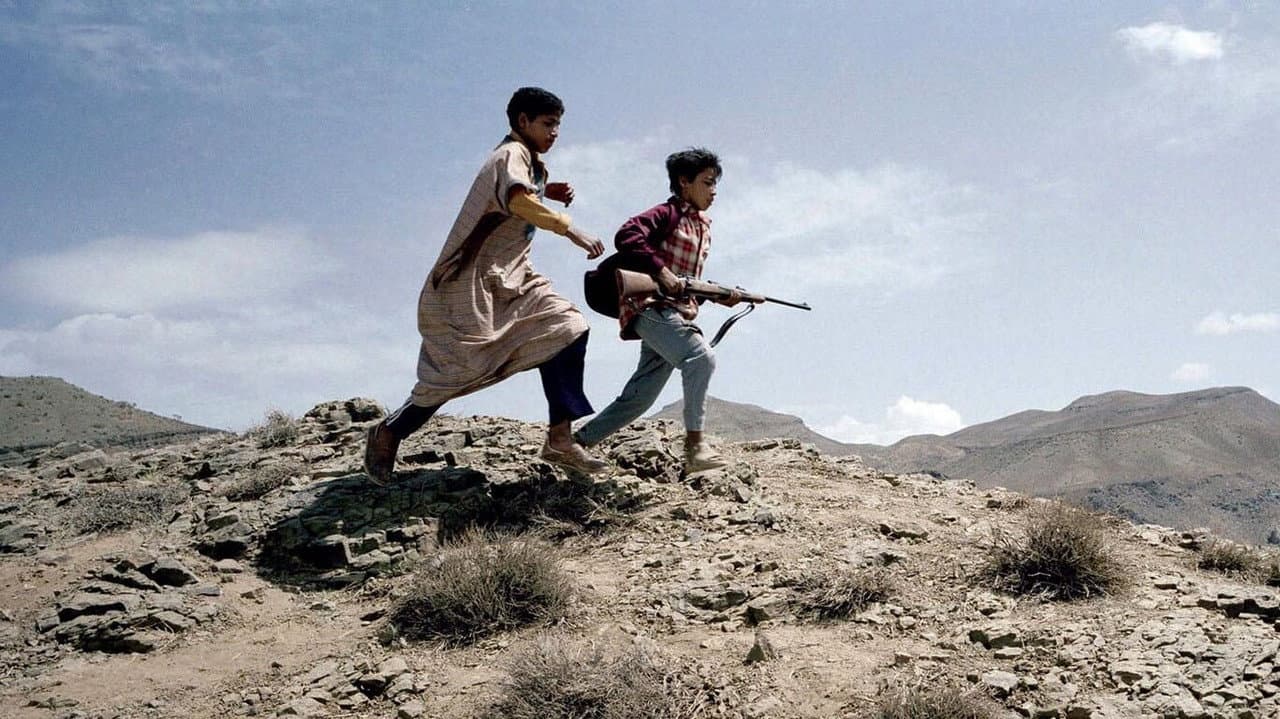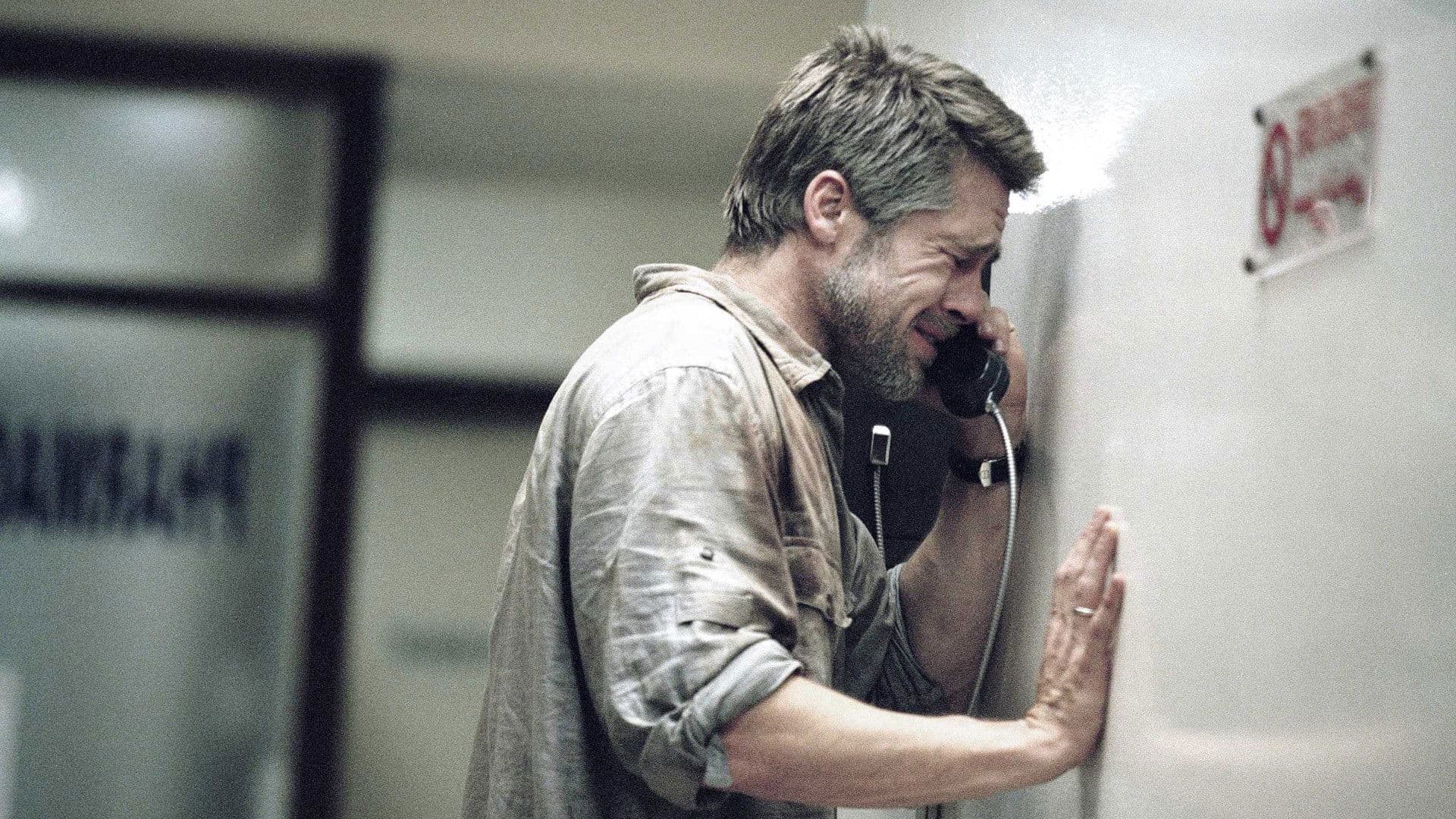
Alejandro G. Iñárritu's "Babel" arrived in American theaters on October 26, 2006, a sprawling drama whose title alone told audiences to expect misunderstanding. The film, which runs 143 minutes, follows a married couple whose vacation in the Moroccan desert is shattered by a sudden act of violence, setting off a chain of events that pulls in four families across three continents. Brad Pitt and Cate Blanchett play Richard and Susan Jones, the American couple at the center of the opening catastrophe. What follows is less a single narrative than a set of interlocking stories, each one touching the others in ways the characters themselves rarely grasp. The Hollywood Reporter's review from that week captured a film that was ambitious, unwieldy, and impossible to shake.
A Story Built on Collision
The premise is deceptively simple. A tragedy in the Moroccan desert becomes the trigger for a much larger story involving four separate families. Iñárritu, working from a script by Guillermo Arriaga, constructs the film as a set of parallel threads that gradually reveal their connections. The result is a drama that asks viewers to hold several stories in their heads at once, and to accept that the links between them are often accidental rather than fated. The film's English-language production was mounted within the Hollywood studio system, but its settings and cast stretch well beyond it. Alongside Pitt and Blanchett, the ensemble includes Adriana Barraza as Amelia, Gael García Bernal as Santiago, Rinko Kikuchi as Chieko, Satoshi Nikaido as Kenji Mamiya, Said Tarchani as Ahmed, and Boubker Ait El Caid as Yussef. Each performer anchors a distinct corner of the story, and the film's emotional weight shifts depending on which thread is on screen.
Performances That Carry the Weight
The cast is the film's most reliable asset, and the review singled out several turns for praise. Barraza's Amelia and Kikuchi's Chieko, in particular, give the film two of its most emotionally exposed passages, each rooted in a character whose circumstances are far removed from the American couple's ordeal. Pitt and Blanchett bring star presence to the Moroccan thread, but the film's structure deliberately denies any single performance the status of a lead. That diffusion of focus is both the project's great strength and its central risk. When the stories connect, the effect is powerful. When they drift apart, the film can feel like several movies competing for the same running time.
Iñárritu's Method and Its Costs
Iñárritu's direction favors intimacy under pressure: close framing, restless editing, and a refusal to let any single moment settle. That approach suits the material, which is preoccupied with the gap between what people intend and what they cause. The film's title points directly at that theme, and the director pursues it across languages, borders, and generations. Still, the review noted that the film's reach sometimes exceeds its grasp. The interlocking structure, so carefully engineered, can call attention to itself, and certain transitions between storylines land more smoothly than others. At 143 minutes, "Babel" asks a great deal of its audience, and it does not always repay that patience evenly. Yet the cumulative effect is difficult to dismiss, and the film's best sequences linger long after the credits.
A Reception That Matched Its Ambition
"Babel" opened to a reception that reflected its scale. The film has since settled at a 7.17 out of 10 rating on TMDb, a respectable figure for a drama this demanding. Its awards-season profile was significant, and the conversation around it centered on Iñárritu's growing reputation as a director willing to take structural risks. The review's verdict was that the film is a serious, sometimes frustrating achievement, one that earns its ambition through sheer emotional force even when its machinery shows. For viewers encountering it now, two decades after its release, "Babel" remains a document of a particular moment in Hollywood, when a director with a foreign-art-house pedigree could command A-list talent and a major studio release for a story that refused to simplify itself. Its pleasures are not passive ones, but its questions about communication and consequence have lost none of their urgency.
Source: Hollywood Reporter