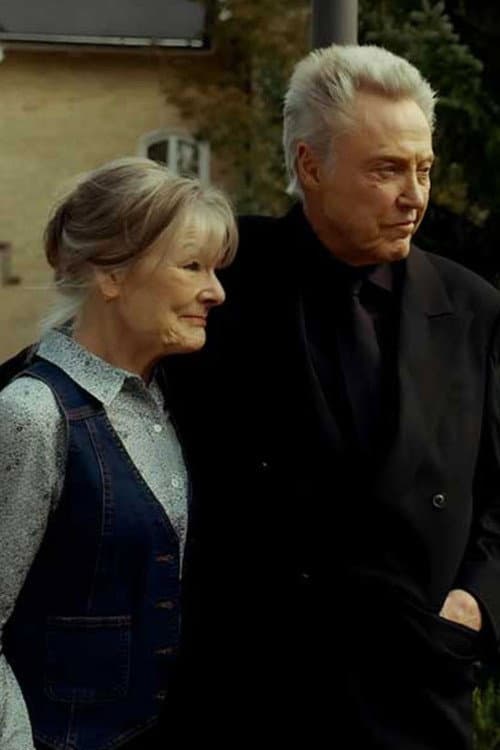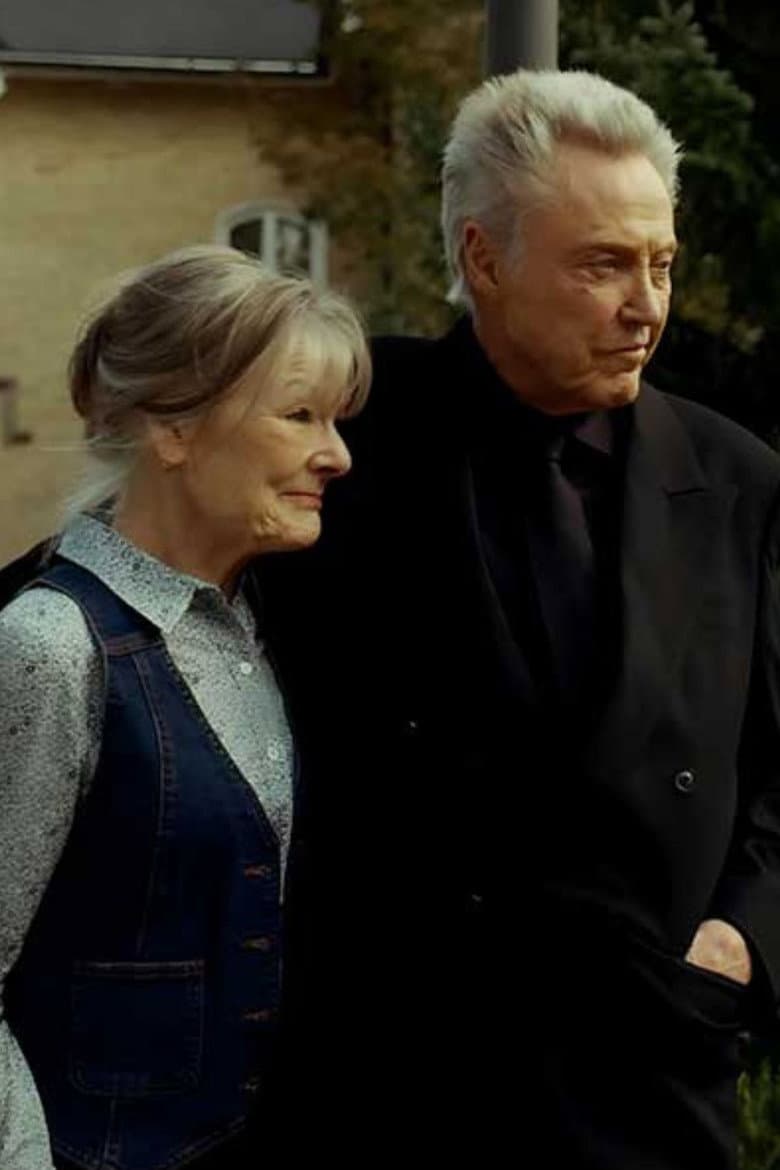
Ron Murphy wants you to root for a killer - and he's not apologizing for it. The director of Back in Black, opening in theaters today, describes his latest leading man as someone who commits terrible acts for unexpectedly noble reasons, and he credits Christopher Walken with finding the humanity buried inside a very dark premise.
"Audiences will find themselves sympathetic to a man who does bad things for the right reasons," Murphy said of the film, which lands in theaters on September 13, 2026, under the Hollywood banner. It's a delicate tonal tightrope: a comedy-thriller that asks viewers to laugh, squirm, and ultimately care about a protagonist whose choices might not survive a moral audit. Murphy's bet is that Walken's particular blend of menace and charm makes that contradiction not just palatable but irresistible.
A Morgue in Trouble, a Town That Won't Cooperate
The film unfolds in a small town fixated on wellness, a place where - according to the official synopsis - nobody dies anymore. That sounds like good news until you meet Clyde, a mortician played by Walken, whose business is collapsing under the weight of its own irrelevance. Facing bankruptcy, Clyde seems destined to become a footnote in the town's relentlessly sunny story.
Enter Sam, his granddaughter, played by Ella Ballentine. Rather than accept defeat, Sam cooks up an unconventional scheme to rescue the family funeral home. The details of that plan are being kept under wraps, but the title and genre tags suggest the solution involves bodies, bad decisions, and a body count that the town's wellness-industrial complex is not prepared to process. Clyde, in other words, is not a villain in the traditional sense. He's a small-business owner with a cash-flow problem, and the film's title makes clear exactly which direction his fortunes are headed.
Murphy frames the role as a study in desperation rather than malice. Clyde isn't targeting the innocent - he's responding to a world that has made his life's work obsolete. In a culture that treats every inconvenience as a problem to be optimized away, the film's premise lands as both absurd and quietly pointed. The town has solved death; the mortician has to un-solve it.
A Cast Built to Balance Laughter and Dread
Walken leads an ensemble stacked with performers who can pivot between comedy and unease on a dime. Jane Curtin joins the cast, along with Deborah Grover as Ingrid, Tony Nappo as Sheriff Wiley, Stuart Hughes as Dale, Watson Rose as Charlotte, and Cooper Levy as Ricardo. Ballentine's Sam is positioned as the engine of the plot - the granddaughter whose loyalty to her grandfather and to the family trade pushes the story into its queasier territory.
That mix of seasoned comic talent and younger energy gives Murphy room to modulate the film's tone. A 92-minute runtime suggests a tight, punchy ride rather than a sprawling meditation on mortality, and the comedy label signals that the movie is more interested in mining laughs from discomfort than in delivering straight horror. Clyde's victims - and the audience's sympathies - are meant to be complicated.
Murphy has spoken about the role as a showcase for Walken's ability to play dangerous men who still command affection. It's a lane the actor has occupied for decades, but the director suggests this script pushes the dynamic further, asking viewers to actively hope the bad guy gets away with it. Whether audiences comply is the film's central gamble, and it's a bolder one than the breezy premise initially implies.
A Wellness Satire With a Body in the Freezer
Underneath the genre mechanics, Back in Black functions as a wry commentary on a small-town obsession with health, longevity, and self-improvement. The central joke - a community so devoted to wellness that death itself becomes a social faux pas - doubles as a jab at the modern tendency to treat mortality as a personal failing rather than an inevitability. Clyde's business dies not because people stop needing funerals, but because they stop having them.
The film also gives Walken one of his more unusual leading roles in recent years: a man defined less by violence than by economic anxiety. His granddaughter's intervention transforms him from passive victim of the market into active participant in a scheme that could destroy what's left of the town's carefully maintained peace. The plot's engine is family loyalty, not bloodlust - or at least that's the line the film is selling.
Today's release puts the movie directly in front of audiences with little advance rating data to guide them. The film arrives without a crowd-sourced score to set expectations, which means word of mouth will do the heavy lifting. For a 92-minute comedy-thriller with a name like Walken's at the top of the call sheet, that's not necessarily a disadvantage. The premise is the pitch, and the title says the rest.
Murphy, for his part, isn't hedging. He's confident that viewers will walk out understanding Clyde, even if they wouldn't want him living next door. "Bad things for the right reasons" is the film's thesis, delivered by a director who knows exactly how uncomfortable it is supposed to feel. Back in Black is in theaters now.
Source: Hollywood Reporter