Bassam Tariq is opening up about the lessons he carried away from Marvel Studios' abandoned "Blade" reboot, and his takeaway is blunt: life is too short to spend it on bad movies. The filmmaker, who was attached to direct the project before stepping away in 2022, reflected on the experience in a new interview, framing the stalled production as a formative detour rather than a career setback. For a director whose previous features sit firmly in the arthouse and documentary space, the comic-book blockbuster detour apparently clarified exactly what kind of work he wants his name attached to going forward.
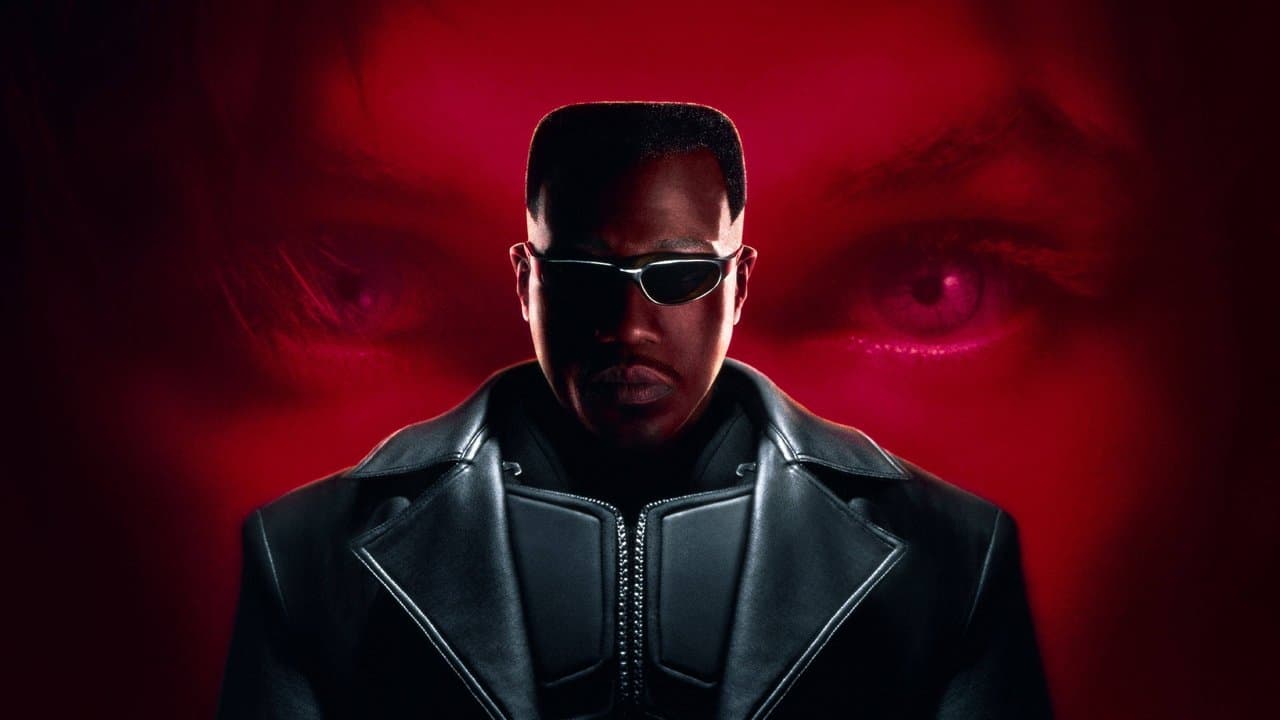
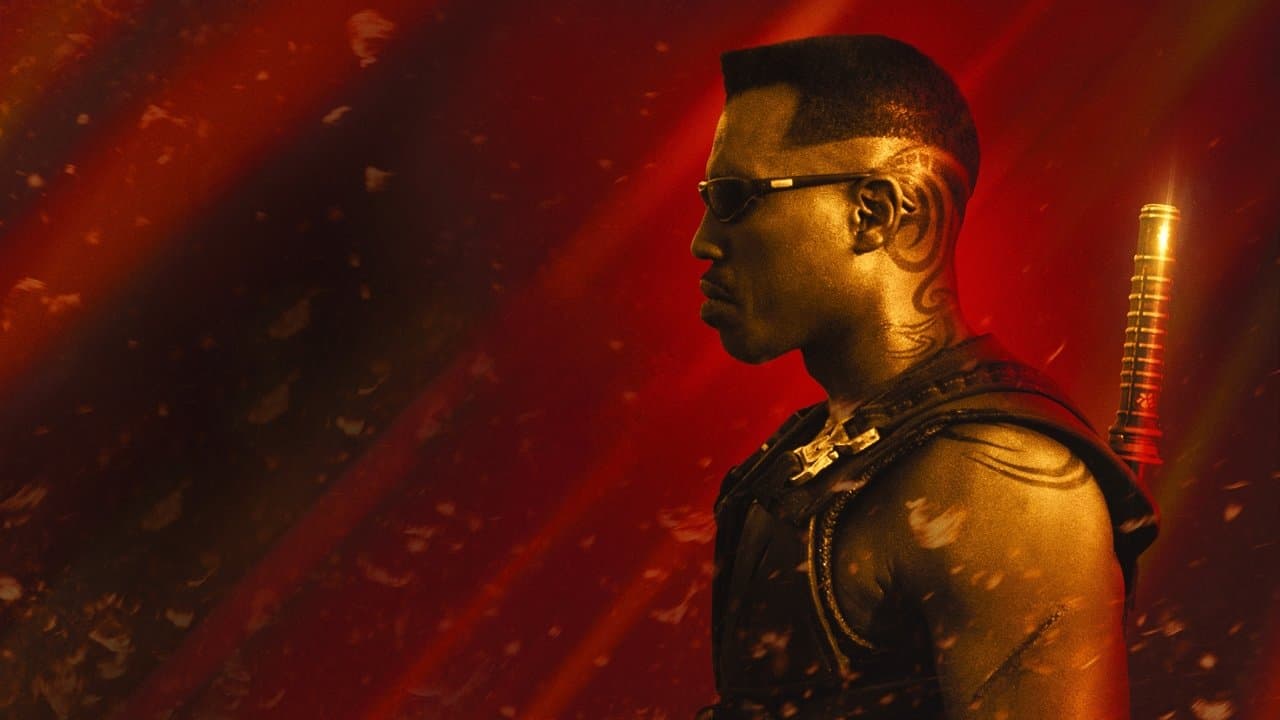
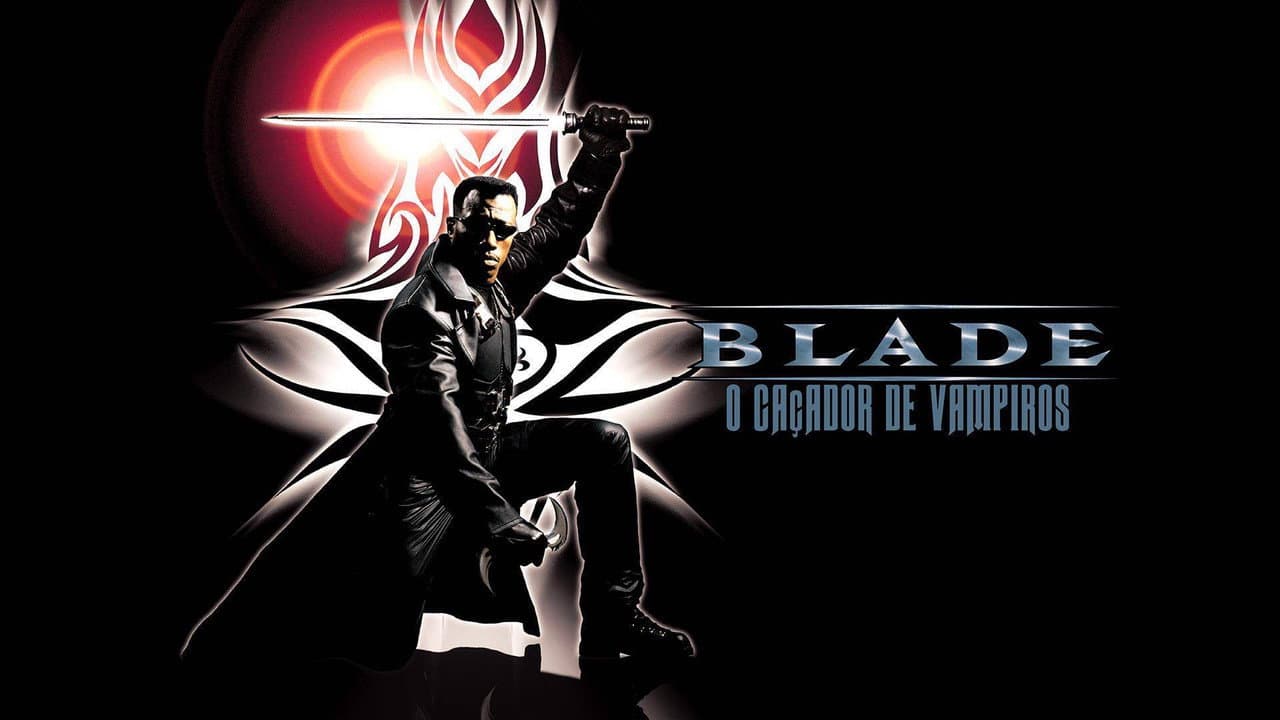
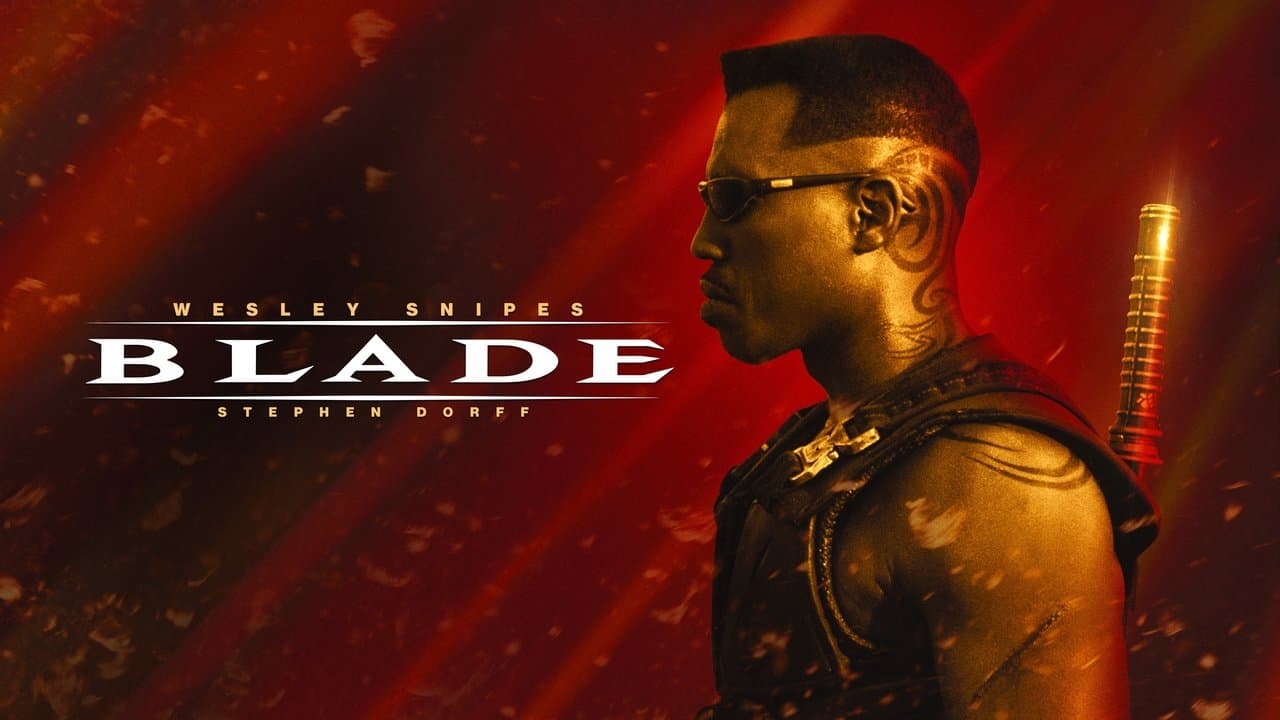
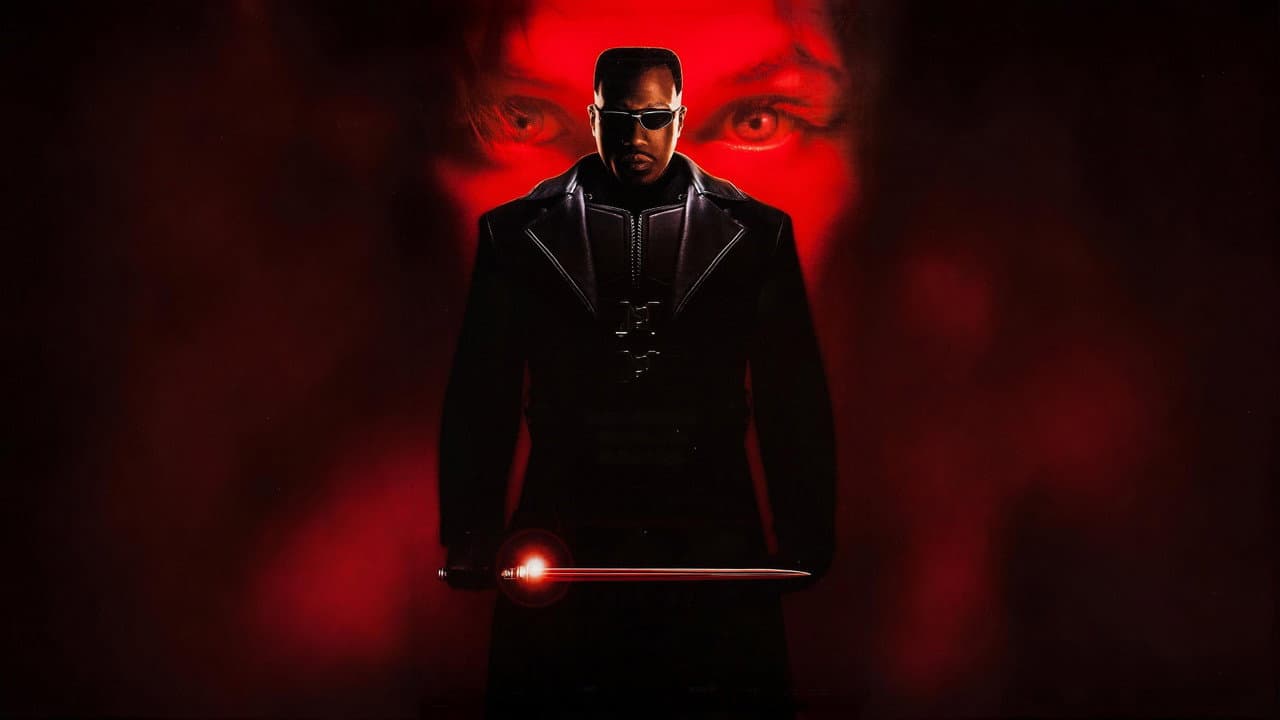
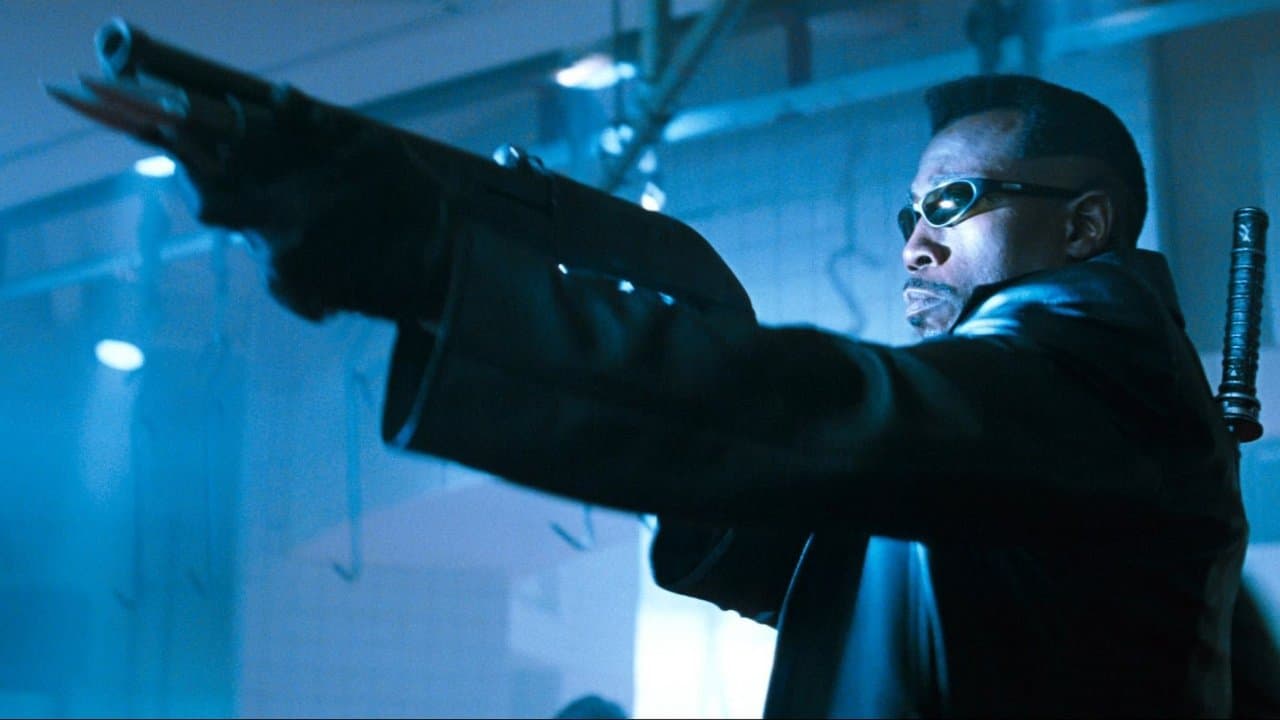
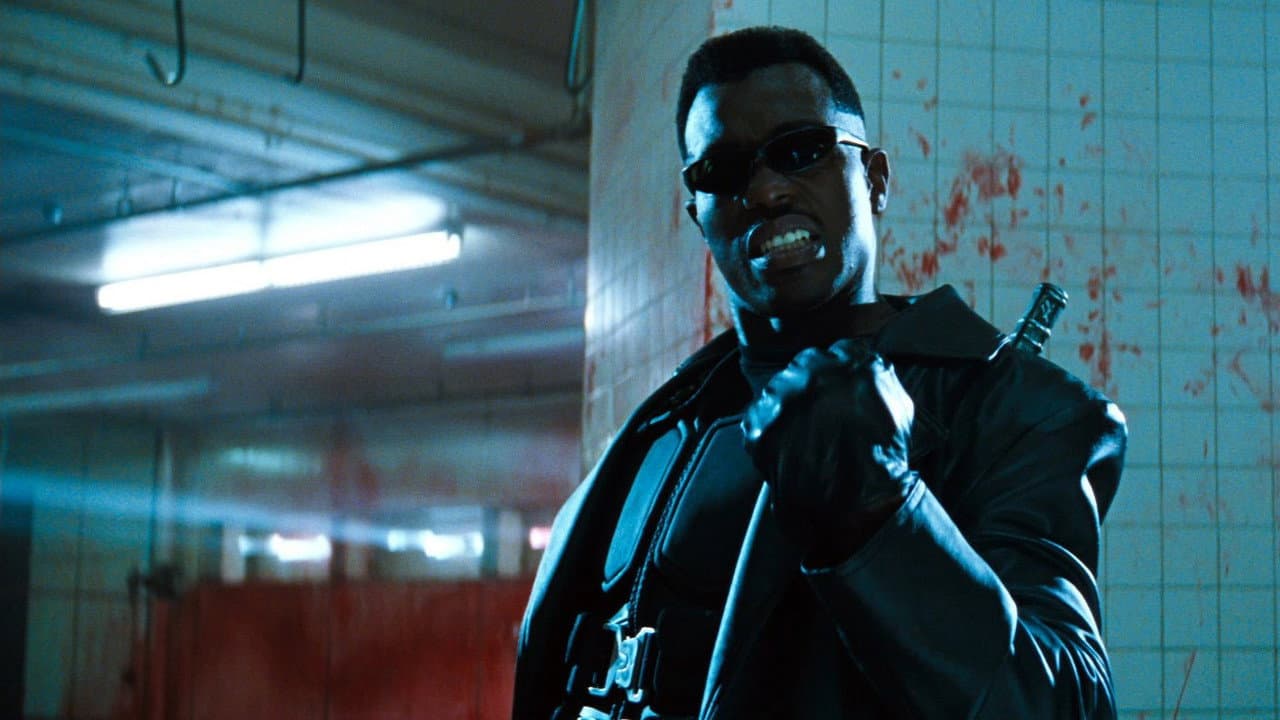
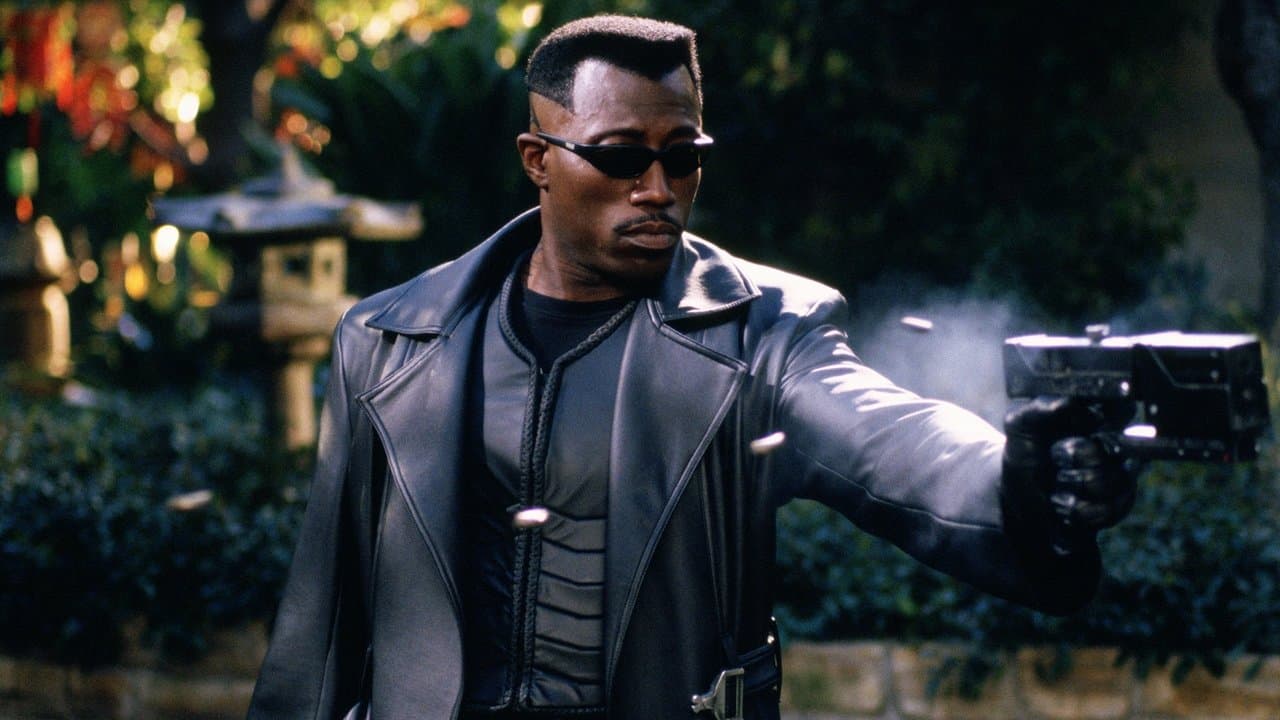
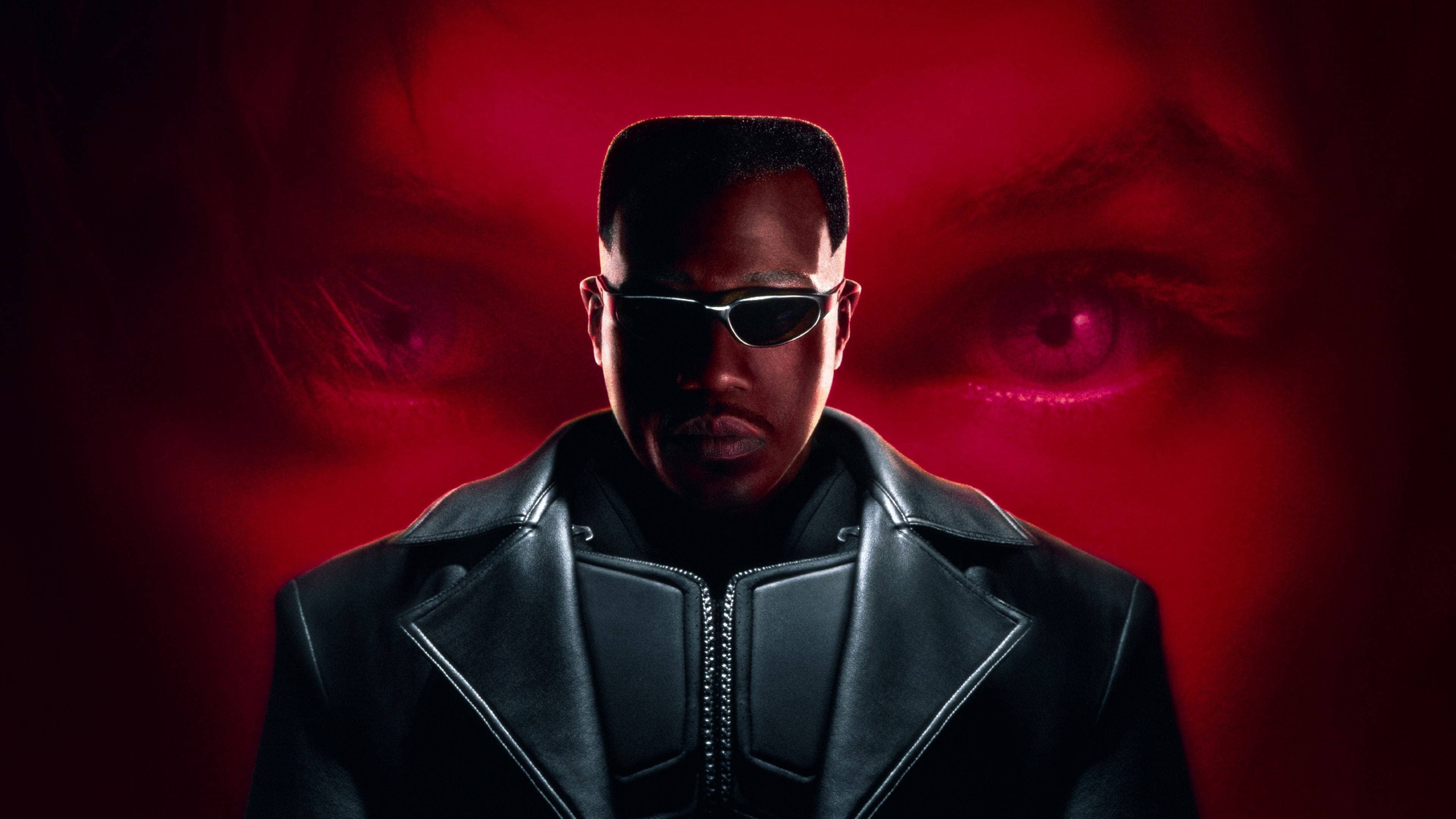
Tariq's remarks land at an interesting moment for the character. Nearly three decades after Wesley Snipes first brought the half-vampire vigilante to the big screen, Blade remains a beloved property with a complicated cinematic future. The original 1998 film, directed by Stephen Norrington, arrived as a pulpy, R-rated fusion of horror and action and went on to become a cult touchstone; its central premise follows a half-vampire, half-mortal man who becomes the protector of humanity against an underground army of vampires. Snipes anchored the film alongside N'Bushe Wright, Stephen Dorff, and Kris Kristofferson, and the movie still commands strong audience affection, holding a 7.1 rating on IMDb and a 6.859 out of 10 on TMDb. That legacy is precisely what made the prospect of a Marvel Studios revival so tantalizing - and so pressured.
A Project That Never Found the Light
Tariq's involvement in the reboot was announced with fanfare, positioning the filmmaker as an unexpected but intriguing choice to reinvent a superhero-horror hybrid. The project cycled through development turbulence, and Tariq ultimately departed, leaving the studio to reconsider its approach. Two-time Oscar winner Mahershala Ali had been set to star as the Daywalker, a piece of casting that kept anticipation high even as the production struggled to coalesce. The reboot's troubles have since become something of a cautionary tale in industry circles about the difficulty of reviving a property that already has a definitive big-screen incarnation.
In his remarks, Tariq did not dwell on the specifics of what went wrong, nor did he assign blame. Instead, he treated the experience as a filter - a way of sharpening his sense of what a career worth having actually looks like. The sentiment is an unusually candid one from a director who has worked inside the studio system, where public reflection on unmade projects tends to be carefully sanitized. His phrasing suggests the grind of development, the pressure of franchise expectations, and the prospect of a film that might not cohere were all factors pushing him back toward material he can fully stand behind.
What the Original Still Gets Right
The enduring appeal of the 1998 "Blade" rests on more than nostalgia. Norrington's film was lean, atmospheric, and confident enough to embrace the grotesque; supporting turns from Donal Logue, Udo Kier, Arly Jover, and Traci Lords helped build a grimy underworld that felt lived-in. At 121 minutes, it moved with purpose and treated its horror roots as a feature rather than an embarrassment. That tonal clarity is part of why the character has proven so hard to reboot: audiences remember a movie with a distinct personality, and a modern reimagining has to justify itself against that memory.
For Tariq, the comparison cuts both ways. The closer a filmmaker gets to a beloved property, the more visible the gap becomes between a story worth telling and a product assembled by committee. His conclusion - that a short life shouldn't be spent making films he doesn't believe in - reads as both a personal reset and a quiet critique of how big-budget development can sand down the edges that make a project compelling in the first place.
What Comes Next
Neither Marvel Studios nor Tariq's representatives offered additional comment on the status of the "Blade" reboot, and the character's future on screen remains unsettled. What is clear is that Tariq is moving forward with a sharper sense of purpose, and his remarks have struck a chord with fans who have watched the reboot flounder without a clear creative direction. Whether the studio eventually delivers a Blade film worthy of Snipes' shadow or chooses to let the Daywalker rest is an open question. For now, the most quotable dispatch from the whole saga has come from the director who walked away - and who seems entirely at peace with it.
Source: Hollywood Reporter