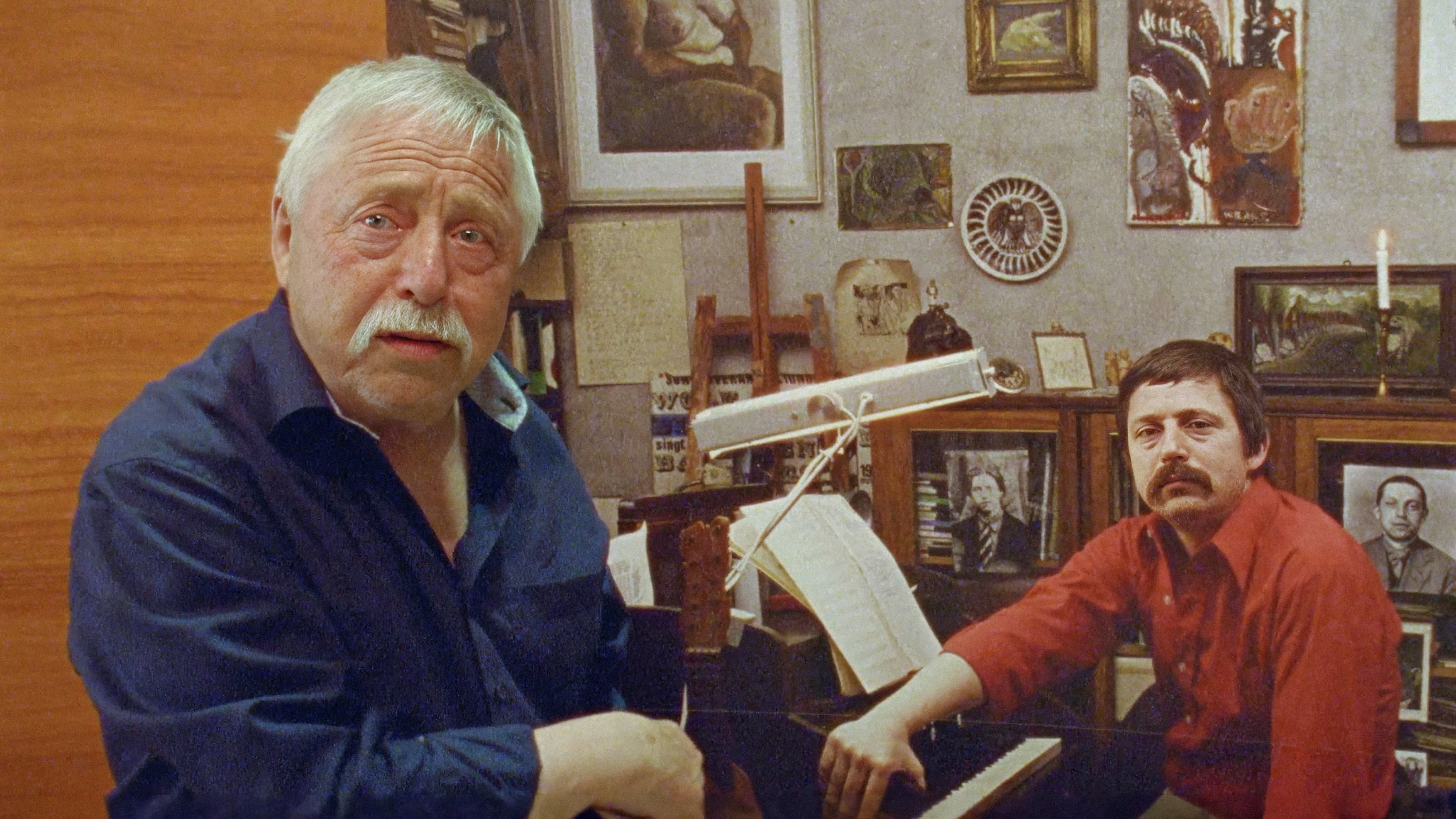
The director of "Biermann," a new documentary about the German singer-songwriter Wolf Biermann, says the film is not a historical curiosity but a warning aimed squarely at the present. Speaking ahead of the documentary's wider release, the filmmaker argued that Biermann's long career as a dissident - first against East Germany's Communist government, later as a thorn in the side of the reunified country's establishment - offers a template for thinking about artistic freedom that resonates in the era of Donald Trump.
"He sang against a state that thought it owned him," the director said, describing Biermann's refusal to soften his lyrics or apologize for his politics. "That is the same fight artists are having now, just in different rooms. The question of who gets to speak, and who pays for it, has not gone away."
The documentary traces Biermann from his childhood as a committed socialist in the German Democratic Republic, through his rise as one of the country's most celebrated political songwriters, to his expulsion in 1976 - a move that turned him into a cause célèbre in the West and a symbol of the East's intolerance of dissent. The film leans on archival performance footage and interviews to show how his songs circulated as contraband and how his refusal to leave on the state's terms became a rallying point across a divided Europe.
A career built on saying the unsayable
Biermann's story, as the film tells it, is one of repeated collisions between a musician and the authorities who failed to silence him. His lyrics combined satire, romanticism and sharp political critique, and his concerts became events where audiences heard things they were not supposed to hear. When the East German government stripped him of his citizenship and barred him from returning, the decision backfired: his exile became an embarrassment that fueled criticism of the regime for years.
The director said that part of the challenge of making "Biermann" was resisting the temptation to treat him as a saint. The film includes moments where Biermann's intransigence alienated allies and where his views provoked discomfort even among sympathizers. "He is not a comfortable hero," the director said. "He argues with everyone. That is exactly why the film matters - because he shows that dissent is not a personality trait, it is a practice."
That practice, the filmmaker added, included taking on the German left as well as the right, and refusing to let any camp claim him without argument. The documentary presents Biermann as a figure whose loyalty was to the song and the audience, not to a party line - a stance the director frames as increasingly rare.
Why the filmmaker sees a Trump-era lesson
The director was blunt about why "Biermann" is arriving now. "We live in a moment when politicians talk about the press as the enemy and artists are told to stay in their lane," the director said. "Biermann's life is a reminder that a song can outlast a regime's attempts to control it, and that the people who try to shut artists up usually end up looking small."
The film does not mention Trump directly, and the director said that was a deliberate choice. Instead, the documentary lets the parallels emerge from the material: the pattern of leaders demanding loyalty, the punishment of critics, and the way music can travel where official channels cannot. The director described the audience the film is trying to reach as people who may never have heard of Biermann but recognize the dynamics his career exposes.
"Biermann's songs were dangerous because they were specific," the director said. "They named names, they argued, they refused to be vague. That is the kind of writing that scares people in power in any country, in any decade."
The filmmaker also praised Biermann's willingness to be unpopular with his own audience, noting that the singer's critiques of the German left after reunification cost him some admirers. That willingness, the director argued, is what separates genuine political art from sloganeering.
The documentary arrives at a time when nonfiction films about artists and authoritarianism are finding receptive audiences, and the director hopes "Biermann" will travel beyond documentary devotees. The film's aim, the director said, is not nostalgia but provocation: to send viewers back out into their own political moment with a clearer sense of what it costs to keep speaking.
"Biermann" is now screening in select theaters, with more dates expected in the coming weeks.
Source: Hollywood Reporter