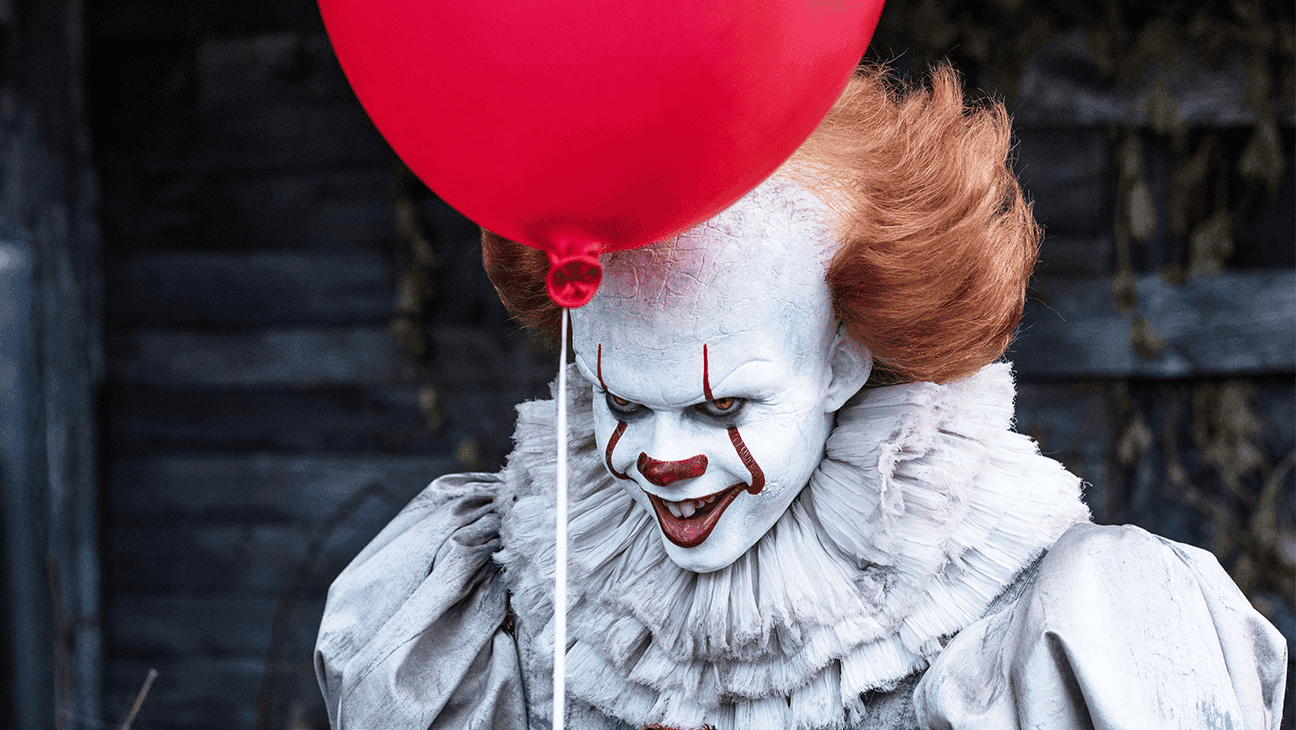
Bill Skarsgard has found an unusual parenting tool in the most alarming role of his career. The Swedish actor, who terrified audiences as Pennywise the Dancing Clown in the two-part adaptation of Stephen King's "It," recently joked that he sometimes slips into that same rasping, sing-song delivery when his children act up at home - a bit he summarized with the self-deprecating label "schizophrenic daddy."
Skarsgard's remark, which surfaced in entertainment coverage this week, is the kind of offhand confession that lands differently once you have seen the movies. In character, Pennywise lures children with a cheerful, drawn-out voice before turning predatory. Deployed in a living room, the same register becomes something closer to an absurd threat - one the actor clearly knows is ridiculous, and one he framed as a joke rather than a serious disciplinary method.
The anecdote fits a pattern for Skarsgard, who has spent years talking about the split between the monster on screen and the mild-mannered father off it. He has described the physical and vocal work that went into playing Pennywise as a craft exercise, complete with a dedicated voice and a layered makeup process, and he has generally treated the contrast between that performance and his home life as comic material. The "schizophrenic daddy" line is the latest entry in that running gag.
Why the Role Still Follows Him
Few modern horror performances have attached themselves to an actor as firmly as Skarsgard's Pennywise. The first "It" film, released in 2017, became a mainstream phenomenon and turned the role into a pop-culture reference point; its 2019 follow-up continued the story. For many viewers, the character's voice - high, playful, and deeply unsettling - is inseparable from Skarsgard himself, which is precisely why his joke lands. A father who can summon that sound on demand holds a strange kind of household power.
There is also a practical wrinkle. Skarsgard has young children, and the timeline of his fame means their earliest years overlapped with his most famous role. Being the face of a nightmare clown is one thing when your audience is anonymous moviegoers; it is something else entirely when your audience is small children who know exactly whose face is under the paint. The actor's humor about "schizophrenic daddy" is a way of acknowledging the absurdity without making a larger claim about his parenting.
Where the Line Between Character and Career Sits
Skarsgard has been careful to keep the clown in its box. He has spoken about the toll the role took on his voice during production and about the deliberate choices behind the performance, treating it as demanding work rather than a personality. In interviews he tends toward dry, deadpan humor, and the parenting anecdote reads in that register - a dry observation rather than a confessional. That matters for how the quote should be understood: it is a joke about the strangeness of his professional life bleeding into domestic ones, not a parenting philosophy.
The gag also reflects a broader reality for actors in horror franchises. A breakout monster role can define a performer for years, shaping how the public reads everything they do and making it hard to step out of the shadow. Some lean into it; others spend a decade working to be seen as anything else. Skarsgard has done plenty of both, moving through other films while never fully escaping the shadow of the dancing clown - which is why a light remark about his kids becomes a headline.
For now, "schizophrenic daddy" is a punchline, not a parenting manual. Skarsgard's children presumably learn quickly which parent voices to obey and which to ignore, and the rest of us can enjoy the image of a horror icon briefly turning his most famous weapon on a misbehaving toddler. It is a small, funny story, but it says something about how thoroughly Pennywise has stuck to the actor who brought him to life - at work, in interviews, and apparently at home.
Source: Hollywood Reporter