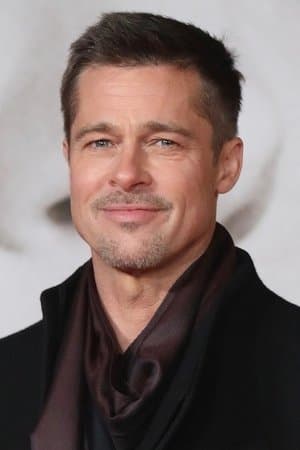
Brad Pitt believes independent film is enjoying a resurgence that echoes the creative boom of the 1990s. The actor and producer, who has spent a significant portion of his career backing smaller, director-driven projects through his production company, Plan B Entertainment, said the current crop of independent movies carries the same charge of invention and risk that defined the decade when filmmakers such as Quentin Tarantino, Steven Soderbergh and the Coen brothers broke through to mainstream audiences.
Speaking about the state of the business, Pitt described the mood among independent filmmakers as buoyant and compared it favorably to the era he first made his name in. He pointed to the volume of distinctive voices finding their way to screens - both in theaters and through streaming platforms - as evidence that the appetite for original, mid-budget storytelling has not disappeared. In his view, the pendulum that swung toward franchise-driven studio filmmaking over the past two decades is beginning to swing back.
"The indie space feels as strong as in the '90s," Pitt said, according to the account of his remarks. He went on to suggest that the constraints placed on independent productions often work in their favor, forcing directors and writers to solve problems creatively rather than rely on scale.
Pitt's own filmography offers a case study in that philosophy. From his early breakout roles in road movies and crime dramas to his later work in offbeat character pieces, he has repeatedly chosen material that sits outside the traditional studio tentpole. His company has been behind a string of acclaimed dramas and literary adaptations that might otherwise have struggled to secure financing, and Pitt has occasionally taken smaller paydays to get difficult projects made.
A producer's perspective
The actor's argument gains weight from his dual role as a producer. Plan B has become one of the more reliable homes for prestige independent cinema, and its track record suggests the market for serious, adult-oriented drama has not evaporated - it has simply migrated. Where the 1990s saw Miramax and a handful of specialty labels dominate the indie landscape, today a wider array of financiers, streamers and international partners share the burden of getting films made.
That fragmentation cuts both ways. On one hand, more buyers mean more opportunities for first-time directors and unconventional scripts. On the other, the collapse of the mid-budget studio movie and the shrinking of the theatrical window have made it harder for independent films to build the kind of word-of-mouth momentum that turned a small release into a cultural event in the '90s. Pitt's optimism runs against the more pessimistic readings of the current marketplace, which tend to emphasize rising production costs, risk-averse executives and the difficulty of luring audiences away from their living rooms.
Still, the comparison to the '90s is not baseless. The decade produced a wave of filmmakers who treated genre as a playground - crime, horror, western, coming-of-age - and who were given unusual latitude by studios eager to replicate unexpected hits. Something similar is happening now, as directors who cut their teeth on micro-budget features graduate to larger canvases without abandoning their signatures. Festivals remain the primary pipeline for that talent, and the deals struck there increasingly involve global buyers rather than a single domestic distributor.
What it means for the business
For Hollywood, the stakes are practical. Independent film has historically served as a talent incubator, a place where actors, writers and directors can take chances that major studios will not underwrite. If Pitt is right that the sector is heating up, that could translate into more opportunities for emerging filmmakers and more varied roles for established stars willing to work at a lower budget.
It also matters for audiences. A healthy independent ecosystem tends to produce the kind of movies that age well - the ones that find second lives on home video, at repertory screenings and in film schools. The '90s are remembered fondly less because of any single studio strategy than because so many strange, personal films somehow got made and seen. Whether the current moment produces a comparable legacy is an open question, but Pitt's assessment suggests the creative conditions are in place.
The actor's remarks arrive at a moment when the industry is still recalibrating after years of disruption. Theatrical attendance remains uneven, streaming economics are under scrutiny, and studios are leaning heavily on established properties. Against that backdrop, Pitt's claim reads less like nostalgia and more like a working thesis: that scarcity, competition and a restless audience can still add up to a vibrant independent scene, much as they did three decades ago.
Source: Hollywood Reporter