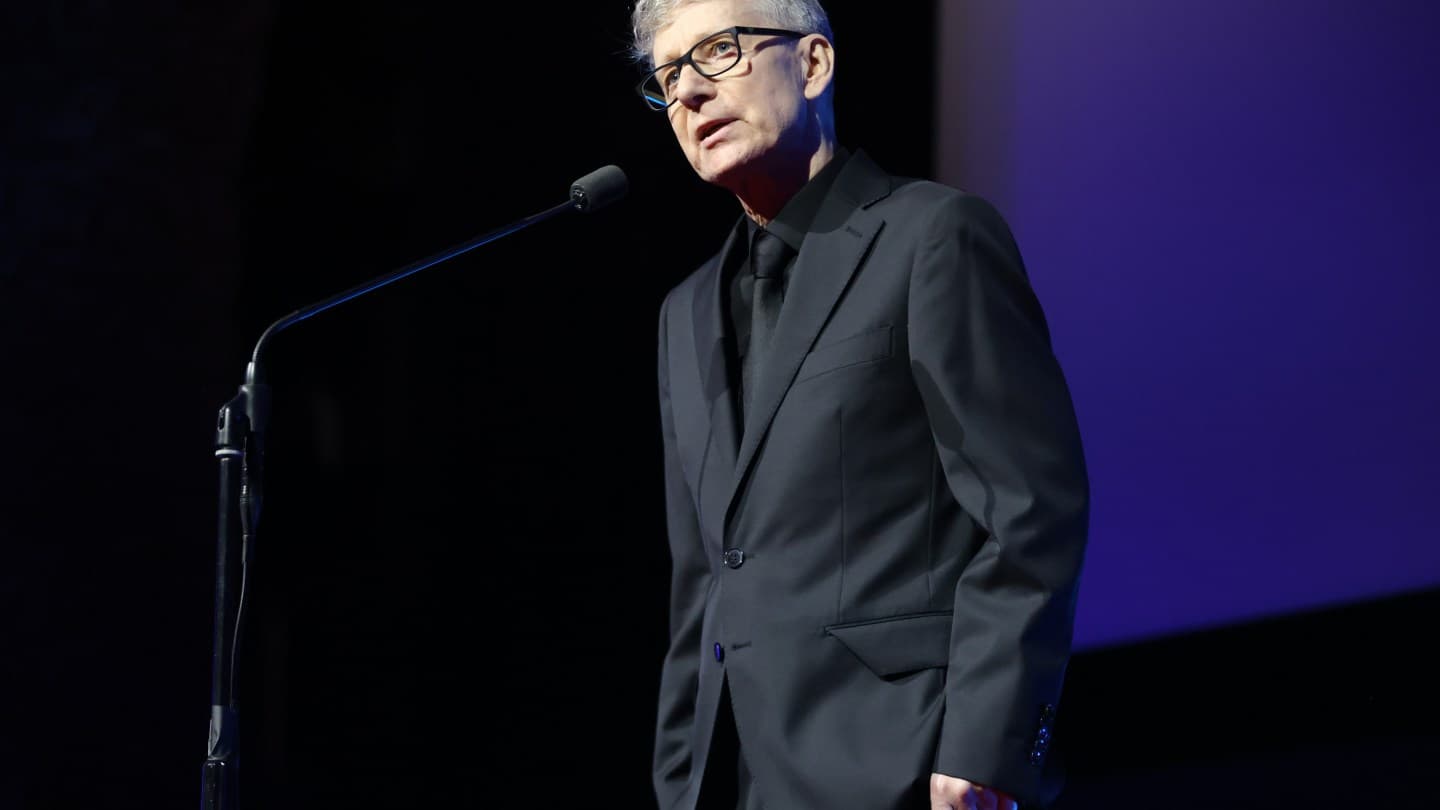
Marek Zydowicz, the founder of the EnergaCAMERIMAGE International Film Festival, used this year's edition to deliver a pointed defense of cinematography as a creative discipline rather than a technical trade, arguing that the craft is being squeezed by automation on one side and by auteur-driven production culture on the other. Speaking during the festival's annual gathering in Poland, Zydowicz framed the debate around two subjects that have dominated industry conversation over the past year: the rapid spread of artificial intelligence tools in production and postproduction, and the working methods of director Darren Aronofsky, whose recent projects have renewed questions about how much creative authority a cinematographer actually holds on set.
The festival founder's central message was blunt. Cinematographers, he said, are artists first and technicians second, and any conversation that reduces their role to operating equipment or executing a director's visual plan misunderstands what they bring to a film. Zydowicz has built CAMERIMAGE over more than three decades around that conviction, turning an event originally conceived as a modest showcase in Toruń into one of the most influential forums for the craft anywhere in the world. His remarks carried the weight of someone who has watched the profession evolve from the inside and who now sees its identity under pressure from several directions at once.
AI Enters the Frame
On artificial intelligence, Zydowicz did not dismiss the technology outright, but he warned against letting convenience redefine authorship. Tools that can generate images, suggest lighting setups or automate color work may speed up production, he suggested, yet speed is not the same as vision. The danger, as he framed it, is a slide toward treating the image as a product to be optimized rather than a creative decision to be made. His concern echoes a broader anxiety among below-the-line crafts, where AI is often discussed as a cost-saving measure rather than a collaborator, and where the people who light, frame and move the camera are rarely at the table when those decisions are made.
The festival has itself become a venue for that debate, hosting panels and screenings that place cinematographers in direct conversation with technologists. Zydowicz appears to want CAMERIMAGE to remain a place where the human eye is defended, not merely demonstrated. He has consistently treated the festival as a platform for advocacy as much as celebration, and his comments this year fit that pattern.
The Aronofsky Question
His reference to Aronofsky draws on a long-running conversation in cinematography circles about how the director works with his directors of photography. Aronofsky has collaborated with Matthew Libatique for decades, a partnership that has produced some of the most visually distinctive American films of the past twenty-five years. Yet the director is also known for tightly controlling the camera, employing techniques such as the "snorricam" and hip-mounted rigs that place the audience inside a character's perspective. For some observers, that approach raises a fair question: when a director is so precise about where the camera goes and how it moves, what space remains for the cinematographer's authorship?
Zydowicz's answer, as he presented it, is that such collaboration is not a diminishment of the cinematographer's role but a test of it. A director with strong visual instincts still depends on a director of photography to translate intention into light, lens and texture. The cinematographer's artistry shows in the solutions found under constraint, in the choices that never appear on a page. Framing the relationship as a contest between director and DP, he suggested, misses how the best partnerships actually function.
Why the Distinction Matters
The distinction between artist and technician is not semantic for Zydowicz. It has practical consequences for how the profession is valued, credited, compensated and protected as new tools arrive. If cinematographers are seen as technicians, they become easier to replace, easier to marginalize in budget discussions and easier to treat as vendors rather than collaborators. If they are seen as artists, the argument for their presence on set and in preproduction becomes a matter of creative necessity rather than tradition.
That case has grown more urgent as streaming production schedules compress and virtual production stages rearrange the traditional relationship between what is captured and what is assembled later. Zydowicz, who founded the festival in 1993 and has steered it through successive technological upheavals, appears determined to make sure the craft's artistic claim is stated clearly while there is still time to shape the outcome. His message to the industry, delivered in Poland and carried outward by the filmmakers and students who attend each year, was less a warning about the future than a reminder about what was always true: the person behind the camera is an author, and the images on screen are the evidence.
Source: Hollywood Reporter