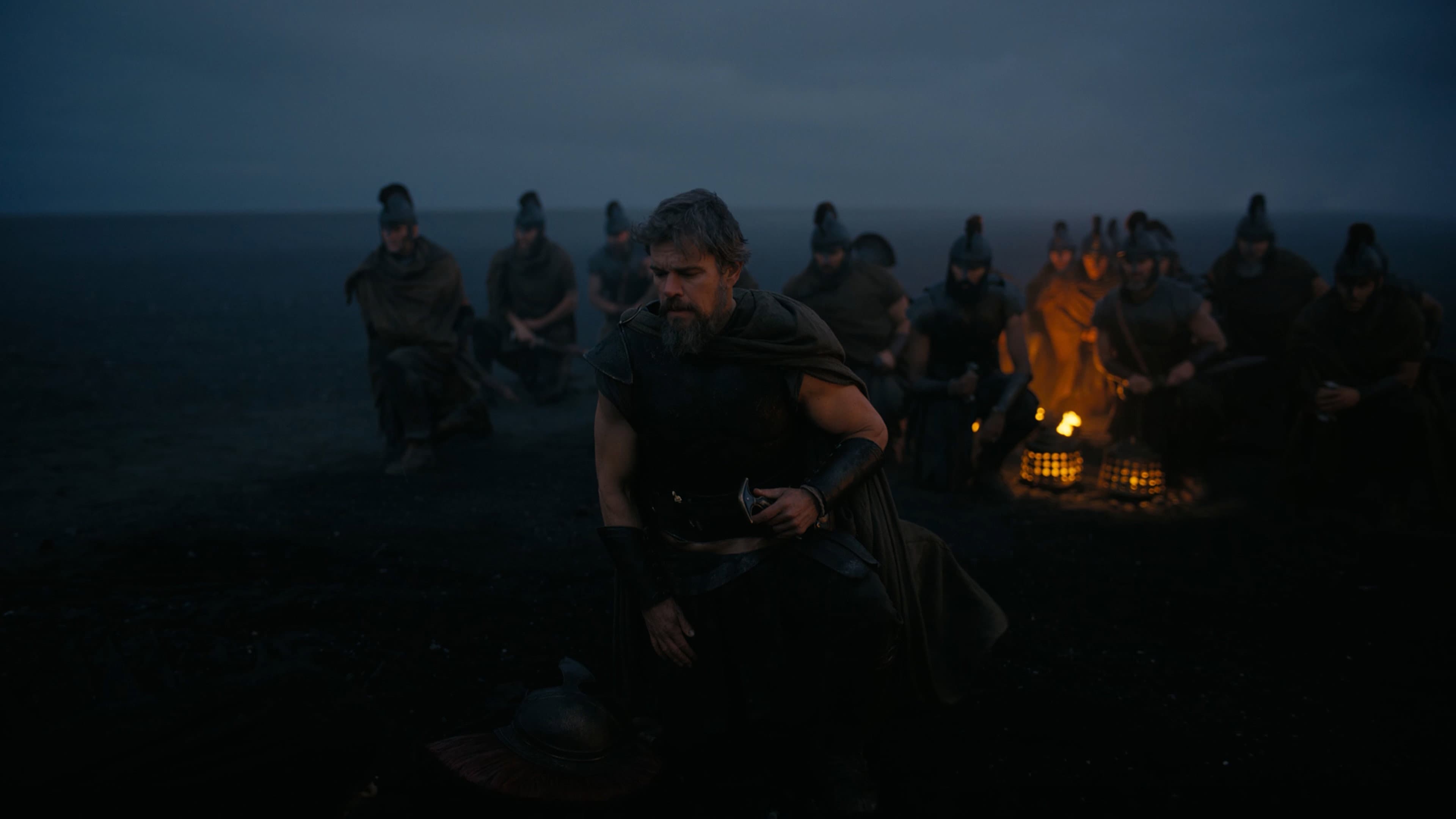
Two months after Christopher Nolan's mythological epic sailed into theaters, one of its stars is arguing that the film's success carries a lesson the industry has been slow to learn. Charlize Theron, who plays the goddess Calypso in The Odyssey, said this week that the movie's reception proves audiences will still turn out in force for ambitious, adult-oriented storytelling drawn from classical sources - provided the execution matches the scale. Her remarks arrive as the film, released July 15, continues to hold a spot in the cultural conversation well past the traditional summer blockbuster window, buoyed by a TMDb rating of 8.018/10 and a 173-minute runtime that has itself become part of the discussion.
Theron's point, as she framed it, is less about her own movie than about an industry that has spent years chasing familiarity. "The Odyssey just gave Hollywood a much-needed reminder," she said, describing the project as evidence that name recognition is not the only currency a studio can spend. According to Theron, Nolan's insistence on treating Homer's source material with seriousness rather than irony is a large part of why the film has connected. She credited the director with refusing to sand down the story's strangeness - its gods, its monsters, its long stretches of moral ambiguity - for the sake of a broader audience.
A Story Built on Trials, Not Shortcuts
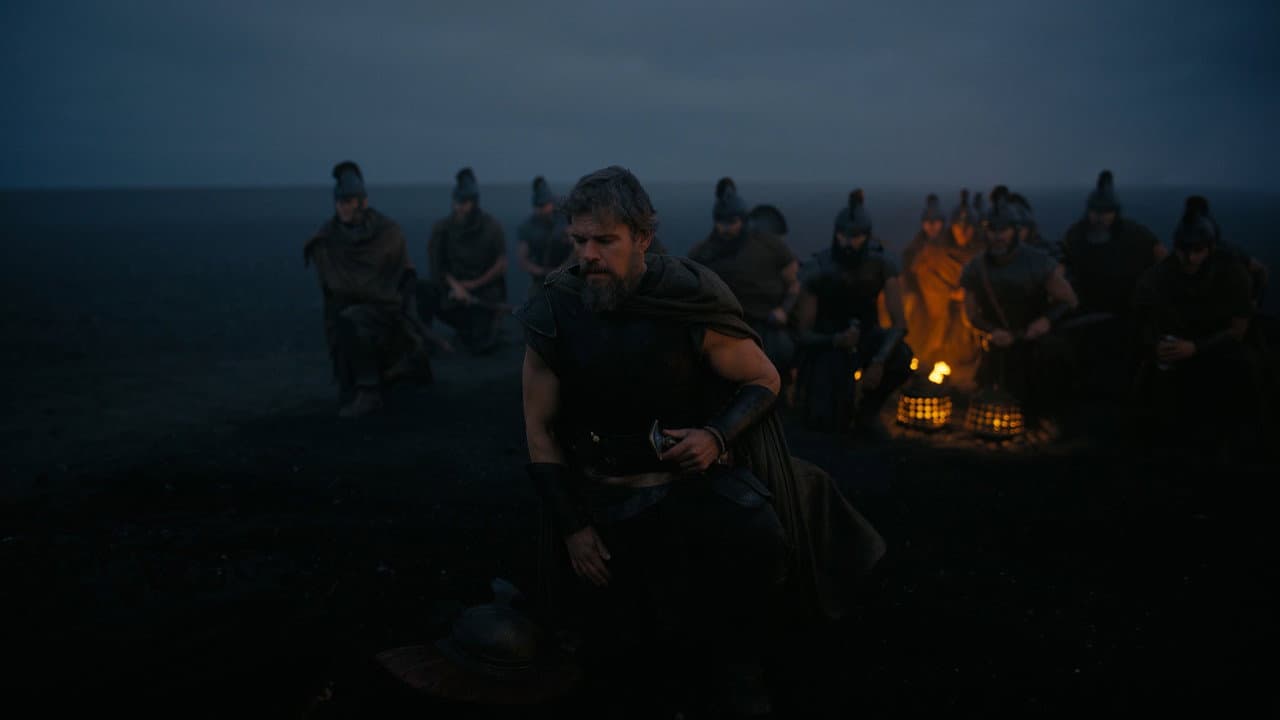
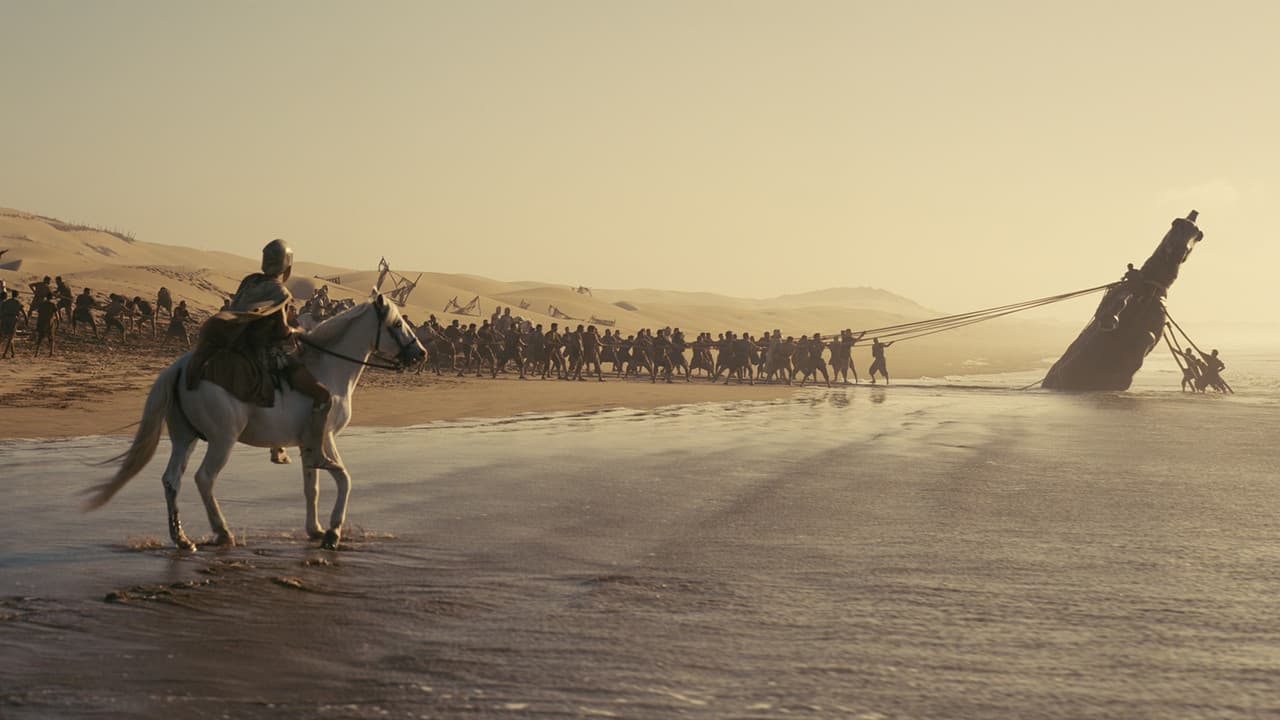
That refusal is visible in the film's premise. The Odyssey follows Odysseus, the legendary King of Ithaca, as he attempts a long and perilous journey home in the aftermath of the Trojan War. Along the way, he confronts the whims of gods, mythological creatures and ordeals that push both his cunning and his humanity toward their breaking point. It is, in other words, a narrative that refuses to resolve quickly - a quality mirrored by the film's runtime, which runs close to three hours.
Matt Damon leads the cast as Odysseus, with Tom Holland appearing as his son, Telemachus, and Anne Hathaway as his wife, Penelope. Robert Pattinson plays Antinous, Himesh Patel takes the role of Eurylochus, and John Leguizamo appears as Eumaeus. Travis Scott rounds out the ensemble as a bard. Theron's Calypso, a figure whose intervention extends Odysseus's wandering, sits at the center of some of the film's most debated sequences. The movie is classified as adventure, action and fantasy, and was produced within the Hollywood studio system in English.
A Release Strategy That Ran Against Type
Part of what makes the film's performance notable, in Theron's telling, is the calendar. A mid-July launch for a 173-minute mythological drama - rather than a tight, franchise-friendly action film - is not the sort of bet studios have lined up to make in recent years. Yet the release date of July 15 placed it squarely in the heart of the summer corridor, where it competed directly with more conventional tentpoles.
Theron suggested that the decision reflects a growing recognition that prestige filmmaking and mass entertainment are not mutually exclusive categories. She pointed to Nolan's track record as a factor that gave the studio confidence to commit to the scale required, but argued that the underlying lesson applies beyond any single filmmaker. If audiences will sit through nearly three hours of gods and monsters, she implied, the conventional wisdom about attention spans and genre ceilings deserves reexamination.
What the Cast Brings to the Table
The ensemble itself represents a deliberate blend of established stars and newer faces. Damon's casting as the wandering king anchored the marketing, while Holland's turn as Telemachus gave the film a generational bridge. Hathaway's Penelope provides the emotional counterweight to Odysseus's absence, and Pattinson's Antinous supplies much of the antagonistic energy. Patel and Leguizamo fill out the supporting ranks, while Scott's appearance as a bard has drawn its own share of commentary.
Theron's Calypso is a comparatively contained role, but it sits at a pivotal juncture in the voyage, and her comments carry weight precisely because she is not the film's lead. She spoke as someone observing the broader pattern rather than promoting her own screen time - a distinction that gives her argument a slightly different texture than the usual press-tour enthusiasm.
The Question Hollywood Is Left With
Whether the industry actually absorbs the reminder Theron describes remains open. Studios have a long history of drawing the wrong conclusion from a successful outlier - greenlighting imitations of the surface rather than the substance, or retreating to safe bets the moment a single gamble underperforms. What The Odyssey demonstrates, at minimum, is that a well-executed, English-language adaptation of foundational literature can hold a summer audience for the better part of an evening.
With the film still registering an 8.018/10 rating on TMDb well after release, the audience verdict appears settled. The industry verdict, as Theron frames it, is the one still being written.
Source: Hollywood Reporter