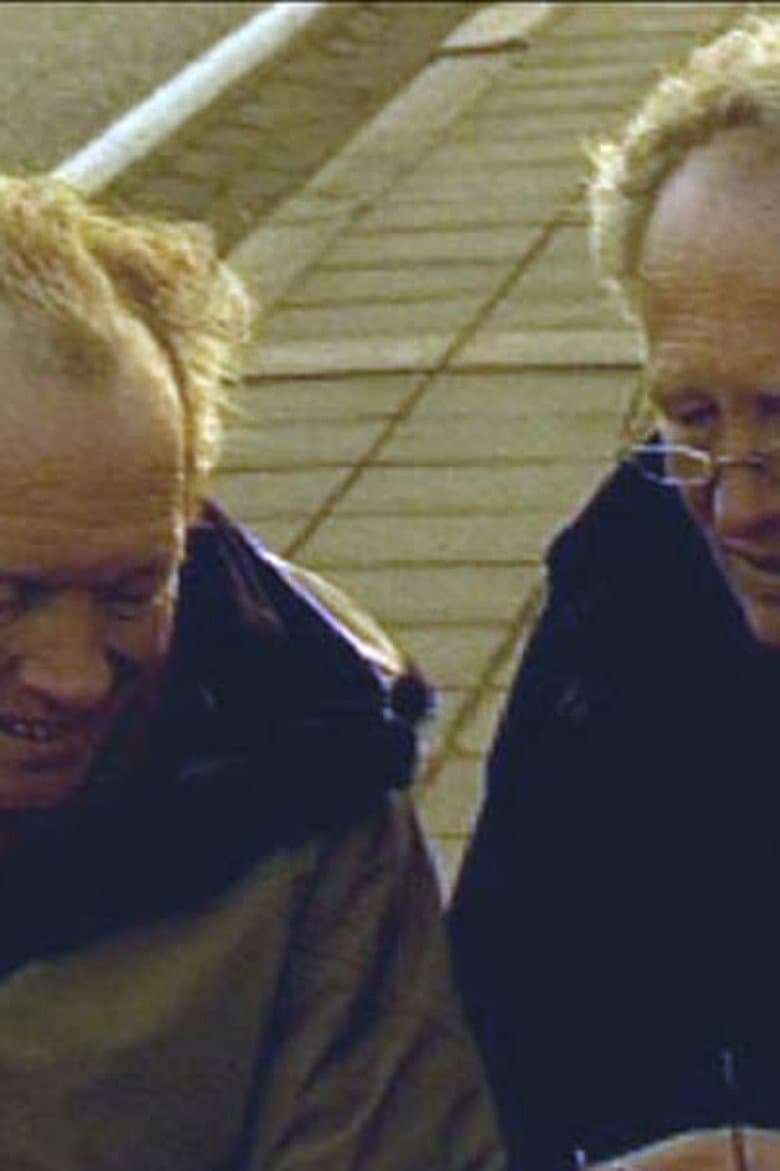
Belgian filmmaking duo Jean-Pierre and Luc Dardenne have been honored with a European Lifetime Achievement Award, recognizing a body of work that has made them among the most respected and imitated auteurs in contemporary cinema. The brothers, long associated with the social-realist tradition that has defined Belgian filmmaking for decades, are being celebrated for a career that has spanned more than forty years and produced some of the most quietly devastating films in modern European cinema.
The award places the Dardennes in a lineage of European filmmakers whose work has shaped the continent's cinematic identity. Their films, often set in the industrial towns of Wallonia and focused on characters living at the margins of society, have earned them a devoted international following and a reputation as filmmakers of unusual moral seriousness.
A Career Built on Restraint and Observation
The Dardenne brothers began their careers in the 1970s making documentary work, and that background has never fully left their fiction films. Their signature style - handheld cameras that stay close to their subjects, natural light, non-professional or little-known actors, and an almost documentary attention to the rhythms of daily labor - emerged gradually before crystallizing in the mid-1990s. From that point forward, they became fixtures on the international festival circuit while remaining resolutely rooted in the Belgian communities they depict.
Their films have repeatedly turned on the same questions: how people survive economic precarity, how dignity is preserved under pressure, and how a single decision can redirect a life. The brothers write their screenplays together, direct together, and share credit on every film, an arrangement that has made them something of a curiosity in an industry built around singular authorship.
The honor also reflects the Dardennes' role as mentors and standard-bearers. Over the years they have championed younger filmmakers, supported the Belgian film ecosystem, and served as a model for directors who aspire to work with modest budgets and uncompromising vision. Their production company, based in Belgium, has become a hub for a certain kind of socially engaged cinema.
"A Moral Compass in European Cinema"
Reaction from the film world was warm and immediate. Critics have long described the brothers as a moral compass in European cinema, and that phrase resurfaced frequently in tributes. "Their films ask us to look at people we usually walk past," said one festival programmer who has hosted multiple Dardenne premieres. "That is a political act, and it is why the award is so fitting."
A Belgian film-industry colleague described the duo as "the conscience of our national cinema," adding that "they have never chased trends, and they have been rewarded for it." A European film-fund executive praised their "insistence that ordinary lives contain enormous drama" and noted that the honor "sends a message that patient, humane filmmaking still matters."
The Dardennes have consistently declined to frame their work as activism. They have described themselves in interviews as storytellers first, interested in the specific texture of individual lives rather than in messages. "We do not make films to prove a point," the brothers have said, in comments translated for this article. "We make films to show a person, and we hope the audience stays with that person."
That restraint has won them admirers across the political spectrum, including many who do not share their worldview but respect their craft. Reviewers have praised the brothers' refusal of easy sentiment and their confidence that viewers can follow complex moral terrain without guidance.
Their filmography includes such acclaimed works as Rosetta, which won the top prize at the Cannes Film Festival in 1999, The Son, The Child, The Kid with a Bike, and Two Days, One Night, featuring a performance that drew widespread attention to the brothers' skill with actors. Their films have regularly appeared in competition at Cannes and have won numerous international awards, but the brothers have always returned to Belgium and to small-scale production.
A European Celebration, and What Comes Next
The lifetime achievement honor is expected to be presented at a European film ceremony in the coming months, where clips from the Dardennes' career are likely to be screened and colleagues from across the continent are expected to pay tribute. Details of the event have not been finalized publicly.
For the brothers themselves, the award does not appear to signal a slowdown. They have remained prolific into their later careers and continue to work at a deliberate pace, developing projects that address the same neighborhoods and concerns that have animated them for decades. Speaking about their creative partnership, the brothers have described a process "built on disagreement and trust, in equal measure," noting that "two pairs of eyes see more than one."
For Hollywood audiences, the award is a reminder that some of the most enduring European cinema has been made outside the studio system entirely, by two brothers in a small Belgian city who have spent four decades filming people the camera usually avoids. It is a career unlikely to be replicated - and a standard worth celebrating.
Source: Hollywood Reporter