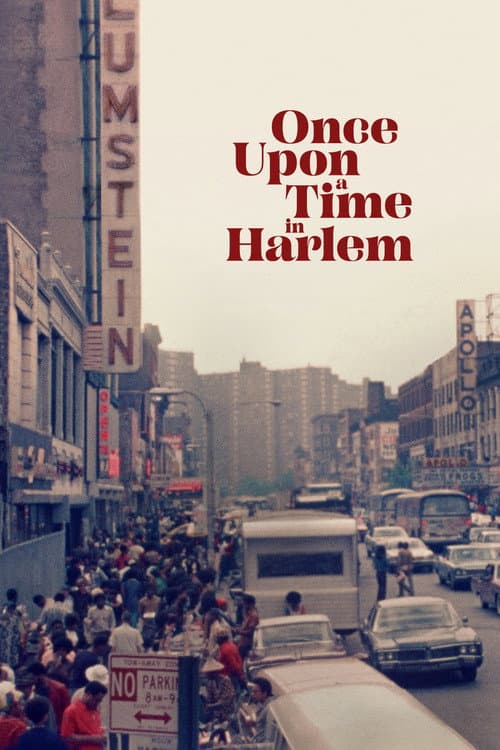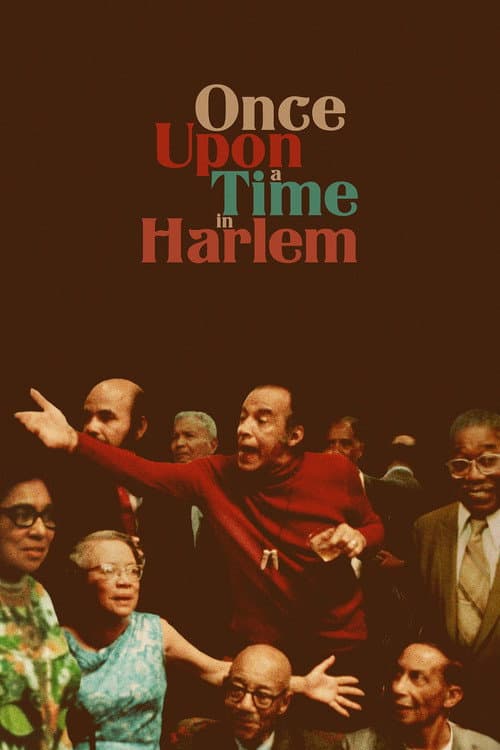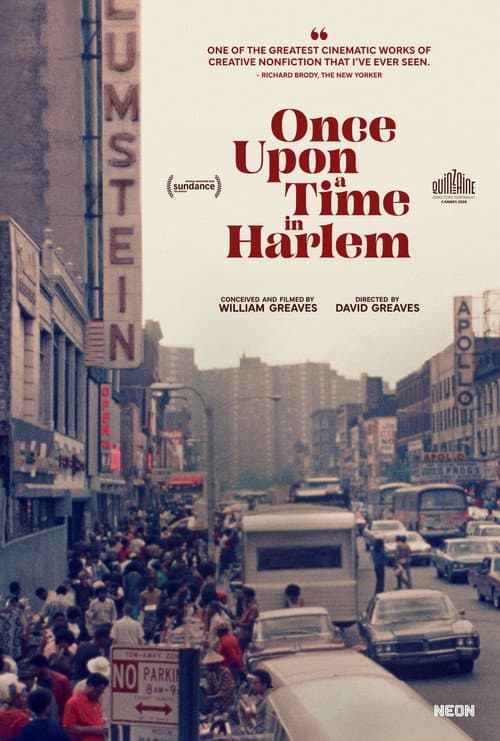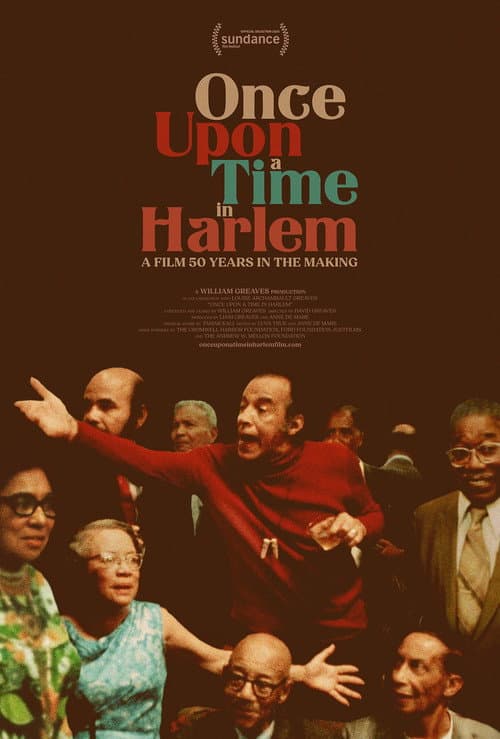
David Greaves has a message for anyone who thinks the story of the Harlem Renaissance begins and ends in a textbook: his father made sure the people who lived it would never be reduced to footnotes. Speaking ahead of the October 16 release of "Once Upon a Time in Harlem," the director described the documentary as "an act of resistance" against ongoing efforts to erase Black history, framing the film as both a family legacy and a public intervention.
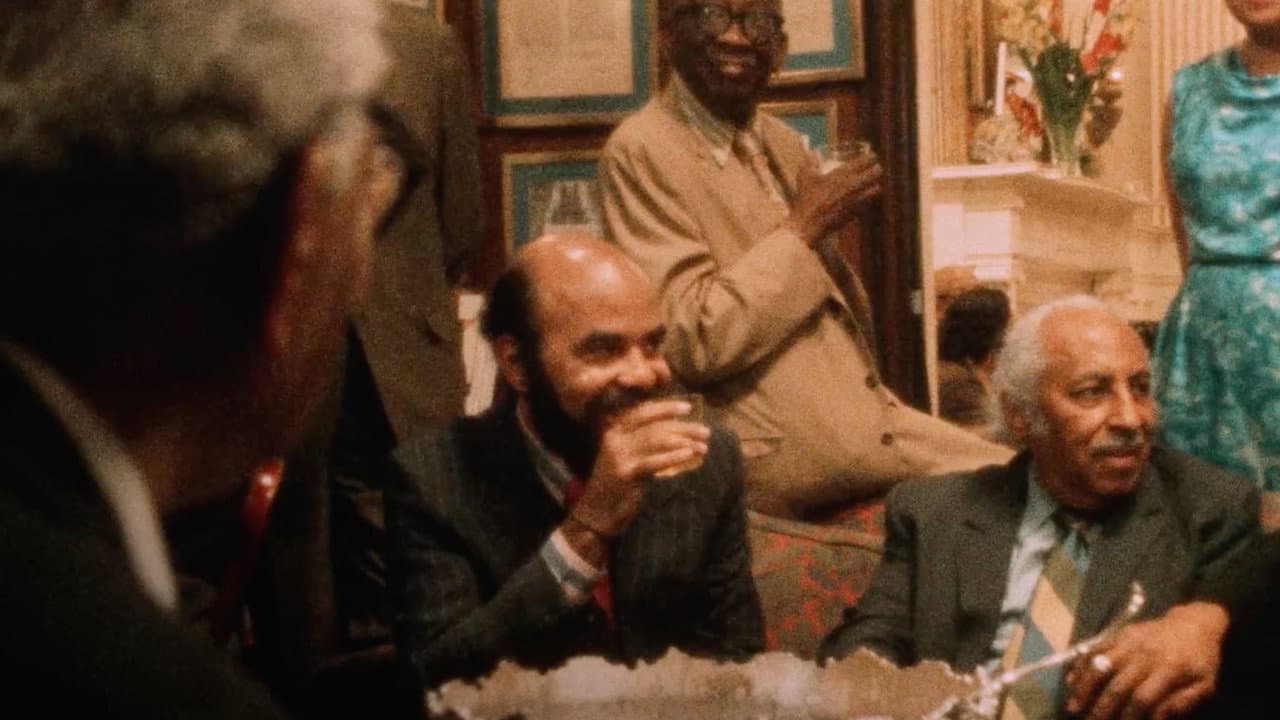
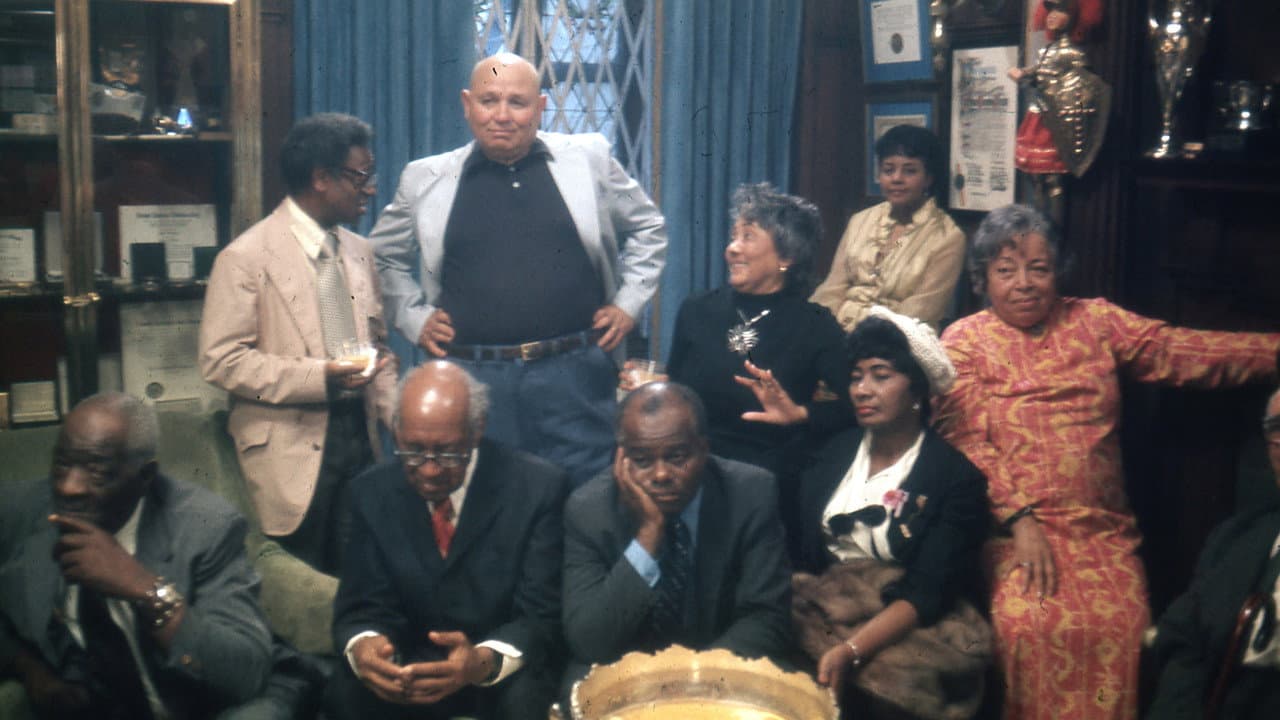
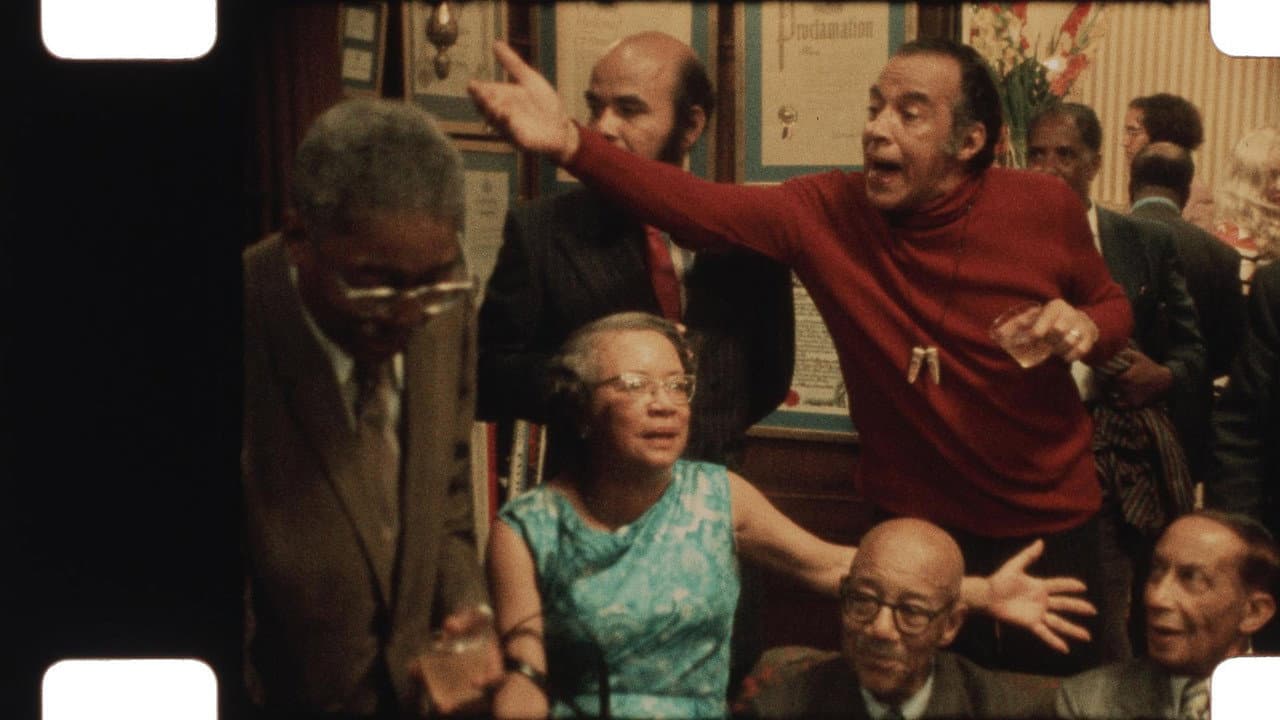
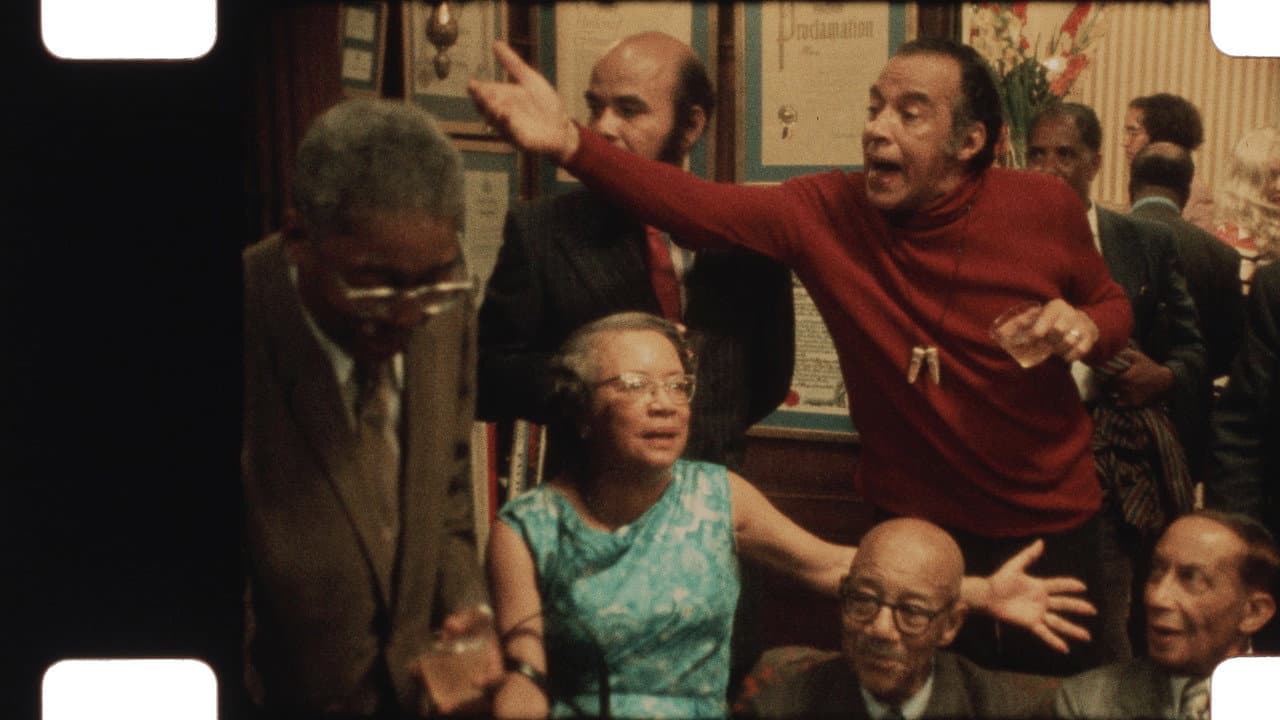
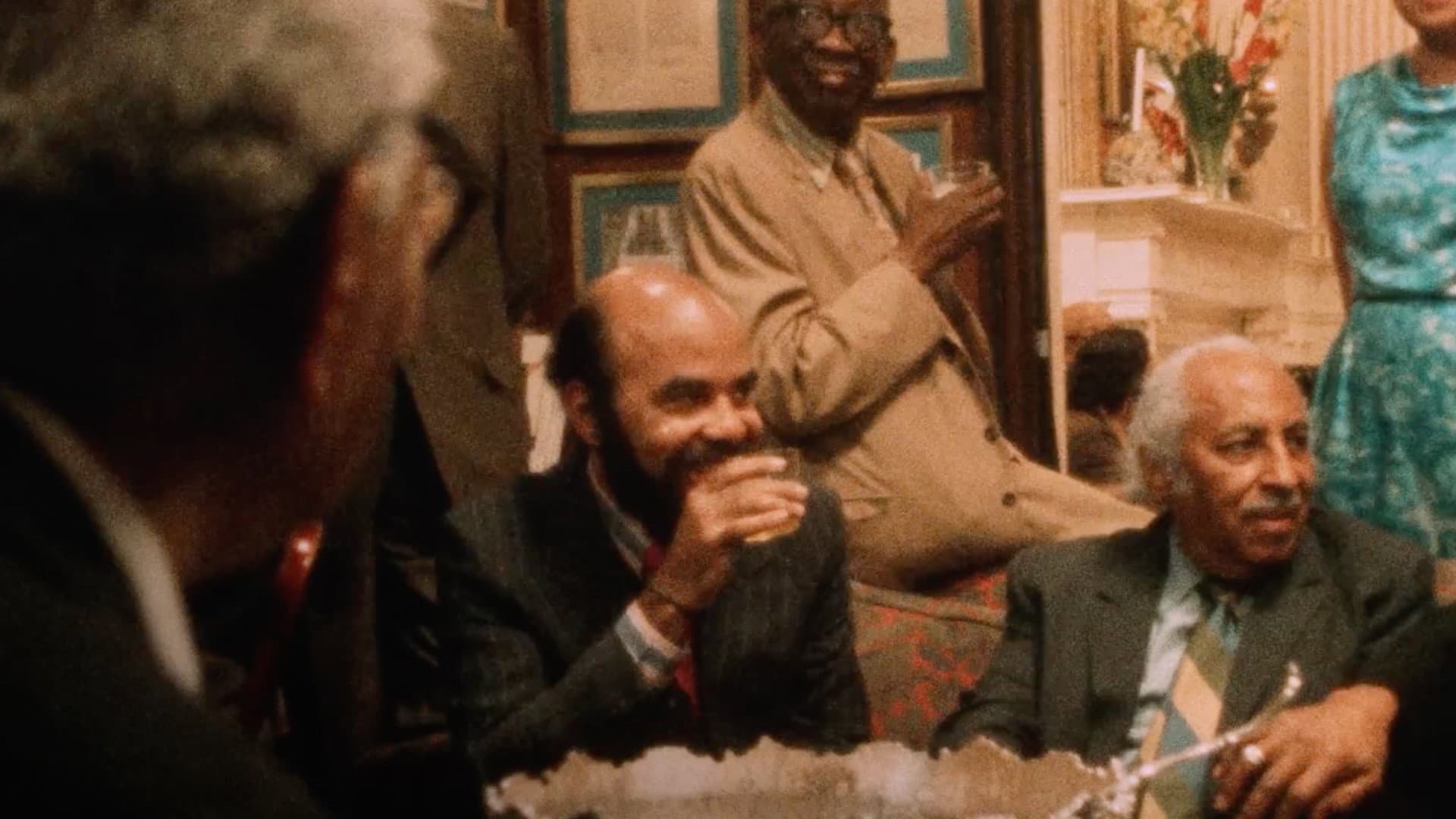
The film arrives in theaters through Hollywood with a 100-minute runtime and an English-language documentary format, a decade after the death of its subject and guiding force, genre-defying filmmaker William Greaves. At its center is a 1972 party William Greaves engineered, gathering the living luminaries of the Harlem Renaissance for an evening he would come to regard as the most important event he ever captured on camera. For decades, the footage remained one of his last tricks up his sleeve. Now his son has assembled it into a feature that functions as a living archive.
"What my father understood was that a movement is not an idea, it is a room full of people," David Greaves said. "And once those people are gone, the room has to be rebuilt for anyone who comes looking." He added that the project became urgent as public discussions of Black history grew more contested: "Every time someone tries to shrink this history, they are counting on the witnesses being unavailable. This film makes them available again."
A Party as a Living Archive
The guest list, preserved on film, reads like a who's who of the movement's elder statesmen and women. Aaron Douglas, the painter and illustrator often called the father of the Harlem Renaissance, appears in archive footage, as do writer Richard Bruce Nugent, artist Ernest Crichlow, composer Eubie Blake, actor Leigh Whipper, poet and librarian Arna Bontemps, photographer James Van Der Zee, and William Greaves himself. Each is credited as playing himself through archival material, a device that places the viewer in the room rather than at a lectern.
David Greaves said the decision to keep the film anchored in the 1972 gathering - rather than layering contemporary interviews over it - was deliberate. "You do not need a narrator to tell you that you are in the presence of greatness," he said. "You need to hear the room. You need to see Eubie Blake laugh." He described the footage as a document of Black artists in their later years, still arguing, still teasing one another, still making the case for their own work. "That is what the erasure people cannot stand," he added. "Not the tragedy. The joy and the argument."
A Father's Final Trick
William Greaves, who died in 2014, spent much of his career defying category - moving between documentary, experimental film and television with a restless curiosity that made him a singular figure in American filmmaking. "Once Upon a Time in Harlem" is being presented as his final surprise, a project he regarded as the most significant event he ever recorded. His son now steps into the director's chair to complete it, a role he described as both inheritance and responsibility.
"There is a strange grief in finishing someone else's film," David Greaves said. "But there is also a strange permission. He left me the room. He trusted me not to redecorate it." He declined to characterize the film as a tribute, calling it instead "an argument that continues" - one his father started in 1972 and that audiences are now invited to join.
Reception and Release
The documentary has drawn a solid early response from audiences, holding a 7.333 out of 10 rating on TMDb. For a film built almost entirely from archival material about a single evening more than half a century ago, that figure suggests the 1972 party still has the power to hold a modern audience.
"Once Upon a Time in Harlem" opens in theaters on October 16, 2026. With its blend of history, memory and a son's determination to keep a promise, the film arrives as something of an anomaly in the fall release calendar - a documentary that asks viewers not merely to remember the Harlem Renaissance but to sit with the people who made it.
David Greaves' closing thought was characteristically blunt about the stakes. "You can remove a book from a shelf," he said. "You cannot remove Eubie Blake from a room he is already in. That is the whole point."
Source: Hollywood Reporter