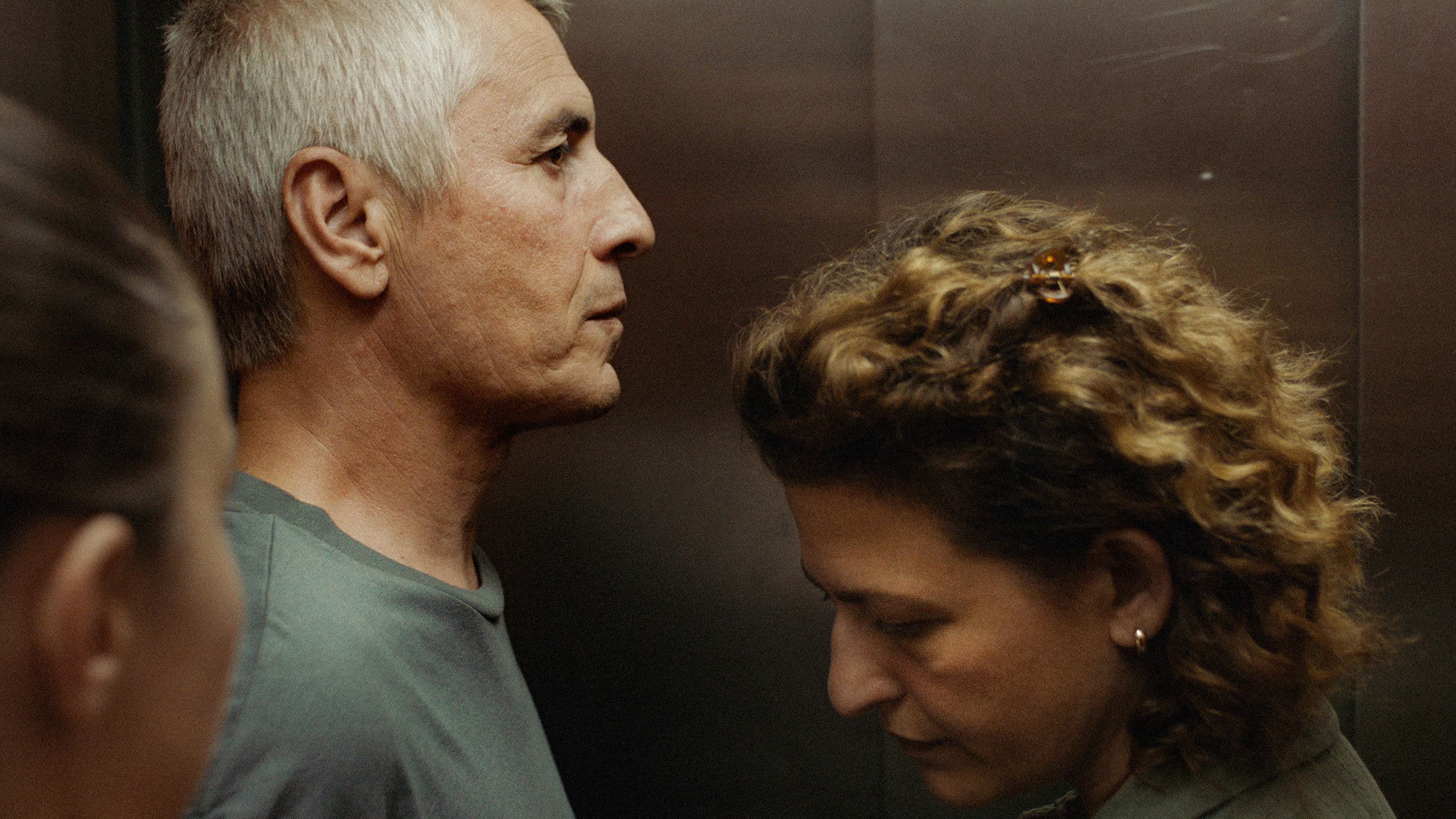
The director behind "Shame and Money" is making the awards-season rounds with a new film that treats dignity not as an abstraction but as something audiences can feel in their bodies. The internationally backed drama has been selected as an Oscar hopeful in the international feature race, and its filmmaker says the movie's strikingly physical quality is no accident: it is the whole point.
Speaking about the project, the director explained that dignity is often discussed as a moral or political idea, but his film tries to show what it costs to keep it - in posture, in silence, in the way a person holds a room. That approach, he suggests, is why viewers so often describe the film in physical terms, as tension in the shoulders or a weight in the chest rather than a lesson to be absorbed.
A Story Told Through the Body
The director's earlier work on "Shame and Money" established him as a filmmaker drawn to the collisions between self-respect and survival, and the new film pushes that preoccupation further. Rather than explaining his characters' inner lives through dialogue, he stages dignity as a daily performance - something maintained in front of others and privately renegotiated behind closed doors.
That choice shapes everything from the pacing to the camera placement. The film lingers on gestures, on the small negotiations of eye contact, and on moments when a character must decide whether to stand firm or fold. The director argues that this is where dignity actually lives, and that cinema is uniquely suited to capturing it because the camera can register what words cannot.
He also noted that the physicality of the performances was central to the production. The cast was encouraged to treat scenes as encounters with real stakes, so that restraint reads as effort rather than absence of feeling. The result, he says, is a film that asks viewers to sit with discomfort instead of resolving it quickly.
An International Contender With a Local Heart
The film's selection as an international feature hopeful places it in a crowded and unpredictable race, where campaigns often reward films that can be summarized in a single, emotionally legible image. This one, by the director's own account, resists that kind of shorthand. It is rooted in a specific place and set of social pressures, yet it has traveled well precisely because audiences recognize the underlying experience of being asked to trade self-respect for security.
That tension - between the intimate and the broadly resonant - has become a defining theme of this year's international conversations. The director has been careful not to frame his film as a thesis about dignity in general. Instead, he describes it as a portrait of people who are trying, sometimes unsuccessfully, to remain whole while the world around them demands compromises. The universality, he suggests, comes from the specificity, not in spite of it.
The Campaign Ahead
With the awards season now underway, the filmmaker is expected to continue making his case to voters and festival audiences, leaning on the film's emotional directness rather than its topicality. He has spoken warmly about the collaborators who helped translate his intentions into something audiences can physically register, from the actors to the crew responsible for the film's deliberate, unhurried visual rhythm.
For now, the director is content to let the film do the arguing. In his view, a movie about dignity should not lecture; it should put the viewer in the room where dignity is at stake and trust them to feel the pressure. That conviction, more than any campaign strategy, is what he believes will carry the film through the months ahead - and what makes its most memorable moments land with such force.
Whether the international race ultimately rewards such a tactile, restrained approach remains to be seen, but the conversation around the film has already done something the director values: it has made audiences talk about dignity as a lived, bodily experience rather than a slogan.
Source: Hollywood Reporter