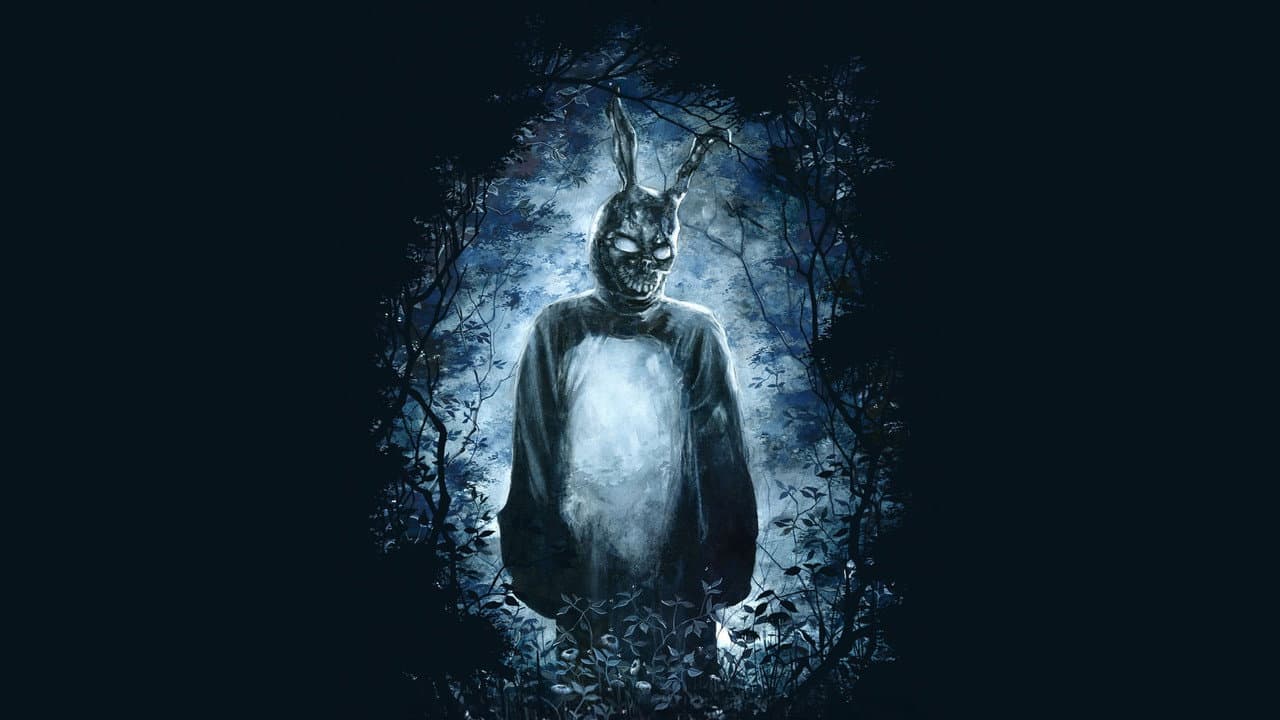
Twenty-five years after it first unsettled audiences, Richard Kelly's "Donnie Darko" remains one of the most discussed and divisive films to emerge from Hollywood in the early 2000s. The fantasy-drama-mystery, which clocked in at 114 minutes and arrived in theaters on January 19, 2001, follows a troubled teenager who survives a bizarre accident and then finds himself hounded by visions of a giant rabbit that pushes him toward a string of crimes. With a TMDb rating of 7.76 out of 10, the film's reputation has only grown since its initial release.
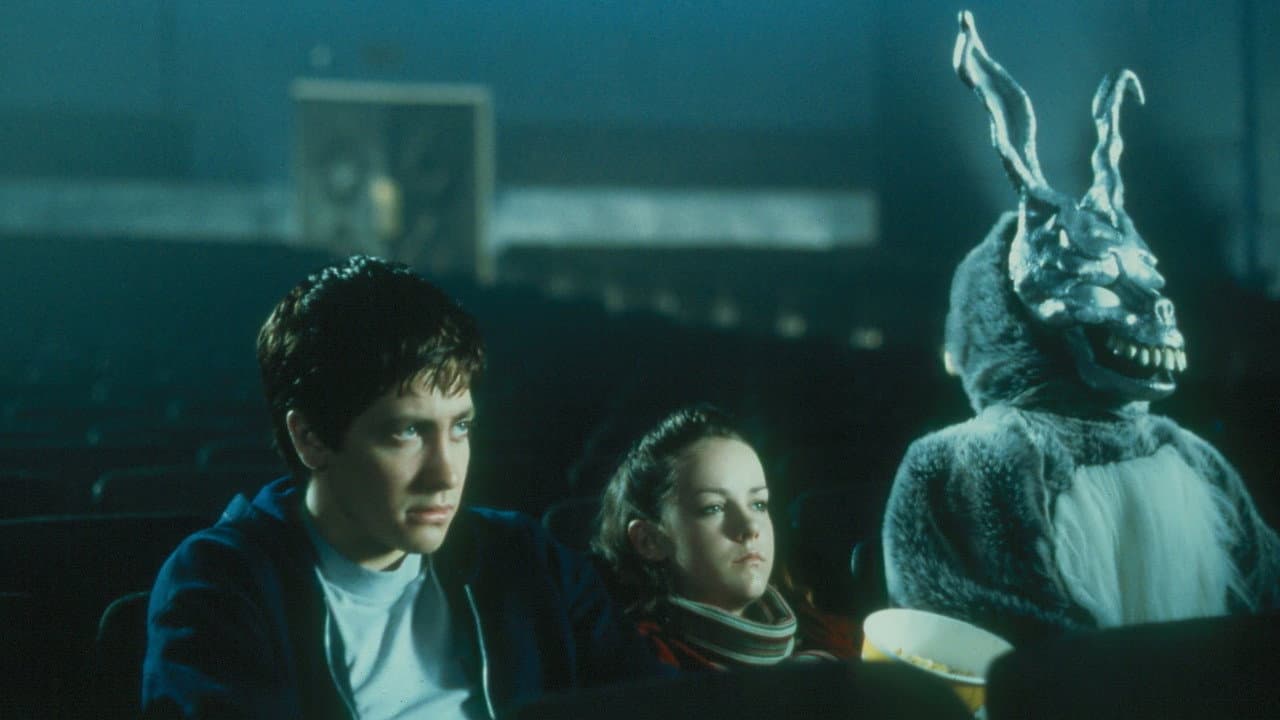
At the center of the story is Jake Gyllenhaal's Donnie, a young man whose narrow escape from disaster becomes the doorway to something far stranger. The rabbit, named Frank and played by James Duval, becomes the film's most indelible image, a figure that looms over Donnie's waking life and drives the plot forward. The cast around Gyllenhaal is unusually deep: Jena Malone as Gretchen Ross, Drew Barrymore as Karen Pomeroy, Beth Grant as Kitty Farmer, Maggie Gyllenhaal as Elizabeth Darko, Mary McDonnell as Rose Darko, and Holmes Osborne as Eddie Darko.
Kelly wrote and directed the film, a combination that helped define its peculiar tone. "Donnie Darko" blends suburban satire, adolescent alienation and metaphysical mystery into something that resists easy categorization, which is part of why it has endured as a subject of debate rather than fading into the background of its era.
A Slow-Burning Cult Favorite
The film did not arrive as an obvious commercial juggernaut. Its January 2001 release placed it in a crowded and often unforgiving window, and its premise, a teenager guided by an ominous rabbit, was hardly the stuff of mainstream Hollywood convention. Yet the years since have turned "Donnie Darko" into a durable reference point for viewers drawn to ambitious, off-center storytelling.
That longevity is reflected in its audience rating on TMDb, where it sits at 7.76 out of 10. It is a figure that speaks to a devoted base of admirers rather than a broad consensus, which fits a movie whose meaning has been argued over for a quarter of a century. The film's genre label, spanning fantasy, drama and mystery, hints at the difficulty of pinning it down; it is at once a coming-of-age story and something considerably stranger.
For Hollywood, "Donnie Darko" stands as a reminder that a film's life does not end with its opening weekend. The movie has become a touchstone for a generation of viewers who encountered it after its theatrical run, and its images, particularly the figure of Frank, have lodged themselves in the wider culture.
A Cast That Grew With the Film
Part of the film's lasting appeal is the ensemble Kelly assembled. Gyllenhaal's performance as Donnie anchored the movie, and his career has since made the role a frequent point of return for critics and fans alike. Malone brought a grounded presence to Gretchen Ross, while Barrymore's involvement as Karen Pomeroy gave the project a measure of star power.
The supporting ranks are filled with actors whose work has continued to resonate, including Beth Grant, Mary McDonnell and Holmes Osborne. Maggie Gyllenhaal's turn as Elizabeth Darko added a familial dimension that many viewers have cited as central to the film's emotional pull.
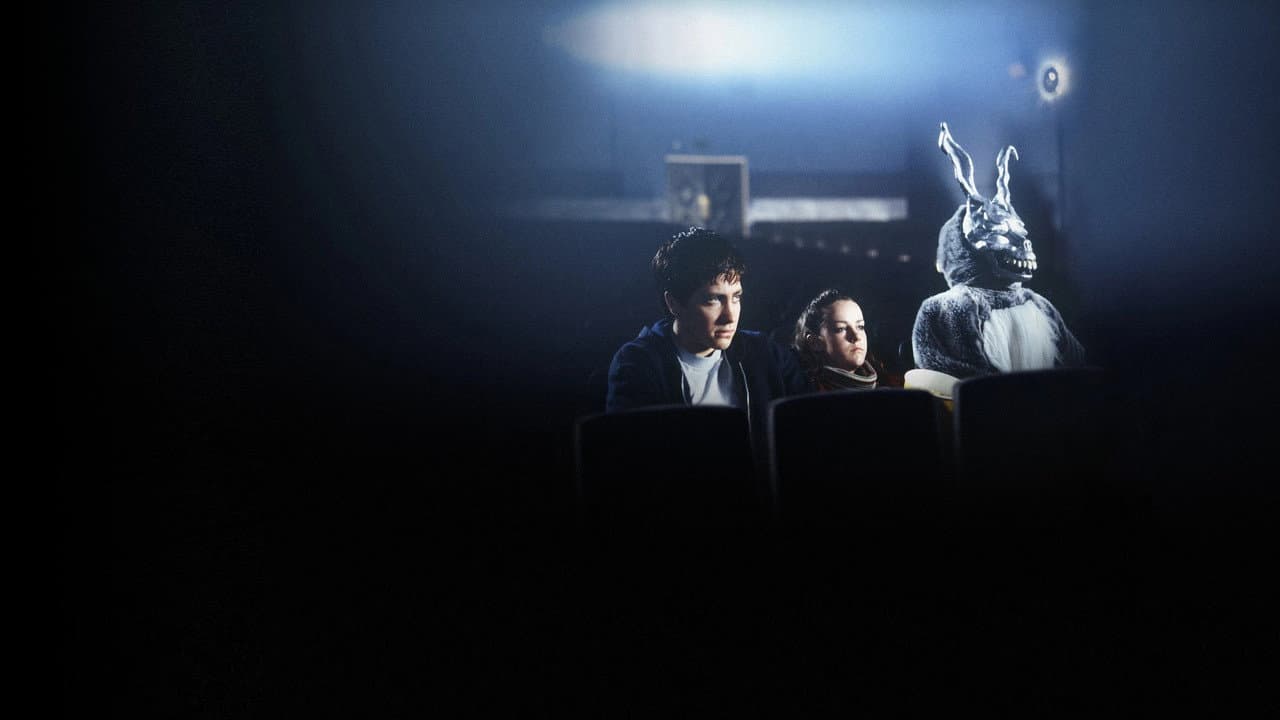
James Duval's Frank remains the film's signature creation, a character whose presence is felt long after the credits roll. The role is a testament to how "Donnie Darko" used a single striking image to carry an entire narrative.
A Quarter-Century Legacy
As the film passes its twenty-fifth anniversary, "Donnie Darko" occupies an unusual place in Hollywood history. It was not a title that dominated its release year, but it has become a fixture of discussions about cult cinema and the value of difficult, personal filmmaking.
Kelly's film continues to invite interpretation rather than resolution, and that openness is likely why it has stayed in circulation. The movie's blend of fantasy, drama and mystery has aged into something resembling a modern classic for a specific, passionate audience.
For those revisiting it or encountering it for the first time, "Donnie Darko" remains a curious and demanding watch: a 114-minute puzzle from a director willing to take risks, featuring a cast that has only grown more fascinating with time. Twenty-five years on, the rabbit still has something to say.
Source: Hollywood Reporter