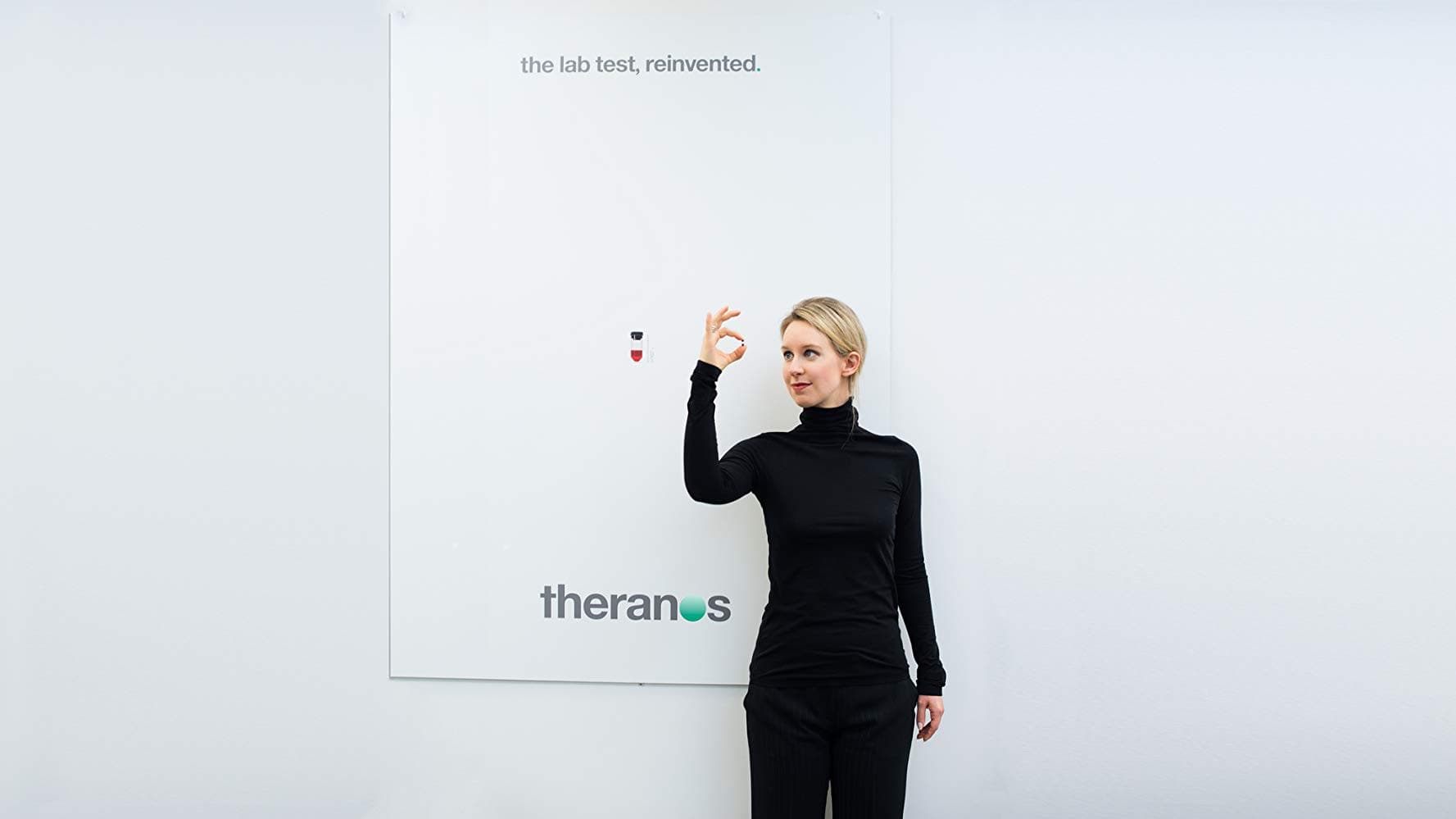
The Motion Picture Association's ratings board has handed an R rating to an upcoming documentary about Elizabeth Holmes, citing "graphic nudity" among its content advisories - a classification that has raised eyebrows given the film's subject matter and prompted fresh debate about just how much exposure the Theranos founder's story will receive on screen.
The film, which examines Holmes's rise as the face of the blood-testing startup Theranos and her subsequent conviction for fraud, was assigned the restrictive rating for reasons that the ratings body typically reserves for scripted features rather than nonfiction. The "graphic nudity" descriptor is unusual for a documentary, and it signals that the filmmakers have chosen to include raw or unredacted material rather than sanitize their subject's life for a wider audience.
According to the classification, the documentary also carries other content warnings alongside the nudity advisory. An R rating bars anyone under 17 from attending without an accompanying parent or adult guardian, a commercial handicap for a genre that often depends on broad streaming or theatrical reach. Whether the filmmakers intended the rating or are challenging it remains unclear.
A Rare Label for a Nonfiction Film
Documentaries routinely land R ratings for language, violence, or disturbing thematic material, but "graphic nudity" is a descriptor more commonly attached to narrative films. Its appearance on a Holmes project suggests the movie includes imagery the ratings board deemed explicit rather than incidental - an editorial choice that could define how audiences perceive the film before they ever see a frame.
The rating also guarantees a news cycle of its own. Holmes's saga, after all, has been told and retold across podcasts, books, and dramatized television, so a documentary needs a distinguishing angle to stand out. An adults-only classification, whatever its artistic justification, accomplishes that task instantly.
There is a practical dimension as well. Theaters and streaming platforms treat R-rated nonfiction differently from their PG-13 counterparts, and the advisory could narrow the film's path to classroom use, corporate screenings, or the kind of broad cultural saturation that earlier Holmes adaptations enjoyed. Distributors will have to weigh the notoriety the rating brings against the audiences it shuts out.
The Legal and Ethical Murk
The nudity advisory raises questions the filmmakers have not yet publicly addressed. If the footage involves Holmes herself, its inclusion would likely have been vetted by lawyers given her ongoing appeals and the sensitivity of her image. If the material involves other individuals connected to the Theranos story, the ethical calculus shifts again, touching on consent and the line between journalism and exploitation.
Holmes was convicted on fraud charges related to Theranos, the company she founded and led before it collapsed amid revelations that its technology did not work as claimed. She was later sentenced to prison. Her case became a cultural touchstone about Silicon Valley hubris, startup mythology, and the cost of unchecked ambition - themes any documentary about her must confront.
The "graphic nudity" tag, however, risks shifting attention away from that substance. Critics may argue the rating is a marketing hook dressed as an artistic decision; defenders may counter that a story about deception and the body as a marketing prop - Theranos famously drew blood from a finger prick - invites uncomfortable imagery. Without seeing the film, both readings remain speculative.
What Comes Next
The documentary has yet to announce a release date or distributor, and it is not clear whether the filmmakers will accept the R rating or appeal it. An appeal would send the case back to the ratings board, which sometimes overturns or adjusts descriptors after hearing from filmmakers. A successful appeal could reclassify the film as PG-13, dramatically widening its potential audience.
For now, the rating stands, and it has done what ratings rarely do: turn a documentary into a talking point months before most people know when they can watch it. Whether that attention serves the film or buries its journalism under a prurient headline is the question the filmmakers will have to answer - likely in interviews they have not yet given.
Hollywood has seen this movie before, metaphorically speaking. Controversial ratings generate free publicity, then fade once critics actually review the work. The difference here is that Holmes's story is already so well known that the documentary must offer revelation, not just repetition. An R rating for nudity may get viewers in the door, but it won't tell them anything new about how a startup once valued in the billions turned out to be built on a machine that never worked.
For a subject defined by the gap between image and reality, an unexpected ratings controversy feels almost fitting. The question is whether the film itself has more to say than its label.
Source: Hollywood Reporter