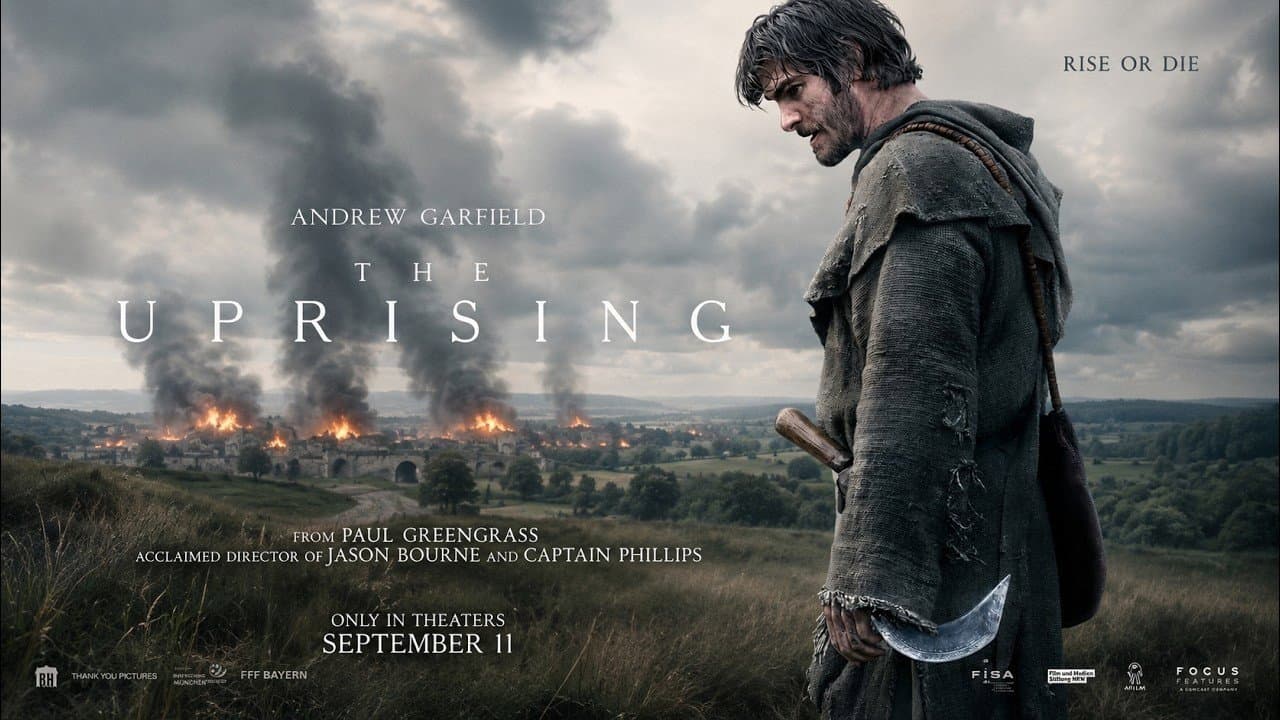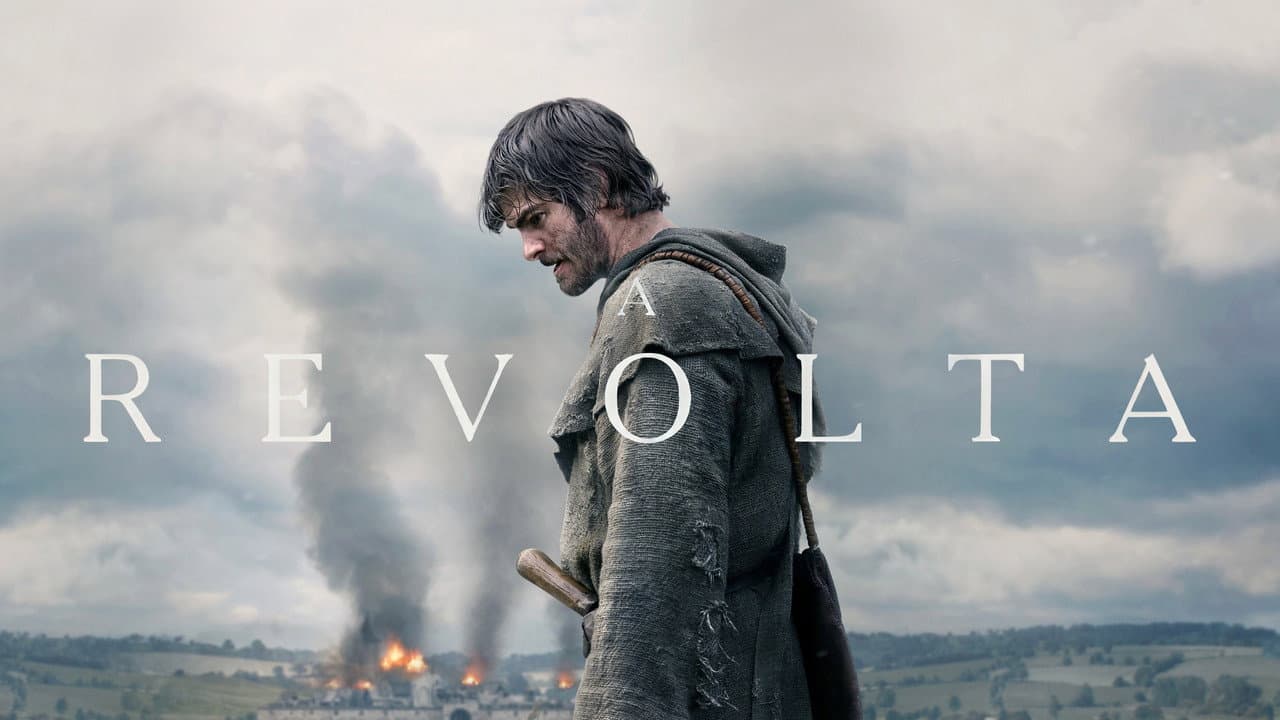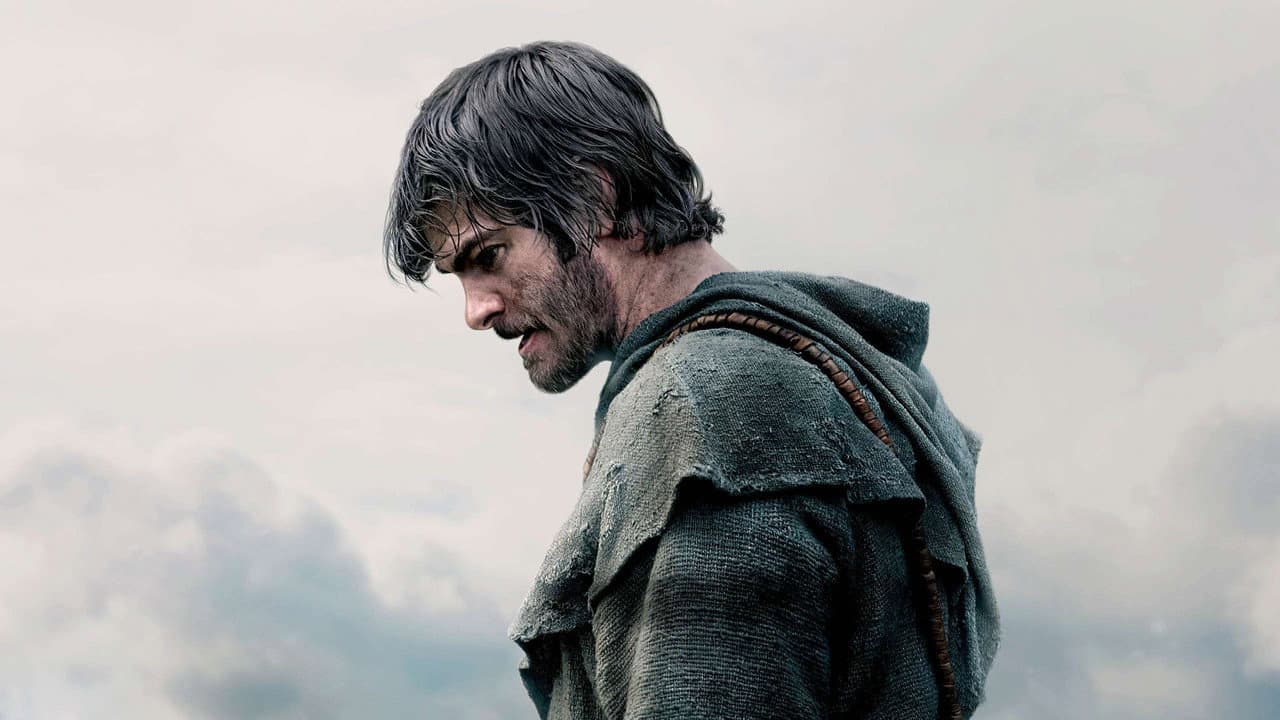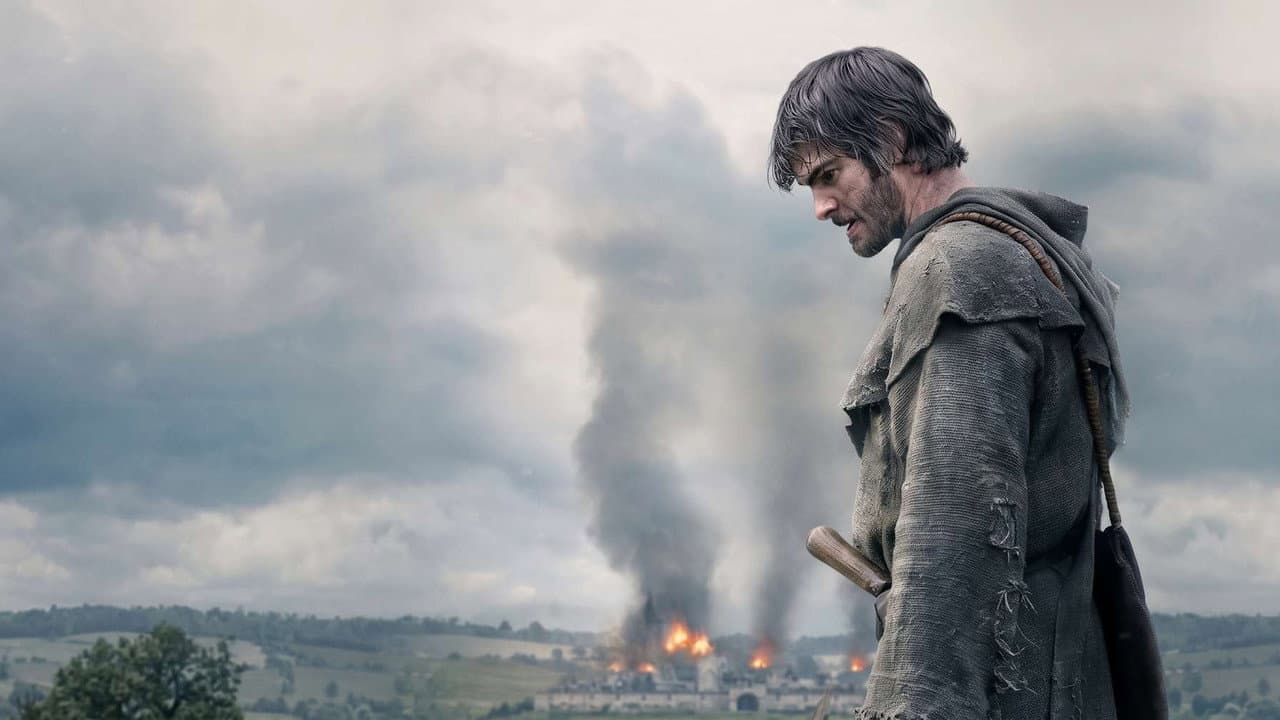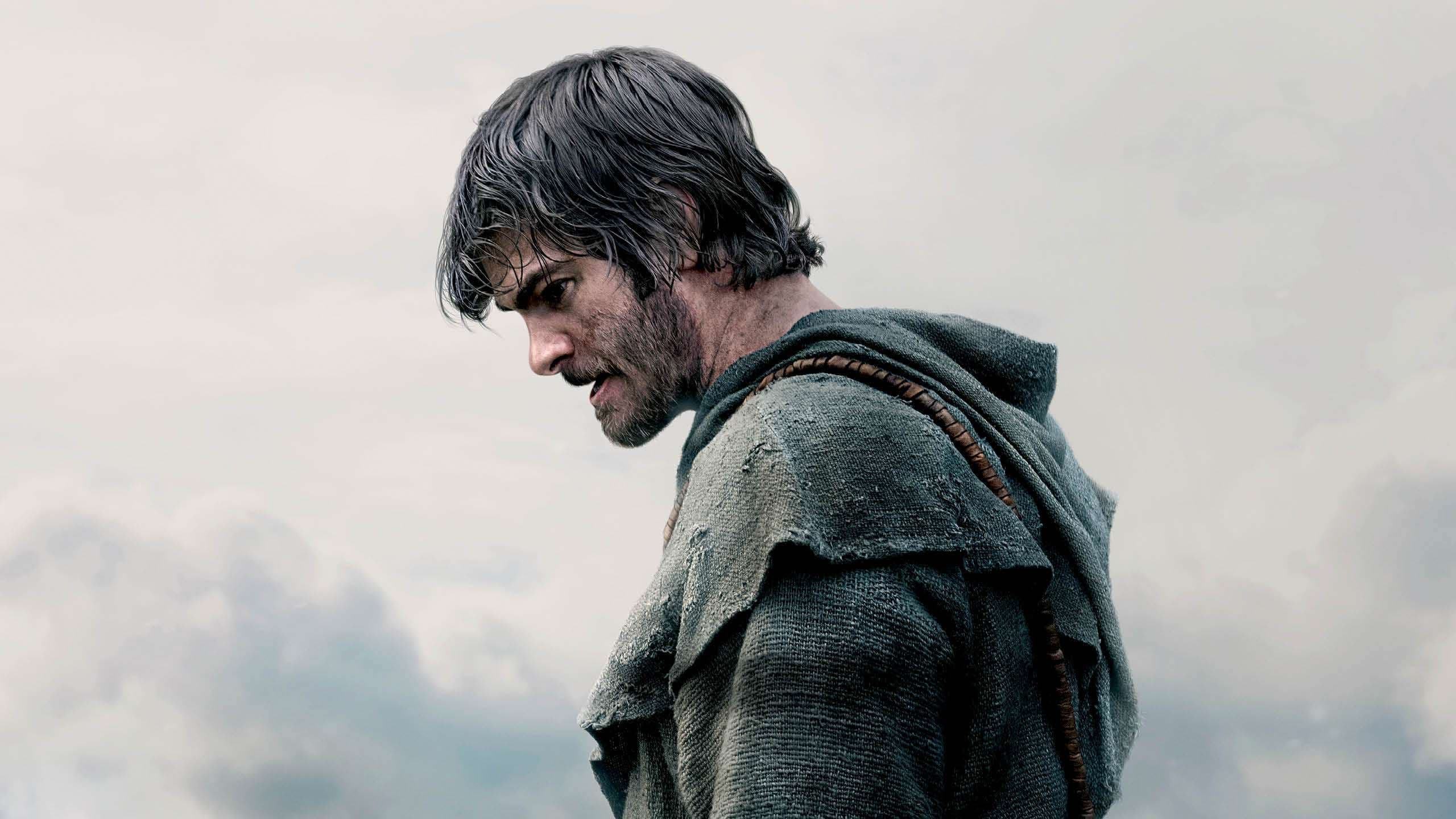
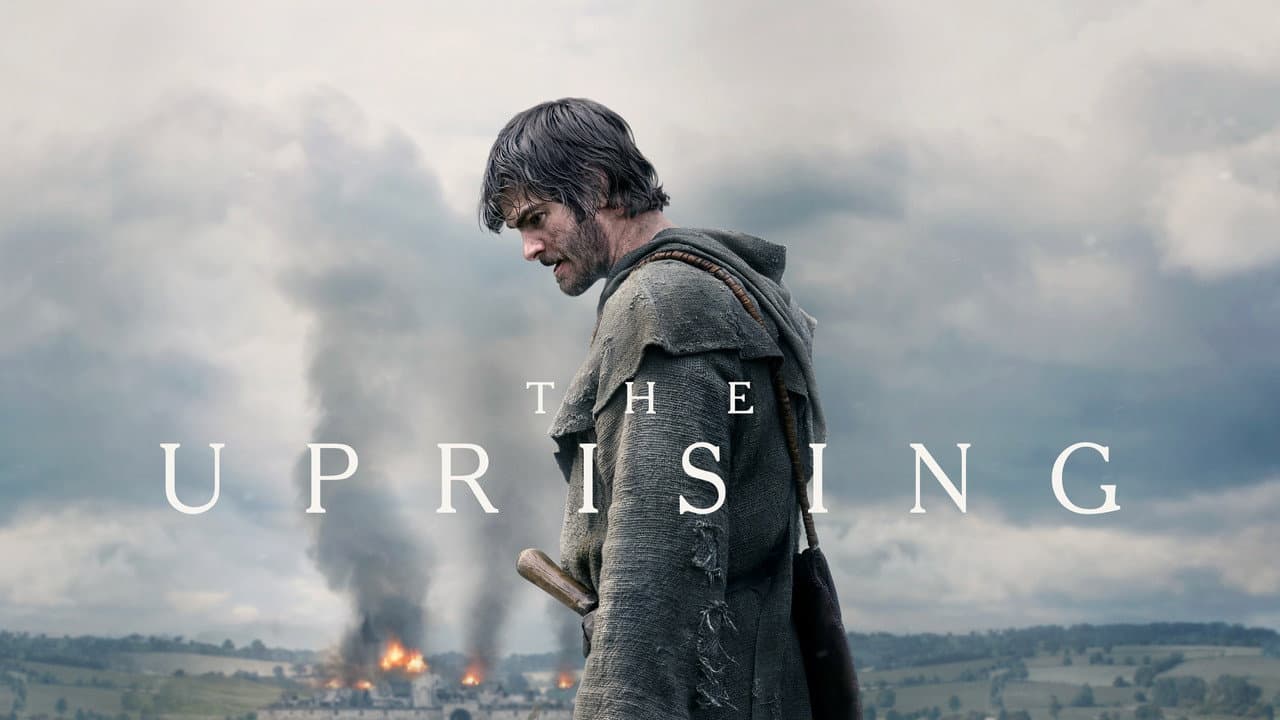
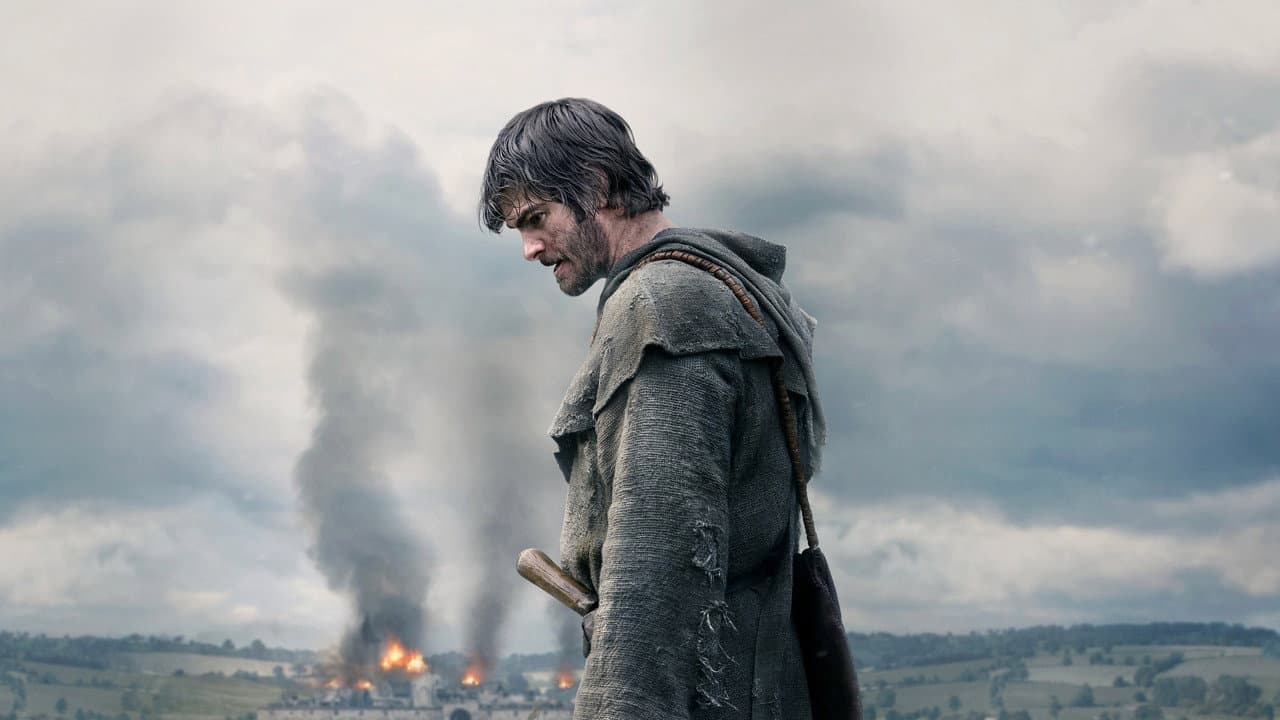
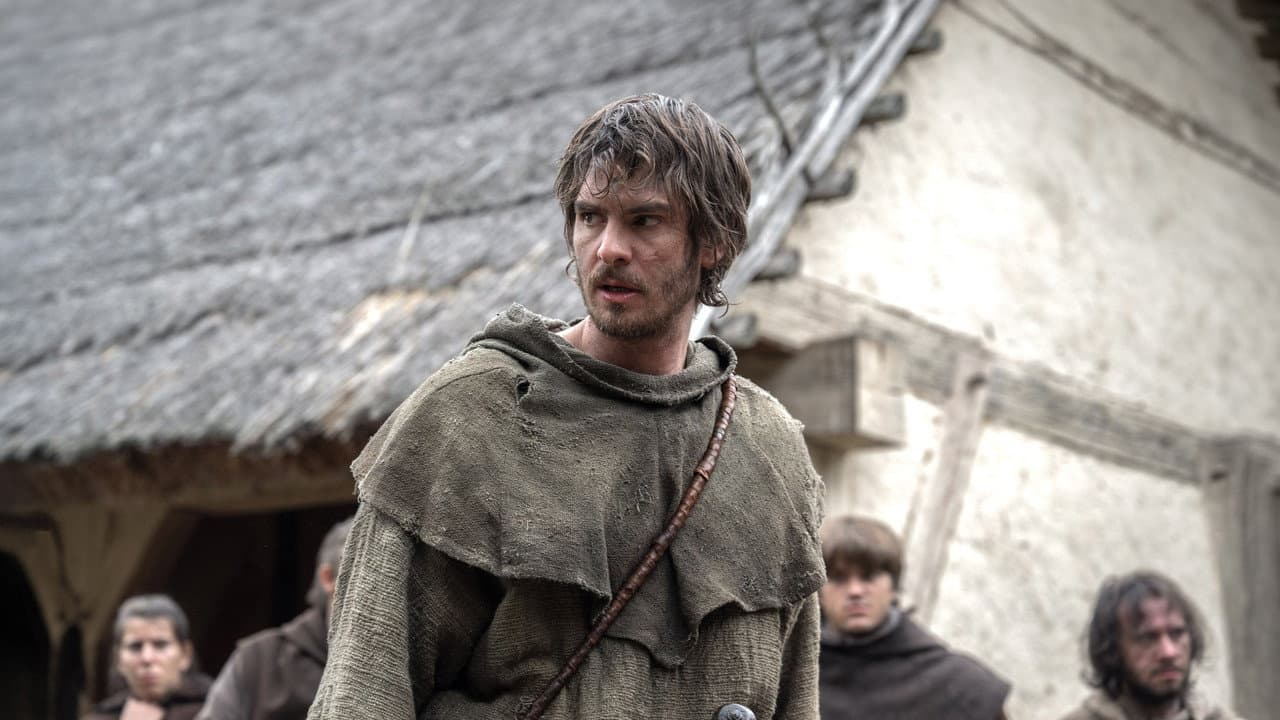
Andrew Garfield has a blunt message for the world’s wealthiest: the era of unchecked power is over, and the masses are done playing nice. The actor, who stars in the upcoming historical drama The Uprising, didn’t mince words when discussing the film’s contemporary relevance, saying billionaires should be “scared sh**less” by the story’s explosive themes. The comment arrives just days before the movie’s September 10 release, positioning the project as far more than a dusty period piece.
A Medieval Plot with Modern Teeth
Set against the famine-ravaged, plague-scarred landscape of 14th-century England, The Uprising follows an ordinary laborer known only as Ploughman, portrayed by Garfield. When the King’s tyranny pushes commoners past their breaking point, this humble farmer becomes an unlikely catalyst for rebellion, rallying a ragtag army of peasants to challenge the crown’s overwhelming military might. The film, directed by Paul Greengrass, draws on the real historical upheavals of the era - where war and disease had hollowed out the lower classes while nobility hoarded every scrap of privilege.
The cast is a heavyweight ensemble, with Jamie Bell stepping into the shoes of the radical priest John Ball, Cosmo Jarvis embodying the fiery rebel leader Wat Tyler, and young Woody Norman taking on the role of Richard II. Tom Hollander appears as Sir Robert Hales, the Lord Treasurer whose policies helped spark the peasants’ fury, while Stephen Dillane, Thomasin McKenzie, and Jonny Lee Miller round out a roster steeped in British acting pedigree. Running at a brisk 128 minutes, the film straddles drama, action, and history, aiming for both visceral battle sequences and weighty political conversation.
Garfield’s Warning to the One Percent
During promotional interviews, Garfield seized on the parallels between the medieval class struggle and today’s staggering wealth gap. He argued that the film’s core conflict - a handful of elites controlling the fate of millions - resonates with an audience that has watched inequality spiral in real time. The actor’s phrasing was deliberately provocative, suggesting that those at the top should feel genuine unease about the anger simmering below them. He framed the movie not as a nostalgic escape but as a mirror held up to modern power structures, where the tools of suppression may have evolved but the desperation of the oppressed remains painfully familiar.
Garfield’s commentary is unlikely to ruffle feathers in Hollywood, where activism and social critique are standard fare, but his raw choice of words cuts through the usual decorum. He didn’t soften the threat or frame it as abstract philosophy; instead, he leaned into the visceral fear that accompanies any system built on exploitation. The sentiment feels less like a promotional gimmick and more like a genuine warning, one that could spark debate long after the credits roll.
Greengrass’s Signature Urgency
Director Paul Greengrass, known for his kinetic, handheld style in films like the Bourne series and Captain Phillips, brings a documentary-like immediacy to the rebellion. His approach grounds the historical setting in gritty realism, avoiding the polished gloss that often plagues period dramas. The decision to center the story on Ploughman - a fictional composite representing the nameless masses - allows the narrative to eschew the usual tales of kings and courtiers in favor of the foot soldiers of change. This perspective shift gives The Uprising a raw, anti-establishment pulse that likely fed Garfield’s fiery rhetoric.
The film’s release timing feels deliberate, arriving in a cultural moment marked by labor strikes, housing crises, and a widening chasm between the ultra-rich and everyone else. Greengrass and his writers clearly recognize that a story about serfs defying their masters can land with unexpected force when told in 2026. Whether audiences embrace the political charge or simply enjoy the sword-clashing spectacle, the movie seems engineered to provoke conversation.
A Story Steeped in Fact, Bathed in Fiction
While rooted in the historical Peasants’ Revolt of 1381, The Uprising takes creative liberties, compressing events and characters for dramatic effect. Garfield’s Ploughman is an anchor for audience empathy, an everyman whose arc from submission to defiance charts the emotional core of the film. Richard II, played by Norman, was a boy king in reality - only 14 when the revolt erupted - which adds a layer of tragic complexity to his clashes with the rebels. The screenplay reportedly leans into that tension, painting the monarch as both a symbol of divine right and a child caught in the machinery of his counselors’ greed.
Early buzz from test screenings suggests the action sequences deliver the brute force audiences expect from Greengrass, but the quieter moments between Garfield and Bell’s John Ball may carry the film’s intellectual weight. Bell’s character, a historical firebrand who preached radical equality, serves as the philosophical engine of the uprising, offering speeches that could easily be lifted and applied to modern protests. It’s no wonder Garfield feels so strongly about the material - the script practically dares viewers to leave the theater without examining their own complicity in systems of power.
What’s Next for the Cast and Crew
The Uprising hits theaters this Thursday, and the industry will be watching to see if its anti-rich messaging translates into box-office gold or alienates potential viewers. Paul Greengrass has a track record of blending cerebral themes with commercial appeal, and the ensemble cast brings built-in fan bases. For Garfield, the role adds another dramatic turn to a career that has already embraced both blockbuster stardom and indie sincerity. While the TMDb rating currently sits at zero, that’s simply because reviews haven’t been tallied yet - critical reception remains an open question.
In the meantime, Garfield’s headline-grabbing quote ensures that The Uprising will enter the cultural conversation as more than just another historical epic. It’s a provocation, a call to arms wrapped in chainmail, and a reminder that the grip of the wealthy has never been as secure as it appears. Whether billionaires actually lose sleep over a medieval movie remains to be seen, but the actor has clearly done his part to make sure the message lands. For audiences hungry for stories that echo their own frustrations, this Thursday can’t come soon enough.
Source: Hollywood Reporter