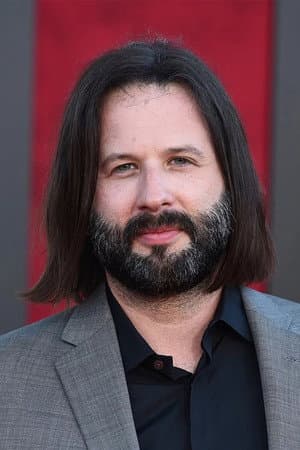
Gary Dauberman, one of the most prolific screenwriters working in the horror genre today, has signed a first-look deal with Blumhouse Atomic, the new label announced by Jason Blum's Blumhouse. The agreement gives the company a first opportunity to develop and produce Dauberman's original film projects, and it extends one of the more durable creative partnerships in modern horror.
Dauberman is hardly a newcomer to the Blumhouse fold. He wrote "Annabelle" and its sequel "Annabelle: Creation," both of which the company produced, and he penned "The Nun" and its sequel within the same extended universe of demonic horror. He also wrote the two-part adaptation of Stephen King's "It" for Warner Bros., films that demonstrated his ability to translate dense, beloved source material into crowd-pleasing mainstream entertainment. His directorial debut, "Annabelle Comes Home," which he also wrote, showed that his ambitions extend behind the camera as well as in front of a blank page.
The timing of the announcement is notable. Blumhouse Atomic is a fresh venture for the company, and locking in a writer with Dauberman's track record signals an intention to build the label around proven genre talent rather than starting from scratch. In an era when horror remains one of the most reliable returns on investment in Hollywood, a first-look deal with a known quantity is a straightforward bet - one that gives the company a steady pipeline of material while offering the writer a home base for his own ideas.
A Career Built on Franchise Horror
Dauberman's résumé reads like a map of the past decade's biggest horror success stories. His work on the "Conjuring" universe kept that series expanding into spin-offs, and his scripts for the "It" films helped turn a nostalgic property into a major theatrical event. Those projects share a sensibility: they favor atmosphere and character over jump scares, and they treat their source material with a respect that has earned him a reputation as a reliable steward of established properties.
That reputation has value beyond any single deal. Studios looking to revive or extend a horror franchise often want a writer who understands how to honor what made the original work while finding something new. Dauberman has done that repeatedly, and the first-look arrangement gives the company access to that skill set on a consistent basis.
What First-Look Deals Actually Mean
For readers who don't follow industry contracts closely, a first-look deal is a common arrangement in which a studio or production company gets the right of first refusal on a creator's projects. If the company passes, the creator can take the idea elsewhere. It is not a guarantee that every project will be made, and it doesn't prevent a writer from working on assignments for other studios. What it does is formalize a relationship and give the company a front-row seat to new material as it develops.
In practice, these deals are as much about relationships as about contracts. Blumhouse has built its brand on cultivating long-term collaborations with directors and writers who share its sensibility, and this agreement fits that pattern. The company's willingness to commit to a first-look arrangement suggests confidence in the partnership rather than a purely transactional calculation.
An Industry That Keeps Betting on Horror
The deal also reflects broader trends. Horror has remained one of the few genres that consistently delivers strong returns relative to budget, and the appetite for new genre content shows no sign of fading. Streamers and theatrical distributors alike continue to buy scary movies, and the writers who can deliver them have leverage. Dauberman's deal is a reminder that the people behind the camera - and behind the keyboard - remain valuable assets in an industry that often focuses its attention on stars and directors.
For Blumhouse, the agreement strengthens a roster that already includes a number of genre specialists. For Dauberman, it provides a creative home where his specific interests and instincts are understood. Neither side has announced a specific project under the new arrangement, and it would be premature to speculate about titles or release dates. What the deal does establish is a formal track for developing original material, and that is likely the most meaningful detail for fans of his work.
Looking Ahead
What projects might emerge from the collaboration remain unknown, but the deal's significance lies in what it represents: a vote of confidence in a writer whose name has become synonymous with mainstream horror. The genre's commercial resilience has made reliable creators more valuable than ever, and Dauberman has spent the past decade proving that he can deliver within both established franchises and original concepts.
For Hollywood Buzz readers, the takeaway is simple. A first-look deal rarely generates headlines on its own, but it often precedes them. If and when Dauberman brings a new project to Blumhouse Atomic, today's announcement will look like the opening chapter rather than a footnote.
Source: Hollywood Reporter