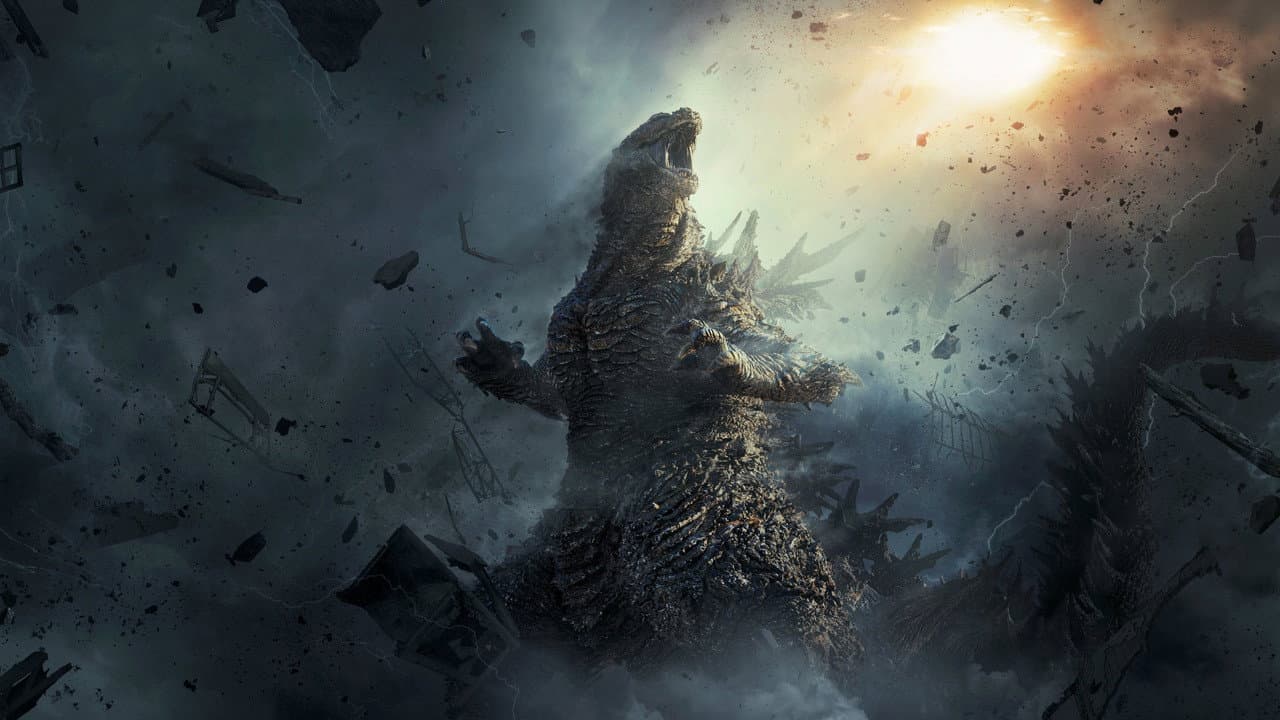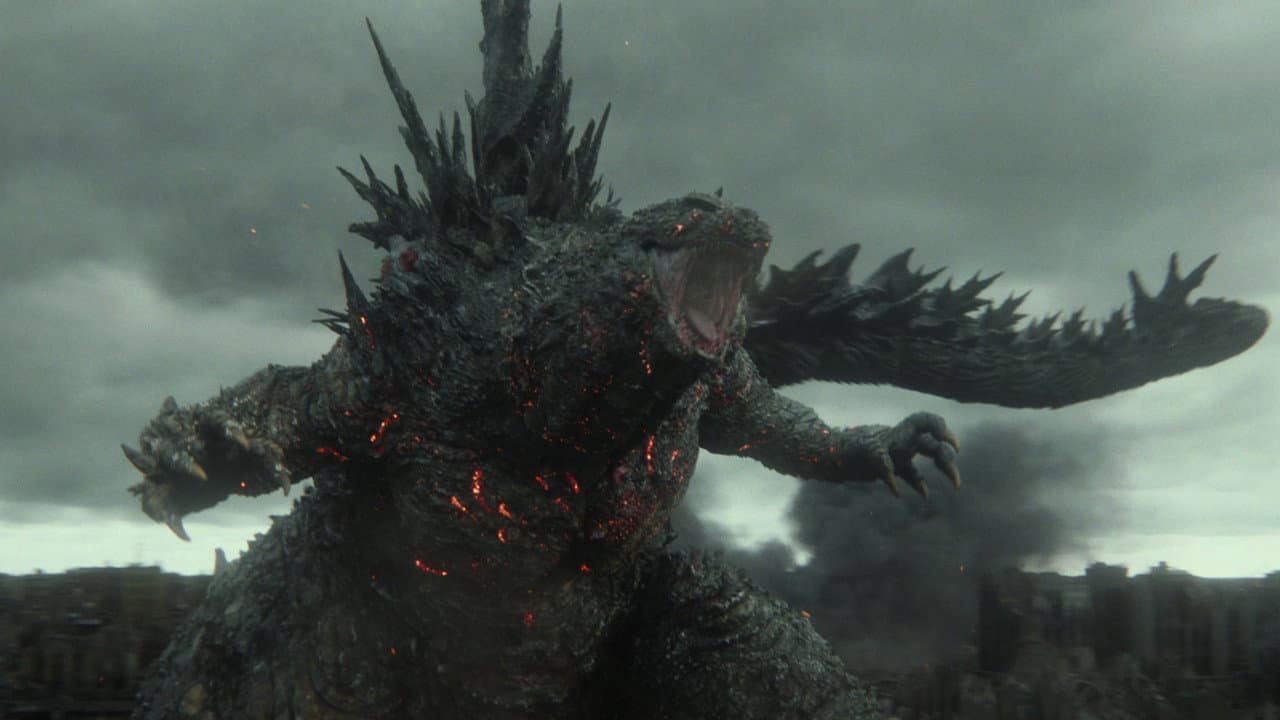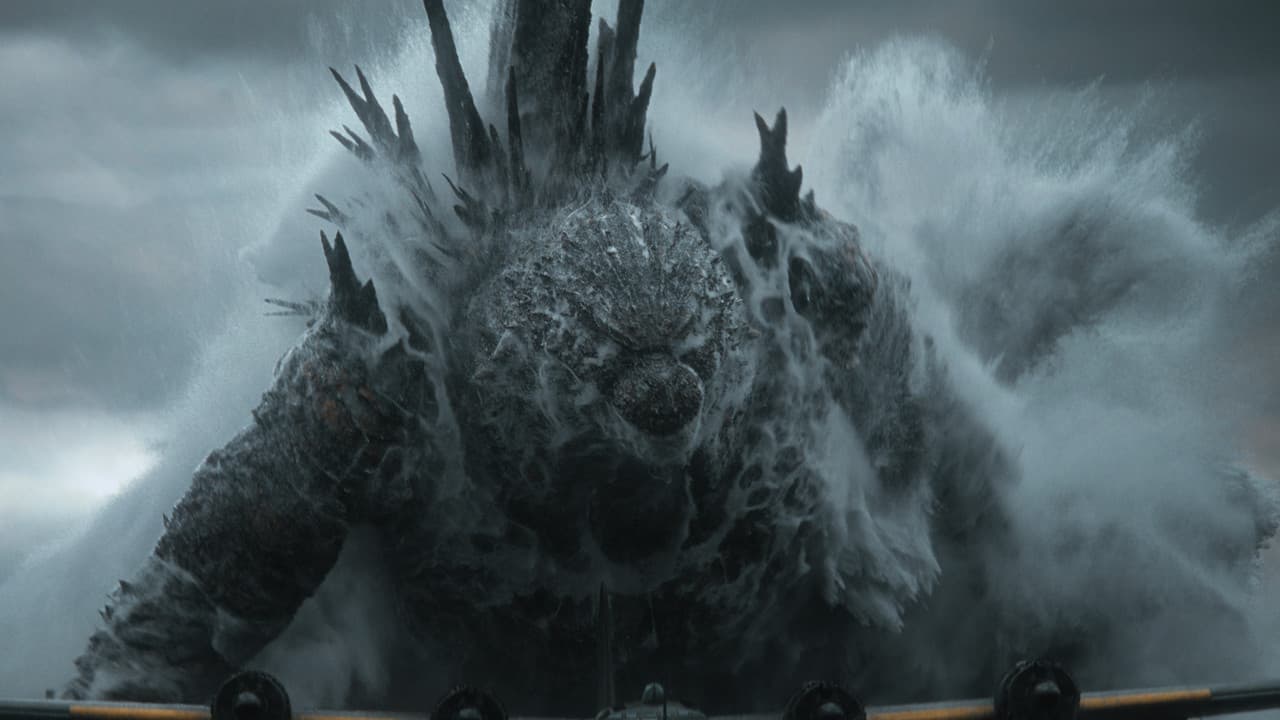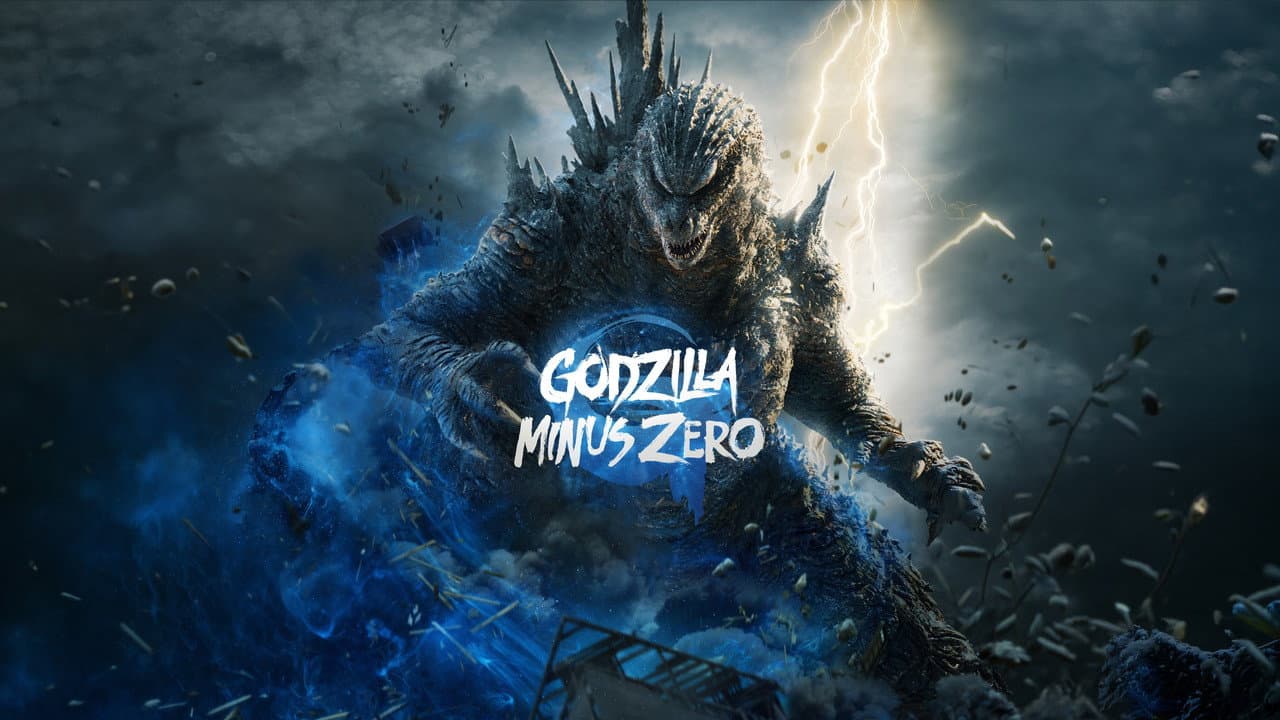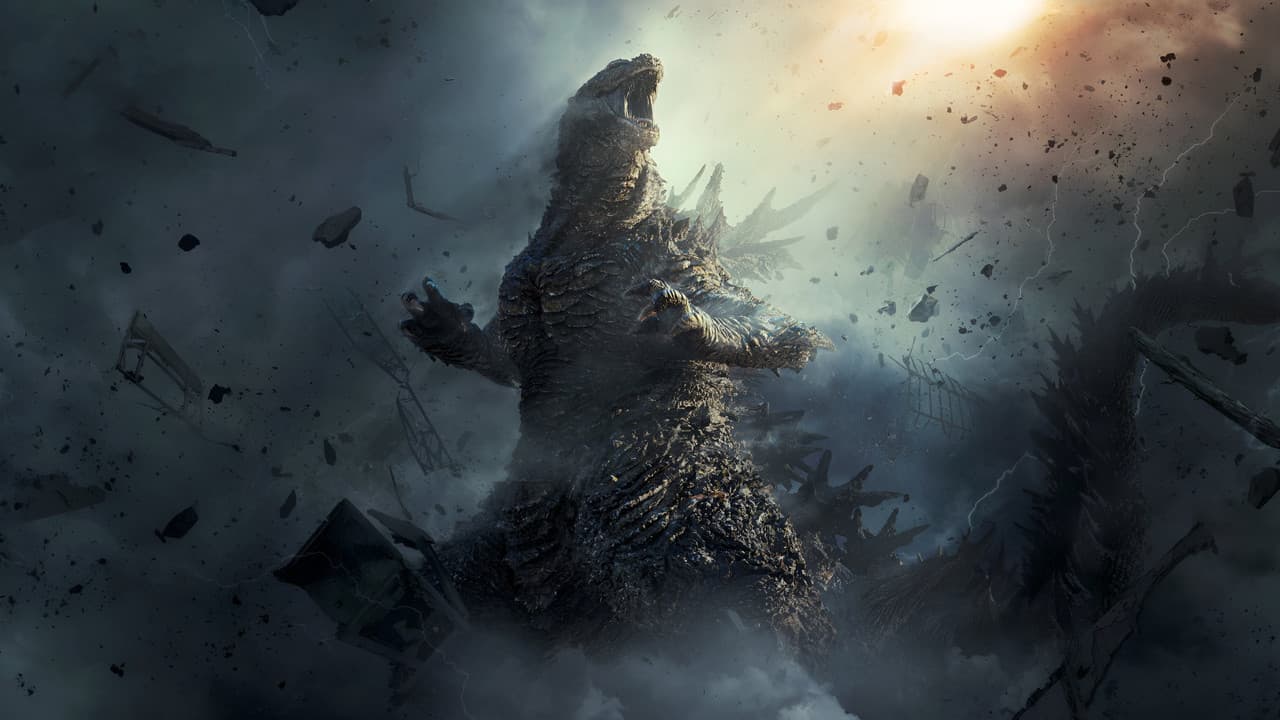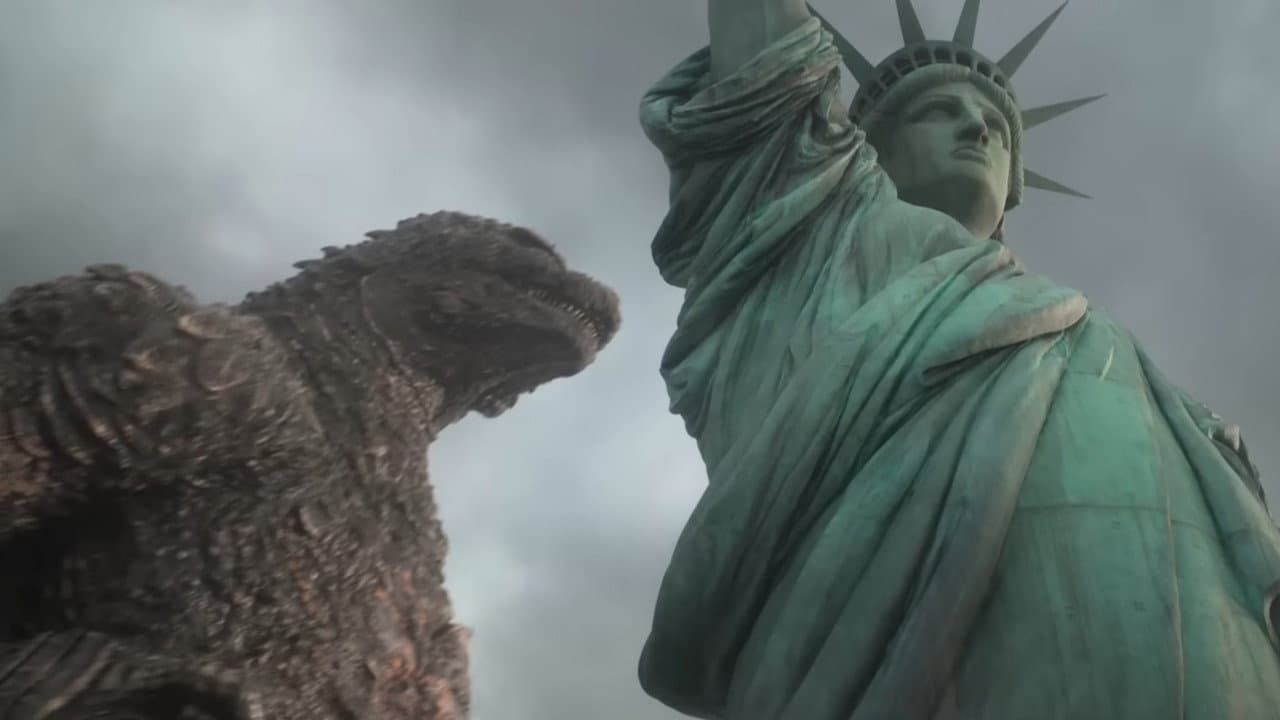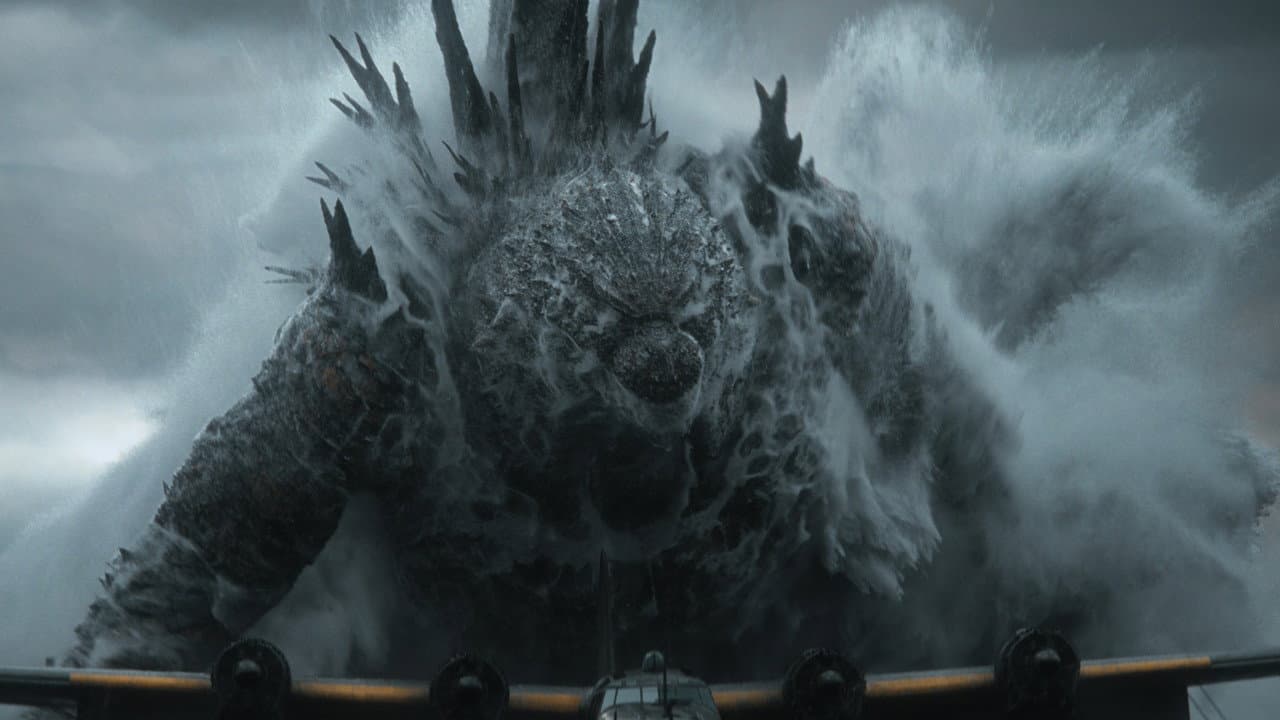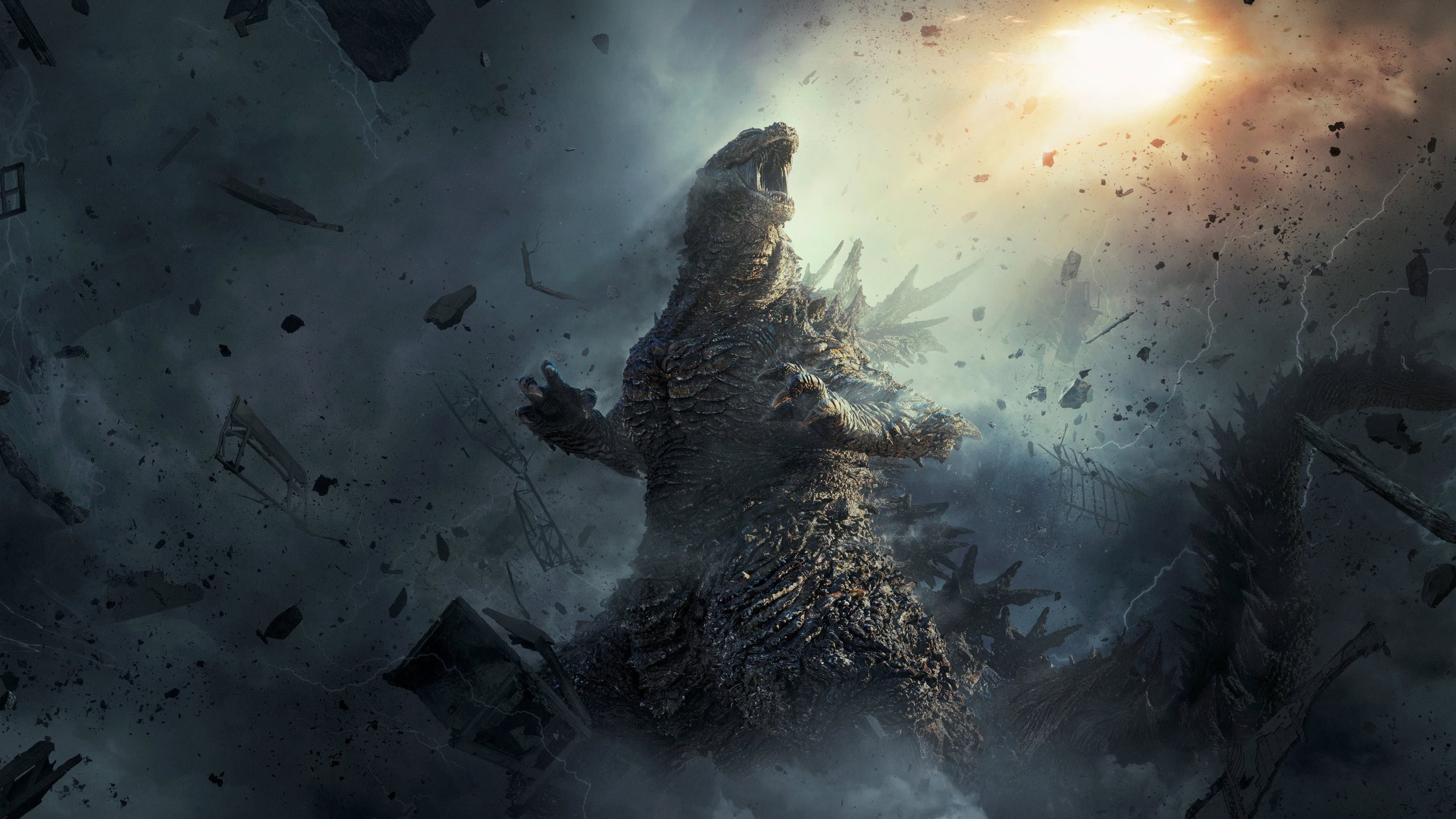
Steady rain turned the opening night of the Tokyo Film Festival into a glistening, umbrella-filled spectacle on Monday, as Japanese stars braved the downpour to greet crowds along a red carpet that reflected every flashbulb. The mood among festival-goers was as electric as the weather was miserable, with much of the conversation fixed on one title: Godzilla Minus Zero, the latest entry in Toho's long-running monster series, due in theaters just over a week after the festival closes.
Directed by Takashi Yamazaki, the film arrives with unusually heavy expectations. Its release is set for November 3, 2026, and the festival has positioned it as a centerpiece of the Japanese lineup. Attendees clutching programs could be heard debating how the new installment connects to the grim postwar world established in its predecessor, and whether Yamazaki can repeat the critical and commercial success that made his previous Godzilla film a global talking point.
A Somber Premise for a Festival Opener
The official synopsis offers little comfort. War reduced Japan to zero, and Godzilla plunged it into minus. Two years have passed since then, and the country has faced agonizing struggles to achieve recovery and finally reclaim its daily life. Just as humanity managed to cling to a hard-won peace, a new threat strikes, crushing hope in an instant. There is no third time. Everything ends here.
That sense of finality hung over the carpet interviews, where questions about the film's tone drew serious, measured answers rather than the usual blockbuster cheer. The story's DNA - science fiction, horror and action in equal measure - suggests Yamazaki is again aiming for something darker and more mournful than a standard creature feature. At 135 minutes, the film is a substantial sit, and the Japanese-language production is being positioned as a major international event rather than a domestic release alone.
A Cast Built on Familiar Faces
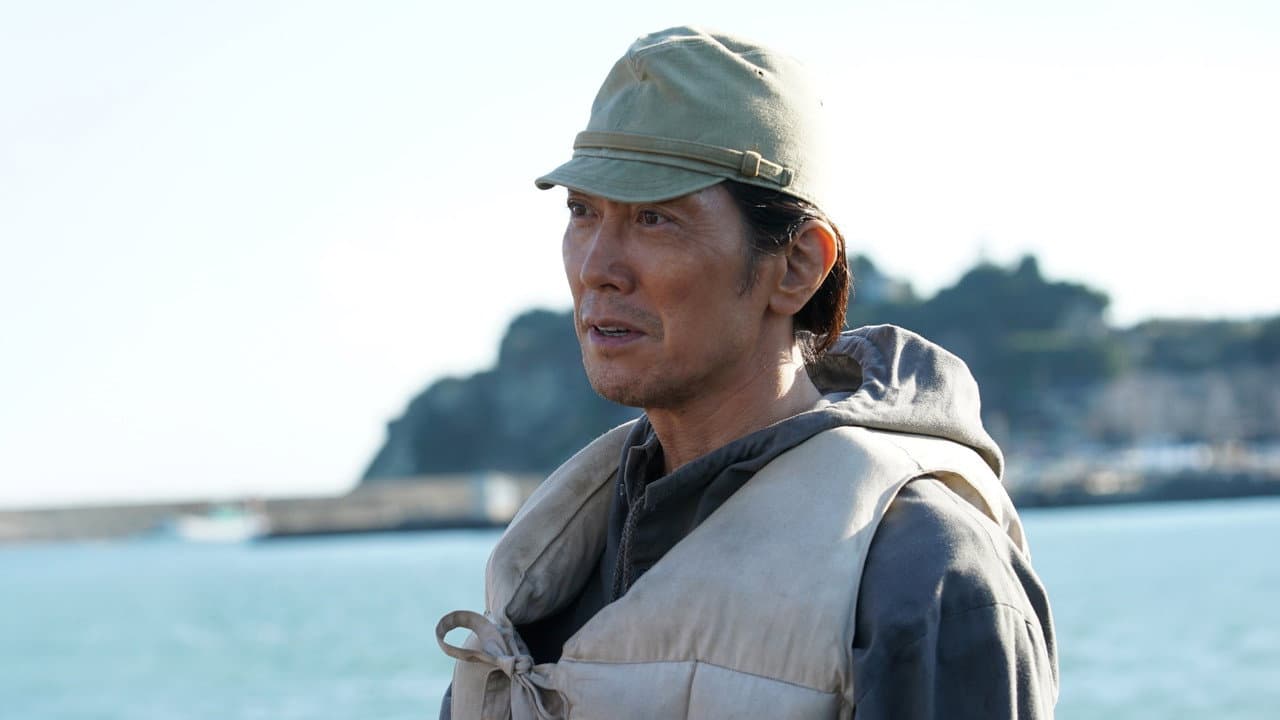
Ryunosuke Kamiki leads as Koichi Shikishima, with Minami Hamabe as Noriko Oishi. Yuki Yamada appears as Shiro Mizushima, Kuranosuke Sasaki as Seiji Akitsu, and Miou Tanaka as Captain Tatsuo Hotta. Sakura Ando plays Sumiko Ota, Masami Nagasawa is Aoyama, and Jun Kunimura rounds out the ensemble. The roster mixes younger stars with veteran character actors, a combination that festival organizers clearly hope will draw both devoted genre fans and general audiences.
Kamiki and Hamabe, both familiar to Japanese viewers from prior collaborations, drew some of the loudest cheers of the evening despite the rain. Neither offered elaborate remarks, but their presence alone kept photographers clustered near the entrance. The cast's involvement in a project with this much cultural weight is itself a statement: for Japanese performers, a Godzilla film remains a career marker, and Yamazaki's cast list reads like a deliberate gathering of the country's most reliable screen talents.
A Festival Leaning Into Genre
That a monster movie is generating the festival's biggest buzz says something about how the event is evolving. Tokyo has increasingly made room for large-scale genre filmmaking alongside its art-house selections, and the decision to spotlight Godzilla Minus Zero reflects an appetite for spectacle that travels well beyond Japan. Industry attendees on the carpet spoke of the film as a test case for how Japanese productions can compete internationally without softening their identity.
The comparison to Yamazaki's earlier Godzilla work was unavoidable. That film became an unexpected crossover hit, and the new one carries the burden of proving that success was not a fluke. The premise, which picks up two years after a devastating war and threatens to undo a fragile recovery, gives the director room to explore grief and resilience alongside the destruction. Whether audiences embrace that heavier register remains the open question of the festival.
What Comes Next
Godzilla Minus Zero opens in Japanese theaters on November 3, 2026, giving festival audiences a narrow window to build word of mouth before the wider public weighs in. For now, the film's ratings data remains essentially unformed, and no meaningful audience figures exist to gauge early reactions.
What the rain-soaked opening night did establish is that Tokyo's flagship festival still knows how to draw a crowd, and that Godzilla, more than six decades after his first appearance, remains the country's most potent cinematic export. As umbrellas tilted and cameras flashed, the message from the carpet was clear: Japan's biggest monster is back, and this time the stakes may be exactly as final as the synopsis promises.
Source: Hollywood Reporter