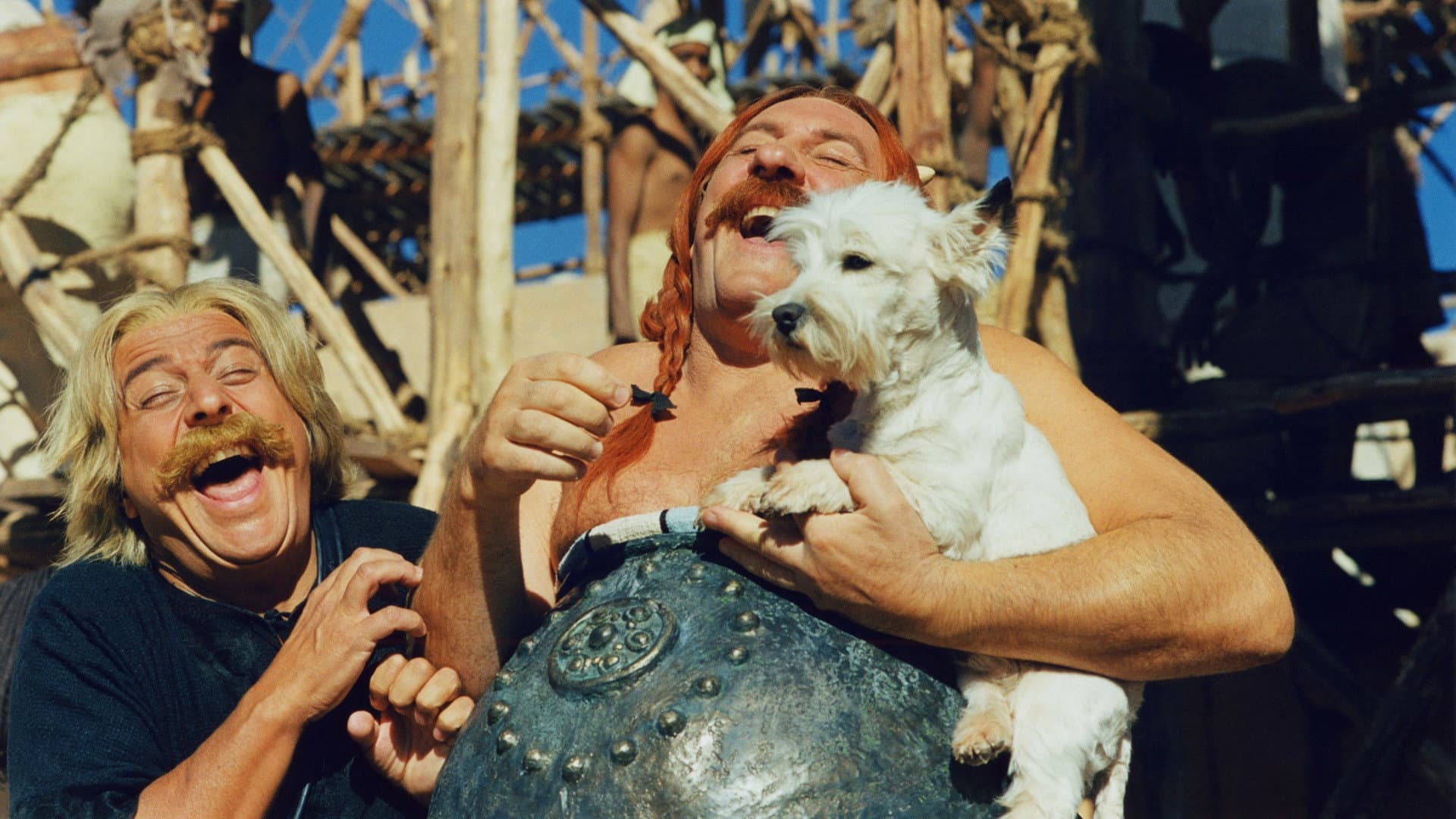
Asterix fans have a busy season ahead. A touring celebration dubbed the Great Asterix Film Festival is being organized around the beloved Gaulish hero, and it arrives alongside something collectors and longtime devotees have wanted for years: newly restored presentations of three classic Asterix animated features. Details such as venue lists, screening schedules and the exact lineup of titles are still taking shape, but the twin announcement alone has been enough to stir excitement among devotees of the indomitable little warrior and his towering companion Obelix.
For the uninitiated, Asterix needs little introduction. Created by writer René Goscinny and illustrator Albert Uderzo, the character debuted in 1959 in the pages of the French comics magazine Pilote and quickly grew into one of Europe's most recognizable pop-culture exports. The premise has always been simple and sturdy: a village of indomitable Gauls holds out against Roman occupation thanks to a magic potion that grants superhuman strength, and the diminutive, cunning Asterix - aided by the menhir-delivering Obelix and a memorable supporting cast - runs circles around the legions of Julius Caesar.
The animated adaptations have been part of that legacy almost from the beginning. Beginning in the 1960s, filmmakers brought the comics to the screen in hand-drawn features that introduced the characters to generations of children who might never have picked up the albums, and the films remain touchstones for viewers who grew up with them on television, in cinemas or on home video.
That is precisely why the restoration strand of the announcement matters so much. Animated cels and backgrounds age, and nitrate or color elements can fade, scratch and warp over decades. A proper restoration often means painstaking frame-by-frame work: cleaning dirt and damage, stabilizing the image, correcting color from reference materials and preserving the original grain and linework rather than sanding it away with digital smoothing. Done well, it lets audiences see the films closer to how their creators intended - and it can rescue detail that was lost in earlier, lower-quality transfers.
For the festival, the restored films should provide a centerpiece that appeals to more than nostalgia. Asterix has always played well in a crowd, and his adventures are built on wordplay, slapstick and a distinctly European flavor of satire that rewards communal viewing. A festival format offers organizers room to pair screenings with context - discussions of Goscinny and Uderzo's creative partnership, looks at how the animation was produced, or conversations about the character's enduring place in popular culture.
The announcement also lands at a moment when Asterix is enjoying a broader resurgence. The live-action franchise has been rebooted in recent years with new cast members stepping into the sandals of the heroes, while the comics continue under new authors following Uderzo's death in 2020. A restored screen retrospective fits neatly into that wider revival, giving audiences a chance to revisit the older films with fresh eyes and perhaps introducing them to younger viewers who know the character chiefly through newer adaptations.
Whether the festival will travel across multiple cities or anchor in one location remains to be confirmed, and the same goes for which three films have received the restoration treatment. Those are questions organizers will need to answer soon, because anticipation is already building. For now, the message is clear: the Gauls are making a return to the big screen, and this time they are bringing their best-preserved selves along for the ride.
Source: Hollywood Reporter