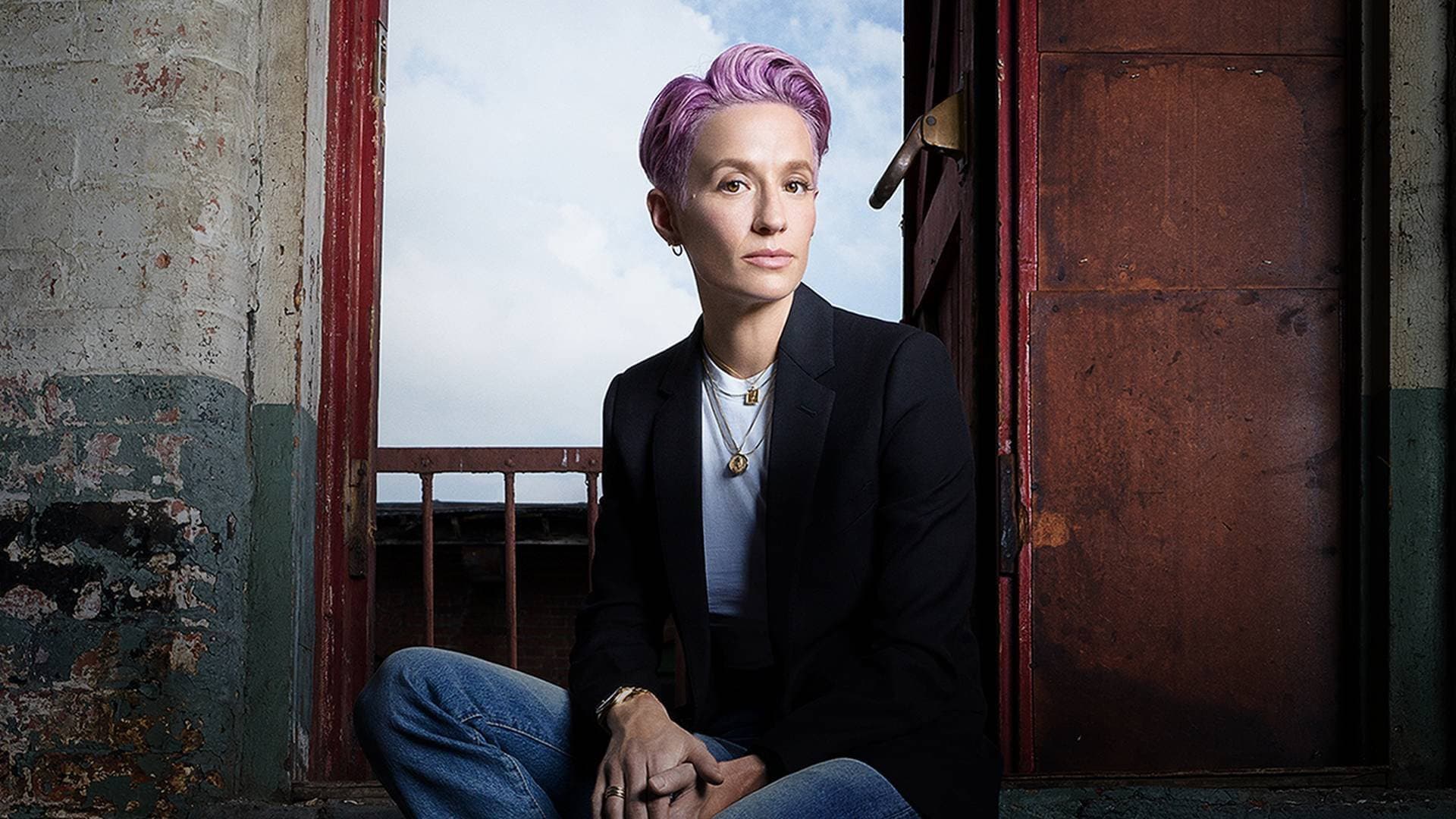
HBO has picked up a documentary about Megan Rapinoe, the retired United States women's national team star whose influence has long stretched well past the touchline. The premium cable network and streaming service acquired the film in a deal that signals continued appetite for sports nonfiction built around a single, complicated figure rather than a season recap or a highlight reel.
The project, which HBO secured in what was described as a competitive situation, centers on Rapinoe's career and her emergence as one of the most recognizable - and most polarizing - athletes of her generation. She won two World Cups with the U.S. team and an Olympic gold medal, claimed a Ballon d'Or, and spent more than a decade as a fixture for the Seattle-based NWSL club and for OL Reign before that. She also became, deliberately, a political presence: kneeling during the national anthem years before it became a league-wide flashpoint, sparring publicly with then-President Donald Trump, and campaigning for equal pay alongside her teammates in a lawsuit against U.S. Soccer that ended in a settlement.
For HBO, the acquisition fits a familiar pattern. The network has built a steady business in sports documentaries that double as character studies - films about athletes whose careers open onto larger arguments about race, money, gender, and power. A Rapinoe film arrives with those themes already baked in. She is not merely a great player; she is a case study in what happens when an athlete declines to stay in the lane assigned to her.
That dual identity is presumably the bet. A straight soccer documentary would have a natural ceiling: fans of the women's game, plus the casual viewer who tunes in for World Cup nostalgia. A Rapinoe documentary can aim wider. Her story touches on labor organizing, LGBTQ visibility - she is married to basketball legend Sue Bird - and the shifting politics of American sports, where taking a knee went from career risk to corporate branding exercise in less than a decade.
The timing is not accidental. Rapinoe retired from professional soccer in 2023, closing a career that began in earnest at the University of Portland and included a breakout run at the 2011 World Cup before she became the face of the 2019 tournament in France. Since stepping away from the pitch, she has stayed in the public conversation through commentary, advocacy, and a memoir. A documentary offers something a book cannot: the visual record of the moment itself, the crowds, the boos, the chants.
HBO has not announced a release date or a director, and details about the film's structure remain under wraps. What is clear is the editorial instinct behind the purchase. Nonfiction sports programming has become one of the most reliable corners of the streaming business, in part because the raw material is cheap relative to scripted production and the built-in audience is passionate. The recent boom in athlete documentaries - from basketball to gymnastics to Formula 1 - has proven that viewers will sit through archival footage and talking heads if the subject is compelling enough.
Rapinoe qualifies. She is articulate, unbothered by confrontation, and has spent years being asked to defend positions that many of her peers avoided. That makes her an unusually cooperative subject for a filmmaker, in the sense that she will say things. It also makes her a lightning rod, which is useful when you are trying to get people to press play.
The open question is tone. A film that leans too hard into hagiography risks boring the audience it most wants to reach. A film that flattens her into a controversy generator would waste the athletic career that made the controversy matter. The best version of this documentary would hold both threads at once - the midfielder who could bend a free kick into the top corner and the person who decided, at considerable cost, to use her platform for something other than selling shoes.
HBO is wagering that Rapinoe's story still has cultural velocity, even with her playing days behind her. Given how thoroughly she reshaped what an American soccer player is allowed to be, that seems like a reasonable bet.
Source: Hollywood Reporter