Quentin Tarantino's "Inglourious Basterds" has long been celebrated for its multilingual ensemble, but two of its most memorable French performers nearly never made it into the finished film. Mélanie Laurent, who played the vengeful cinema owner Shosanna, and Isabelle Huppert, who was in line for a role, were both let go early in production before Laurent ultimately returned to the project. The story of how that happened has circulated among fans for years and remains one of the more surprising footnotes in the making of the 2009 war thriller.
A Language Problem on Set
According to accounts of the production, Tarantino's decision to cut Laurent and Huppert early on was not driven by their acting. The director reportedly felt that neither actress was sufficiently proficient in English for the demands of the shoot, and the schedule did not allow the time he believed was needed to bring them up to speed. At that stage, the director chose to move on rather than reshape the production around language coaching. The irony is hard to miss: "Inglourious Basterds" is a film built on the tension between languages, with characters shifting between English, German, French, and Italian, and communication itself serving as a weapon.
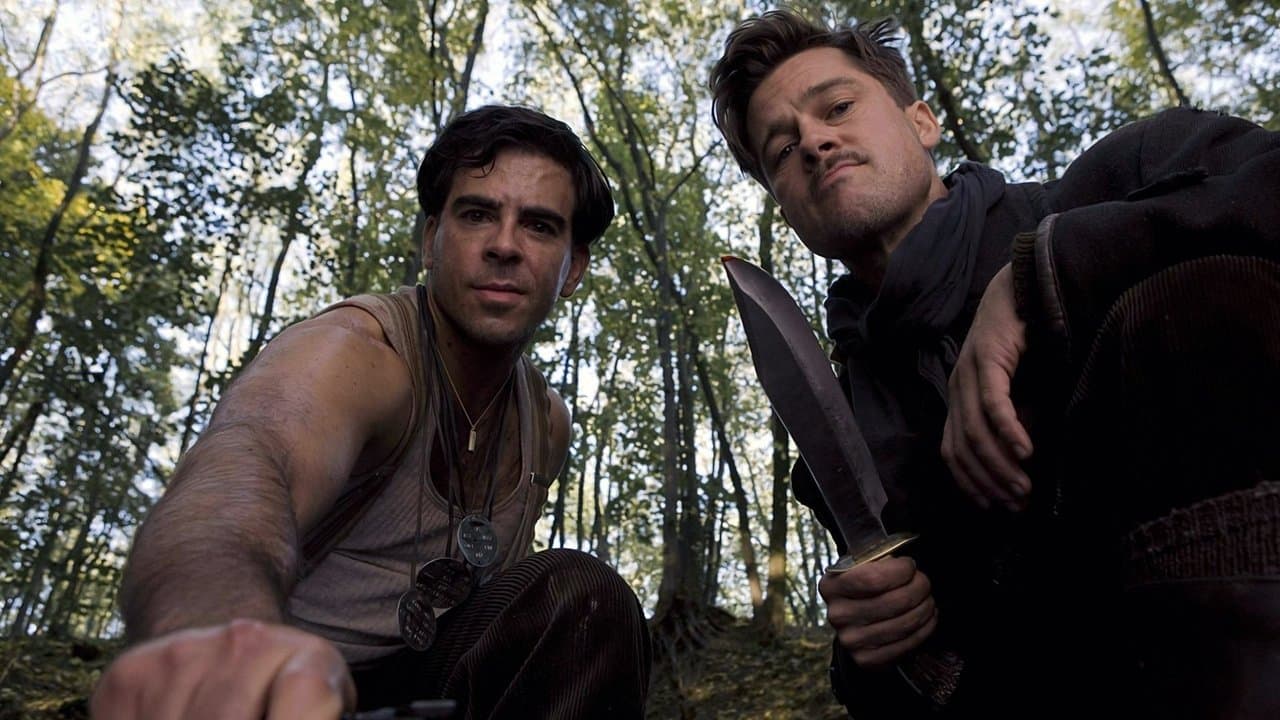
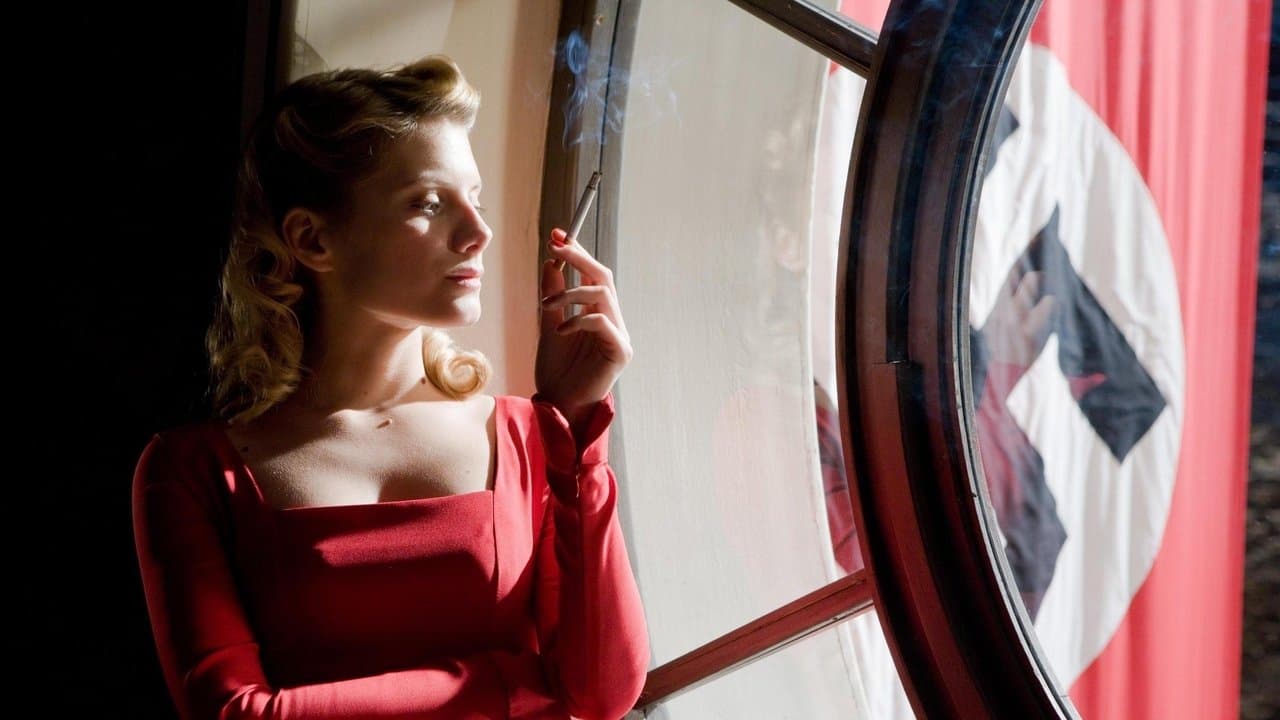
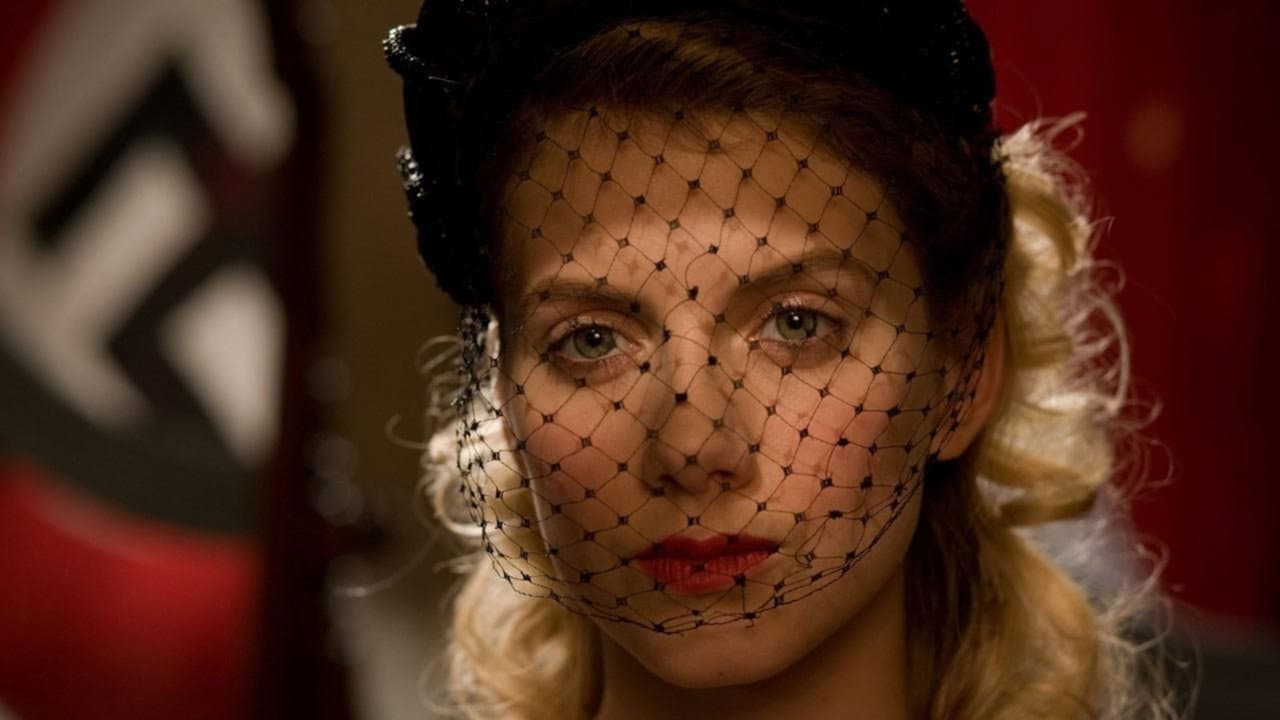
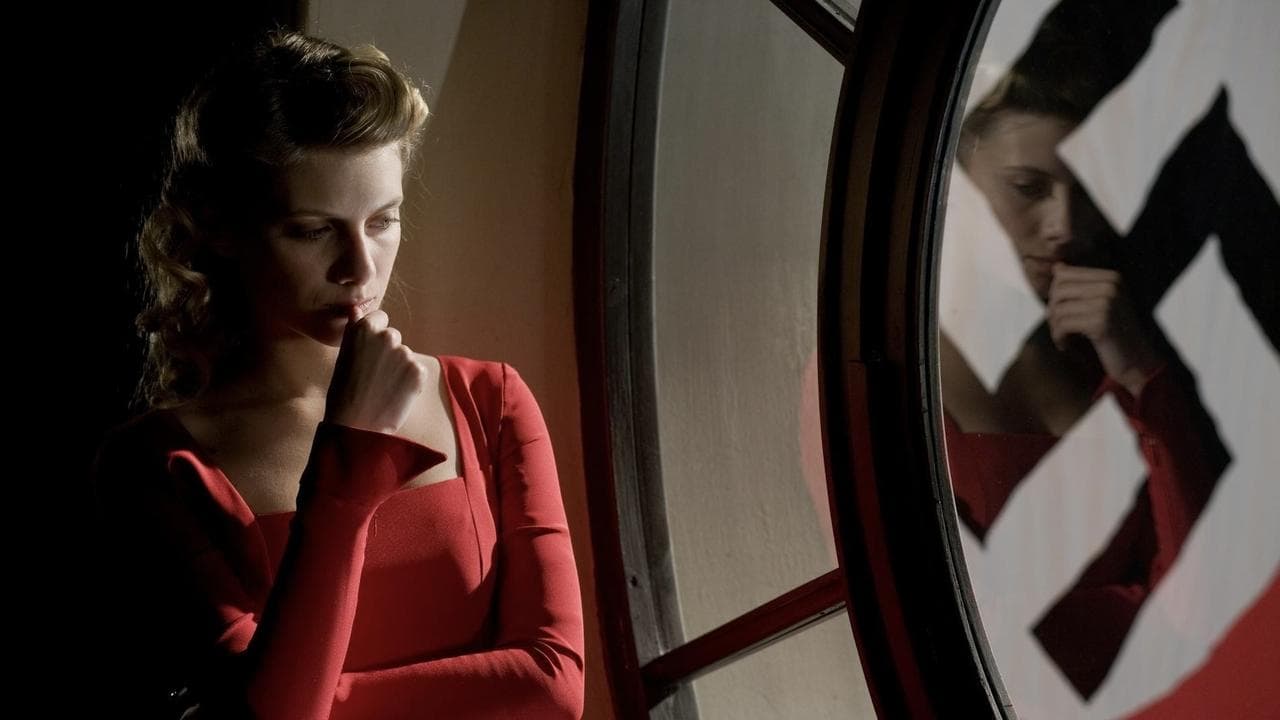
Laurent's exit proved temporary. She came back to the role of Shosanna, the French-Jewish teenager hiding in plain sight as the proprietor of a Paris movie theater, and the part became the breakout American production role of her career. In the film, her character's theater becomes the target of a Nazi propaganda event and the stage for a violent plan of retribution that intersects with the mission of the Basterds, the Jewish-American unit led by Brad Pitt's Lt. Aldo Raine. Huppert, one of France's most decorated actresses, did not end up in the movie. The version of the story that has circulated does not identify which part she was considered for.
A Cast Built Across Borders
The film's ensemble reads like a map of European and American talent. Christoph Waltz won widespread acclaim as Col. Hans Landa, the "Jew Hunter" whose polyglot charm masks menace. Michael Fassbender appeared as Lt. Archie Hicox, Diane Kruger as the German actress and spy Bridget von Hammersmark, Daniel Brühl as the war hero turned movie star Fredrick Zoller, and Til Schweiger as Sgt. Hugo Stiglitz. Eli Roth rounded out the Basterds as Sgt. Donny Donowitz. The production's willingness to cycle through casting candidates, even established names, reflects how precisely Tarantino approached the film's language-driven set pieces.
Released on August 2, 2009, "Inglourious Basterds" runs 153 minutes and blends drama, thriller, and war elements into a revisionist World War II story set in Nazi-occupied France. The Basterds are tasked with spreading fear through the Third Reich by hunting and scalping Nazis, and their path crosses with Shosanna's. The film holds a TMDb rating of 8.217 out of 10 and an IMDb rating of 8.4, numbers that place it among the director's most popular works.
What the Episode Says About the Film
For fans of the movie, the casting detour underscores how much of its identity rests on performance and language. Shosanna's arc depends on a character who can move between French and English while concealing her identity, and Laurent's eventual success in the role makes the initial firing feel like a near miss that was corrected. Huppert's absence is the more open-ended what-if: a major French actress considered and then dropped before cameras rolled.
Neither performer has been quoted here, and the accounts of the firings are drawn from reporting on the production rather than from a single on-the-record statement. For a film that turns conversation into combat, the behind-the-scenes negotiations over language carry an odd resonance. In the end, the movie that emerged is a testament to second chances and to how narrowly some of its most important casting decisions were made.
Source: Hollywood Reporter