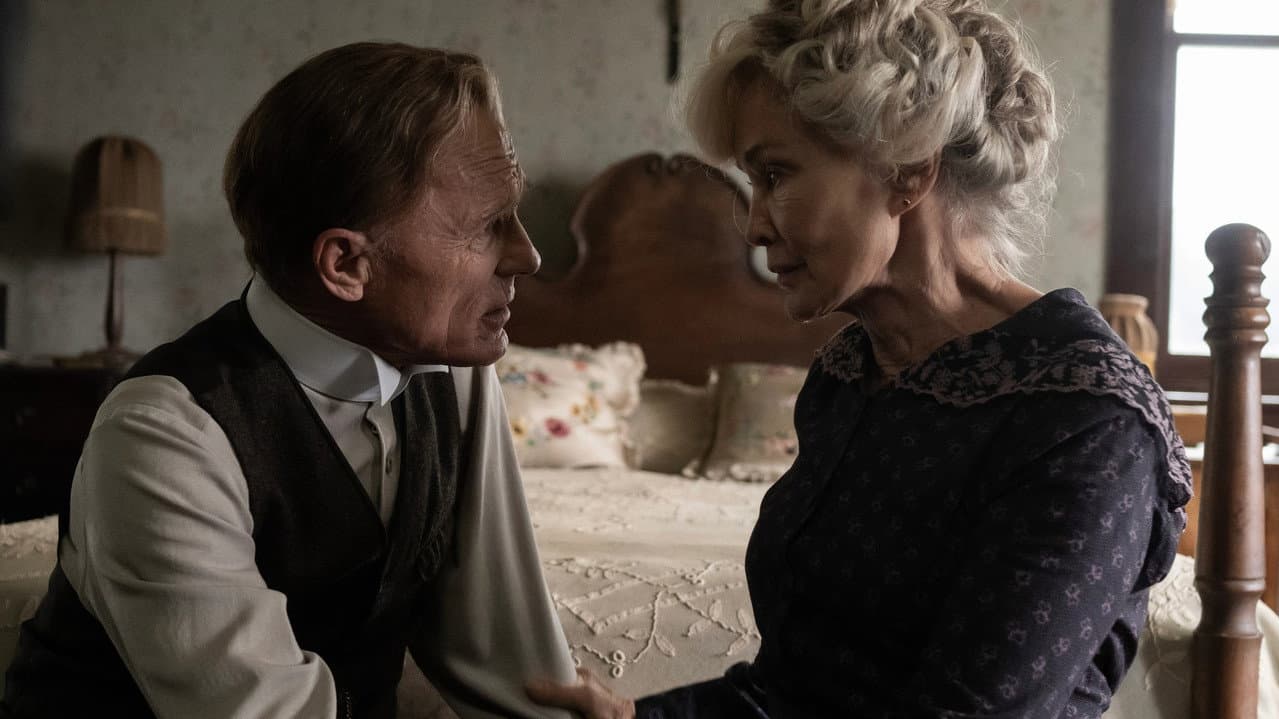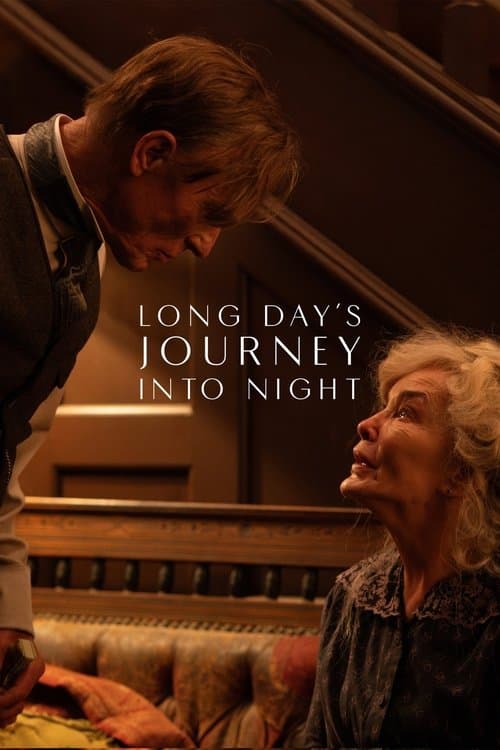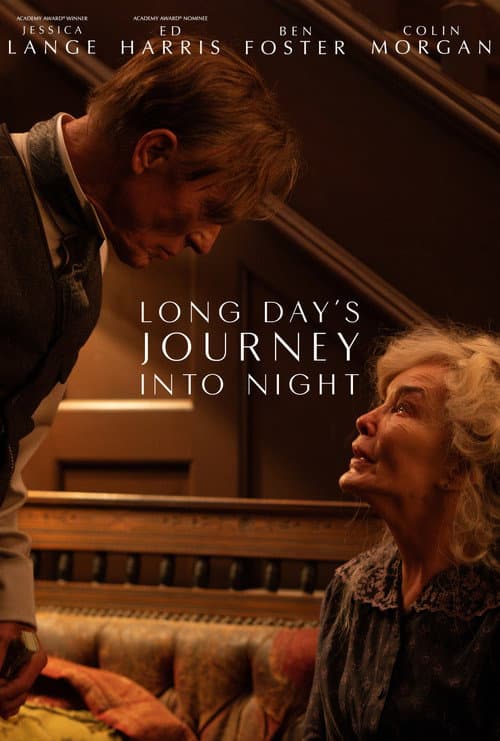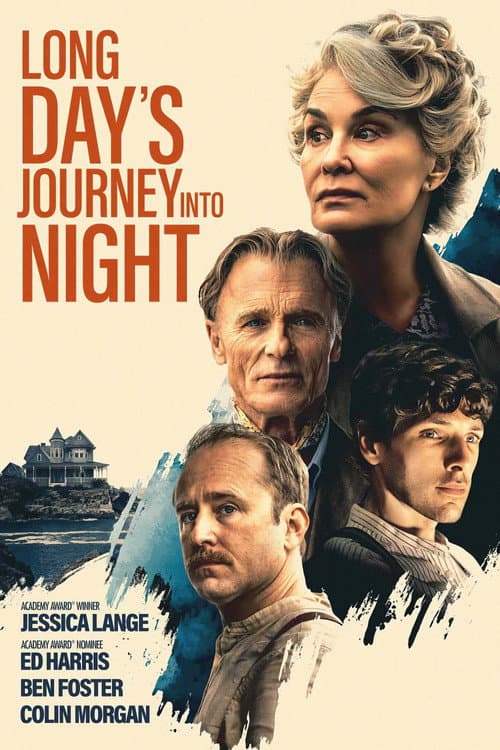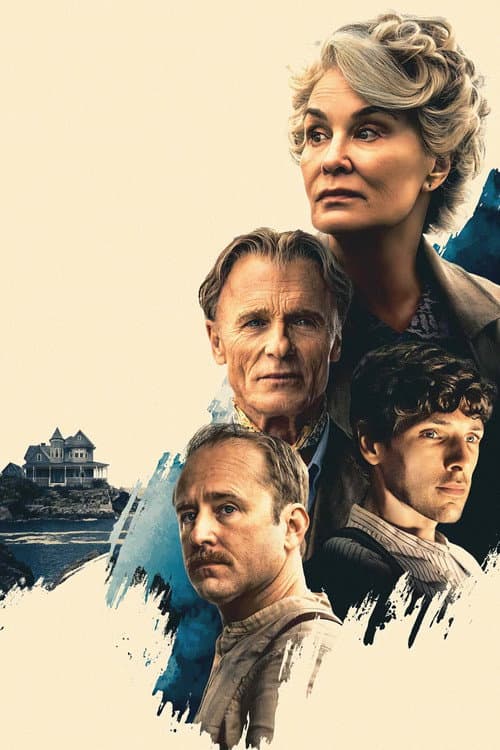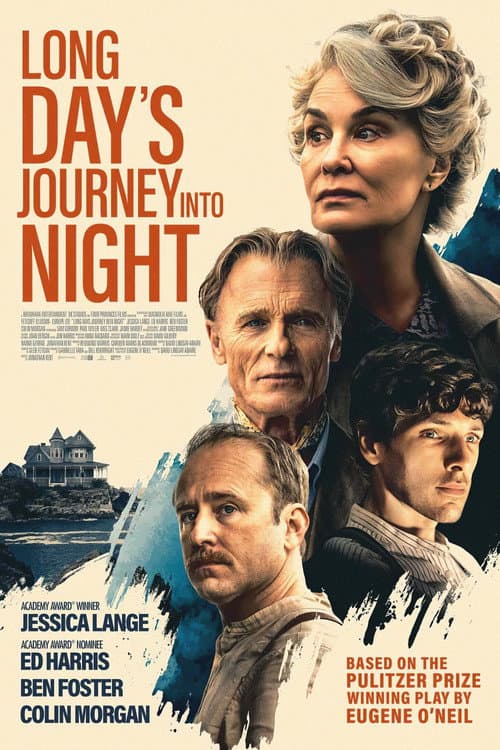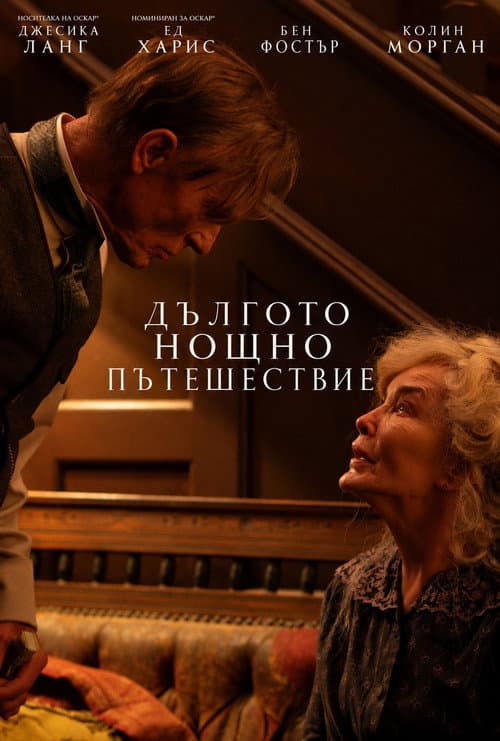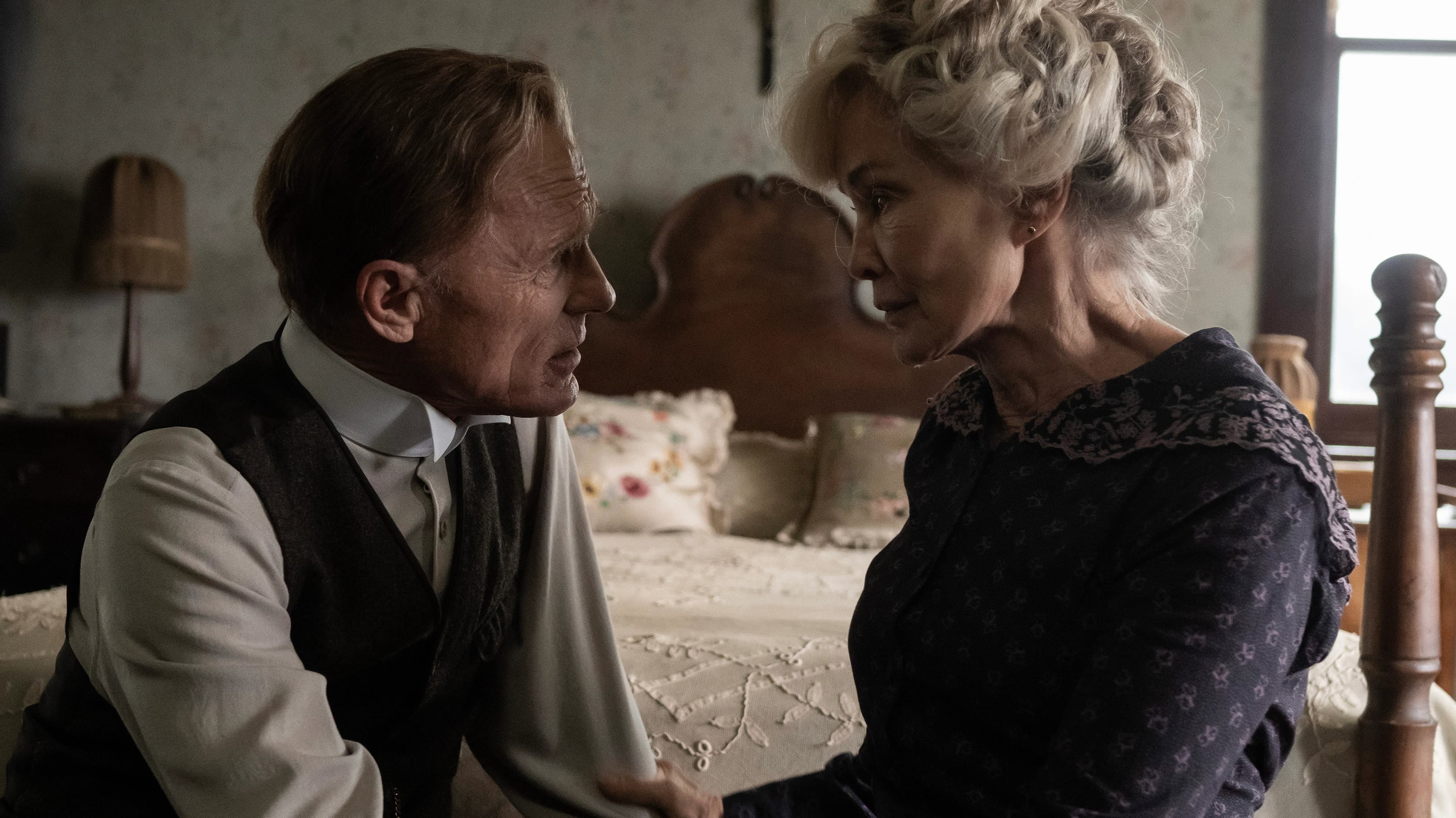
Jessica Lange has spent much of her career circling back to the stage roles that shaped her, and this fall she completes a particular circuit: she stars as Mary Tyrone in Jonathan Kent's new film adaptation of Eugene O'Neill's "Long Day's Journey Into Night," which opened in theaters on September 25, 2026. The 109-minute drama, produced within the Hollywood studio system and shot in English, marks a rare big-screen treatment of the play, which has lived most vividly in the theater since it was first performed in the 1950s. It is a role Lange has played before - on Broadway and in London - and returning to it on film, she says, was less an opportunity than an obligation.
"Mary is one of the great parts, and you don't get to keep a part like that to yourself," Lange said in a recent conversation about the film. "You do it, and then if you're asked to do it again in a different form, you say yes, because the material demands it."
The film condenses O'Neill's portrait of the Tyrone family into a single day at their Connecticut home. Mary, a former convent girl turned actor's wife, is sliding back into morphine addiction; her husband, James, a celebrated matinee idol grown stingy and regretful, spars with their elder son, Jamie, a drunkard with a mean streak, and their younger son, Edmund, who is ill with tuberculosis and dreams of being a writer. Over the course of the day, the four circle each other in escalating confrontations, dredging up old betrayals and new wounds. Kent's version keeps the claustrophobia of the family house intact while opening the drama up just enough to let the performances breathe.
Lange is joined by a cast of stage-hardened actors: Ed Harris as James Tyrone, Ben Foster as Jamie, and Colin Morgan as Edmund. Supporting roles go to Ericka Roe as Cathleen, Derek Carroll as Smythe, and Lesa Thurman as Bridget. The ensemble plays O'Neill's long, roiling speeches as conversation rather than declamation, and the result - at least on paper - is a chamber piece that lands its emotional blows through accumulation rather than outburst.
For Lange, the film is part of a broader late-career resurgence that includes her widely praised work on television. She has been a fixture of Ryan Murphy's "American Horror Story" since its first season, playing a gallery of unstable matriarchs, glamorous monsters and haunted women, and she confirmed this month that she will return for another installment of the anthology. The news will be a relief to viewers who had assumed her screen work was winding down - she has alluded more than once to retirement, and at 77, she has little left to prove.
But those retirement rumors, she suggested, are not so much false as premature.
"I'm not retiring," she said flatly. "I've said I was done many times, and then something comes along and you think, no, I can't not do that. My idea of retirement is doing less of what I don't want to do."
That attitude has defined her choices in recent years. She has alternated between the macabre theatrics of "American Horror Story" and more somber projects, and Kent's film falls squarely in the latter camp. The director, known largely for his theater work, directs with a restraint that lets O'Neill's language carry the weight. The film runs 109 minutes, short by comparison with the four-hour stage versions that preceded it, and much of the cutting has come from the play's repetitions, tightening the screws on the family's slow unraveling.
The film's release has been quiet, without the marketing push usually reserved for awards-season prestige pictures, but early attention has focused on Lange's performance, which trades grand guignol for something smaller and more devastating: a woman who knows exactly what is happening to her and can't stop it. Whether "Long Day's Journey Into Night" makes a mark with audiences remains to be seen - it is a demanding film, and O'Neill's bleakness does not soften with age. What it does confirm is that Lange remains one of the most fearless actors of her generation, willing to inhabit the darkest rooms on screen and stage, and, despite everything, unwilling to walk away just yet.
Source: Hollywood Reporter