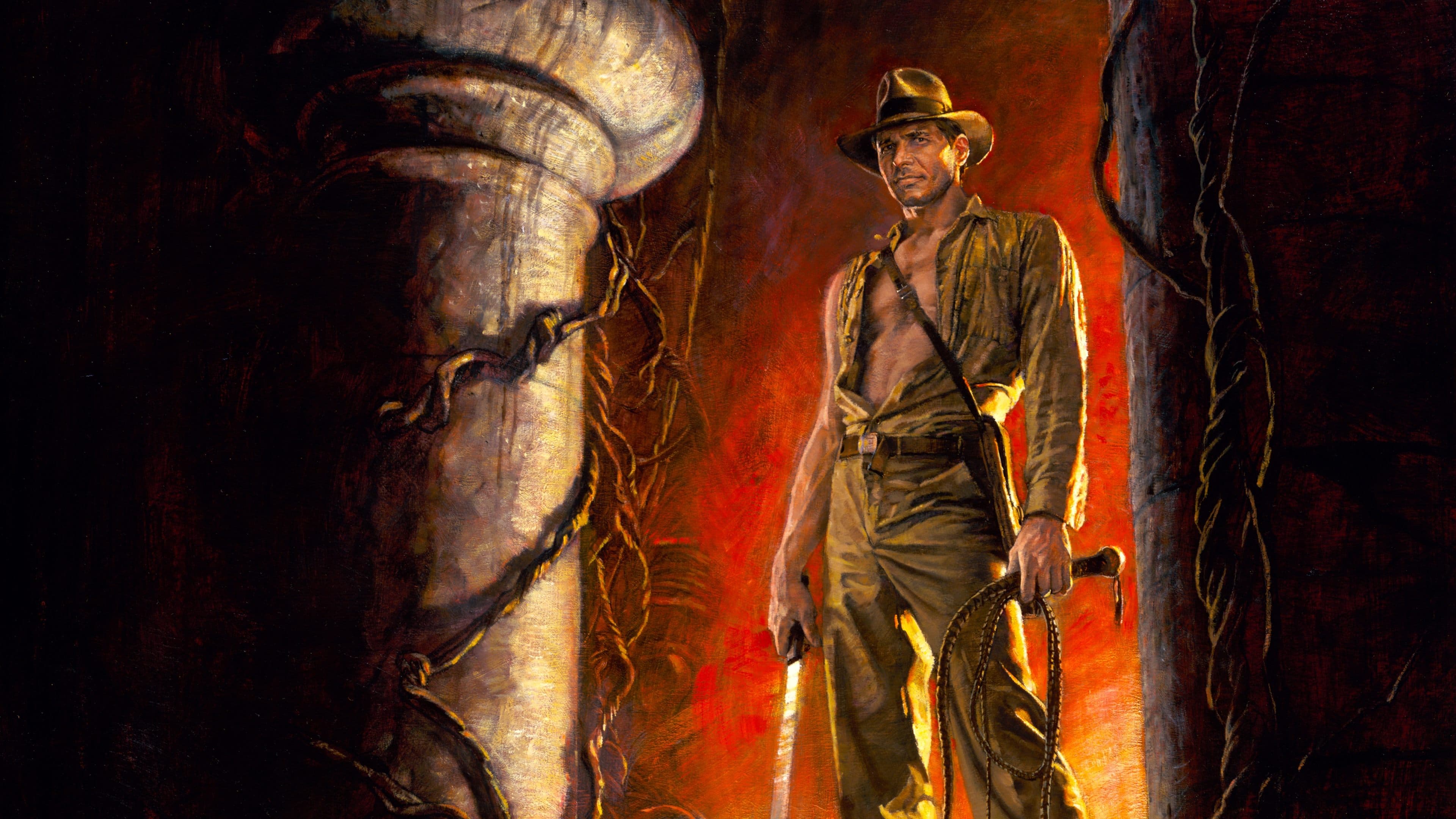
Ke Huy Quan has revealed that a residuals check tied to his work on Indiana Jones and the Temple of Doom landed in his mailbox recently, and the sum was far larger than anything he expected from a film he shot as a child more than four decades ago. The Oscar-winning actor said the payment came to roughly $100,000, a figure he described as generous and, by his own account, almost unbelievable for a performer who once assumed his screen career had ended before he reached adulthood.
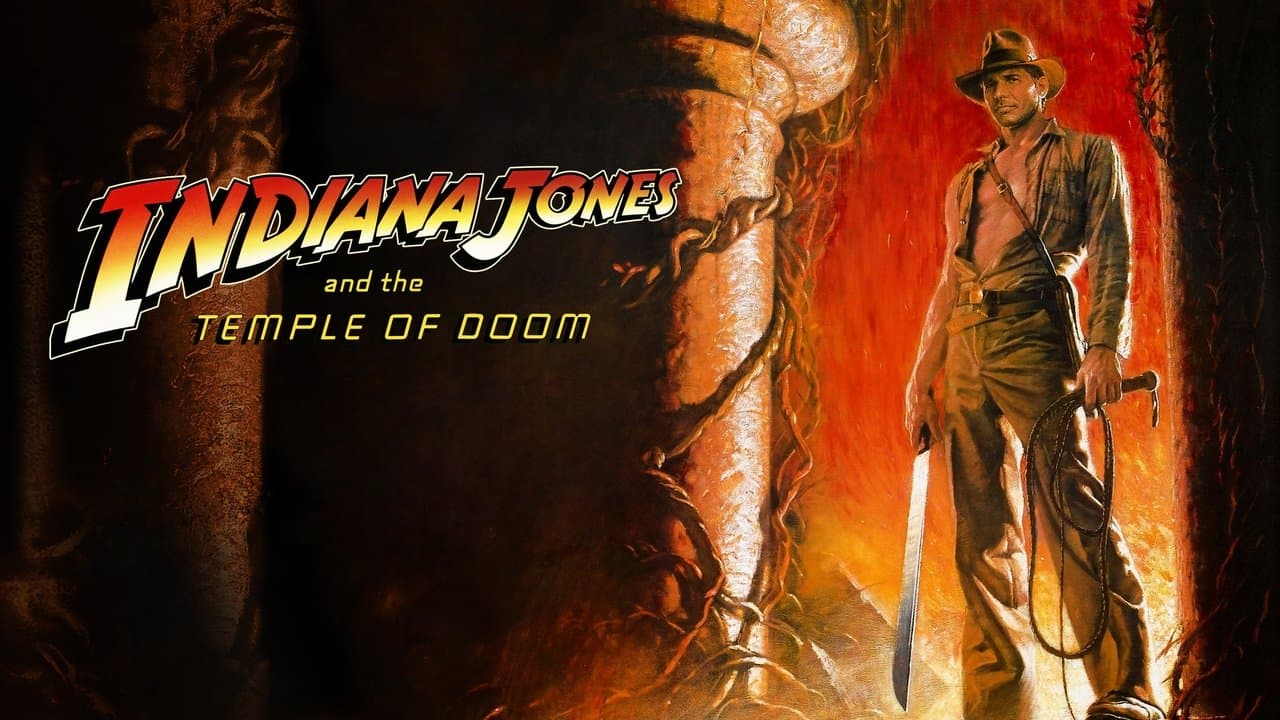
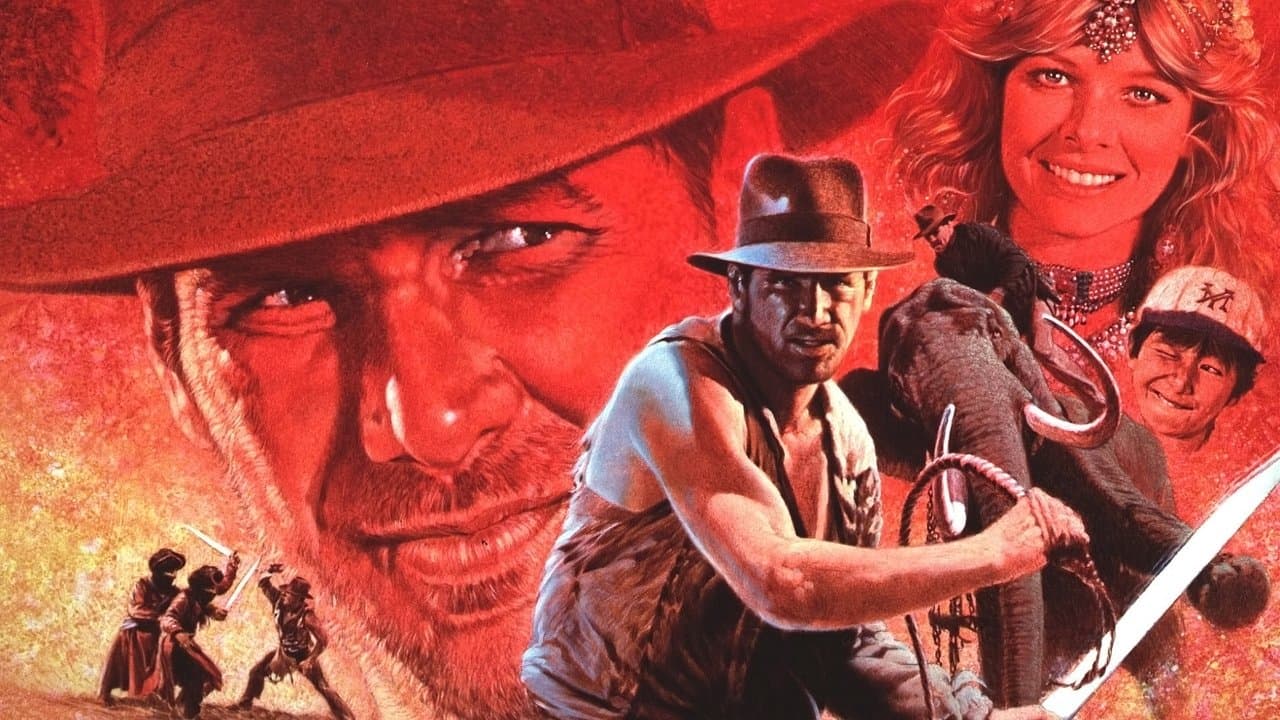
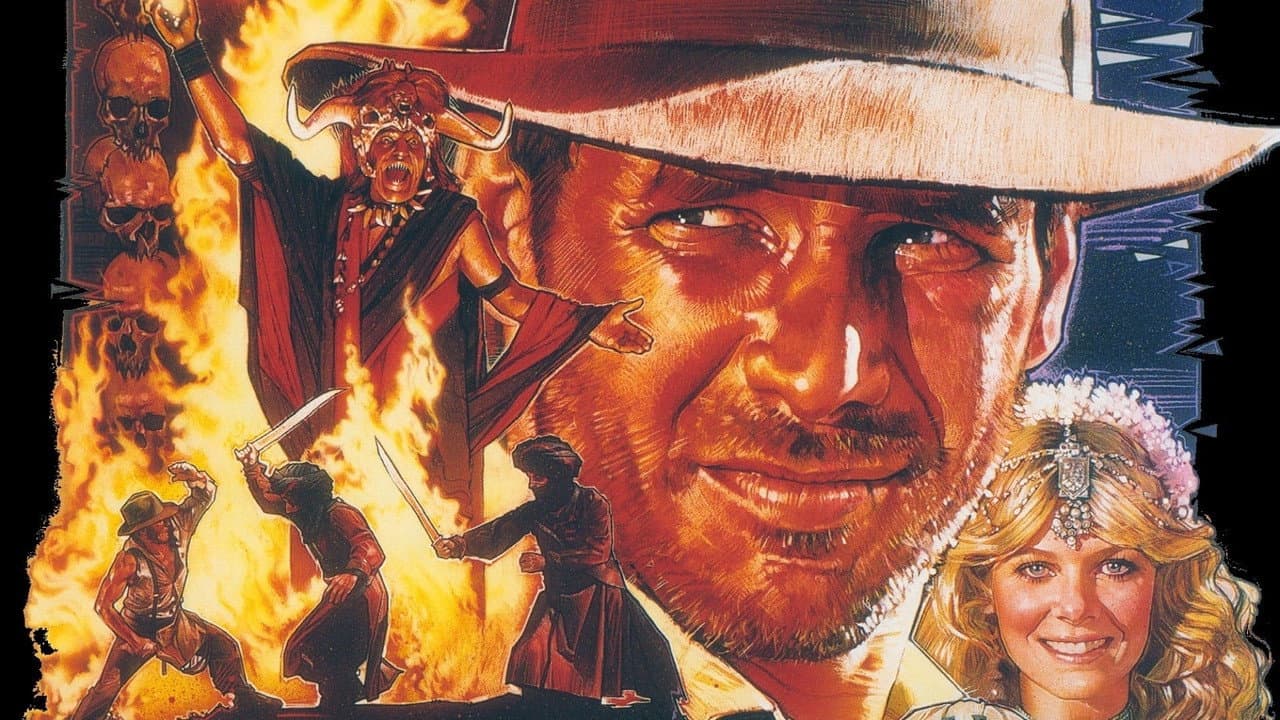
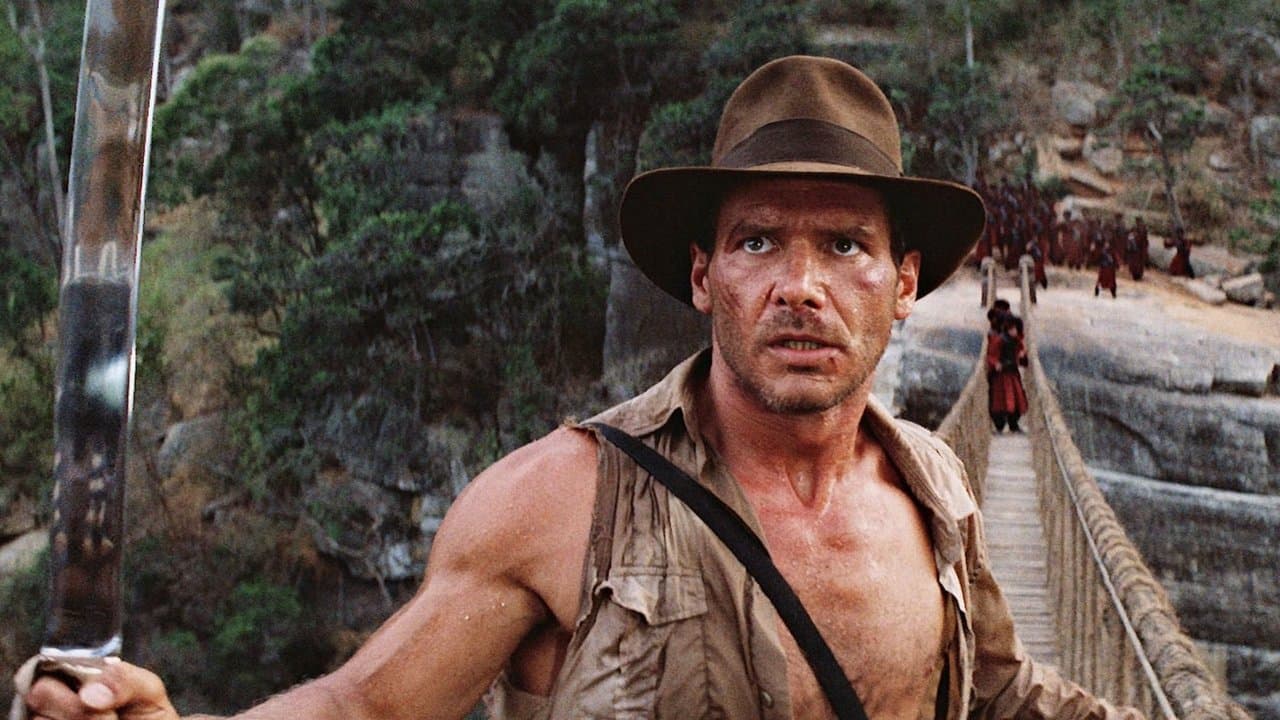
Quan played Short Round, the quick-witted young sidekick to Harrison Ford's globe-trotting archaeologist, in Steven Spielberg's 1984 adventure. The film follows Indiana Jones as he is approached by residents of a desperate Indian village to recover a mystical stone, a mission that leads him into the catacombs of an ancient palace and into the path of a secret cult with terrible designs. Released on May 23, 1984, the movie runs 118 minutes and also stars Kate Capshaw as Willie Scott, Amrish Puri as Mola Ram, Roshan Seth as Chattar Lal, Philip Stone as Phillip Blumburtt, Roy Chiao as Lao Che and David Yip as Wu Han. It holds a 7.309 rating out of 10 on TMDb.
A Paycheck That Outpaced a Child Actor's Expectations
For Quan, the check is not simply a curious piece of bookkeeping. It is a reminder of how residual payments can keep circulating to performers long after a title leaves theaters, and of how unpredictable those payments can be for actors whose early credits became pop-culture fixtures. Quan was a young performer when he took the role of Short Round, and the part made him recognizable to a generation of moviegoers. What it did not do, at the time, was guarantee a durable career in front of the camera.
The actor has spoken openly in recent years about the long gap between his child-star years and his return to prominence, a stretch during which he stepped away from acting because opportunities dried up. That history gives the six-figure residual check an unusually sharp resonance. The same film that helped make him famous as a boy continued, decades later, to produce income he never counted on.
A Second Act Built on Persistence
Quan's comeback has been one of the more remarkable career reversals in recent Hollywood memory. After years working behind the camera as an assistant director and stunt coordinator, he returned to acting and eventually won an Academy Award for his supporting performance in Everything Everywhere All at Once. The residual payment from Temple of Doom underscores a less glamorous truth about the entertainment business: for actors, back-end and residual income can matter as much as the roles themselves, particularly when those roles first arrived when the performer had little leverage to negotiate.
Quan's comments also arrive at a moment when residuals remain a live issue in the industry. The payment he described is a concrete example of how a single hit title can keep paying participants across multiple decades, even as the economics of streaming and home viewing continue to shift. For a performer who spent years outside the spotlight, the check is both a windfall and a validation that the work he did as a child still carries value.
The film itself remains a fixture of the adventure genre, with Ford's Indiana Jones at the center of a story that moves from a village in crisis to a palace hiding a conspiracy. Its director, Spielberg, was already deep into the franchise when he made it, and the ensemble around Ford gave the movie a cast that has stayed familiar to audiences ever since.
Quan has not indicated any specific plans for the money. What he has made clear is that the figure caught him off guard, and that receiving it decades after the cameras stopped rolling felt less like a routine transaction than a genuine surprise. For an actor whose career has already followed one unlikely path back to the center of the industry, the arrival of a generous check from his first major film is a fitting footnote - proof that in Hollywood, the past has a way of sending money forward.
Source: Hollywood Reporter