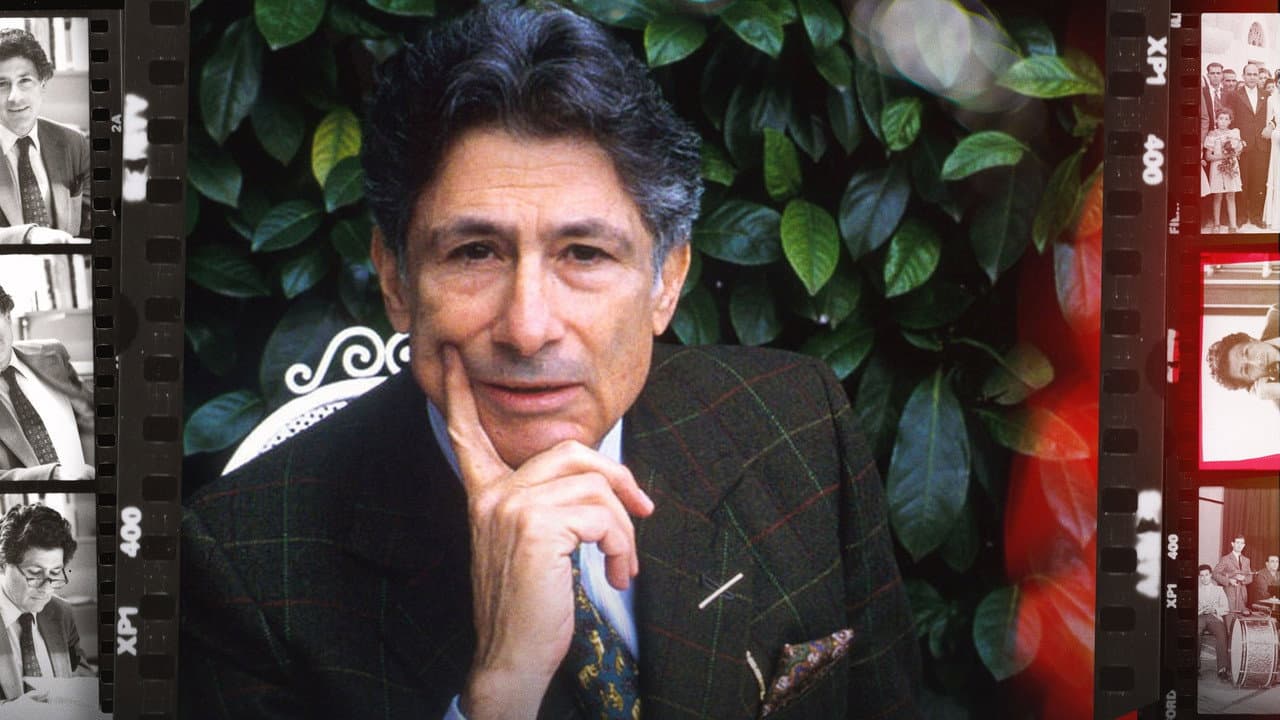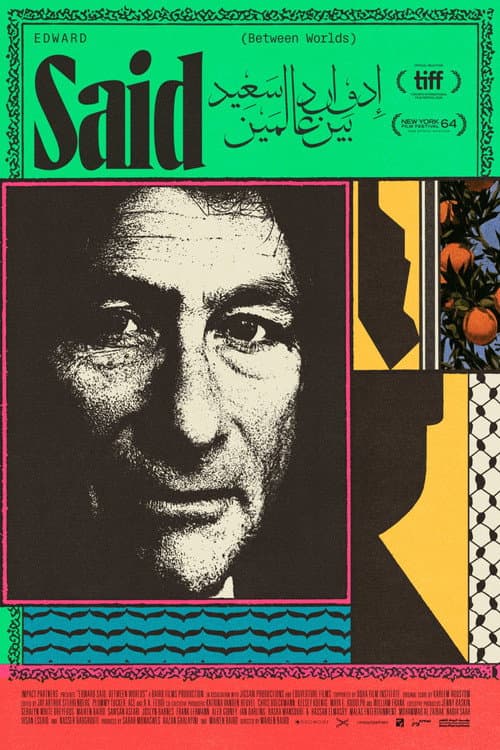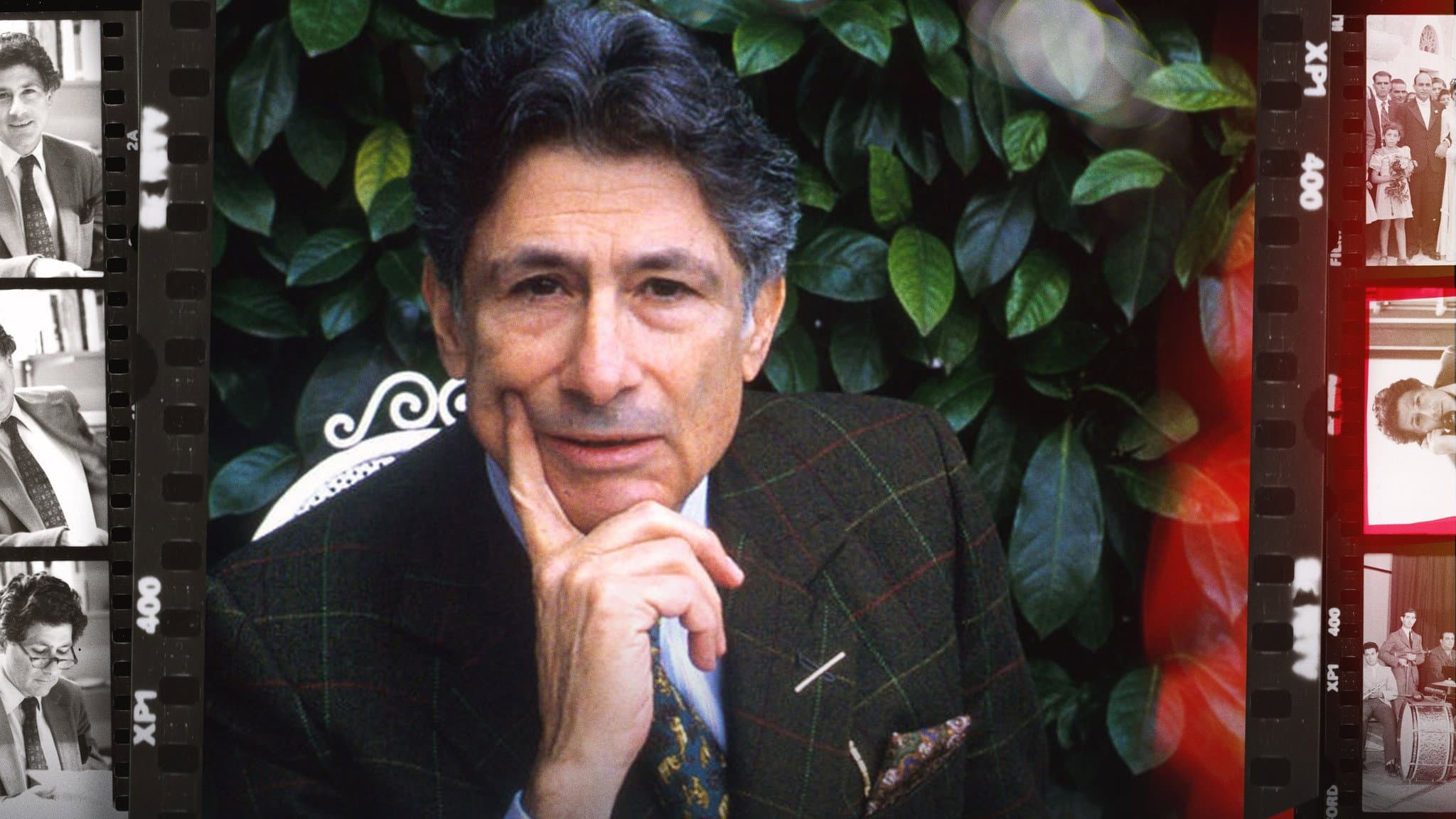
Kino Lorber has secured U.S. distribution rights to "Edward Said: Between Worlds," the all-archival documentary directed by Maiken Baird, Hollywood Buzz News has confirmed. The deal, described as exclusive, hands the New York-based distributor a 107-minute portrait of the Palestinian-American scholar and public intellectual whose writing on colonialism, culture and representation reshaped several academic fields before his death in 2003.
The film arrives with an unusual critical profile. On IMDb, the documentary sits at 8.2 out of 10, a strong figure for a nonfiction title built entirely from existing footage. TMDb currently lists it at 0 out of 10, a discrepancy that almost certainly reflects too few logged votes rather than any real split in opinion. The documentary's release date is logged as Sept. 12, 2026, and it runs in English.
A Life Assembled From the Archive
"Between Worlds" carries no newly shot interviews and no narrated biography. Instead, Baird builds her subject from archival material alone, tracing the arc of a life that moved between Jerusalem, Cairo, Beirut, New York and the American university lecture circuit. Said appears as himself throughout - the cast listing is a single entry - a fitting format for a thinker whose lectures and televised appearances were themselves part of his body of work.
Baird is known to documentary audiences for "Venus and Serena," her 2012 film on the Williams sisters, and for "United Skates," on the roller-skating rink culture of Black America. Her move into intellectual history marks a departure in subject matter, but the archival approach keeps the film in familiar territory for her: an argument assembled from the record rather than from talking heads.
Said's biography gives the title its weight. Born in Jerusalem in 1935 and raised largely in Cairo, he was educated in the United States and spent most of his career at Columbia University, where he taught English and comparative literature. His 1978 book "Orientalism" became one of the most cited works of the late twentieth century, arguing that Western scholarship had long constructed the "East" as a passive object of study, and it helped open the field of postcolonial studies. He was also a working music critic, an accomplished pianist, and a longtime advocate for Palestinian statehood whose positions made him a lightning rod in American academic life.
His later books, including "Culture and Imperialism" and "Out of Place," a memoir of his upbringing, returned repeatedly to the problem of living between national and cultural frames - a theme the film's title makes explicit.
Why the Acquisition Matters
For Kino Lorber, the pickup extends a catalog long anchored in documentary and world cinema. The company has spent years building a reputation as a home for nonfiction work that might otherwise struggle for a theatrical berth, and an archival film about a major intellectual fits that profile cleanly. The title also carries the kind of name recognition that plays well in the art-house circuit, university towns and institutional screening series - venues where Said's work remains a staple of syllabi.
The exclusive U.S. deal leaves international distribution to other hands, and no details on a domestic theatrical date or platform plan were included in the announcement.
The timing may prove useful. Two decades after his death, Said remains a frequent reference point in debates over media coverage of the Middle East, campus speech and the politics of the humanities, and a documentary that lets him speak in his own recorded voice - without the buffer of a contemporary commentator - arrives with a certain authority. Whether that translates into ticket sales is a separate question; archival documentaries on academics rarely break out commercially, but they can build durable audiences over time.
Kino Lorber has not indicated whether "Between Worlds" will open in theaters before a home-video or streaming release, or whether it will follow the label's pattern of limited theatrical runs paired with digital and physical editions.
For now, the facts are these: one director, one subject, 107 minutes of footage drawn from a lifetime of appearances, and a distributor with a track record of getting this kind of film in front of the people most likely to seek it out.
Source: Hollywood Reporter