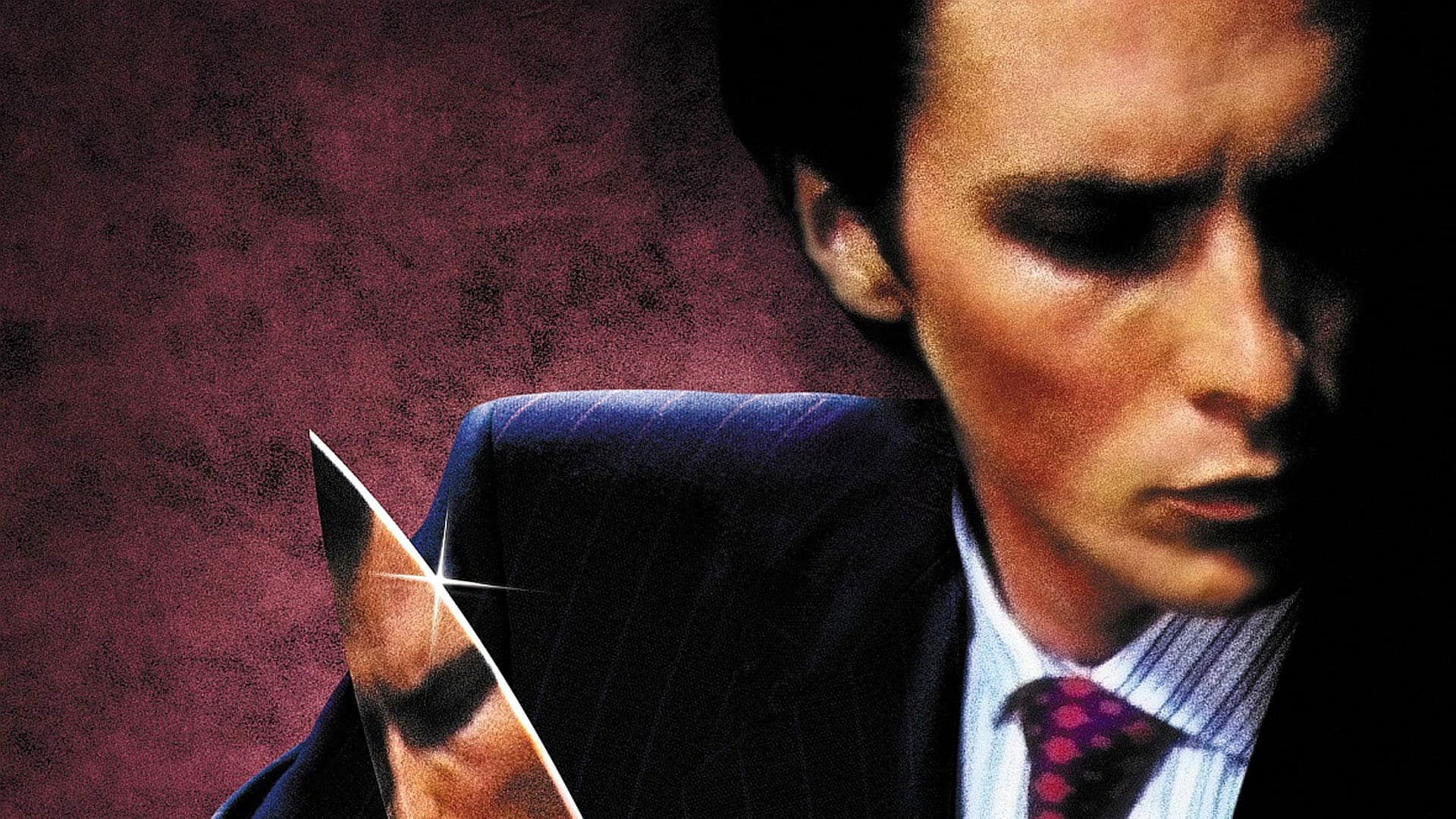
Luca Guadagnino’s planned reimagining of “American Psycho” will not be moving forward, the filmmaker has confirmed, closing the book on one of the more eagerly debated literary adaptations in recent development. The Italian director, known for “Call Me by Your Name” and “Challengers,” had been attached to a new take on Bret Easton Ellis’s 1991 novel about a Manhattan investment banker whose polished exterior conceals a homicidal second self. Word that the project has stalled arrives without a studio explanation, leaving audiences to wonder whether the film was shelved outright or simply paused.
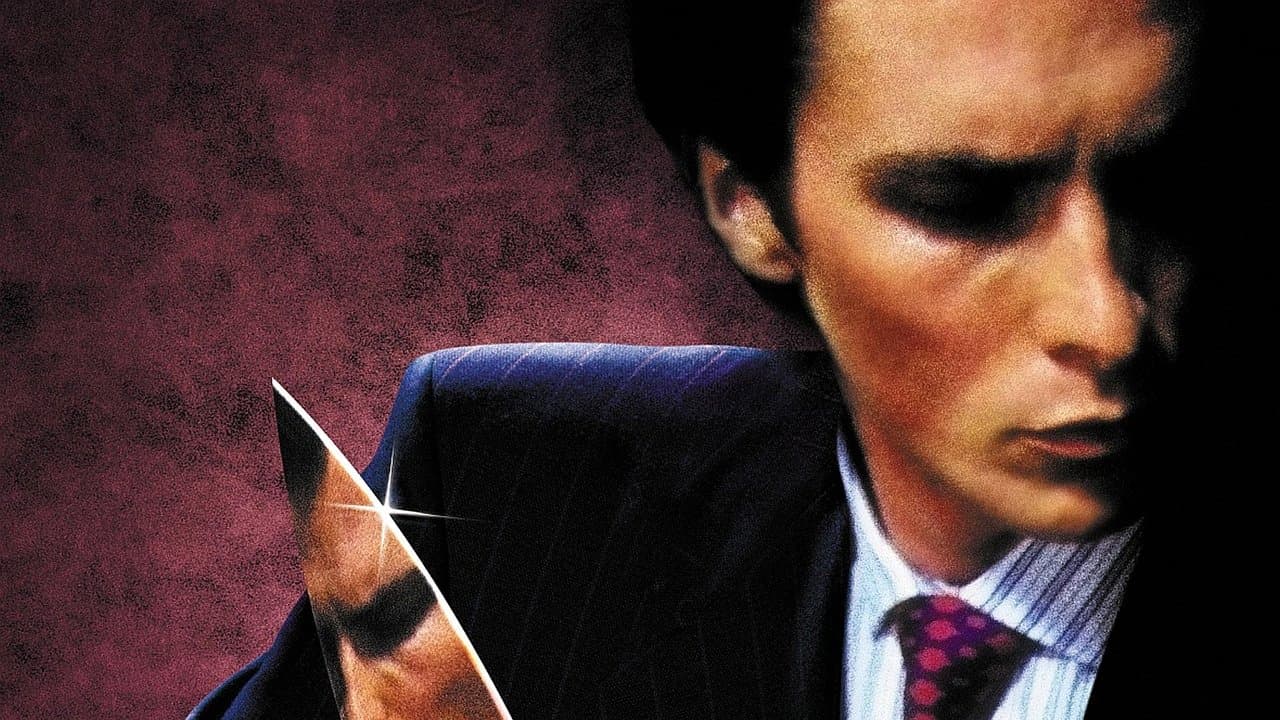
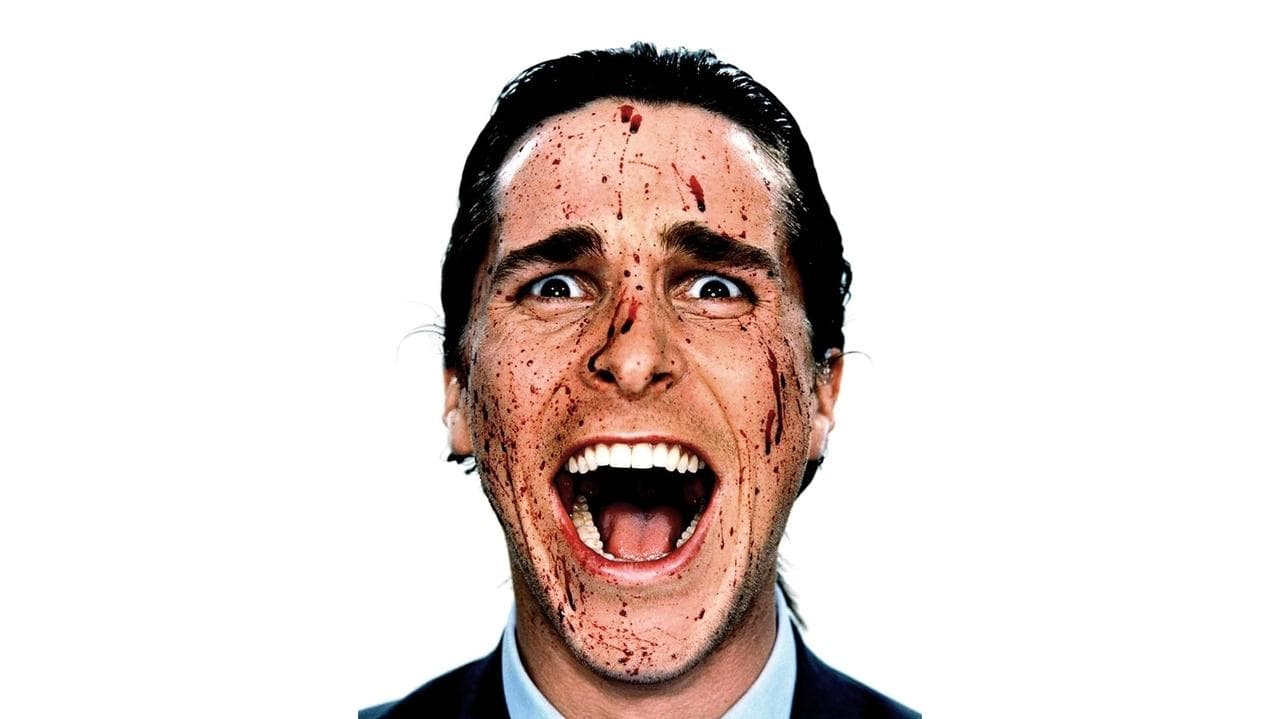
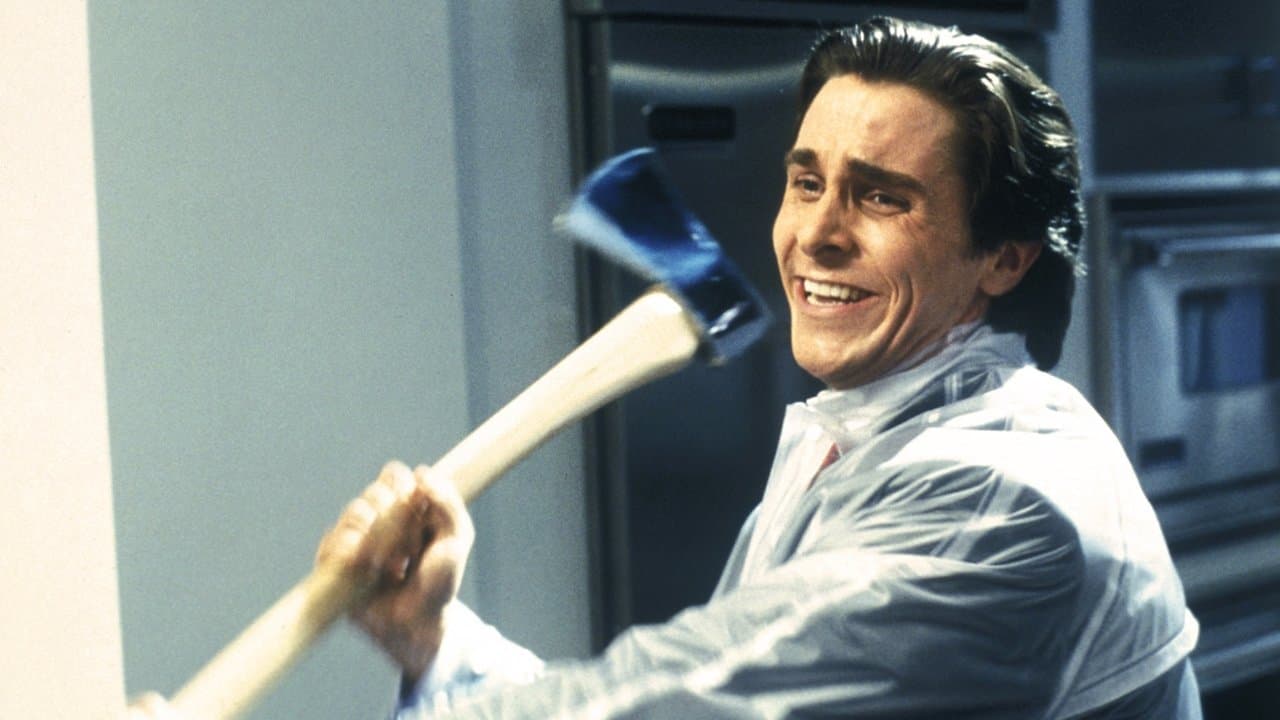
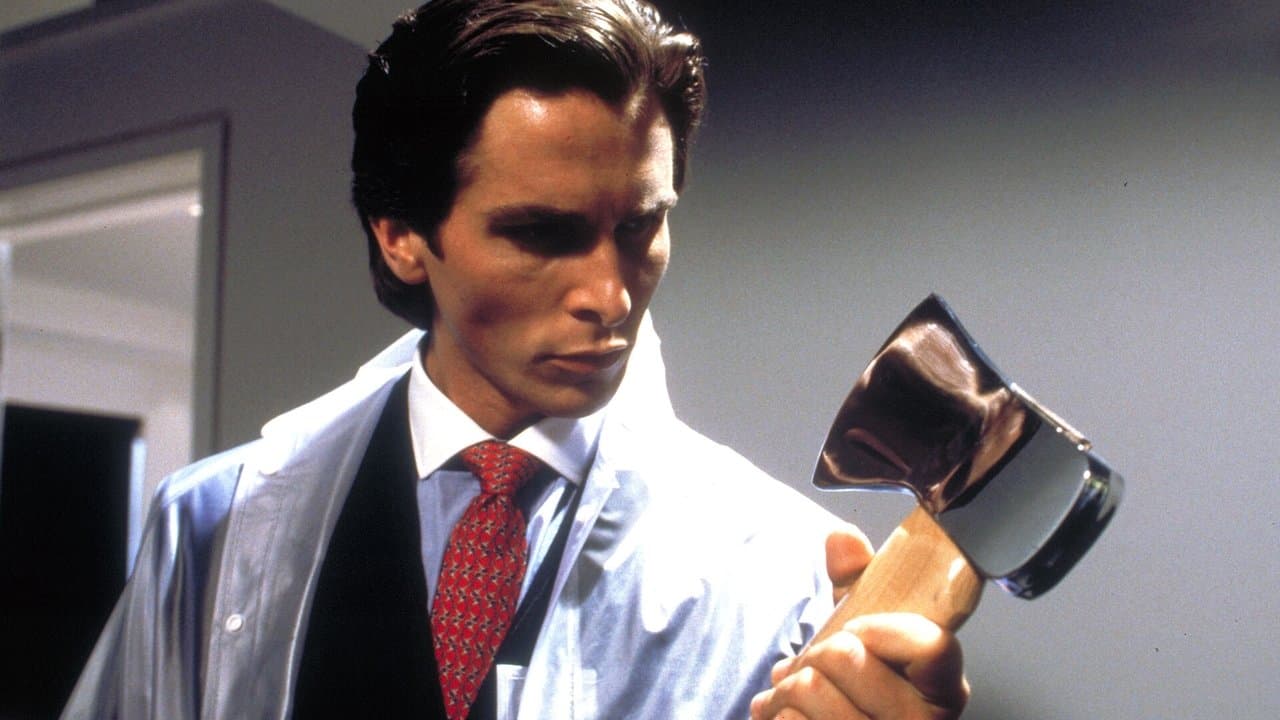
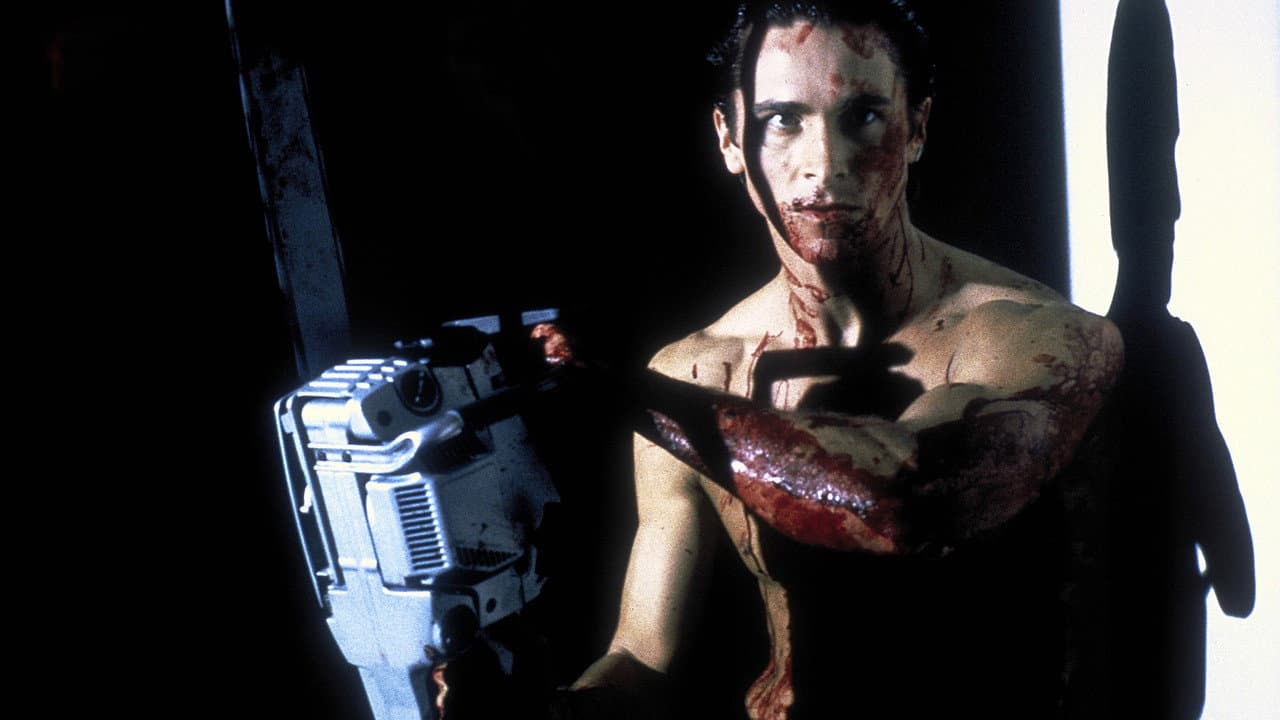
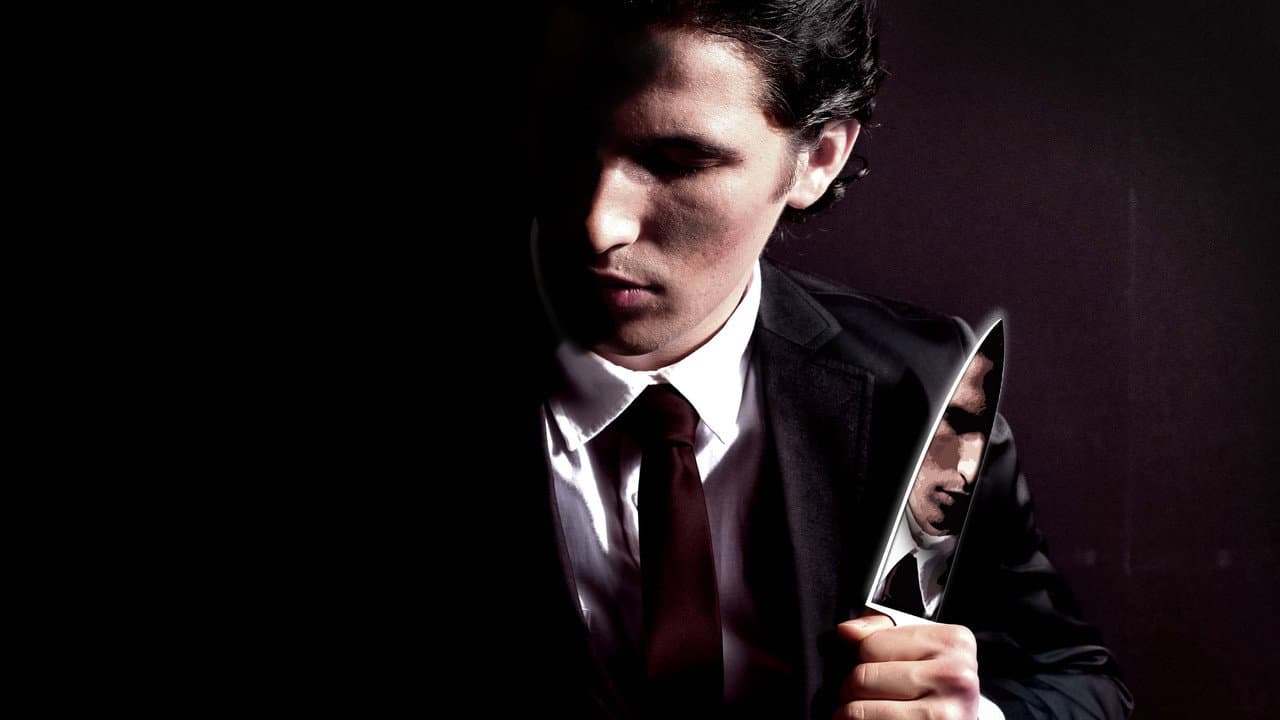
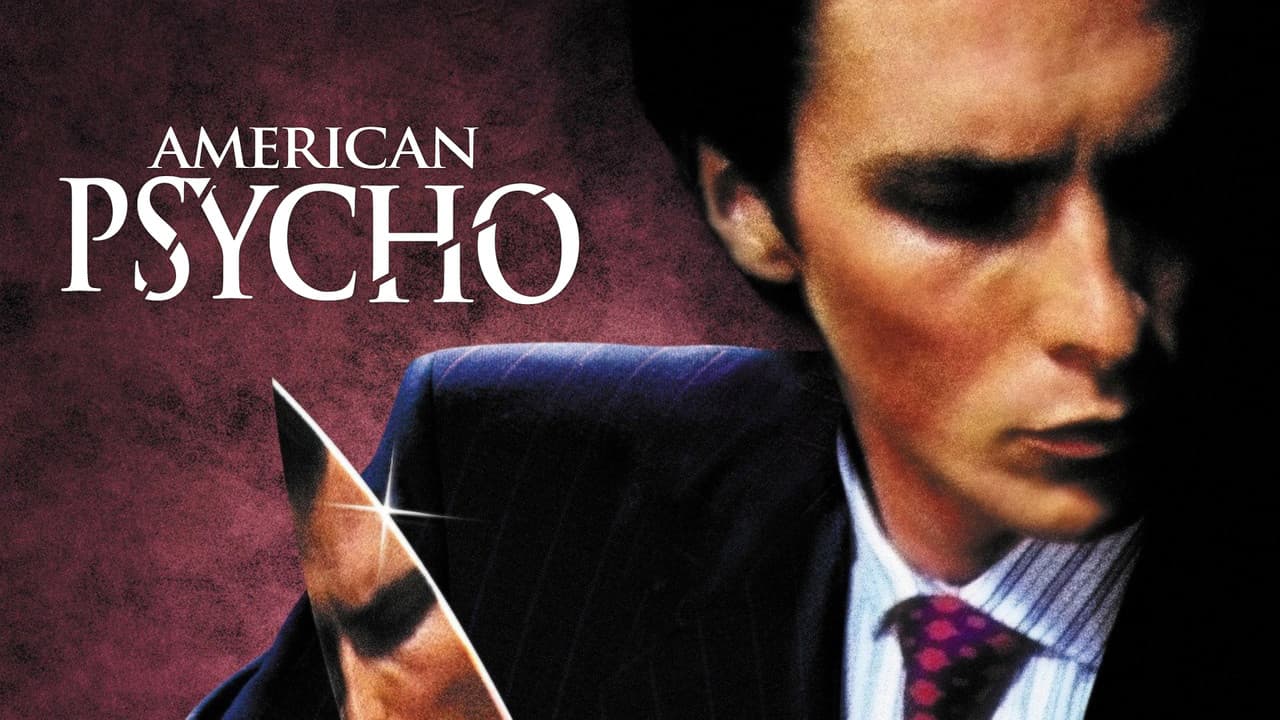
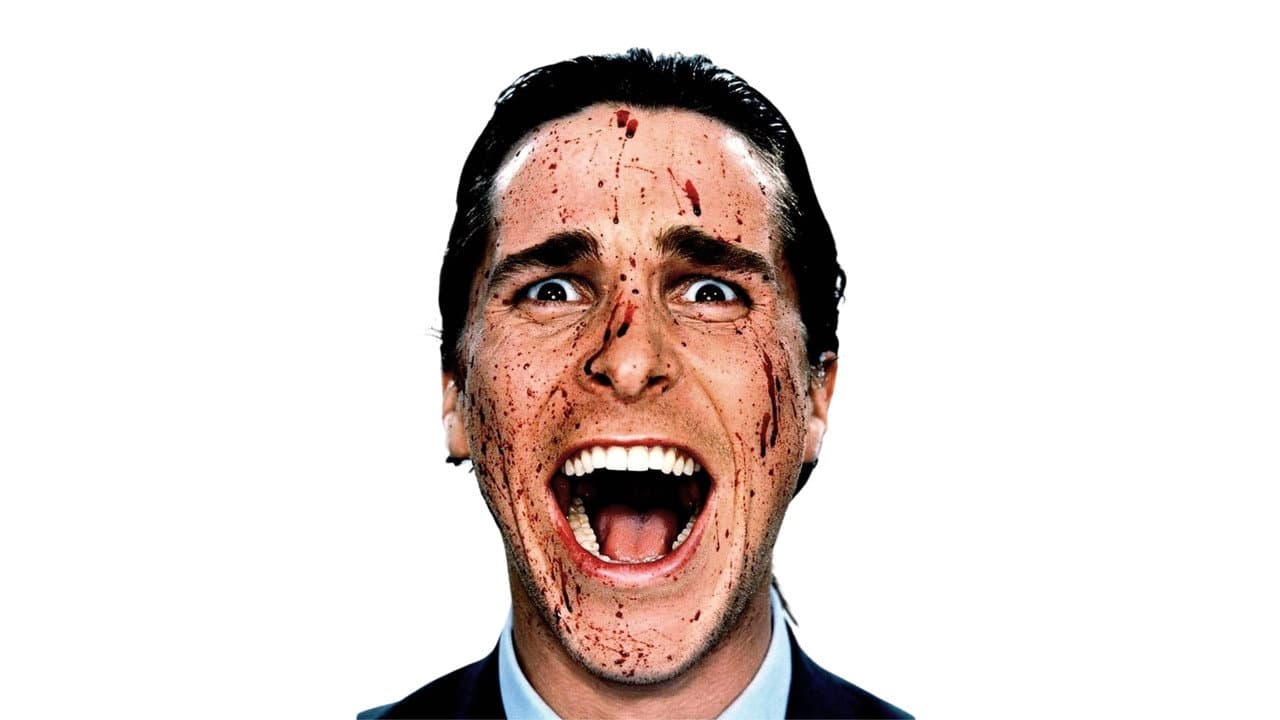
The property carries heavy baggage and a devoted following. Mary Harron’s 2000 adaptation, released in April of that year, ran 102 minutes and starred Christian Bale as Patrick Bateman, the Wall Street fixture whose vanity and violence bleed together as his grip on reality loosens. The supporting ensemble included Justin Theroux, Josh Lucas, Bill Sage, Chloë Sevigny, Reese Witherspoon, Samantha Mathis and Matt Ross. Critics and audiences have kept the film in circulation for more than two decades; it holds a 7.4 rating on TMDb and a 7.6 on IMDb. Any new version would inevitably be measured against Bale’s performance, which turned a cold-blooded narrator into a pop-culture touchstone.
Guadagnino had spoken about the material with obvious enthusiasm, framing it as an opportunity to return to a story he first encountered as a young reader. His attachment alone was enough to generate headlines, given his reputation for lush visuals and psychologically charged subject matter. The director’s recent output has moved between romance, horror and sports drama, and a satire of Reagan-era excess and masculine anxiety seemed a plausible next step. That the film is now going nowhere marks a rare dead end for a filmmaker who has kept up a prolific pace.
For the moment, no casting had been confirmed and no production timeline had been announced, which may explain why the collapse has drawn less industry fallout than a fully mounted studio tentpole might. Still, the mere prospect of a Guadagnino “American Psycho” had provoked strong reactions online, with some readers enthusiastic about a fresh interpretation and others protective of Harron’s version. The novel itself remains a divisive text, celebrated for its savage critique of consumer culture and criticized for its graphic content. Those tensions have followed every adaptation and would have followed this one.
It is worth noting that “American Psycho” is an English-language Hollywood property, and Guadagnino’s version was being developed within that same commercial ecosystem. The original film’s blend of thriller, drama and crime elements gave it a genre ambiguity that made it slippery to market in 2000; a contemporary retelling would face similar questions about tone. Whether Guadagnino intended a period piece or a present-day reframing was never made clear, and the uncertainty now becomes academic.
The cancellation also raises familiar questions about how many announced projects actually reach screens. Development hell is a routine feature of the business, and directors frequently attach themselves to material that later evaporates. Guadagnino, for his part, has no shortage of alternatives; his name remains attached to several other ventures, and his standing in the industry is secure. Fans of Ellis’s novel may be disappointed, but the property is hardly dormant. The 2000 film continues to sell, stream and provoke argument, and Bateman’s business-card scene remains one of the most quoted sequences of its era.
What the abandoned project might have looked like is now a matter of speculation. Guadagnino’s interest in desire, repression and the performance of identity would have meshed interestingly with Ellis’s portrait of a man hollowed out by status. Yet the director’s sensibility is warmer and more romantic than Harron’s cool, surgical approach, and that mismatch may have been part of the appeal - or part of the difficulty. Without a script, cast or start date, there is little to evaluate beyond intention.
For now, the takeaway is simple: a high-profile filmmaker’s attempt to revisit a defining text of the 1990s will not proceed. Hollywood Buzz News will continue to follow the status of Guadagnino’s slate and any further word on whether “American Psycho” finds a home elsewhere. In an industry that recycles intellectual property relentlessly, the novel is unlikely to stay untouched for long, but this particular version has reached its end.
Source: Hollywood Reporter