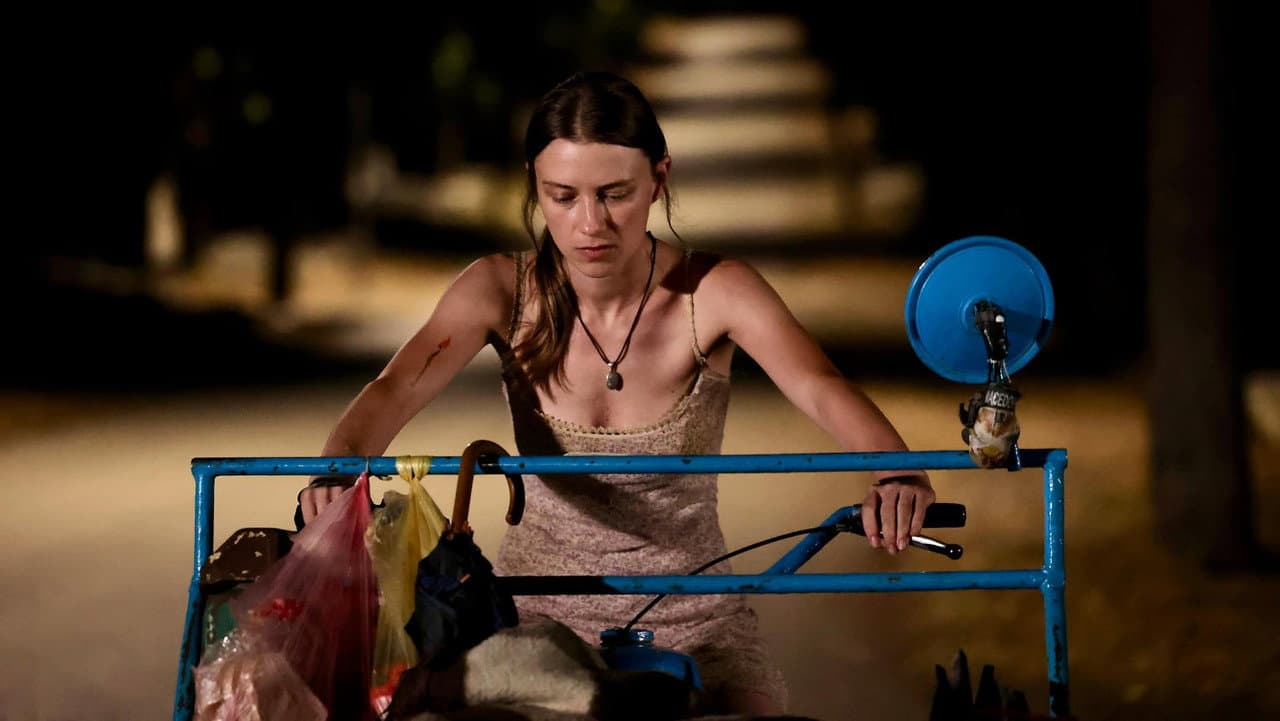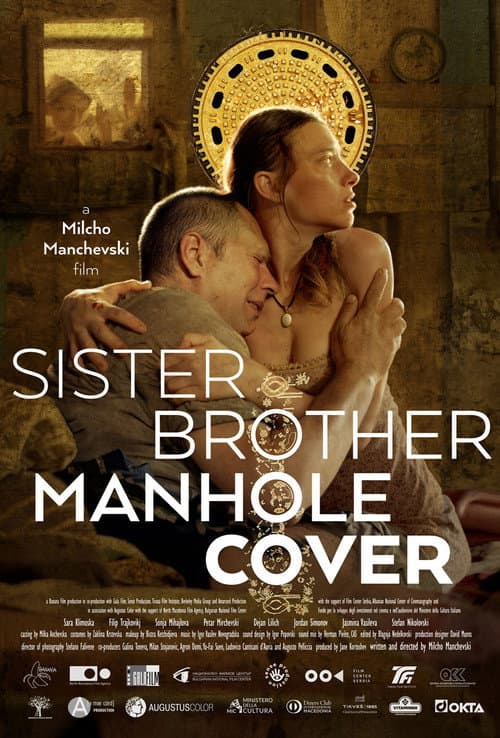
Milcho Manchevski’s latest feature, “Sister Brother Manhole Cover,” has taken the top prize at the Tokyo Film Festival, capping an unlikely run for a Macedonian-language thriller-comedy about siblings who pilfer busts across Skopje. The award was announced during the festival’s closing ceremony, and it hands the veteran director one of Asia’s most prestigious film honors just days after the movie’s domestic release on October 30.
The win is the headline of a festival edition that showcased dozens of titles, but the jury’s decision to elevate a film built on such an offbeat premise will likely define the conversation coming out of Tokyo. “Sister Brother Manhole Cover” follows a brother-and-sister pair whose monument thefts spiral into something far more tangled than a simple crime spree, and the festival recognition gives Manchevski a fresh international platform more than three decades after his breakout, “Before the Rain,” became a global art-house touchstone. The film runs 106 minutes and is categorized as both drama and comedy - a blend the Tokyo jury evidently found persuasive.
Manchevski directs from his own material, and the ensemble is led by Sara Klimoska as Malina and Filip Trajkovikj as Viktor, the sibling duo at the story’s center. The supporting cast leans on a deep bench of Macedonian performers: Sonja Mihajlova as Todora, Petar Mirčevski as Nakje, Dejan Lilikj as Dr. Mile Zec, Jordan Simonov as Panče Pločka, Jasmina Vasileva as Ruža, and Stefan Nikolovski as Rade Kjoše. It is a large roster for a film of modest scale, suggesting the director is weaving a broad portrait of Skopje through the siblings’ misadventures rather than narrowing to a two-hander.
A Festival Boost for a Film Still Finding Its Audience
The Tokyo prize arrives at a useful moment. “Sister Brother Manhole Cover” opened in theaters on October 30, only days before the festival jury handed down its verdict, and the timing gives distributors a clean marketing hook for a title that might otherwise struggle to stand out in a crowded autumn calendar. Festival wins do not automatically translate into ticket sales, but a top prize from Tokyo carries weight with programmers, critics, and streaming acquirers - particularly for European titles seeking footholds in Asian markets.
There is also the matter of the film’s still-unsettled public profile. On TMDb, the movie currently sits at a 0/10 rating, which ordinarily signals an absence of enough user votes to form a meaningful score rather than any judgment on its quality. For now, the festival jury’s endorsement stands as the most substantial external assessment of the film available to audiences and industry observers alike.
The thriller-comedy register itself is worth noting. Manchevski has never been a filmmaker who fits neatly into a single genre box, and a story about siblings stealing busts across Skopje gives him room to work in a mode that trades on absurdity while keeping a dramatic spine. Early descriptions of the plot point to a criminal caper with emotional stakes, which would explain why Tokyo’s jury - often receptive to films that mix tonality - responded to it.
What the Win Means for Manchevski and Macedonian Cinema
For Manchevski, the Tokyo prize is another entry in a career that has long been defined by international festival travel. His reputation was cemented by “Before the Rain,” which won the Golden Lion at Venice in 1994 and earned an Academy Award nomination for best foreign language film. Since then his output has been intermittent and eclectic, and “Sister Brother Manhole Cover” represents his return to a festival competition spotlight with a film rooted firmly in his home country’s language and locations.
The victory also gives Macedonian cinema a visible win at a major international festival at a time when smaller European film industries are fighting for attention against better-funded competitors. That dimension is likely to be emphasized by the film’s backers as they plot the next stages of its rollout.
What comes next is the usual post-festival sequence: additional festival invitations, a push toward broader European distribution, and the hope that the Tokyo prize converts into a stronger theatrical life for a 106-minute genre hybrid that has already had its domestic launch. Whether the award prompts a wider release in Asia or renewed interest from streaming platforms remains to be seen, but the film now enters the next phase of its life with a major trophy in hand - and with a premise that, whatever else happens, is not easily forgotten.
Source: Hollywood Reporter