Matt Damon has confirmed that he was approached to headline Ted, Seth MacFarlane's 2012 comedy about a talking teddy bear, and that he turned the role down - a decision that sent Mark Wahlberg into the part of John Bennett and helped define one of the decade's more unlikely box-office successes. Damon's explanation, which has resurfaced in the run-up to the film's latest anniversary chatter, centers less on the script than on the practical question of what playing opposite a computer-generated co-star would demand of him as a performer.
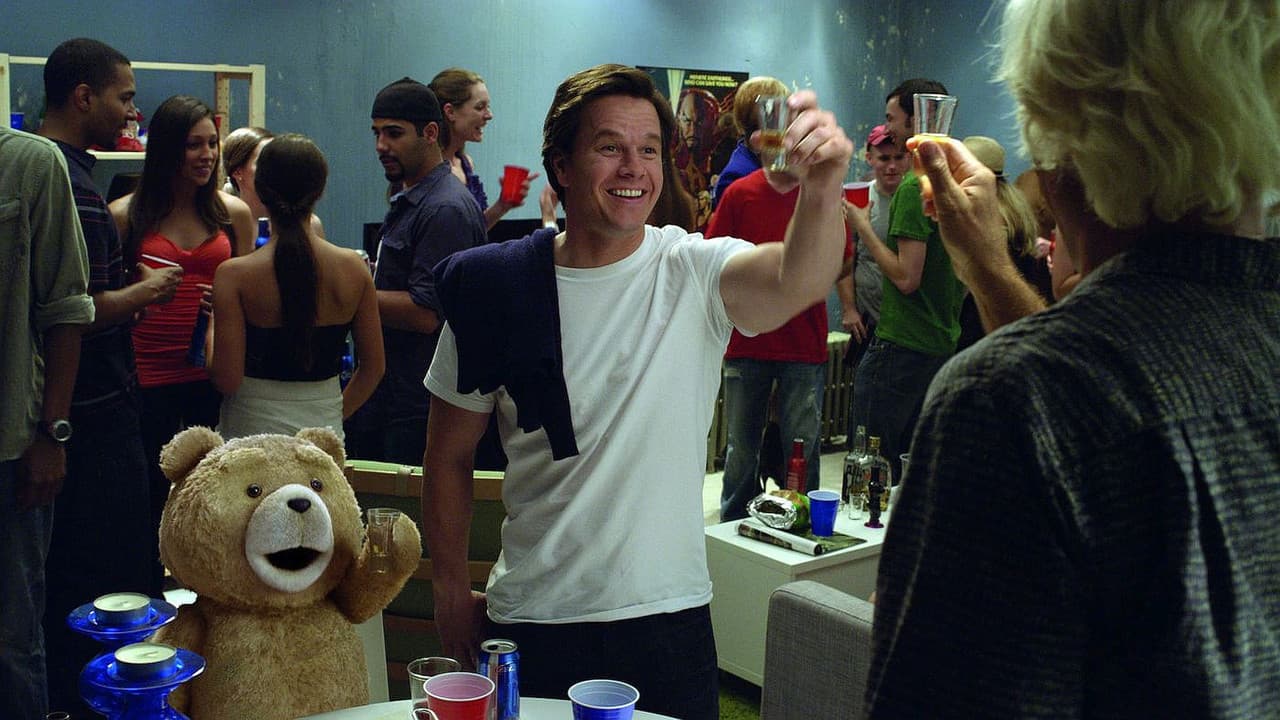
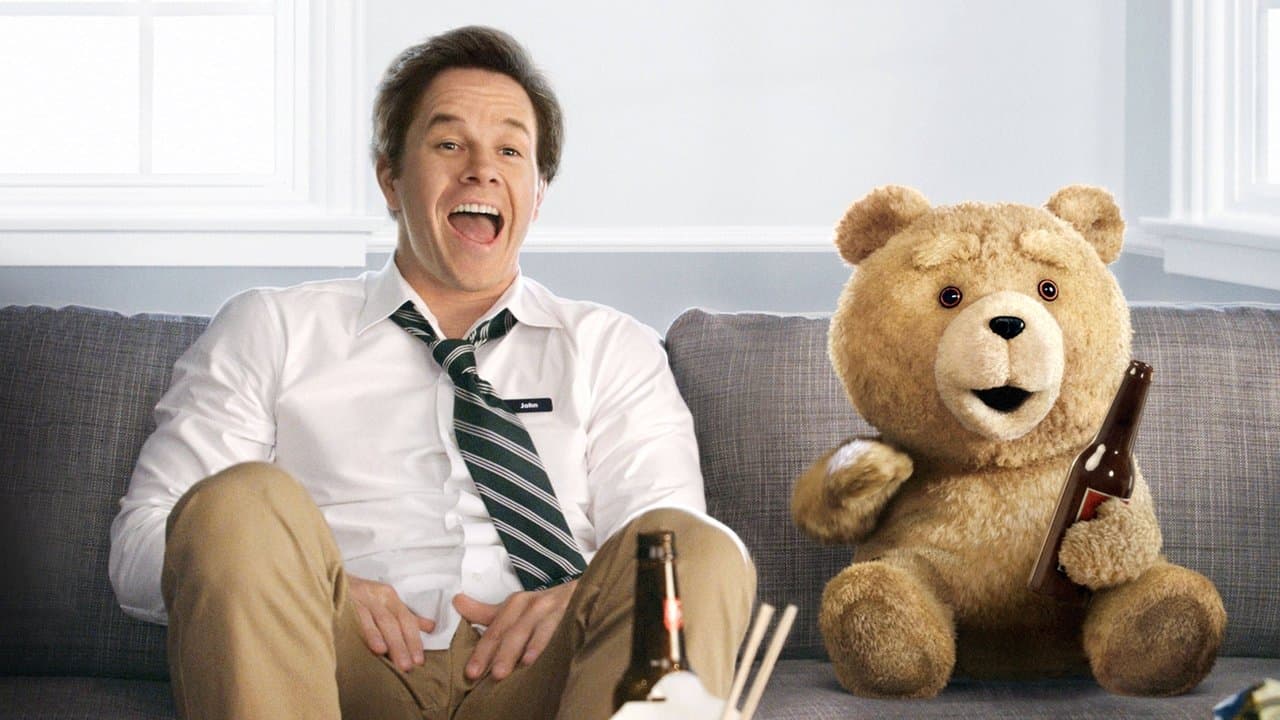
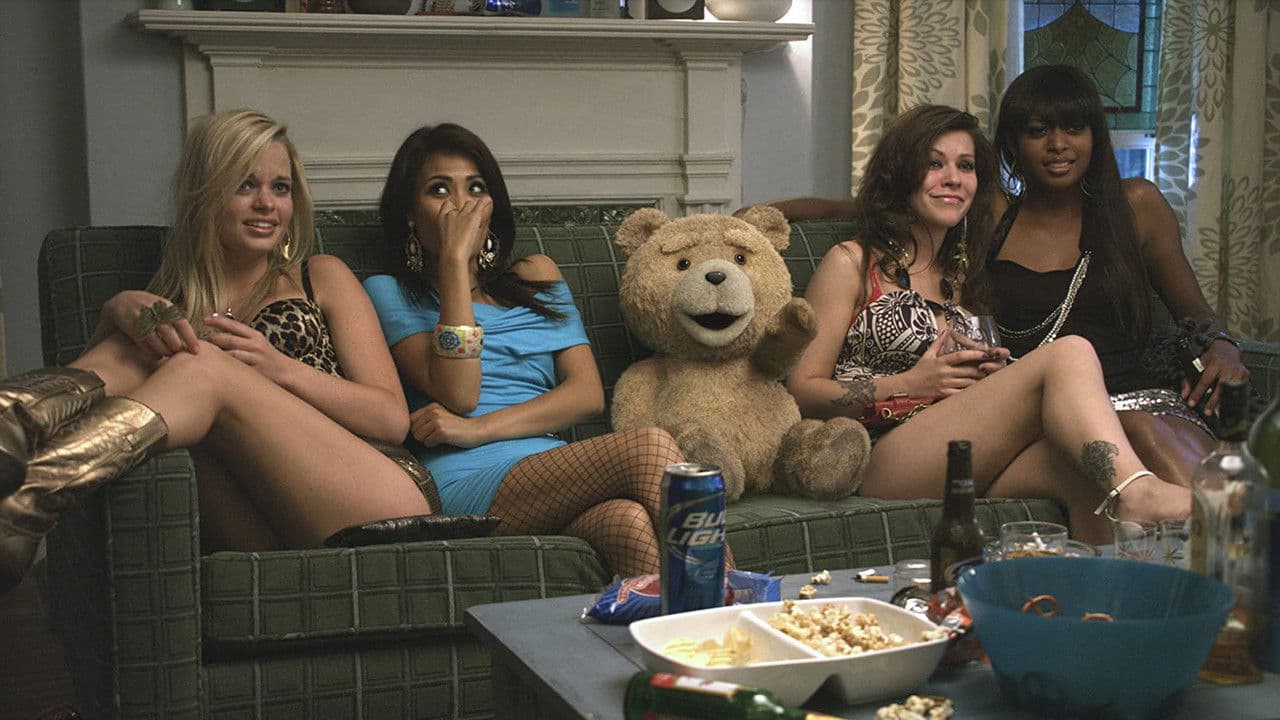
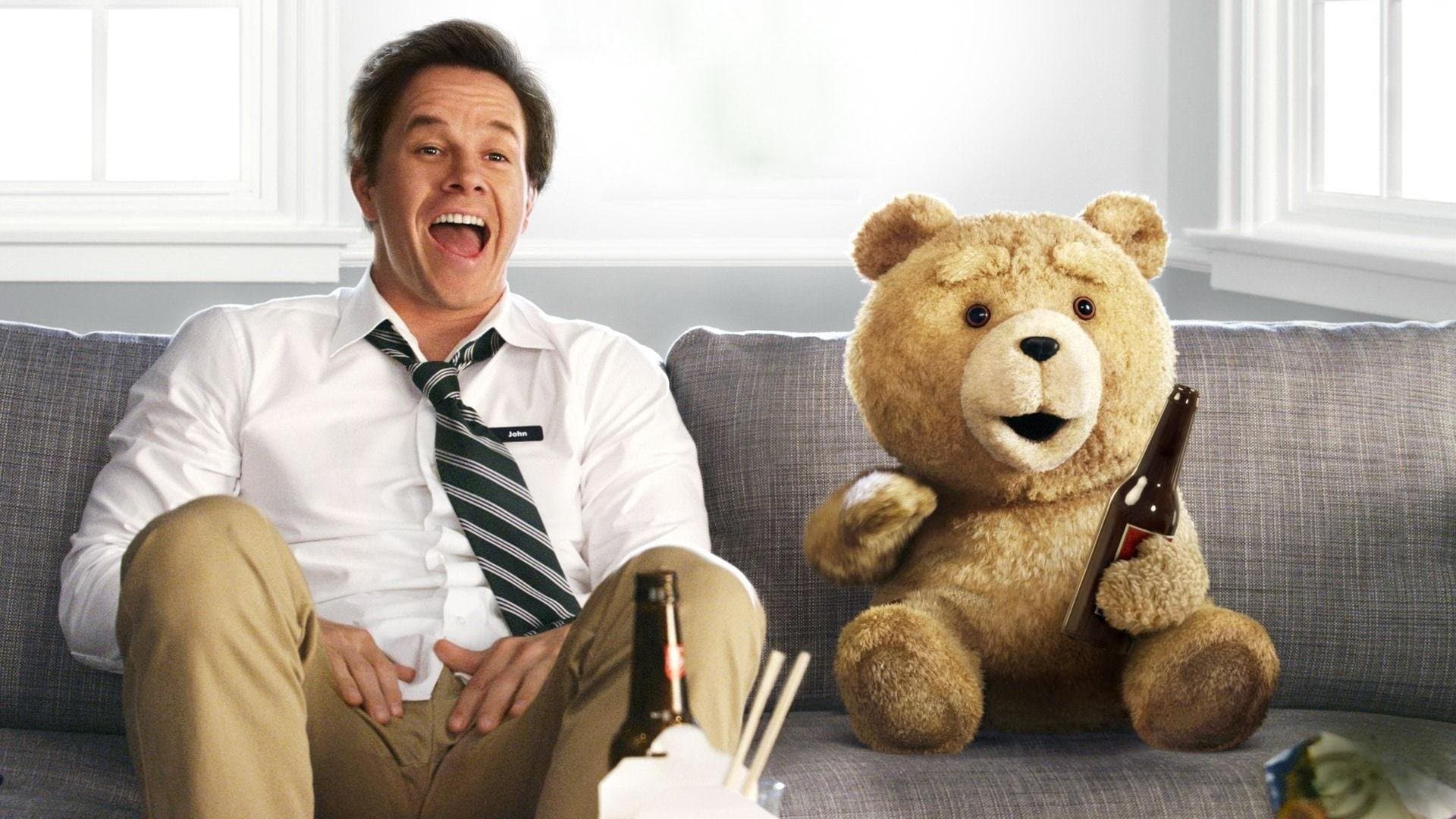
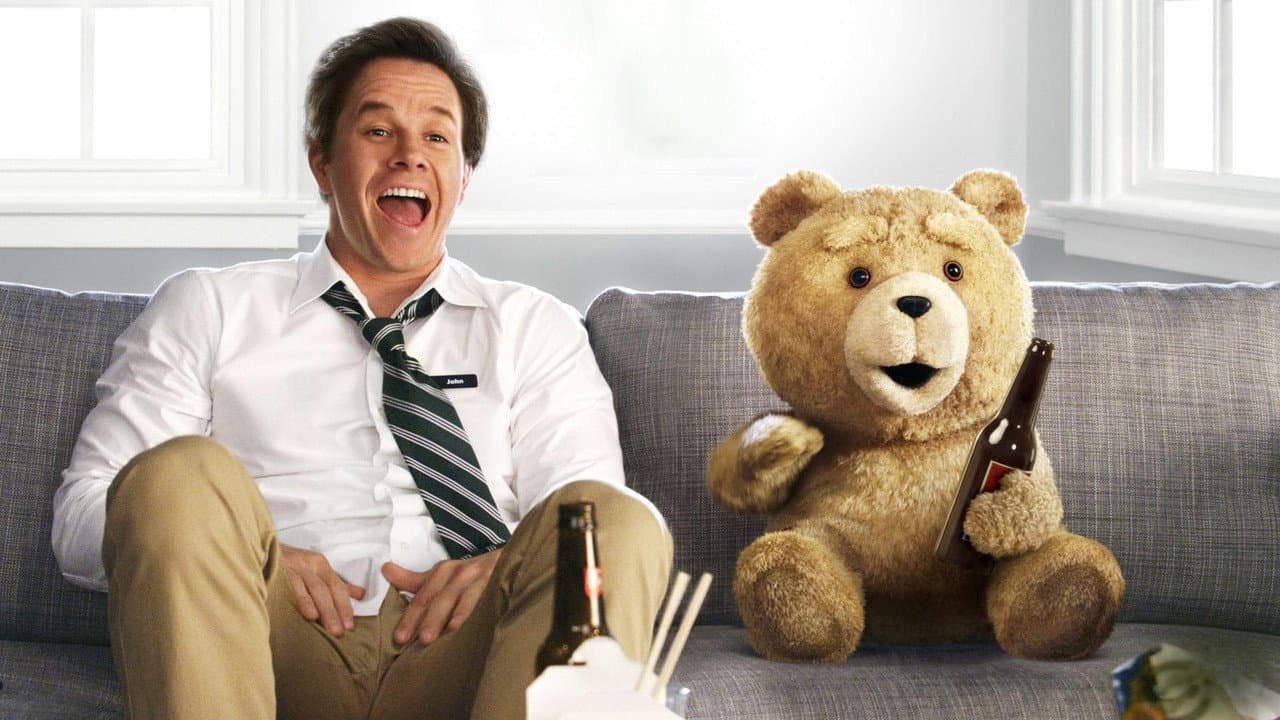
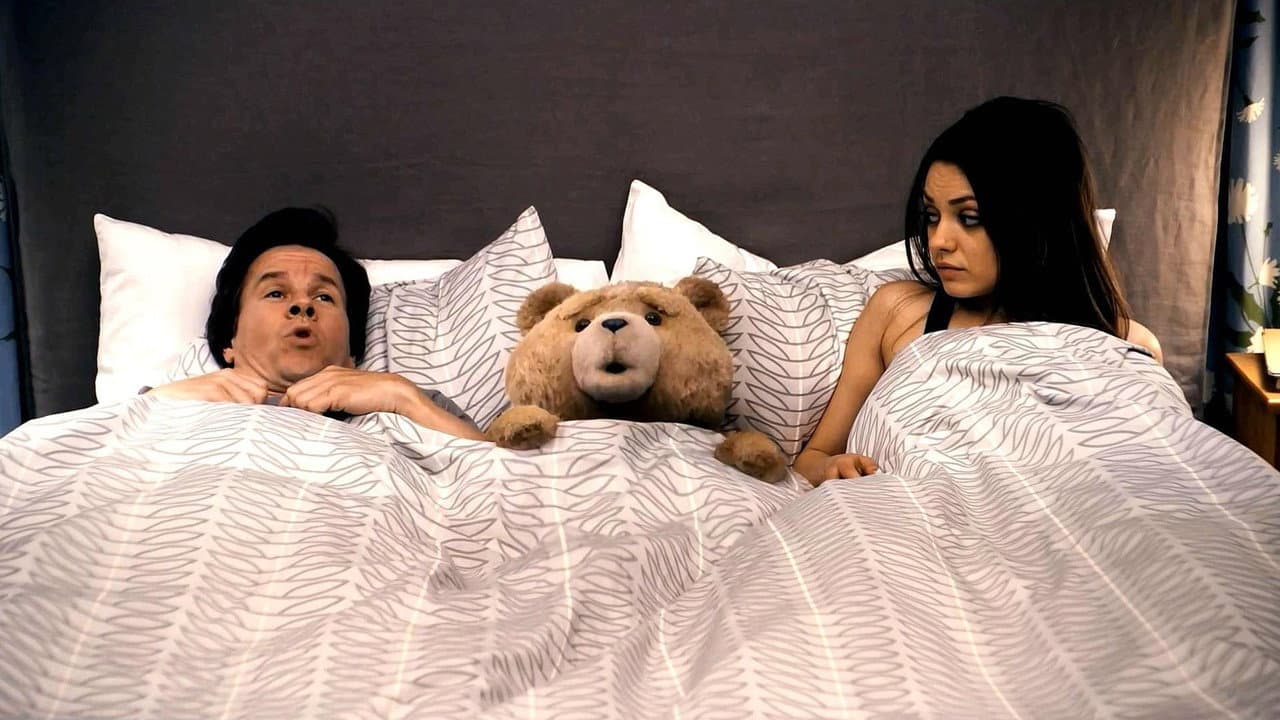
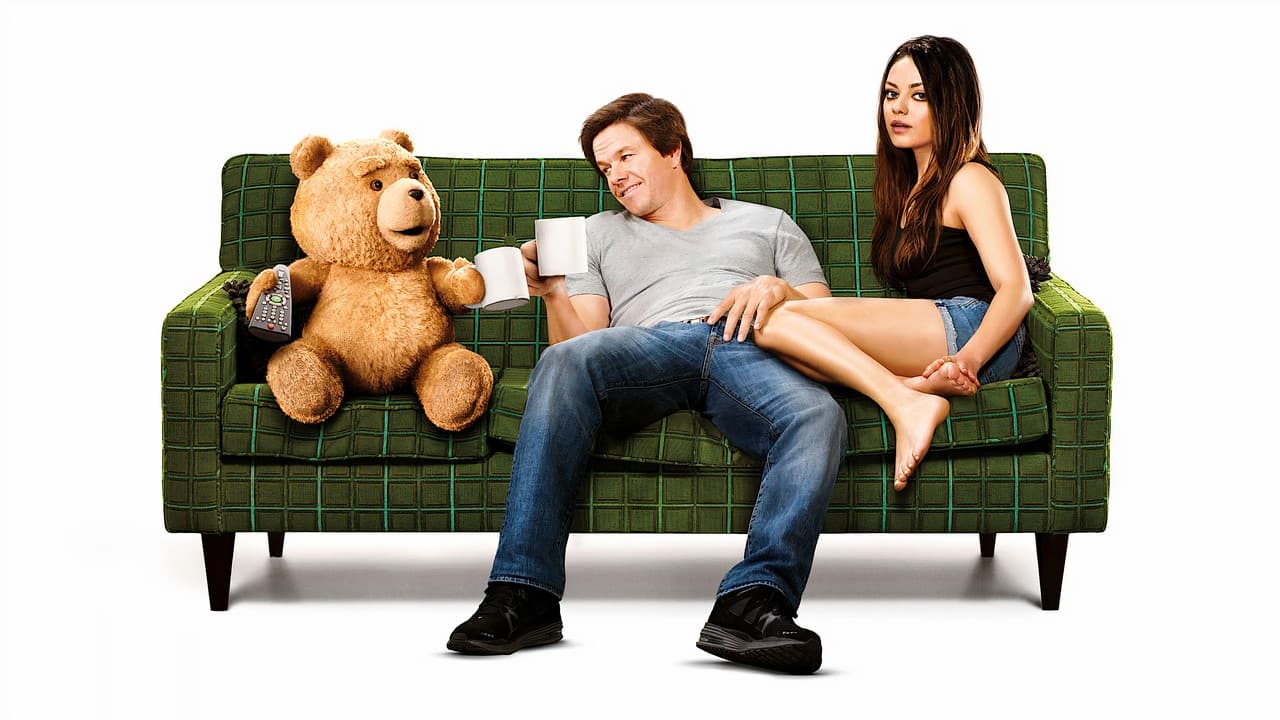
The premise of Ted is deceptively simple: John Bennett, a Boston man whose childhood wish brought his teddy bear to life, must choose between a lifelong bond with the foul-mouthed bear and his relationship with his girlfriend, Lori. MacFarlane directed the film and voiced the title character, with Mila Kunis playing Lori. The 107-minute comedy-fantasy, released on June 29, 2012, also features Joel McHale, Giovanni Ribisi, Patrick Warburton, Matt Walsh and Jessica Barth in supporting roles.
A Role Built Around an Invisible Co-Star
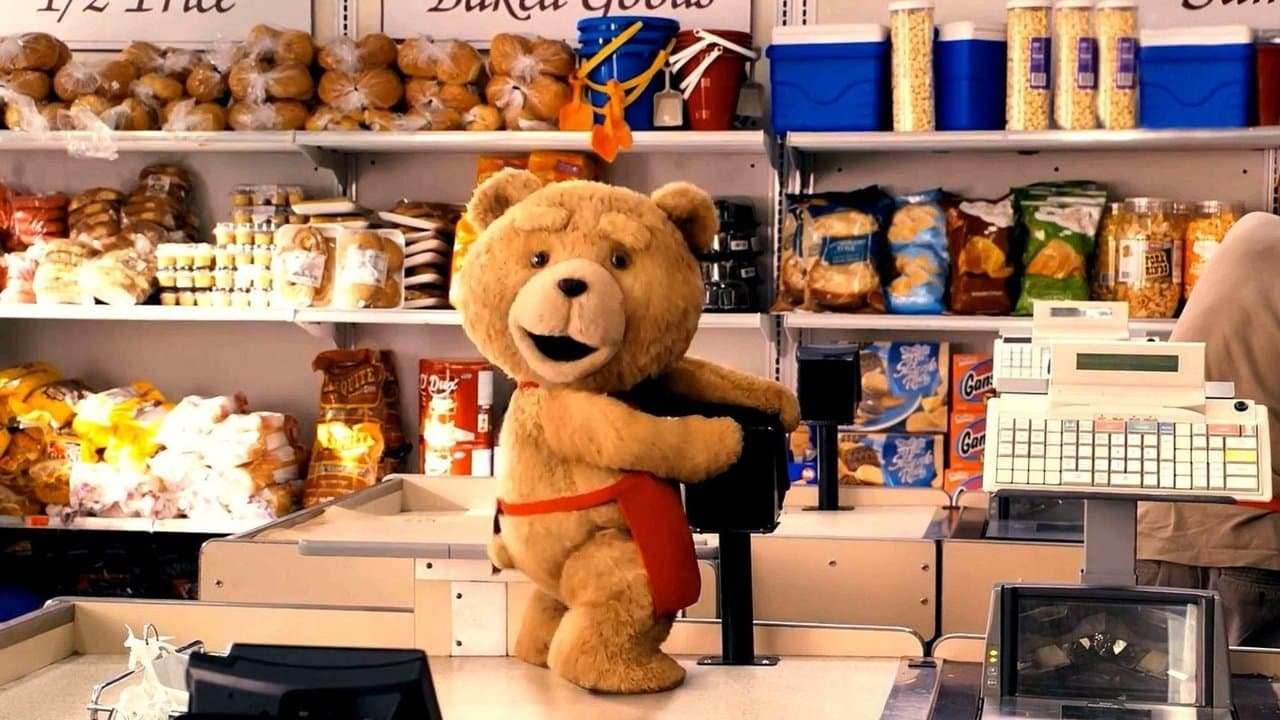
Damon's hesitation, as he has described it, came down to the mechanics of acting against a character who would not be present on set. Ted is entirely digital, which means the actor playing John would spend much of the shoot reacting to nothing more than a marker or an empty space - and would need an unusually precise internal sense of timing and physical comedy to make the relationship believable.
For Damon, that was a significant ask. The part required a leading man willing to cede much of the comedic spotlight to a bear and to anchor the film's emotional stakes - John's tug-of-war between his girlfriend and his childhood friend - while performing against a void. Wahlberg ultimately took on that challenge, and his willingness to commit to the absurdity became one of the movie's defining features.
The role has since come to look like a notable what-if in Damon's filmography, which by 2012 included the Bourne series and a long collaboration with directors such as Steven Soderbergh and the Coen brothers. Passing on Ted kept him on a different track, though it is worth noting that the film's warm reception did not hinge on star power alone.
A Comedy That Outperformed Expectations
Ted arrived with a modest critical score - its TMDb rating sits at 6.457 out of 10 - but its blend of crude humor and genuine sentiment found a broad audience. MacFarlane, best known at the time for animated television work, made his feature directing debut with the film, and the project's success helped establish him as a viable voice in live-action comedy.
The casting process itself became part of the movie's lore. Damon's account of why he declined adds another layer to a production that already leaned heavily on the novelty of its premise: a grown man, a living toy, and a girlfriend who wants to be taken seriously. Wahlberg's performance as John required him to play straight man to a CGI bear voiced by the director - a dynamic that demanded considerable improvisational chemistry.
What the Decision Says About Stardom and Risk
Damon's willingness to discuss the passed opportunity reflects a broader truth about how leading actors weigh projects. A role opposite an animated character can be a gamble: if the visual effects fail or the tone misfires, the human performer is left exposed. Conversely, a hit like Ted can broaden an actor's range and demonstrate comic timing that dramatic parts may not reveal.
In Damon's case, the calculation was evidently not about the quality of the material but about the nature of the work. His comments underscore how much of an actor's decision-making happens in the space between reading a script and imagining the daily reality of a shoot - green screens, empty sets, and a voice in an earpiece.
For audiences, the result is a durable piece of movie trivia: the Oscar-nominated star of Good Will Hunting could have been the man arguing with a teddy bear. Instead, Wahlberg became the face of John Bennett, and Ted became a comedy touchstone of the early 2010s. Damon's honesty about why he stepped aside offers a rare, practical window into how Hollywood's biggest names choose their roles - and how differently a beloved film might have looked.
Source: Hollywood Reporter