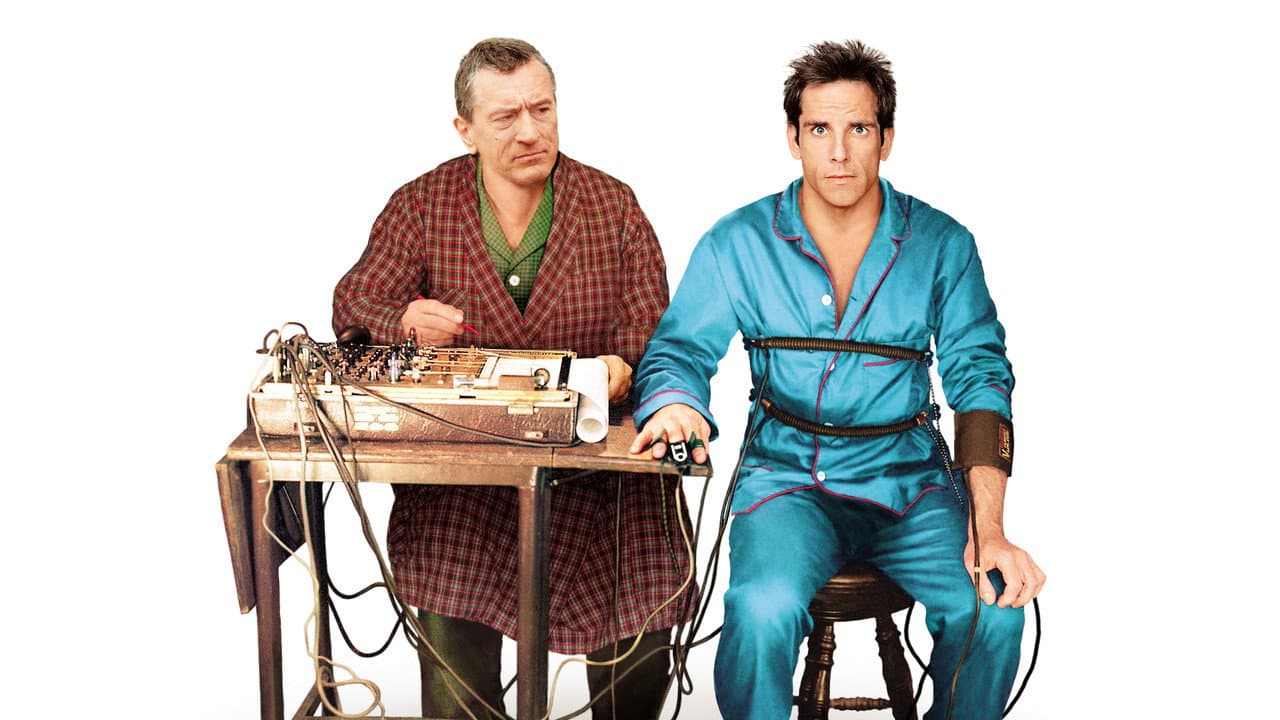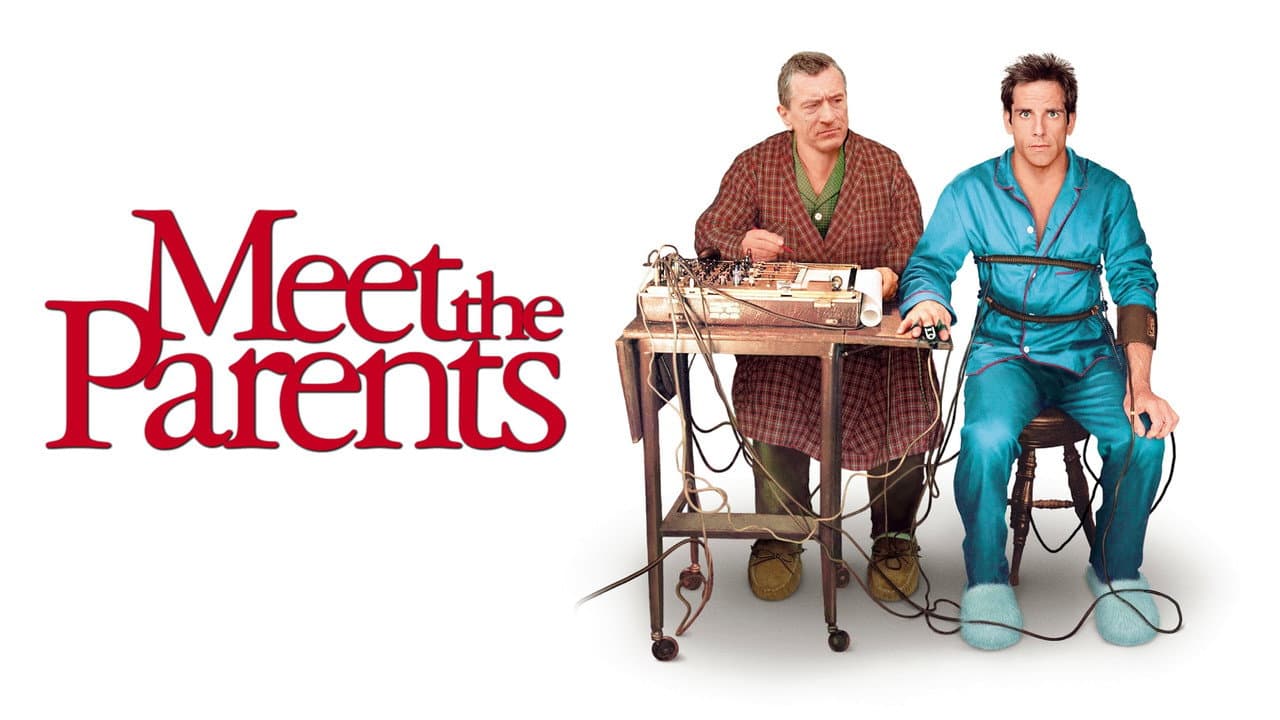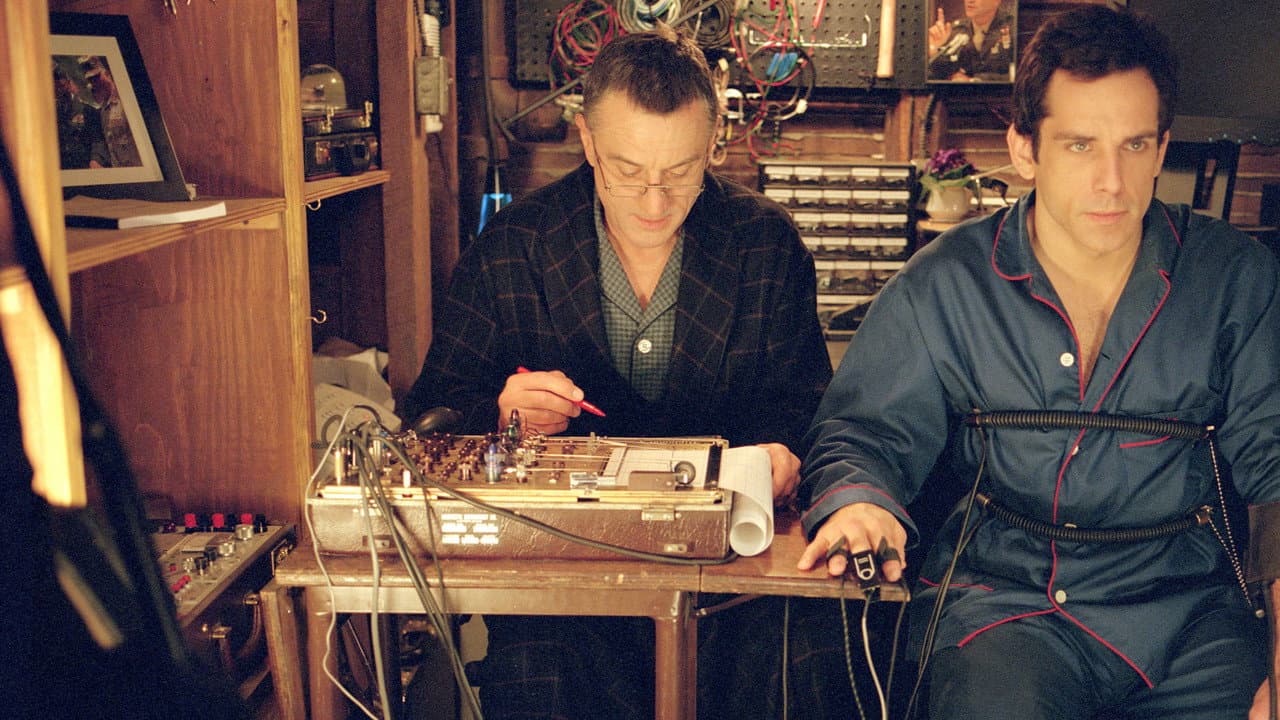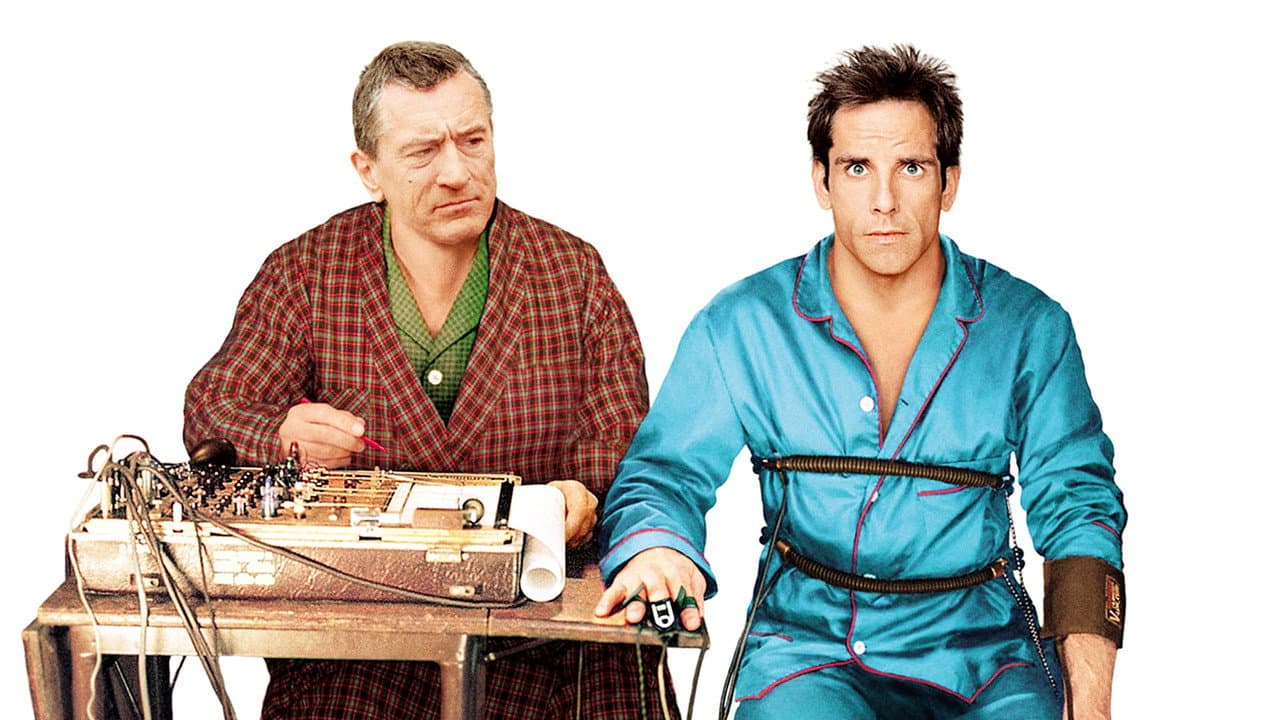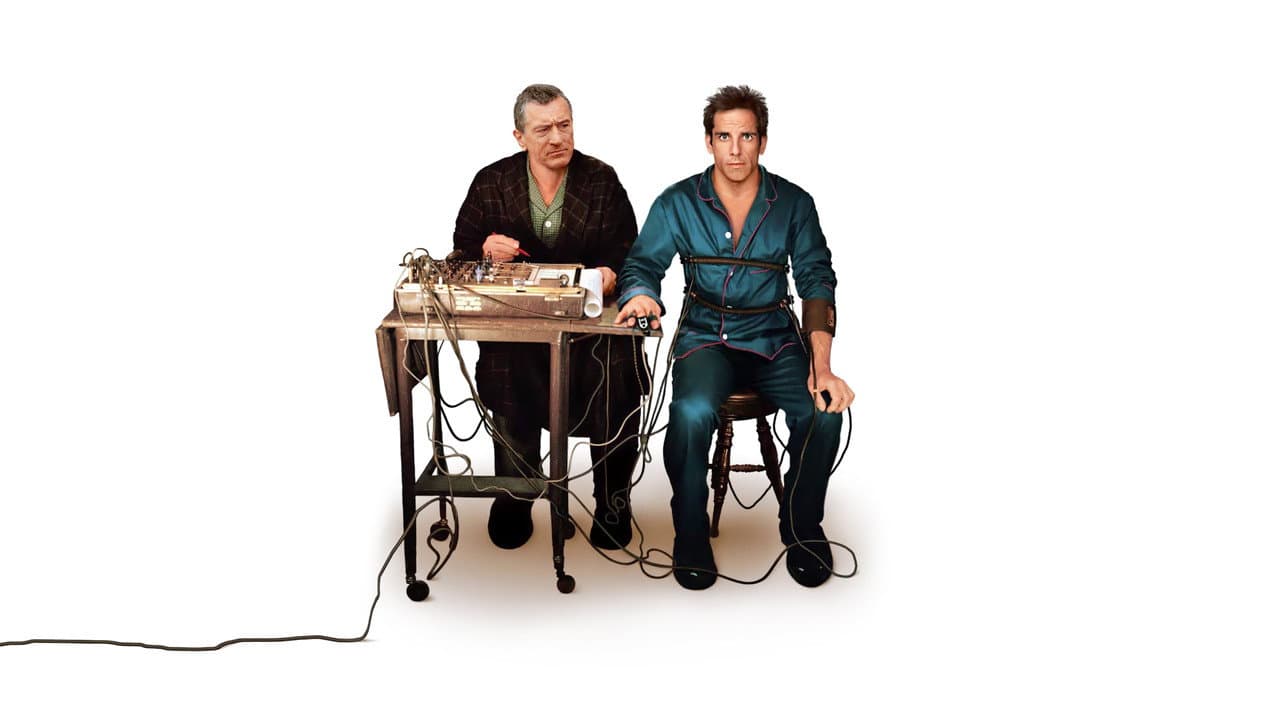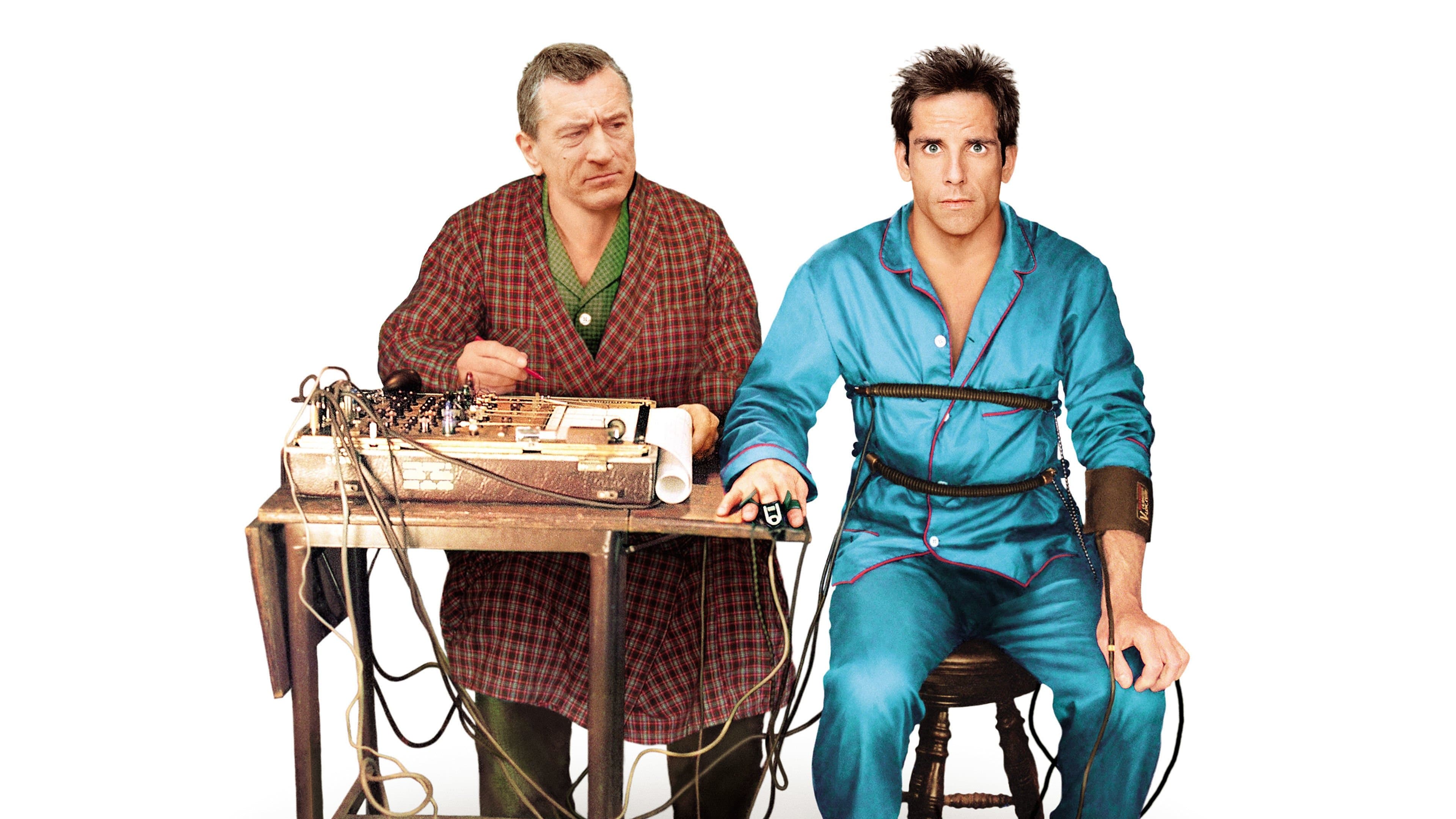
Twenty-six years after it first arrived in theaters, "Meet the Parents" remains one of the defining studio comedies of its era, a 108-minute exercise in escalating embarrassment that turned Ben Stiller's knack for humiliation into a mainstream franchise. Directed by Jay Roach and released on October 6, 2000, the film follows Greg Focker, a male nurse preparing to propose to his girlfriend, Pam, who must first survive a weekend at her family's home ahead of her sister's wedding. Standing between Greg and his future is Pam's father, Jack Byrnes, a humorless former CIA agent who subjects the young man to unrelenting scrutiny.
The premise is simple, almost elemental: a man trying desperately to make a good impression while every gesture he attempts collapses into disaster. What gave the film its lasting weight was the casting. Stiller, then building a reputation for playing men whose best intentions curdle into catastrophe, plays Greg with a frantic need to please. Opposite him, Robert De Niro's Jack is a study in controlled menace, a father who watches his daughter's suitor the way an operative watches a suspect. The chemistry between the two men supplies the movie's engine, and Roach keeps the pressure rising from the first awkward handshake onward.
Supporting the leads is an unusually strong ensemble for a mainstream romantic comedy. Teri Polo plays Pam, the girlfriend caught between her loyalties, while Blythe Danner gives Dina Byrnes a warmth that offsets her husband's chill. Jon Abrahams appears as Denny Byrnes, Nicole DeHuff as Debbie Byrnes, and Owen Wilson as Kevin Rawley, the family friend whose effortless charm makes Greg's struggles sting even more. James Rebhorn rounds out the cast as Dr. Larry Banks. The film was made in English by the Hollywood studio system, and its comedy of manners and missteps translated comfortably to audiences worldwide.
"Meet the Parents" moves through a succession of set pieces in which Greg's efforts to ingratiate himself backfire in increasingly spectacular fashion. A weekend meant to demonstrate competence instead produces a cascade of mishaps, each one observed by Jack with mounting suspicion and, eventually, his own form of quiet retaliation. Critics at the time and viewers since have pointed to the film's willingness to let awkwardness build slowly rather than simply stack gags. The humor comes less from jokes than from the dread of a guest who knows he is being judged and cannot stop himself from making things worse.
The film's commercial success at the turn of the millennium helped cement the comedy of social anxiety as a dominant mode in Hollywood, and it made the pairing of Stiller and De Niro an unexpected draw. The premise was extended in later installments, including a sequel built around the same family dynamic. While the ratings for the original settled into solid rather than exceptional territory, with a 6.7 out of 10 on TMDb and 7 out of 10 on IMDb, its place in the comedy canon is secure. The film remains a reference point for the genre, and the phrase it popularized - "I have nipples, Greg, can you milk me?" - endures as a shorthand for the movie's particular brand of discomfort.
A Cast Built on Contrast
What separates "Meet the Parents" from lesser comedies of its period is the precision of its casting. De Niro had already shown a gift for self-parody in comedic roles, but his Jack Byrnes is played straight - a genuinely intimidating figure whose paternal protectiveness curdles into something close to interrogation. Stiller's Greg is his natural opposite: a man who cannot lie effectively, cannot read a room, and cannot resist trying harder when the smart move is to retreat. The film works because the audience understands both positions. Jack's suspicion is not irrational, and Greg's desperation is not unreasonable. Polo's Pam, meanwhile, is not merely a prize to be won; she is the film's emotional anchor, caught between a father she respects and a partner she loves.
Roach, who had directed the "Austin Powers" films, brought a light touch to material that could have turned cruel. The humiliation visited on Greg is relentless, but the film never loses sight of its romantic core. The Byrnes family home becomes a stage for a weekend-long audition, and the comedy derives from the gap between the performance Greg intends to give and the one he actually delivers.
For viewers revisiting the film in 2026, "Meet the Parents" functions as a time capsule of early-2000s screen comedy and as a reminder of what a well-built farce can achieve. It runs 108 minutes without much padding, its premise is legible from the first scene, and its central relationship is grounded in recognizable anxiety about approval. The film was made within the Hollywood industry in English, and it retains the polished, broadly appealing quality of a studio production firing on all cylinders. What has aged best is the discomfort itself - a comedy that understands how much can go wrong in a single weekend.
Source: Hollywood Reporter