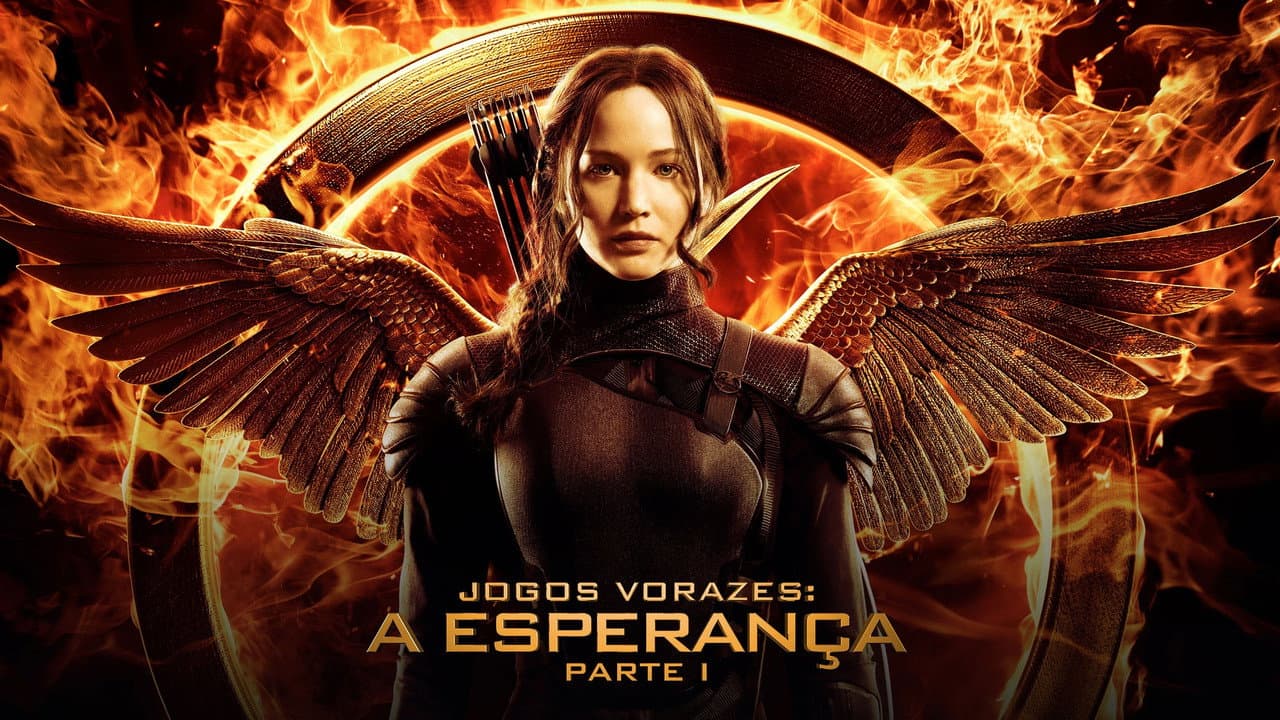
The producer behind The Hunger Games franchise has acknowledged what many readers argued at the time: splitting Mockingjay into two films was a mistake. In a candid retrospective on the series, the producer said the final chapter of Suzanne Collins' trilogy would have worked better as a single feature, echoing a debate that has trailed the franchise since the two-part adaptation was announced.
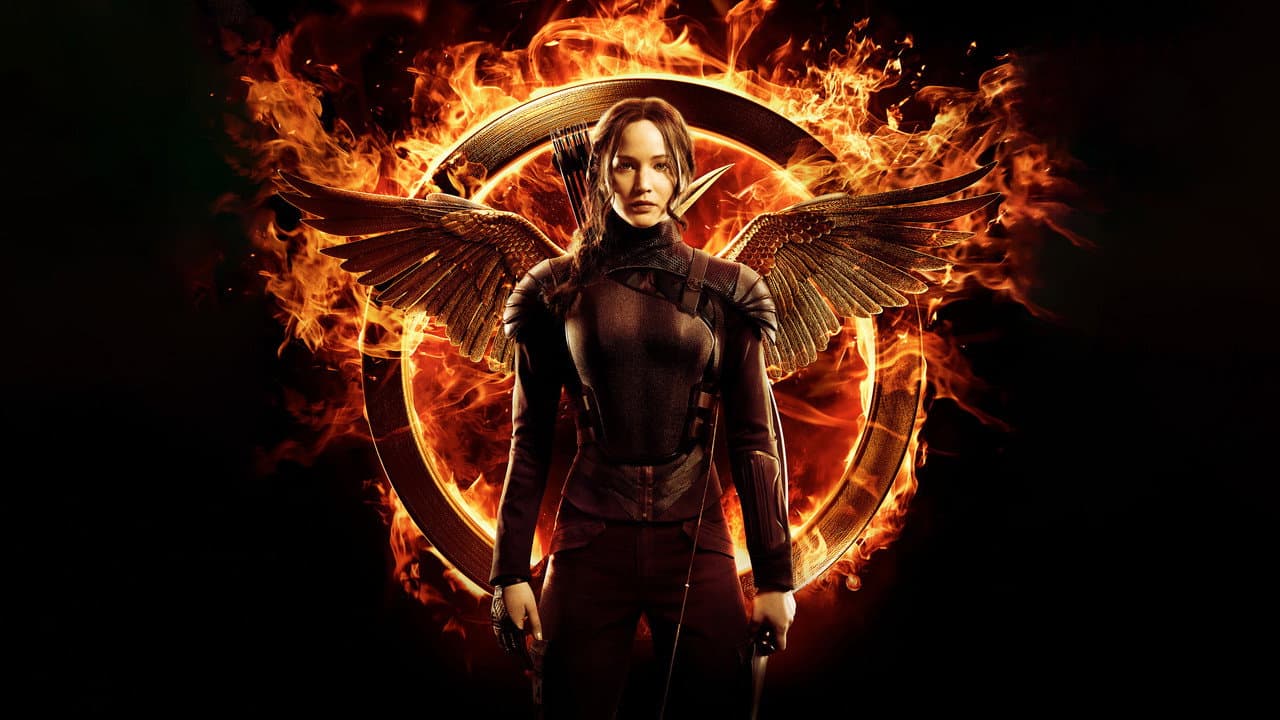
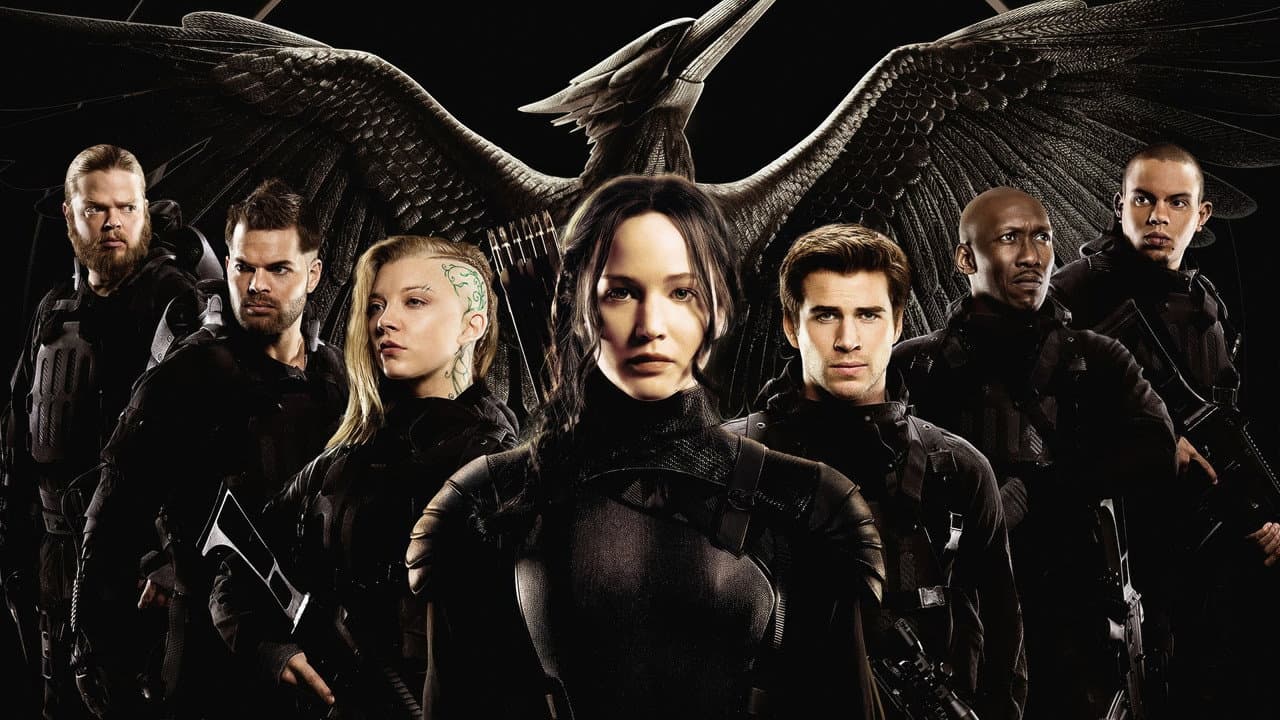
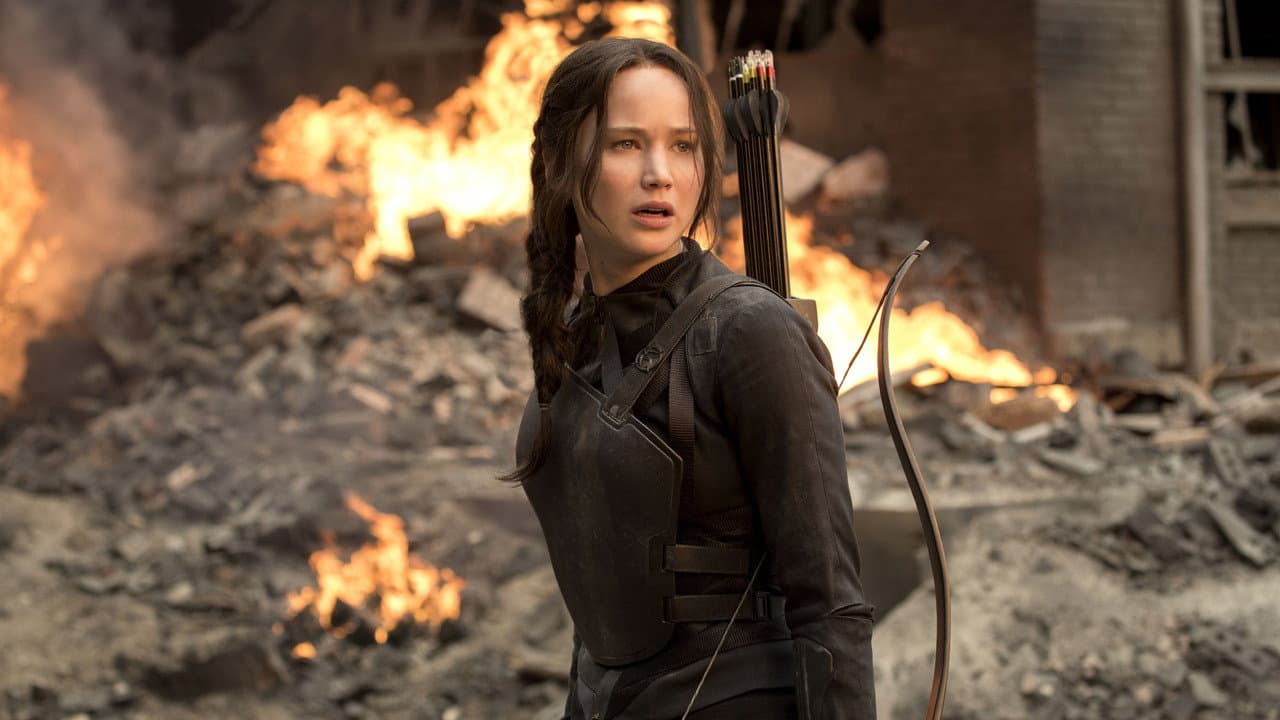
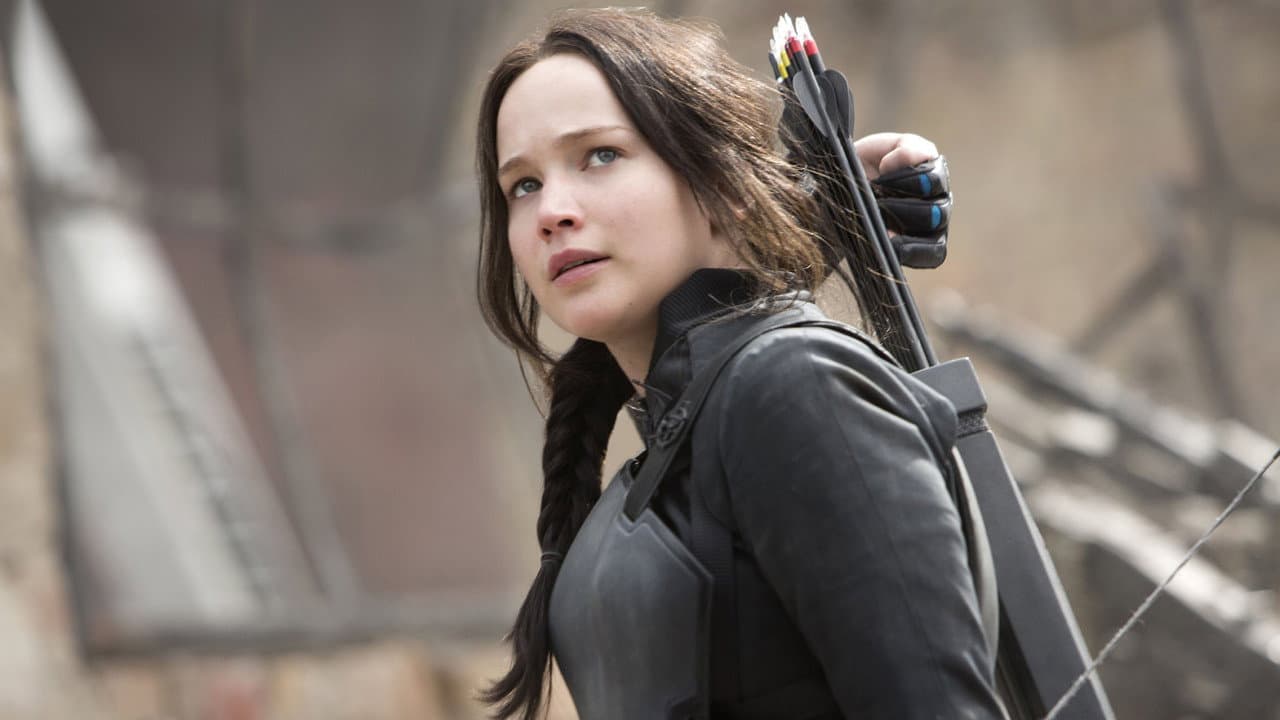
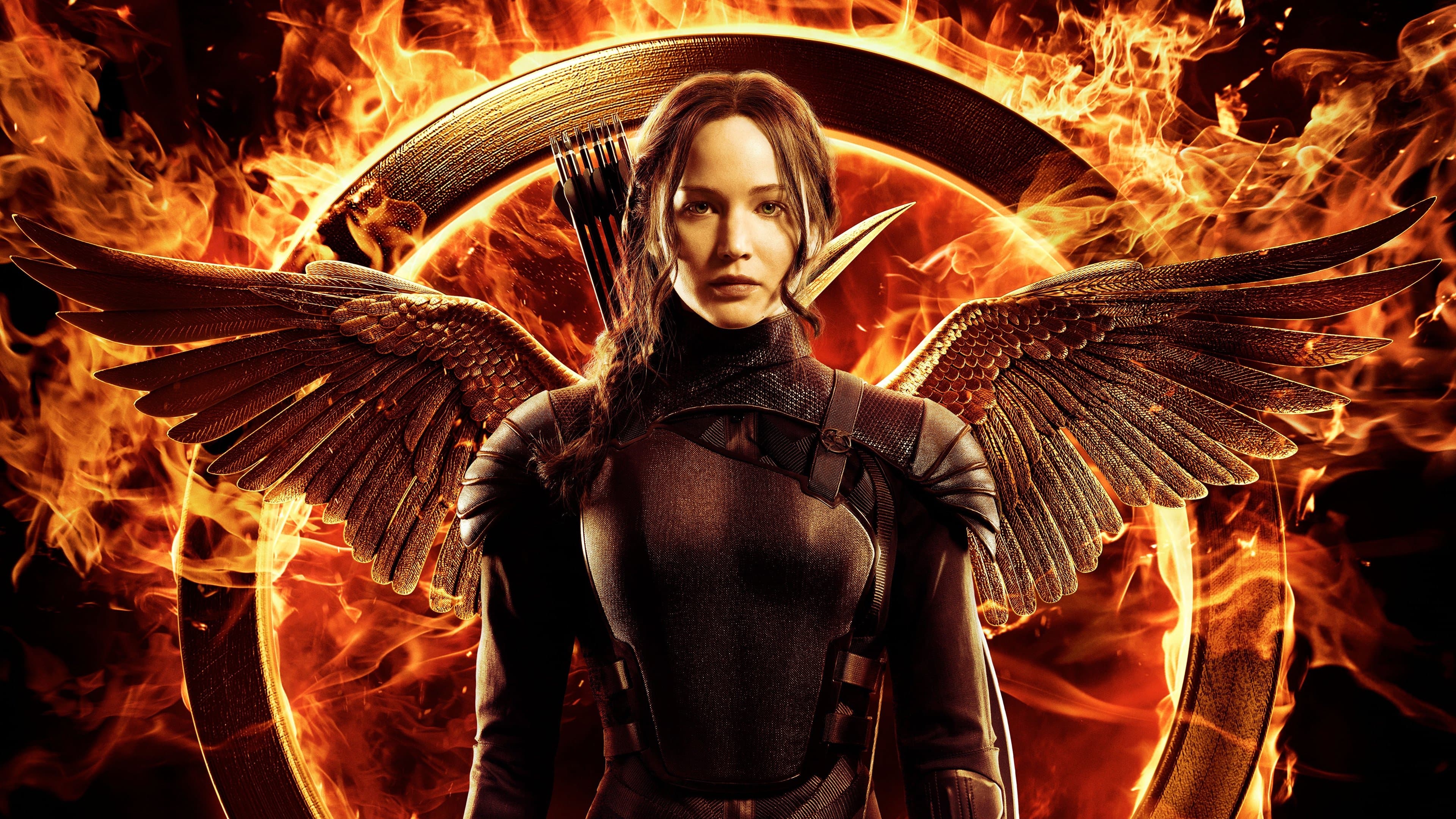
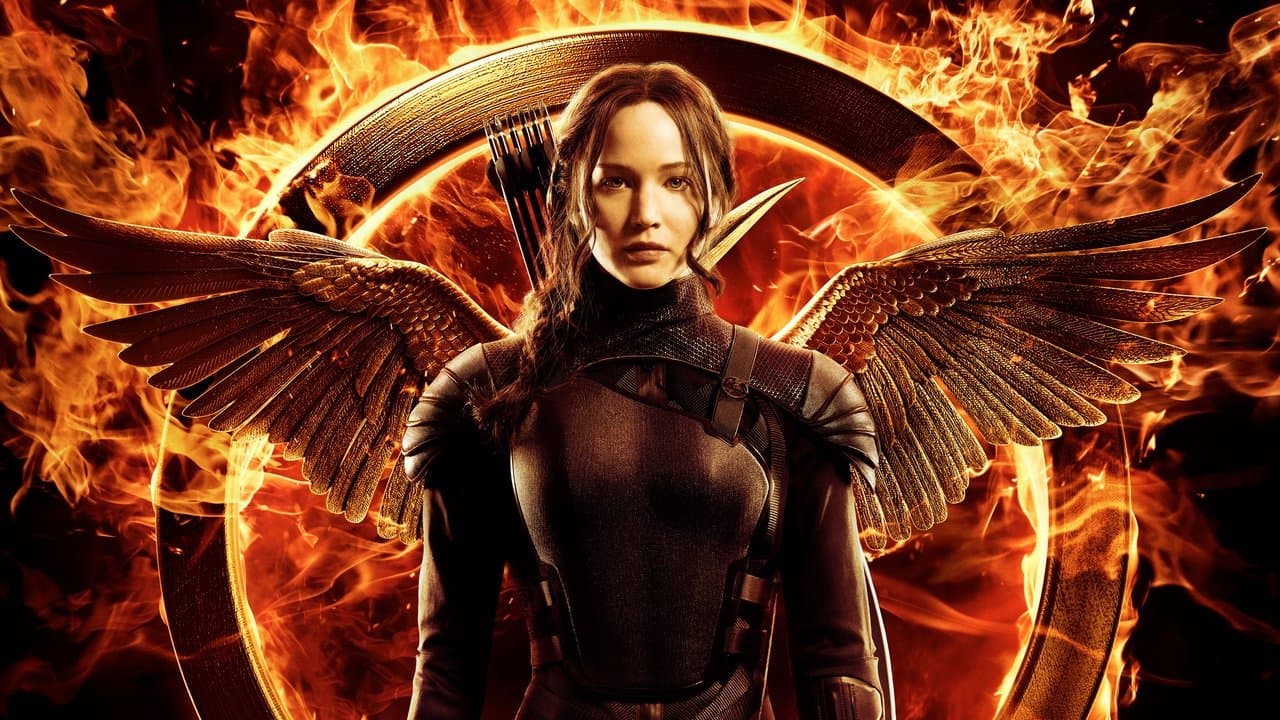
The Hunger Games: Mockingjay, released on November 19, 2014, was directed by Francis Lawrence and ran 123 minutes. It follows Jennifer Lawrence's Katniss Everdeen after she survives the Quarter Quell and is taken to the hidden stronghold of District 13, where the rebellion against the Capitol is gathering force. Burdened with becoming the symbol of the resistance, she balances fragile alliances against her need to protect the people she loves while propaganda battles rage and Panem edges toward full-scale war. Josh Hutcherson returns as Peeta Mellark, with Liam Hemsworth as Gale Hawthorne, Woody Harrelson as Haymitch Abernathy, Elizabeth Banks as Effie Abernathy and Julianne Moore as President Alma Coin. The cast also includes the late Philip Seymour Hoffman as Plutarch Heavensbee and Jeffrey Wright as Beetee Latier.
The producer's admission lands years after the two-part release strategy was standard practice in Hollywood, when studios routinely stretched a single book's conclusion across two theatrical releases. Mockingjay drew mixed reviews on arrival. Its TMDb rating sits at 6.816/10, and IMDb users have scored it 6.6/10 - noticeably softer than the reception given to the franchise's earlier installments.
A Commercial Bet That Paid Off, a Narrative Bet That Didn't
Even so, the first Mockingjay film was far from a failure. It opened to enormous anticipation, powered by the popularity of Collins' novels and by a cast led by a star at the height of her box-office pull. Splitting the book gave the filmmakers room for the political texture of District 13 and the propaganda war, but critics often felt the first half was heavy on setup and light on payoff. The producer's recent comments effectively concede that the story's momentum suffered from being cut in two - a common complaint among fans who cited a slower pace and an unresolved ending.
The admission also resonates in a changed industry. The era of cleaving a final book into back-to-back blockbusters has largely faded, and studios now often pair a single final installment with a more compact release plan - or avoid the split entirely. A producer reflecting publicly on the choice signals how thoroughly that thinking has shifted.
Why the Debate Still Follows the Franchise
In the years since, the four-film series has remained a touchstone for young-adult adaptations, and Mockingjay's structure has become a frequently cited cautionary example. The film's ending, which stops short of the novel's climax, is a recurring talking point: viewers who stream it today often discover only afterward that the resolution lies in the next installment. The producer's acknowledgment gives that complaint institutional weight. It also raises a natural follow-up - whether a condensed version of the story would have given Katniss's transformation a tighter, more satisfying arc within a single theatrical film.
The retrospective does not necessarily rewrite the film's legacy. Mockingjay remains a visually ambitious, politically charged entry in the series, and its ensemble - particularly Moore's steely President Coin and Hoffman's calculating Plutarch - remains a highlight. But a studio decision once presented as inevitable now reads as a bet that, in the producer's own view, the story could have done without.
Source: Hollywood Reporter