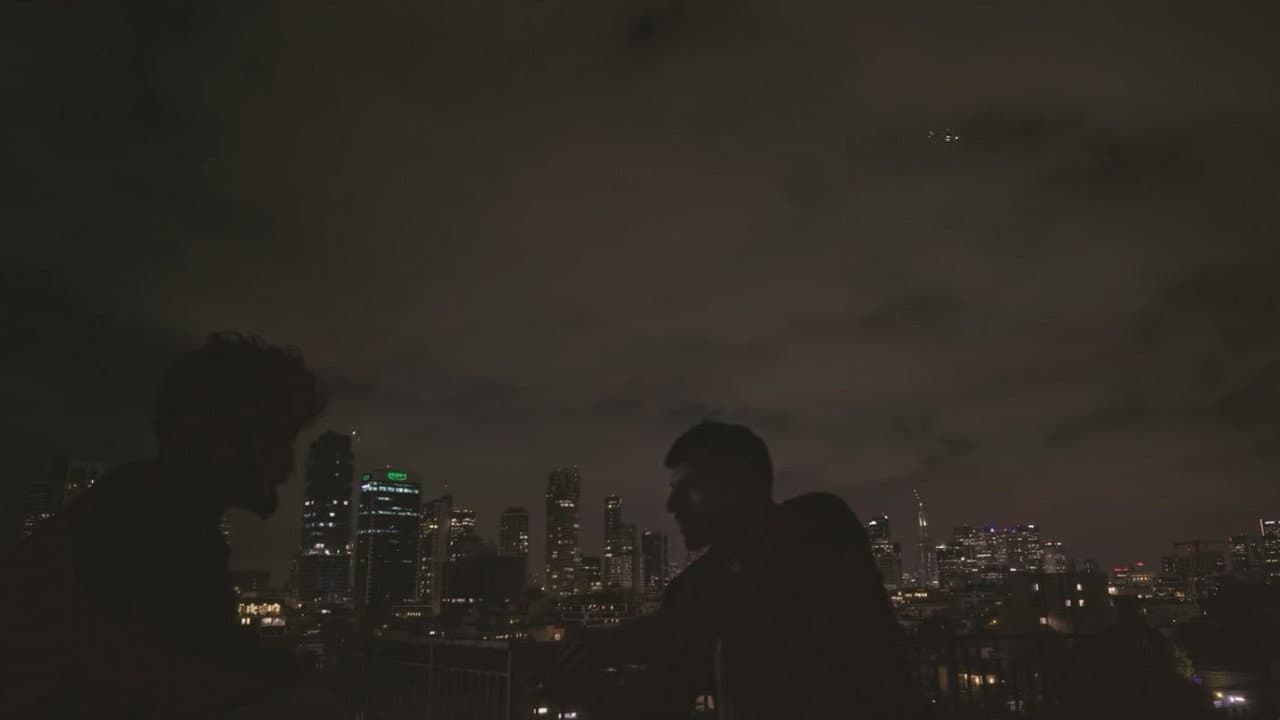
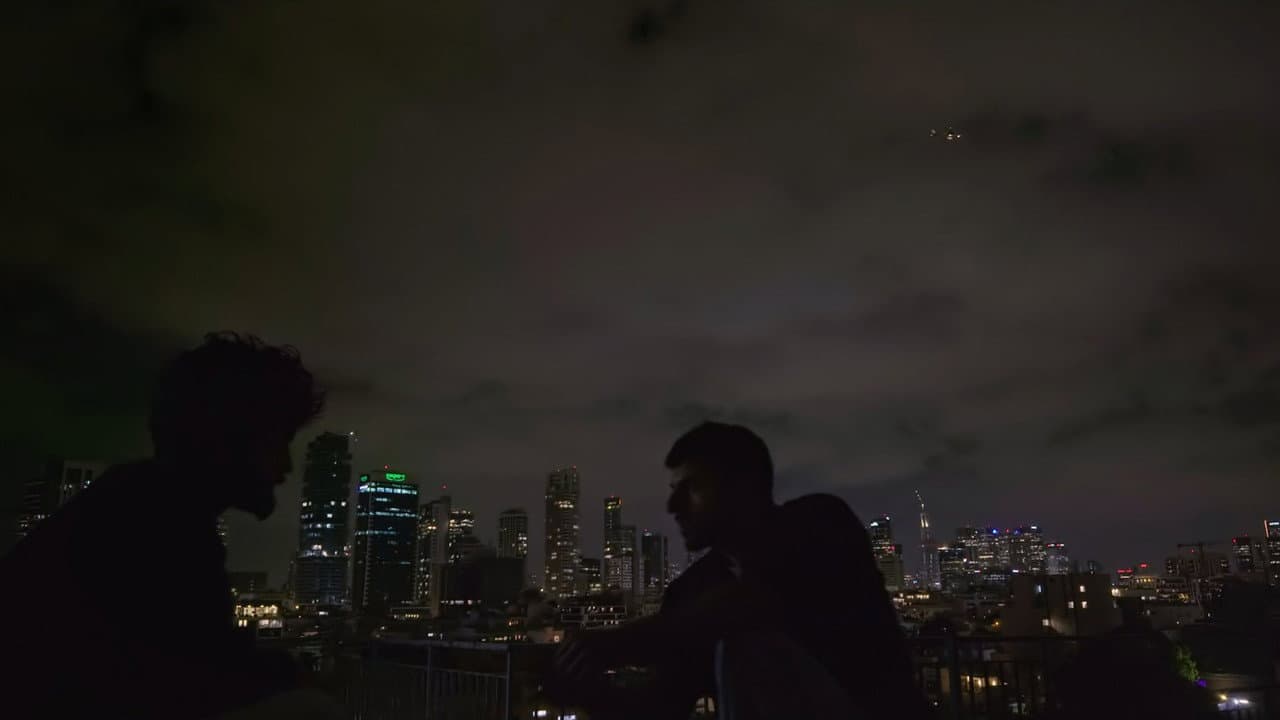
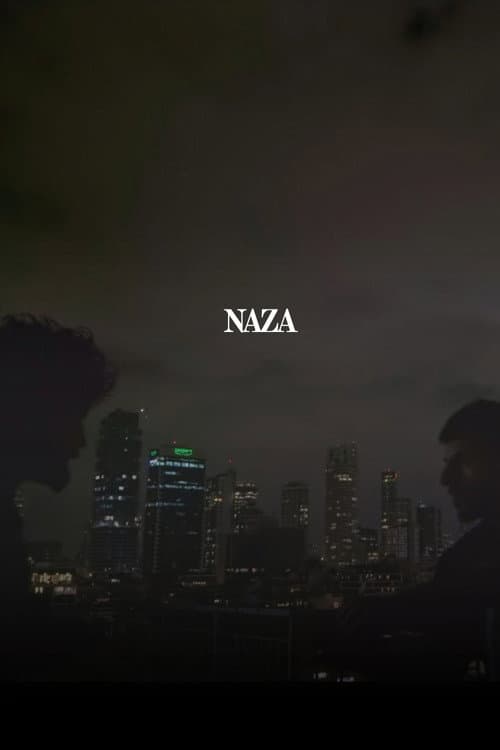
Yuval Abraham's "NAZA" arrived in theaters on September 10 with little of the traditional marketing machinery that usually accompanies a documentary release, yet the film has already begun generating the kind of word-of-mouth that distributors cannot manufacture. The 80-minute documentary, which Abraham wrote and directed and in which he also appears as himself, examines the systems behind Israel's military campaign in Gaza through conversations recorded at night on Tel Aviv rooftops. According to the official synopsis, those secret discussions feature the people who designed and operated the mechanisms of what the film describes as Israel's calculated mass killing of Palestinian civilians.
The timing of the release places "NAZA" squarely in a crowded and contentious conversation. Documentary distributors have grown cautious about titles touching the Israeli-Palestinian conflict, and exhibitors in several markets have faced pressure from advocacy groups on both sides when such films screen. That "NAZA" has secured a theatrical window at all is notable; that it did so without a major studio behind it is more so. The film's English-language production and Hollywood industry affiliation give it access to the North American arthouse circuit, where politically charged nonfiction has historically found its most reliable audiences.
Abraham is not a newcomer to this subject matter. He has spent years documenting life and military operations in the region, and his decision to place himself inside the frame rather than remain a detached observer shapes "NAZA" into something closer to a first-person investigation than a conventional survey. The rooftop setting matters: recorded at night, away from official briefing rooms and press conferences, the conversations carry the texture of people speaking without institutional supervision. The film's overview describes the participants as the architects and operators of the systems in question, a framing that promises technical specificity rather than broad moral argument.
A rating that suggests audiences are engaging
On TMDb, "NAZA" currently holds a 7.5 out of 10 rating. That figure should be read with the usual caution, since documentary ratings on crowd-sourced platforms tend to reflect the passions of the people most motivated to vote early. Still, a score above seven for a film with no star cast and a heavy subject suggests that viewers who sought it out found it substantive. The runtime of 80 minutes is another point in its favor for theatrical exhibition; it is short enough to program alongside panel discussions, which is how documentaries of this kind often build momentum after opening weekend.
The film's genre classification is straightforward documentary, with no hybrid elements or dramatized reconstructions listed in its metadata. Abraham is credited as the sole cast member, appearing as himself. That minimal production footprint is consistent with the rooftop conceit: a small crew, a fixed location, and a reliance on access rather than spectacle.
What the release means for the documentary market
"NAZA" enters a marketplace where political documentaries have become both more plentiful and more difficult to place. Streaming platforms that once competed aggressively for issue-driven nonfiction have pulled back, leaving theatrical and festival runs as the primary path to visibility. A Hollywood affiliation helps, but it does not guarantee wide distribution. The film's performance over the coming weeks will be watched closely by independent distributors trying to gauge whether audiences will turn out for material this contentious without a recognizable name above the title.
There is also the question of how the film will be received outside the United States. Abraham's previous work has traveled to European festivals, where documentaries about the conflict routinely draw both praise and protest. Whether "NAZA" follows that pattern will depend in part on how exhibitors frame it: as a work of journalism, as an activist statement, or as something in between. The film's own materials lean toward the first framing, emphasizing the identity of the speakers as designers and operators rather than commentators.
For now, "NAZA" stands as one of the fall's more unexpected theatrical entries: a short, self-contained documentary from a director willing to put himself on camera, arriving without fanfare and asking audiences to listen to people describe what they built. Whether that approach finds the broad audience its subject arguably demands remains an open question. The answer will come not from opening-weekend numbers, which are rarely meaningful for a film like this, but from whether the conversations it depicts continue to be discussed long after the credits roll.
Source: Hollywood Reporter