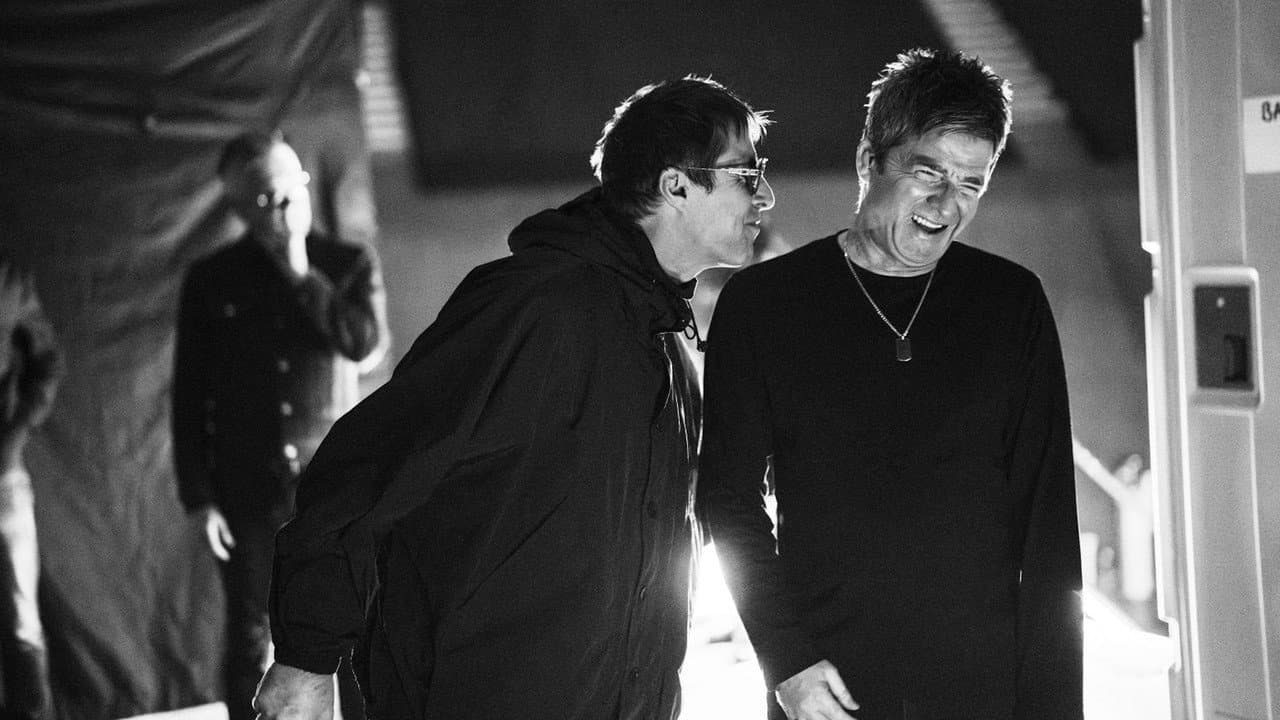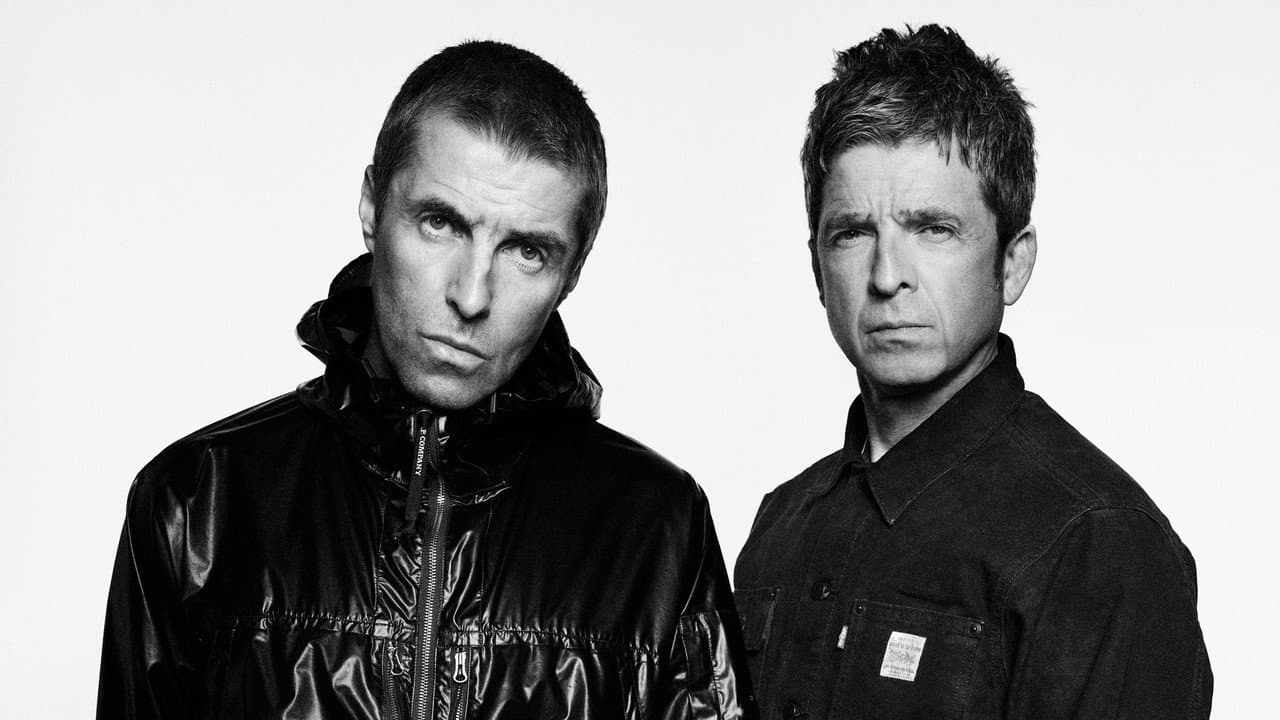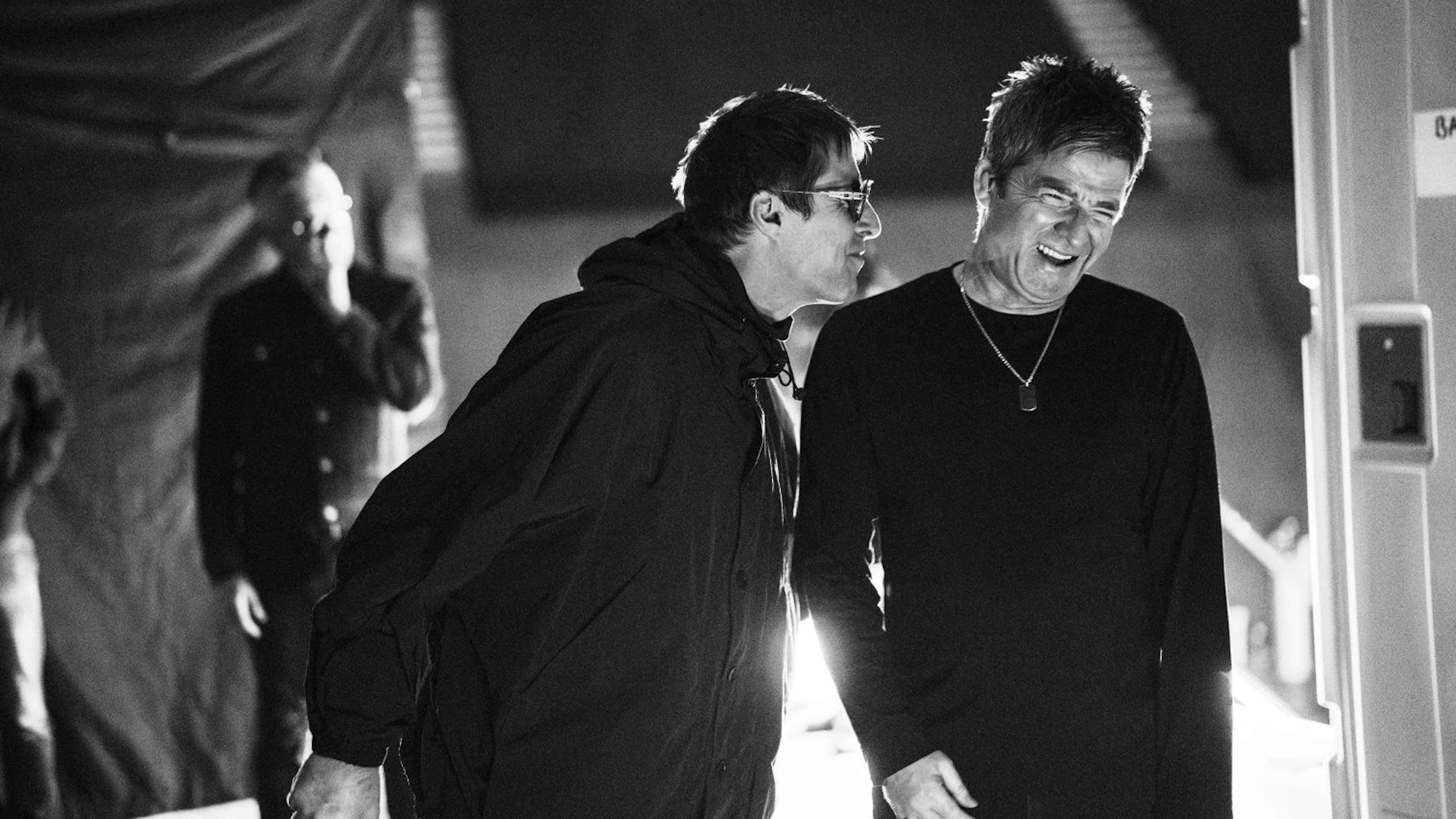
VENICE, September 5, 2026 - The long-simmering feud that defined British rock for decades appeared to melt away on the Lido this evening, as brothers Liam and Noel Gallagher walked the red carpet shoulder-to-shoulder at the world premiere of Oasis: Don't Look Back in Anger. The documentary, which lands in theaters on September 9, captures the band’s ascent from working-class Manchester to global superstardom, weaving rare archival footage with fresh interviews to frame the story ahead of the Oasis Live ’25 reunion tour. But for the press corps and the thousands of fans who lined the canal-side pavilion, the real headline was the sight of the siblings - long estranged, often publicly venomous - arriving together, trading quiet words and, at one point, locking arms for the cameras.
The 123-minute film, directed by Dylan Southern, does not pretend to resolve the brothers’ history. Instead, it leans into the contradictions, chronicling how two scrappy kids with a stolen swagger rewrote the rules of Britpop while barely tolerating each other in the same studio. Rare home-movie footage shows the band in their pre-fame squats, while talking-head segments with guitarist Paul Arthurs, bassist Andy Bell, and drummer Joey Waronker add texture to the more familiar lore of dodgy deals, blown-out amplifiers, and the notorious 1996 Knebworth stand that crowned them kings of the era. Gem Archer and Christian Madden also appear in the film’s ensemble of voices, alongside Anaïs Gallagher, Noel’s daughter, whose perspective offers a second-generation lens on the Gallaghers’ complicated mythos.
Southern, best known for his work on Supersonic, has structured the documentary as a ride rather than a eulogy. The narrative propels from the band’s first cramped rehearsals in a Manchester boardroom to the arenas of the mid-’90s, punctuated by raw concert audio and offhand backstage bickering that has rarely surfaced in public. The film’s title, drawn from the band’s timeless ballad, is no accident; it frames the reunion tour as a long-deferred act of forgiveness, a theme Southern underscored in his brief premiere remarks. “This is not a story about anger,” he told the audience. “It’s a story about what happens after the anger.” The crowd, a mix of industry veterans and die-hard fans who had waited for hours on the Ponte della Libertà, responded with a roar when the closing credits rolled.
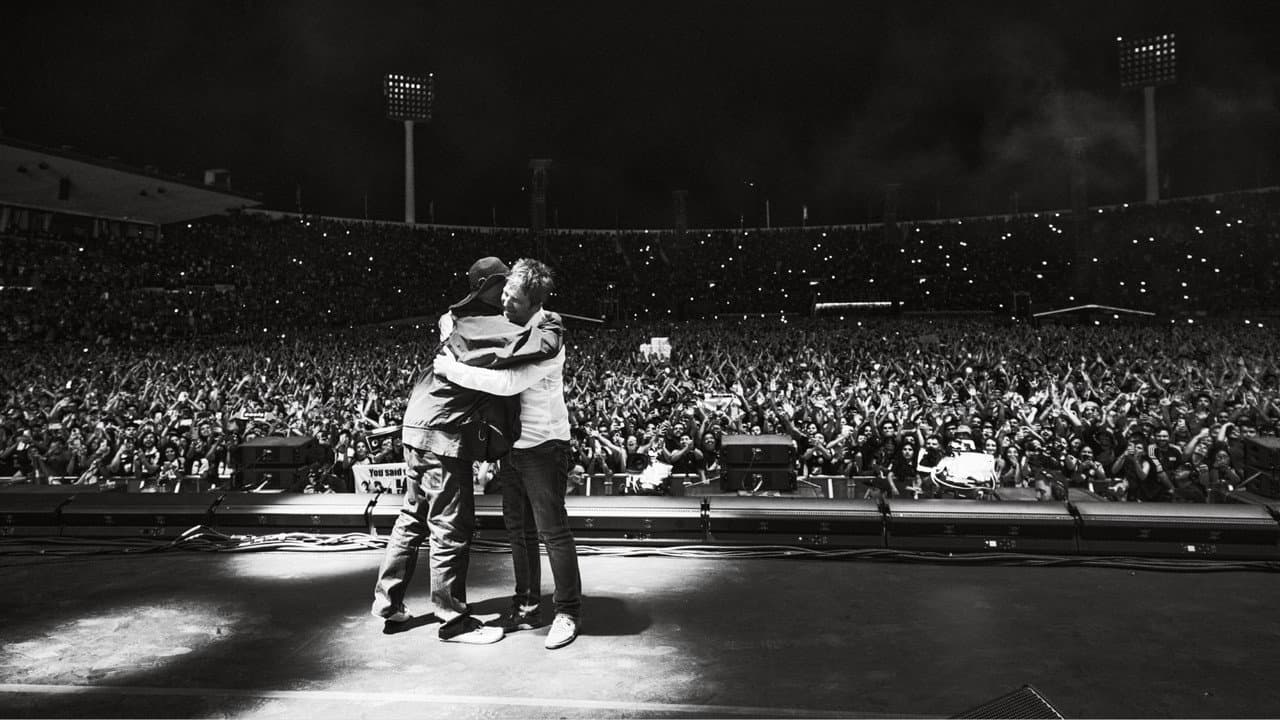
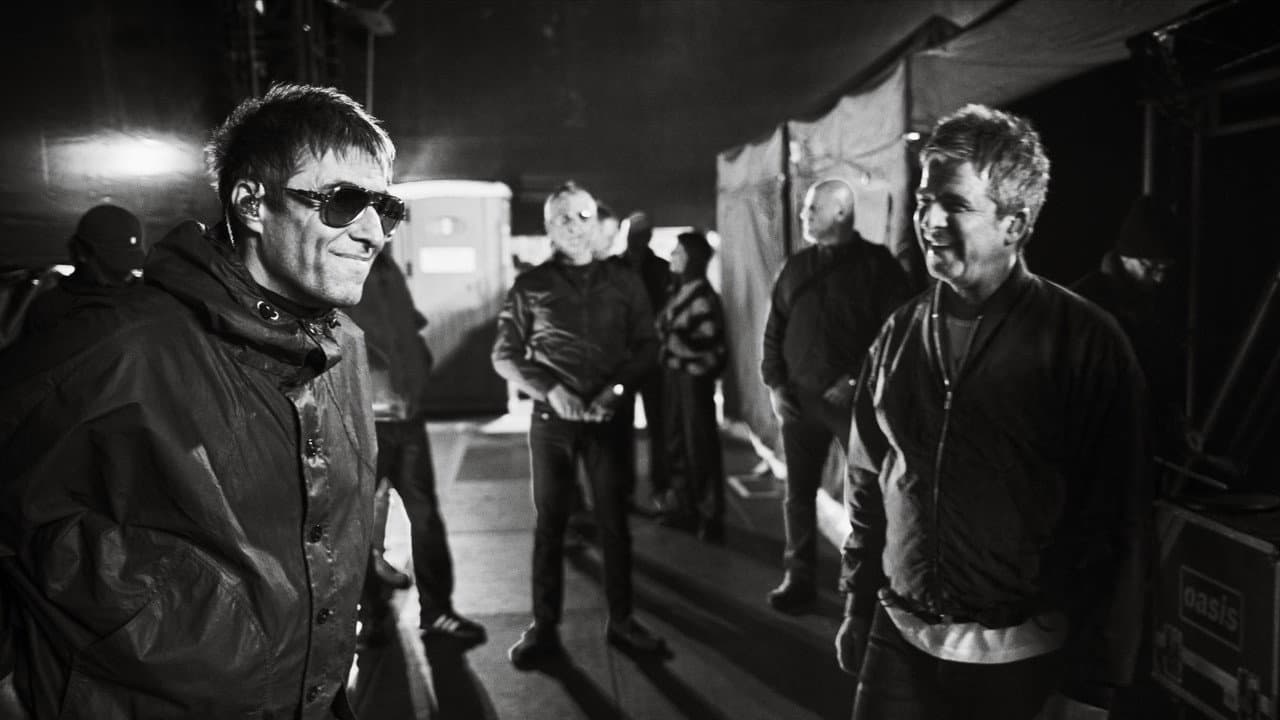
For the Gallaghers, the evening was a masterclass in managed symbolism. Liam, ever the peacock, wore a vintage shearling coat over a bucket hat, grinning at photographers with the same insolence that made him a tabloid fixture in the ’90s. Noel, more reserved in a tailored black suit, allowed himself a tight smile when a fan shouted “Live forever!” from across the barrier. The brothers did not perform, nor did they address the press directly. But their body language did the talking: shoulders squared, arms linked for a full thirty seconds, a brief forehead touch that sent social media into a frenzy within minutes. It was the first major public appearance they have made together outside of a concert stage since the reunion was announced, and it signaled a détente that many industry insiders had privately deemed impossible.
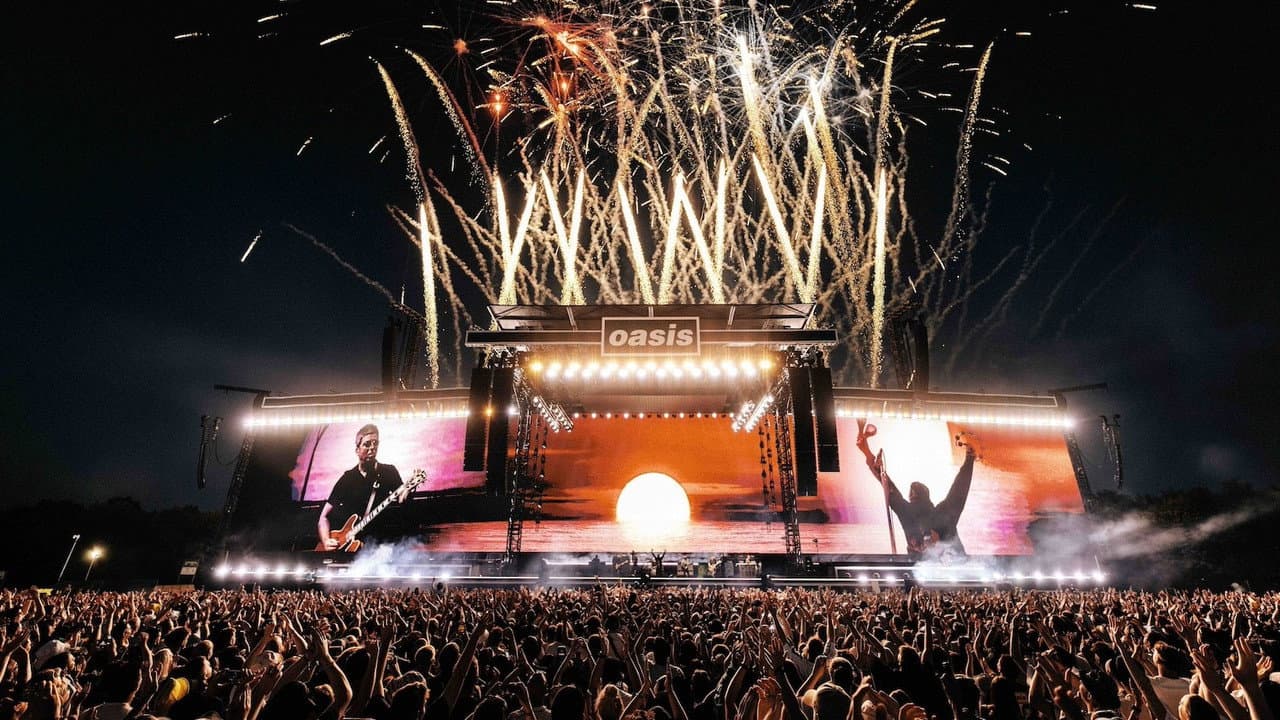
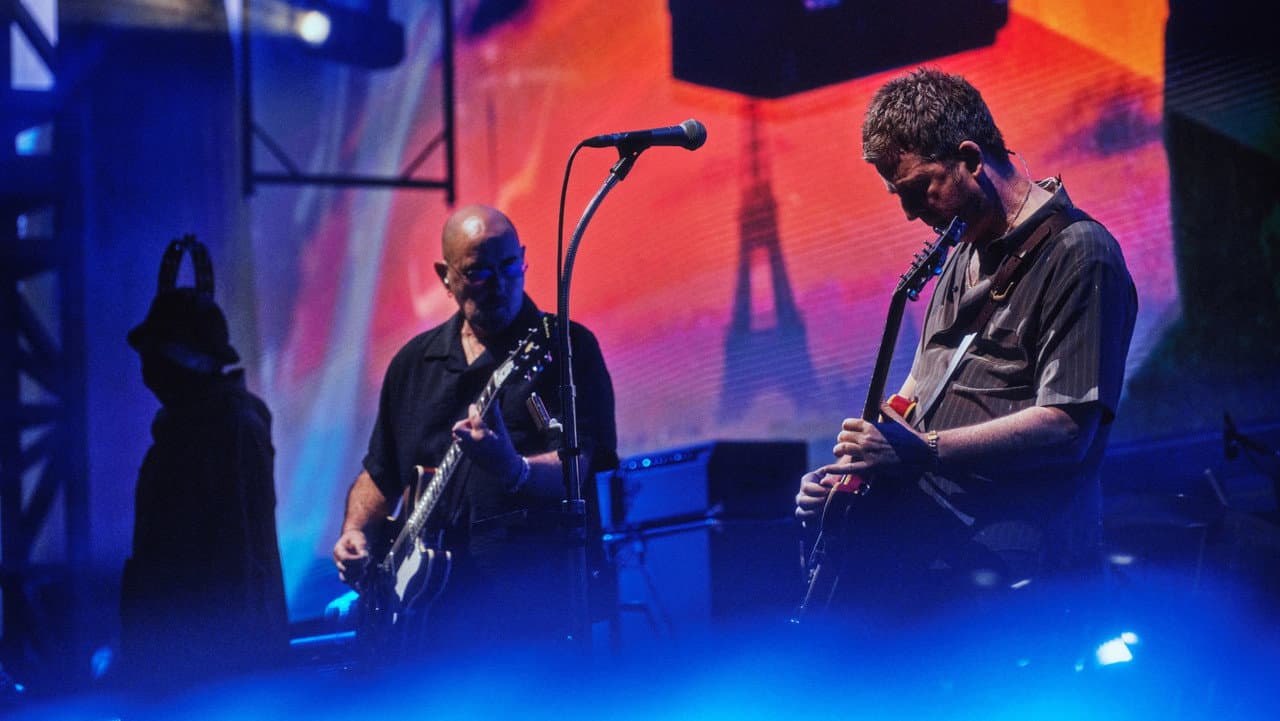
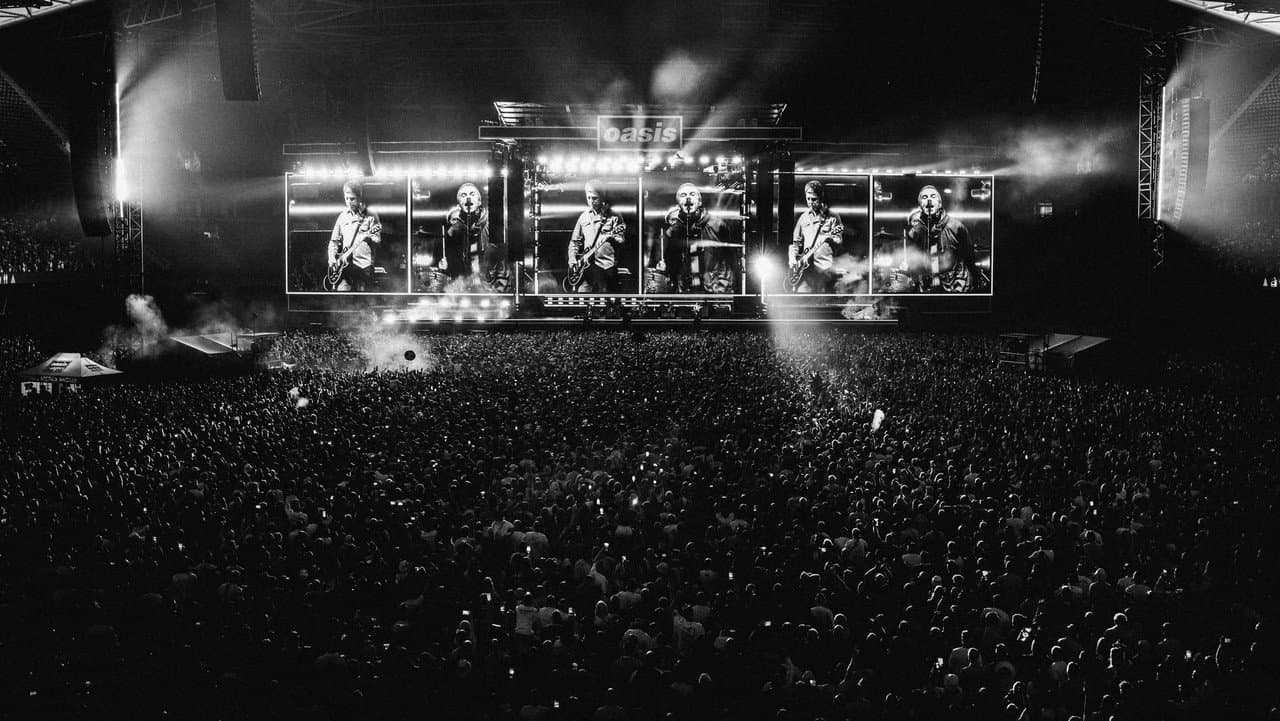
The documentary’s release is carefully timed to capitalize on the Oasis Live ’25 tour, which has already become one of the highest-grossing concert runs in history, with stadium dates selling out across Europe and North America within hours of going on sale. The film, however, is not a concert movie. Southern has repeatedly stressed that Don't Look Back in Anger is a document of formation - of how five blokes from council estates turned their restlessness into anthems that still soundtrack football terraces and wedding receptions alike. The archival material, much of it unseen by the public, includes footage of an 18-year-old Noel demoing “Live Forever” on an acoustic guitar in his sister’s bedroom, and a tense soundcheck where Liam walked offstage mid-song, only to return with a retooled vocal arrangement that would define the track’s final cut.
The TBDb rating of 0/10, a placeholder until critics file their reviews post-premiere, does little to temper the buzz. Early word from the Lido suggests the film succeeds precisely because it refuses to sanitize its subjects. One attendee described it as “a love letter with a blade’s edge,” while another noted that the most affecting moments come not from the brothers but from the supporting players - Arthus recounting the band’s first Top of the Pops appearance, Bell explaining how he joined a group that was, in his words, “a cult with amplifiers.” Anaïs Gallagher’s segment, in which she describes learning her father’s songs secondhand from radio playlists rather than family singalongs, drew audible gasps from the premiere audience.
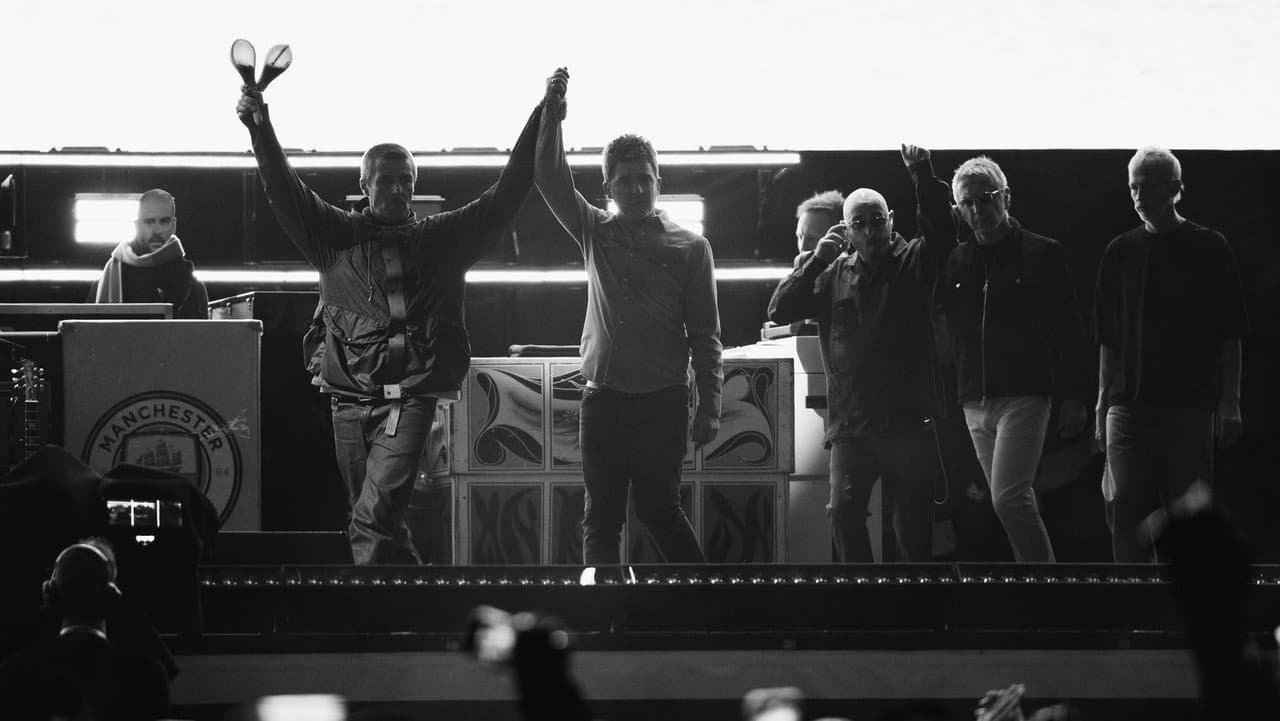
As the night wound down, the Gallaghers lingered near the water’s edge, chatting with Southern and a small circle of cast members. A reporter shouted a question about whether this premiere marked the start of a permanent reconciliation. Noel did not answer. Liam, however, turned, pointed two fingers at the journalist, and then placed that same hand on his brother’s shoulder before both men disappeared into a black sedan. Whether that gesture means anything beyond the moment is anyone’s guess. But for one evening in early September, the two most stubborn personalities in rock history chose to stand together, and the film they were there to celebrate now carries a weight no scripted narrative could have invented. The documentary opens worldwide next Wednesday, and the tour continues through the autumn. The rest, as ever, remains unwritten.
Source: Hollywood Reporter