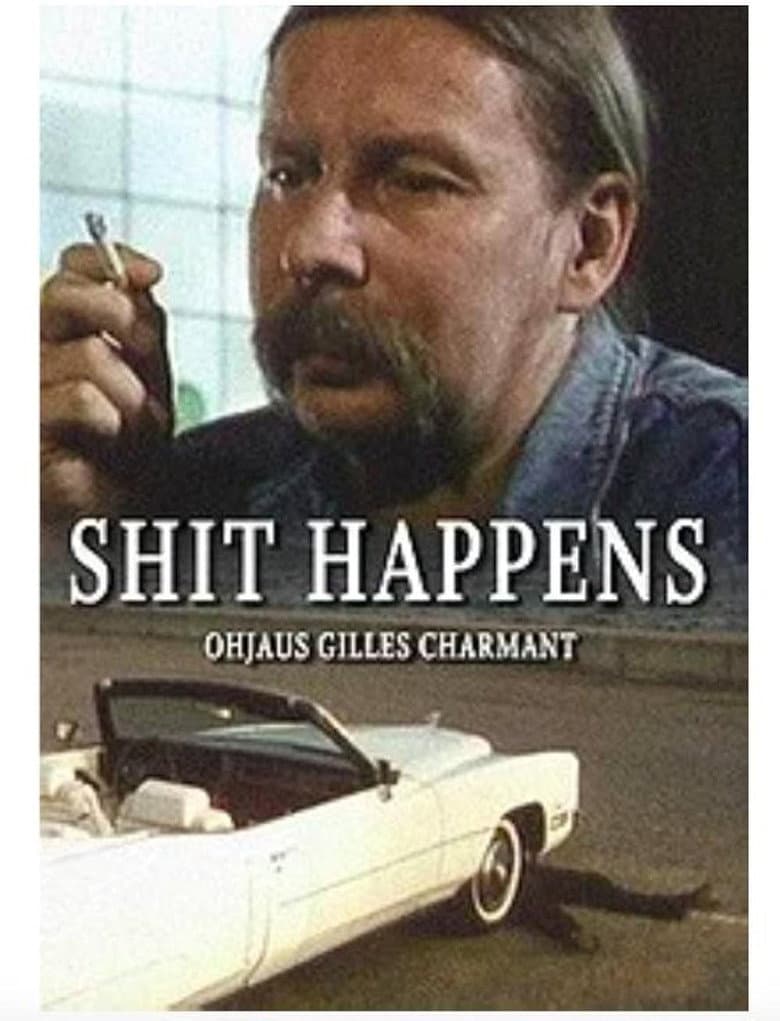
TALLINN, Estonia - A film about a hapless man whose life is upended by an absurdly literal title, and another about an aging erotic photographer forced to answer for his life's work when his adult daughter reappears, sit at the center of the offbeat slate drawing attention at this year's Tallinn Black Nights Film Festival. The two projects, radically different in tone and origin, have become emblematic of a side programme that trades glossy prestige for risk, eccentricity, and discomfort - qualities that have long defined the festival's reputation among cinephiles looking for something they will not find at the multiplex.
The festival's offbeat sections have always functioned as a kind of parallel universe to its main competition, and this year is no exception. What unites the films on offer is less a shared aesthetic than a shared refusal to behave. These are stories that begin from a premise, often a strange one, and follow it wherever it leads, even when the destination is awkward, uncomfortable, or unresolved.
An Erotic Photographer Faces His Daughter
The most talked-about entry in the offbeat lineup concerns a man who has spent decades behind the camera photographing women, building both a career and a persona out of desire. His estranged daughter arrives to confront him - not with accusations of cruelty, but with questions. What did his work mean? What did it cost the people around him? And what kind of person does a lifetime of looking at others actually produce?
The premise is provocatively simple, and it is easy to see why programmers gravitated toward it. It turns the camera around, so to speak, and forces a reckoning that is both intimate and philosophical. The photographer is not portrayed as a monster, at least not by design; he is a man who made choices and now must live inside their consequences while his daughter - an adult with her own perspective and her own grievances - refuses to let him off the hook.
That dynamic gives the film its tension. It is not a story about scandal, but about legacy, and about the ways in which the people we love can become the most exacting critics of the work we have built our identities around. For a festival audience accustomed to films that interrogate authorship and power, the subject matter lands squarely in the zeitgeist without ever announcing itself as a think piece.
When a Title Becomes a Premise
The second film earning buzz takes its cue from an exclamation of resignation - the kind of phrase people utter when plans collapse and fate intervenes. What begins as a wry observation about bad luck develops into something richer, a comic and occasionally painful exploration of how people rationalize the chaos of their lives. The title itself, crude and blunt, signals the film's sensibility: irreverent, unpretentious, and willing to laugh at the very things that hurt.
It is the kind of movie that resists tidy summary, and that is precisely the point. Offbeat programming at Tallinn has traditionally rewarded filmmakers who trust their audiences to follow them into strange territory, and this entry appears to do exactly that. Whether it sticks the landing is a question for audiences to settle, but its willingness to swing for something unusual has already made it a conversation starter.
Why Tallinn Keeps Betting on the Strange
The presence of these films in the same festival as more conventional prestige fare is a reminder of what has made Tallinn a fixture on the autumn circuit. The festival has cultivated an identity as a place where the unfamiliar is not merely tolerated but celebrated - where a first-time filmmaker with a bizarre premise can share a marquee with established names and find an audience willing to take a chance.
That curatorial instinct carries risks. Not every experiment works, and offbeat cinema can veer into self-indulgence as easily as it can into revelation. But the alternative - a festival that plays it safe - offers few rewards for the cinephiles who travel to Tallinn precisely because they want to be surprised. The offbeat sections exist to serve that appetite, and this year's lineup, anchored by a photographer's reckoning and a comic meditation on misfortune, suggests the appetite remains robust.
For attendees, the appeal is partly the unpredictability and partly the conversations that follow. A film about a father confronted by his daughter invites debate about art, consent, and family; a film built around a throwaway phrase invites laughter and then reflection. Together they represent the range the festival is trying to capture: the strange, the uncomfortable, and the unexpectedly moving, all sharing the same screen. The films may not be for everyone, but in Tallinn, that has never been the measure of success.
Source: Hollywood Reporter