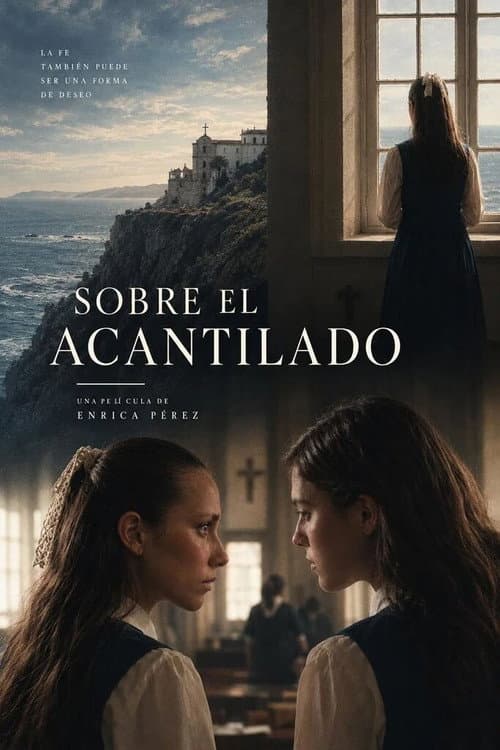
The psychological drama "On Top of the Cliff" has claimed the top prize at the Tallinn Black Nights Film Festival, capping a striking festival run for a Spanish-language feature that turns a 1950s religious boarding school into a pressure chamber of faith, jealousy and adolescent desire. Directed by Enrica Pérez, the film had its release on November 17, 2026, and now arrives in the awards conversation with the Estonian festival's highest honor behind it.
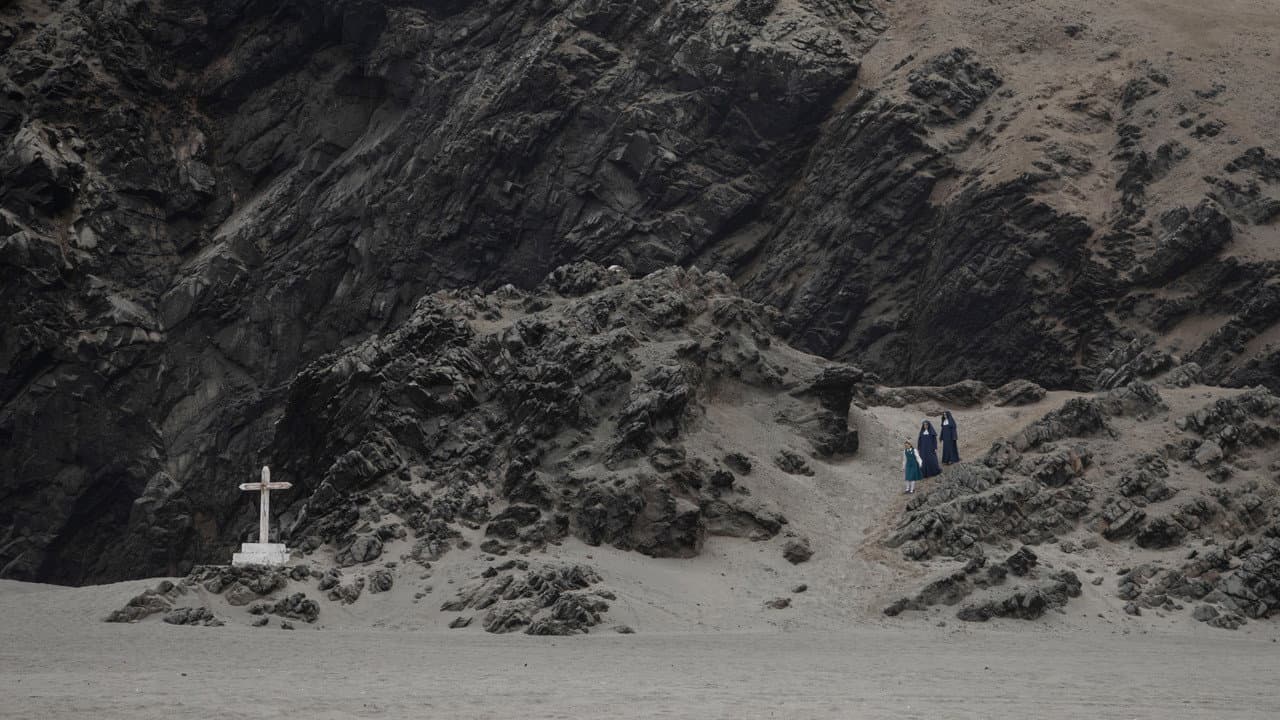
The win hands a major international spotlight to a film that has largely built its reputation on atmosphere and performance rather than scale or spectacle. Set in Lima in the 1950s, "On Top of the Cliff" unfolds inside a Catholic girls' boarding school perched on a cliff above the Pacific Ocean, a location that functions as both sanctuary and trap. Its 112-minute runtime is devoted to the slow unmaking of order within those walls, and the festival jury's decision to reward it suggests that the film's brand of patient, unnerving storytelling found receptive ground.
A Story of Faith, Fascination and Fracture
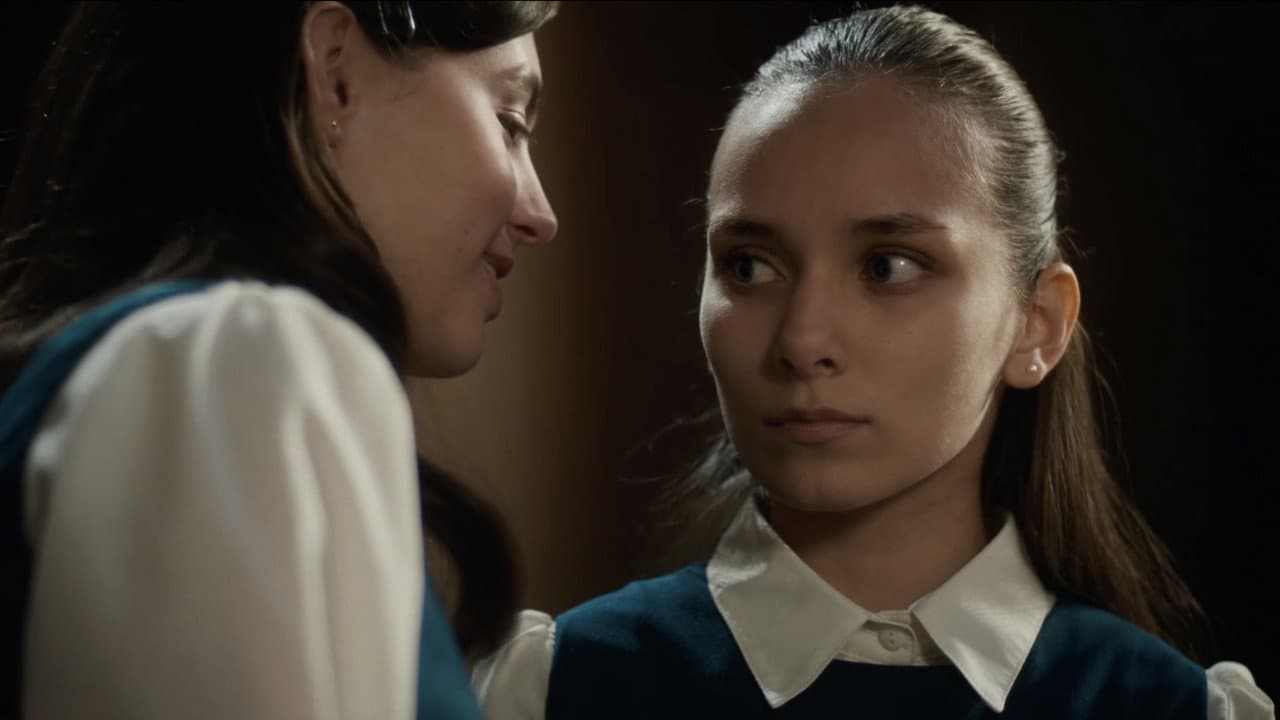
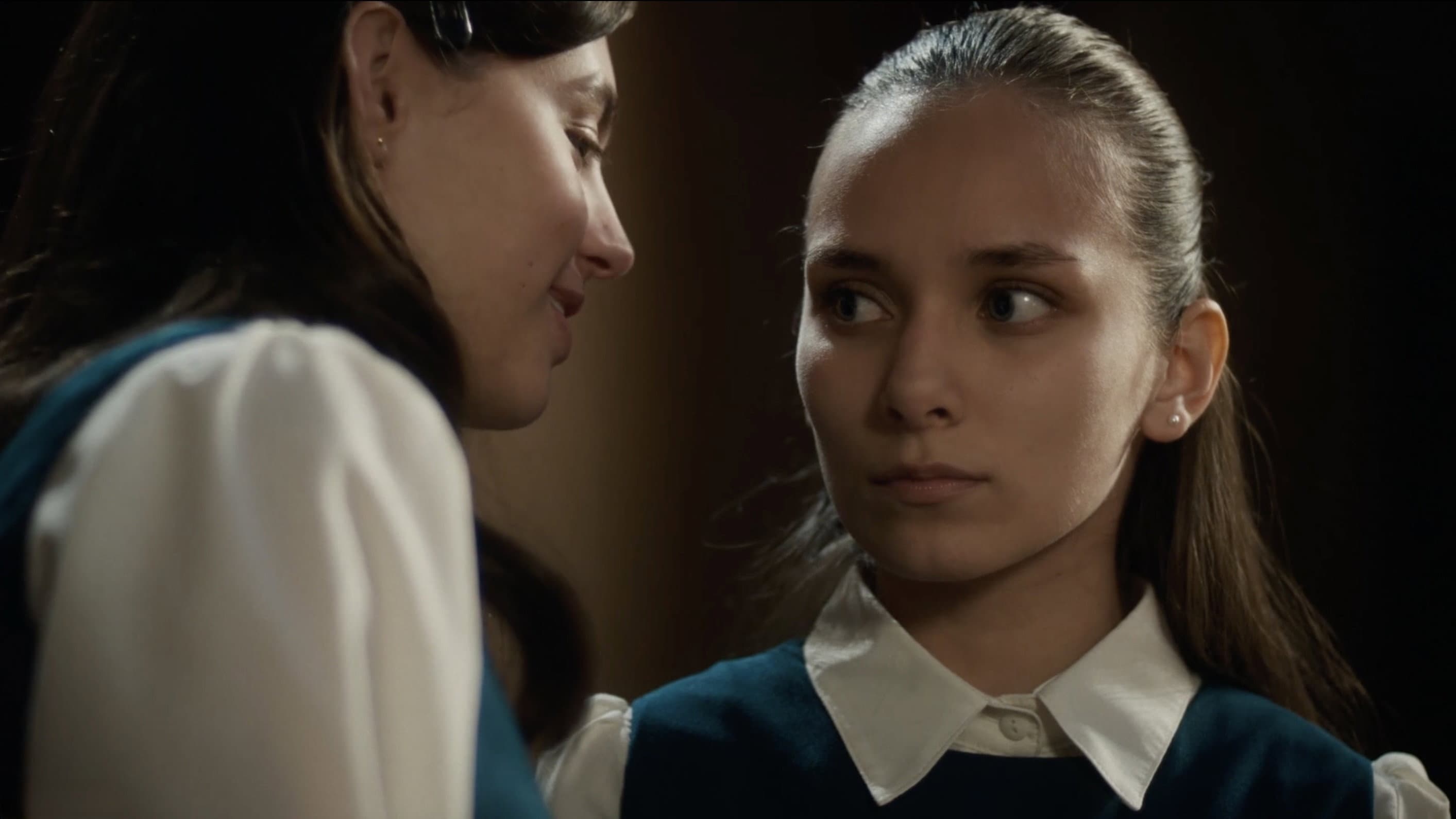
At the center of the narrative is Ana, a 16-year-old played by Bianca Buchelli, whose pursuit of holiness has curdled into something obsessive and private. She mortifies her body in secret, and she has established herself as a leader among the students. That authority begins to erode with the arrival of Rebecca, a rebellious foreigner portrayed by Renata Canales. What begins as fascination hardens into jealousy, and the film tracks the collision between desire and religious devotion as the school's discipline acquires a dangerous charge.
The supporting cast includes Liliana Trujillo as Hermana Leticia, Manuela Biedermann as Madre Superiora, Amaranta Kun as Hermana Teresa, Abigail Dalens as Lily, Luciana Giraldo as Polly and Uma Mikati as Caridad. Their presence fills out the closed world of the school, where the routines of devotion and punishment provide the backdrop against which Ana's interior crisis plays out.
The director, Enrica Pérez, has built the film around the tension between spiritual aspiration and bodily existence, a theme the cliffside setting reinforces at every turn. The ocean below and the drop beyond the schoolyard give the drama a constant physical edge, suggesting that the stakes of Ana's struggle are never purely internal.
A Festival Win That Raises the Film's Profile
The Tallinn Black Nights Film Festival has become an important launch point for international cinema, and its top award carries weight with distributors and festival programmers looking for titles with a strong directorial signature. For "On Top of the Cliff," the prize arrives shortly after its November 17 release, giving the film a second wave of visibility at a moment when awards season attention is beginning to consolidate.
Wednesday's win also positions Pérez's film among the year's more distinctive festival discoveries, a thriller that draws its suspense from psychology and religious discipline rather than conventional genre mechanics. The film's genre label of drama and thriller fits a work that uses the structures of institutional faith as the engine of its tension.
Genres: Drama, Thriller. That combination places "On Top of the Cliff" in a tradition of films about adolescence under pressure, but its specific setting - a Catholic girls' school in 1950s Peru, with the Pacific churning beneath - gives it a texture that festival audiences have responded to. The film's original language is Spanish, and its production is tied to Hollywood.
What Comes Next
The Tallinn prize is likely to accelerate the film's passage through the international festival circuit and into markets beyond its initial release. For a movie built on a small ensemble and a single enclosed setting, that kind of platform is especially valuable, since word of mouth about Buchelli's and Canales's performances can travel further than any marketing campaign.
For now, "On Top of the Cliff" stands as one of the more arresting award winners of the season - a film about a girl who wants to be holy and discovers that wanting is its own danger. Its festival triumph suggests that audiences and juries alike are willing to follow Pérez into that uncomfortable territory.
Source: Hollywood Reporter