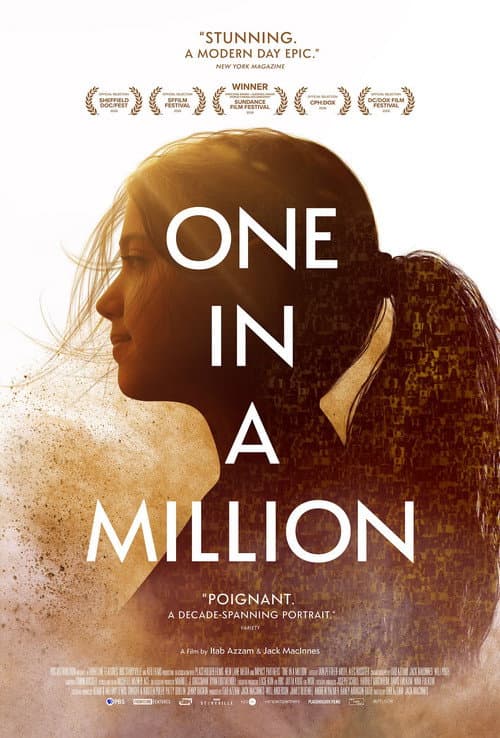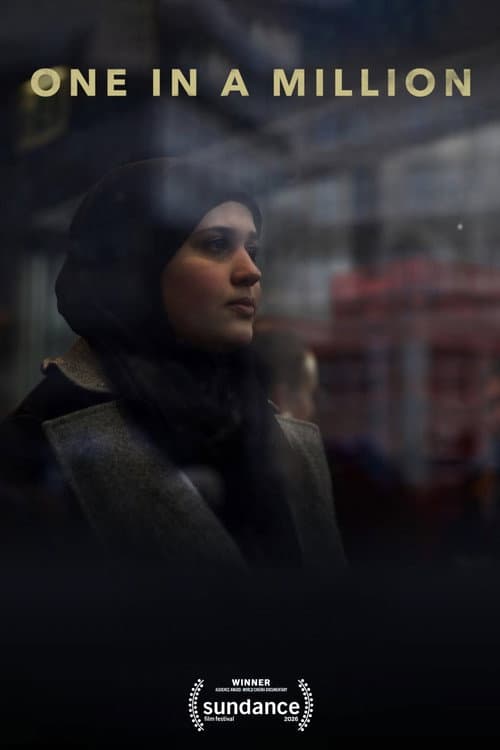
Itab Azzam spent a decade following a young Syrian girl and her family through war, displacement and an uncertain return home. The resulting film, "One in a Million," opened in Hollywood theaters on November 4, and its director now says the hardest part of the project was not the years of filming but figuring out when to put the camera down and let her subject lead.
The documentary, which runs 105 minutes, traces the girl's journey from Syria to Germany and back again. Along the way, the family confronts conflict, life in exile and heartbreak in a country far from home, and the film uses their story to examine the broader difficulties of the refugee experience. Azzam shot the material over ten years, an unusually long commitment for a nonfiction feature, and the finished work reaches audiences with no shortage of hard-won perspective behind it.
Speaking about the making of the film, Azzam said the central challenge was an ethical one: balancing her responsibilities as a filmmaker against the needs and autonomy of the people who had entrusted her with their lives.
"I had to learn that this was her story, not mine to shape," Azzam said. "My job was to follow, not to direct."
That approach meant accepting that the narrative would not always move in the direction a filmmaker might want. Over a decade, the family's circumstances shifted repeatedly, and the director said she came to understand that the film had to reflect those changes rather than impose a tidier arc on them.
The long production timeline also raises questions about consent and changing relationships. A child filmed at the start of the project becomes a young adult by its end, and Azzam has described the process as one of continual renegotiation, checking in with her subject as the years passed and as the story took new turns. Letting the girl find her own way, the director suggested, was both a creative choice and a moral one.
"One in a Million" arrives in theaters at a moment when documentary filmmaking about migration remains urgently relevant, and its decade-long perspective offers something distinct from quicker-turnaround reporting on the subject. The film's title carries an obvious double meaning, referring both to its central figure and to the idea that her experience, while singular, stands in for many others.
The movie's cast has not been publicly identified, and the film is presented in English. It holds a 0/10 rating on TMDb, a figure that reflects the absence of audience votes rather than any assessment of quality at this stage of its release.
A Decade Behind the Camera
Azzam's commitment to the project extended well beyond a typical production schedule. Ten years of filming meant capturing a family across multiple phases of upheaval, including the decision to leave Syria, the adjustments of building a life in Germany and the eventual return. Each stage brought its own logistical and emotional demands, and the director has framed the experience as one that required patience above all else.
The film's release in Hollywood places it within a crowded field of documentaries about displacement, but its longitudinal approach sets it apart. Rather than relying on interviews and archival material assembled after the fact, "One in a Million" was built from footage gathered as events unfolded, giving it a proximity that shorter projects rarely achieve.
The Ethics of Following Rather Than Leading
For Azzam, the ethical questions did not resolve once filming wrapped. Documentary subjects often live with the consequences of their portrayal long after a film premieres, and the director has been candid that her subject's own sense of her story evolved during the years they worked together. The lesson Azzam keeps returning to is that a filmmaker's instincts, however well intentioned, can conflict with the wishes of the person at the center of the frame.
"One in a Million" is now playing in theaters.
Source: Hollywood Reporter