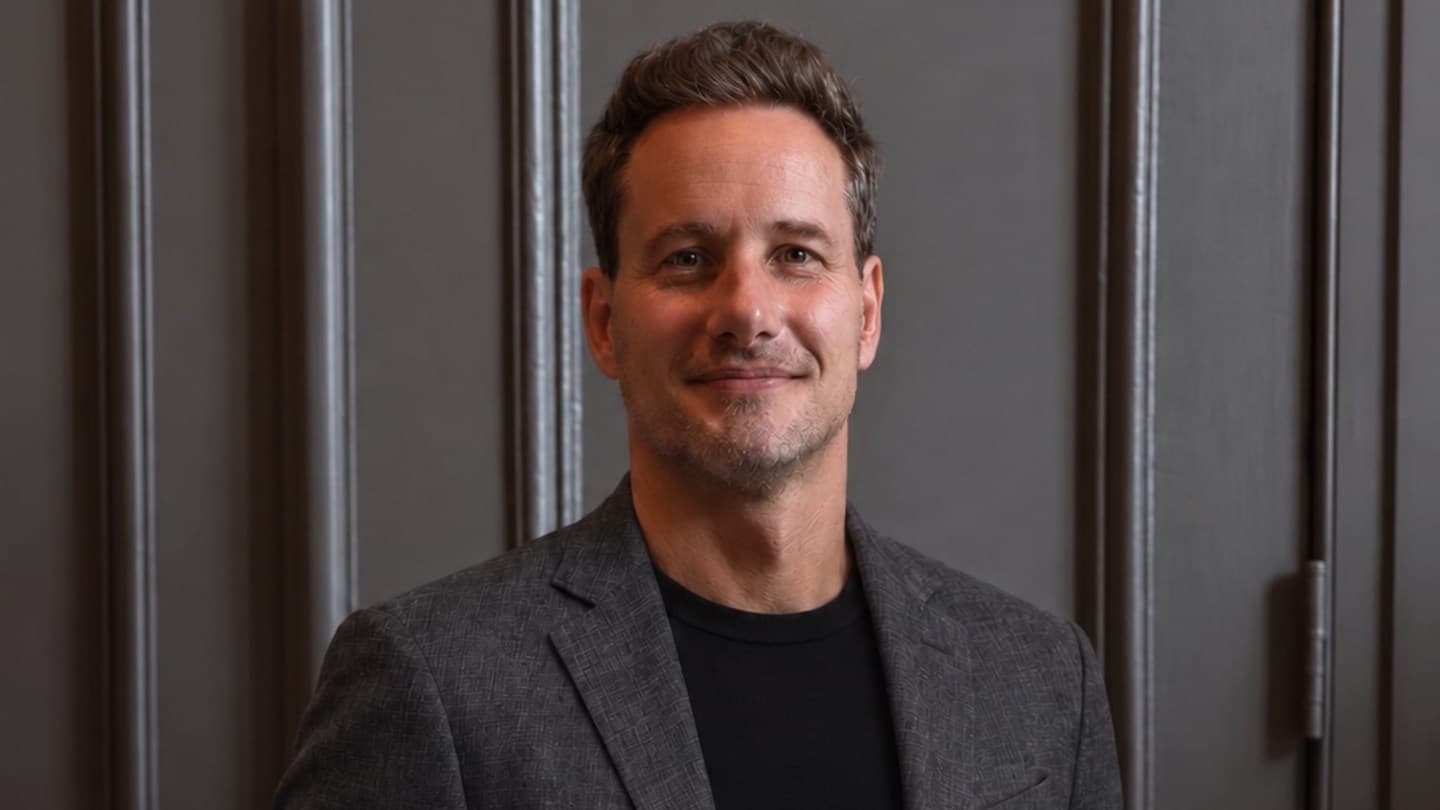
Pepijn Kuyper has been appointed managing director of the International Film Festival Rotterdam, stepping into the role long held by Clare Stewart. The move, confirmed by the festival, hands Kuyper oversight of one of Europe's most closely watched celebrations of independent and experimental cinema at a moment when arts organizations across the continent are navigating tight budgets and shifting audience habits.
Kuyper is no outsider to the Dutch film world - his appointment is a homegrown one, placing a figure with deep roots in the Netherlands' cultural sector at the helm of a festival that functions as both a local institution and a global discovery platform. That combination of local knowledge and international reach was plainly central to the selection. Rotterdam has spent decades positioning itself as the launchpad for filmmakers who color outside commercial lines, and the festival's leadership has generally leaned on people who understand both the artistic mission and the logistical machinery needed to sustain it.
A Familiar Institution, A New Captain
The festival, known widely by its initials IFFR, has built its identity around premieres of daring work - features and shorts that might struggle to find a slot at more commercially minded events. Its programming has traditionally elevated first- and second-time directors alongside established auteurs pushing into unfamiliar territory. Leading such an organization requires a particular balancing act: curators guard the festival's adventurous reputation, while the managing director answers for the money, the partnerships and the year-round operation that keeps the eleven-day event and its broader activities afloat.
Stewart's tenure shaped the festival's public-facing profile, and her departure marks the close of a distinct chapter. Succession at this level of the festival circuit tends to be watched closely, not only because of the institution's prestige but because Rotterdam's choices ripple through the wider ecosystem of film markets and funding conversations. Kuyper inherits a festival with an established brand and a demanding constituency of filmmakers, sales agents and loyal audiences who expect continuity alongside fresh energy.
What the Appointment Signals
Putting a Dutch figure in the top job points to continuity with the festival's roots rather than a dramatic pivot. Rotterdam's identity has always been intertwined with the city itself - its architecture, its port, its youthful audience - and a managing director who knows that landscape can be an asset when courting municipal support and local sponsors. At the same time, the festival's mandate is unmistakably international, drawing submissions and industry delegates from across the globe. The trick for Kuyper will be holding both ends of that rope.
There is also the matter of timing. Film festivals everywhere are working through the aftermath of disrupted distribution patterns, rising production costs and the slow, uneven return of theatrical attendance. Rotterdam is not immune. Its leadership will be expected to keep the festival financially resilient while protecting the experimental programming that distinguishes it from larger, more market-driven events. Those two pressures rarely pull in the same direction, and the managing director's job is often about absorbing that tension so the creative team can keep taking risks.
The Road Ahead
For now, the festival has signaled confidence in its choice, framing the appointment as one that honors its past while looking forward. Kuyper's task is considerable: stewarding an event that matters disproportionately to emerging filmmakers, maintaining relationships with funders and partners, and ensuring that Rotterdam remains a place where a daring debut can find its first real audience.
The wider festival world will be watching how the transition unfolds. Rotterdam has long been a bellwether for how independent cinema institutions adapt - or fail to adapt - under financial strain, and a new managing director's first seasons are usually read as a statement of intent. Whether Kuyper leans into expansion, consolidation or reinvention will become clearer as the festival's next edition takes shape.
For filmmakers and industry professionals who have made Rotterdam a fixture on their calendars, the immediate message is one of steadiness under new leadership. The festival's role as a discovery engine - the place where a striking first feature can become an international talking point - remains the standard against which any managing director will ultimately be judged. Kuyper now has the opportunity to define what that standard looks like for the next chapter of one of Europe's most distinctive film events.
Source: Hollywood Reporter