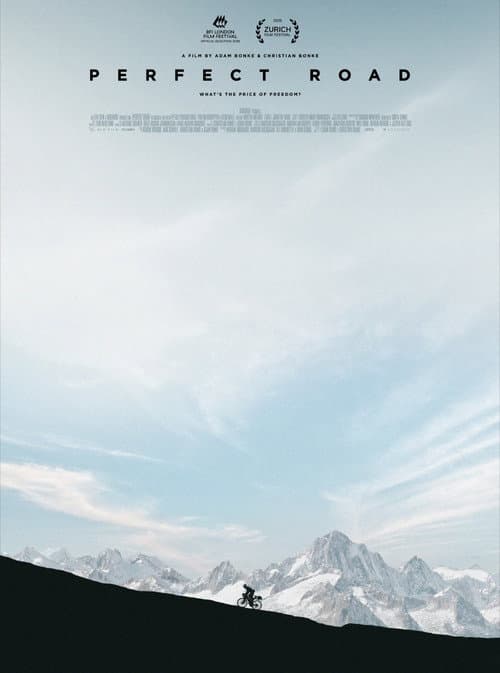
Danish director Adam Bonke’s documentary “Perfect Road” arrives in theaters on September 25, 2026, following a production that put its filmmakers through an endurance test of their own. To chronicle a man who has spent a decade living on his bicycle, Bonke and his crew spent three months in a campervan, shadowing their subject through what the film describes as his most gruelling challenge to date. The result is a 91-minute feature that examines not only the rigors of life on two wheels but also the tug-of-war between radical freedom and the people we leave behind. The film’s cast consists of Max Schnell and Nina Ridder, both appearing as themselves.
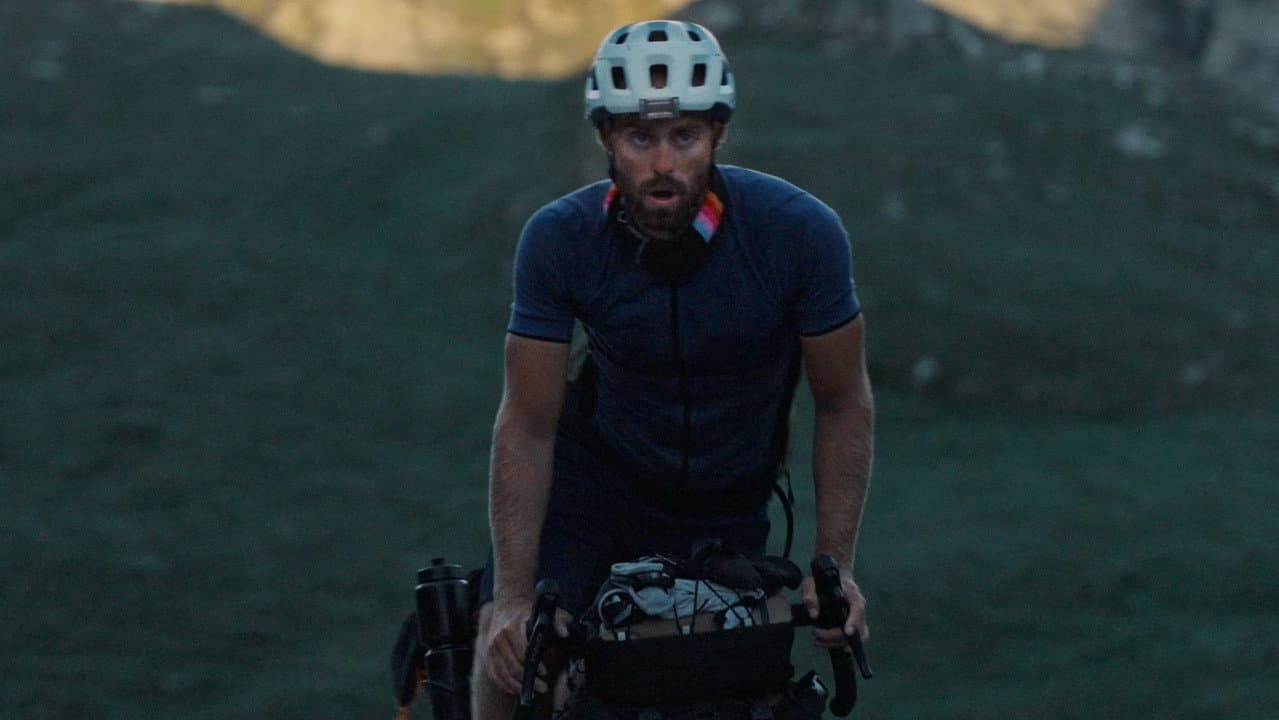
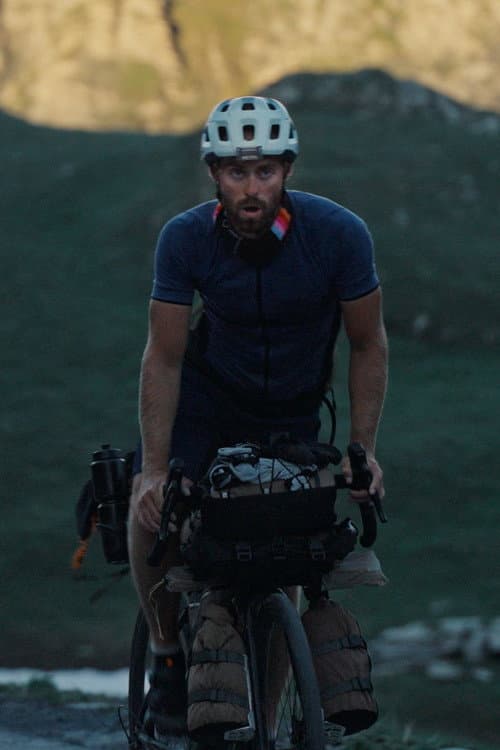
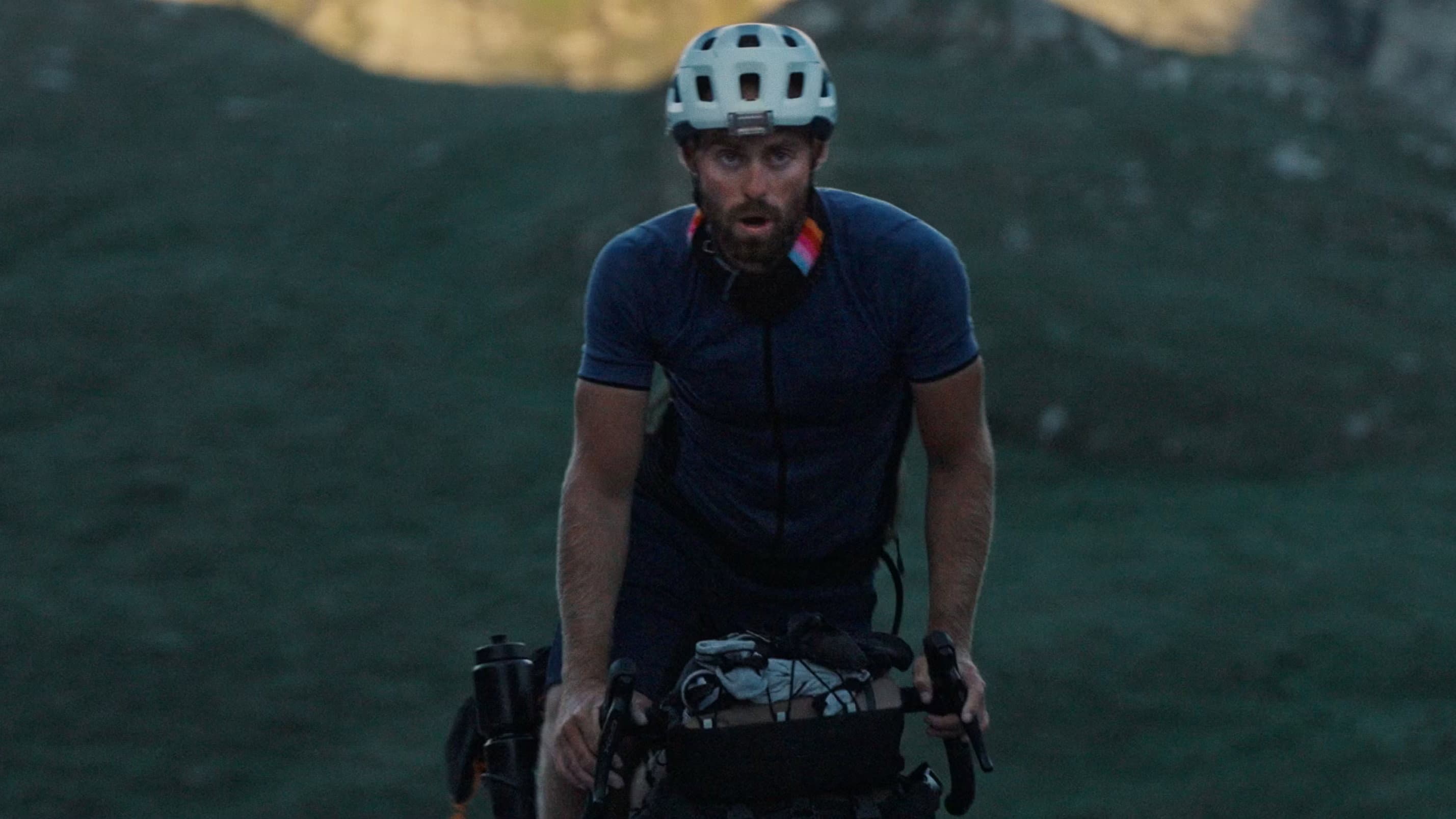
“Perfect Road” centers on Max, whose decade-long existence on a bike represents, in his own view, the most perfect form of freedom available to a person. The documentary follows him as he takes on the hardest ride of his life, and as the physical demands mount, his relationship with his partner, Nina, forces him to reconsider what his priorities actually are. That tension, between the open road and a life shared with someone else, forms the spine of the project. It is a familiar conflict for anyone who has romanticized a life of movement, but the film grounds it in a specific, lived reality rather than abstraction.
A Production That Mirrored Its Subject
The campervan detail is more than a colorful production note. For three months, Bonke’s team lived in close quarters while following a subject who regards minimalism and constant motion as an ideal. The arrangement meant the filmmakers were never far from the action, able to capture the daily texture of Max’s routine as well as the harder, less photogenic moments of his challenge. It also meant the line between observation and shared experience blurred, a dynamic that often shapes the most intimate documentaries.
That approach places “Perfect Road” in a tradition of films where the crew’s own endurance becomes part of the story’s authenticity. Campervan-based shoots are demanding in ways that studio work is not: space is limited, schedules are dictated by the subject’s pace, and the camera is almost always close by. For a documentary about a man who has pared his life down to a bicycle, that proximity seems fitting. The film’s run time of 91 minutes suggests a tight, focused edit rather than an exhaustive travelogue, and the emphasis in the material released so far falls squarely on the relationship between Max and Nina.
Two People, One Decision
Nina Ridder’s presence as a credited cast member, appearing as herself, signals that her perspective is central rather than peripheral. Documentaries about solo adventurers can risk turning partners into background figures, obstacles, or footnotes. Here, the premise is explicitly relational: Max’s commitment to his lifestyle raises questions about what he owes to the person who shares his life, and the film appears built around that question rather than around scenery or stunt riding. The title itself carries a double meaning, referring both to the road Max pursues and to the notion of an ideal path that may not leave room for anyone else.
Bonke, working in Danish, brings a European documentary sensibility to the project, and the film is being positioned for Hollywood audiences as an intimate character study rather than an extreme-sports spectacle. No audience rating has accumulated for the title yet, so early viewers will be forming their own impressions when it opens.
What to Watch For
“Perfect Road” enters a crowded documentary landscape, but its combination of a decade-long personal experiment, a physically punishing challenge, and a relationship under strain gives it a distinct hook. The three-month campervan shoot is the kind of behind-the-scenes detail that can generate curiosity on its own, particularly among viewers interested in how nonfiction films get made under tough conditions. Whether the finished film delivers on the promise of its premise will be clear when it reaches theaters on September 25, 2026.
For now, the takeaway is straightforward: a director set out to document a nomad, and to do it properly, he and his crew became temporary nomads themselves. “Perfect Road” asks whether freedom can be absolute without costing something close to home, and it asks that question from the saddle, the campervan, and the space between two people.
Source: Hollywood Reporter