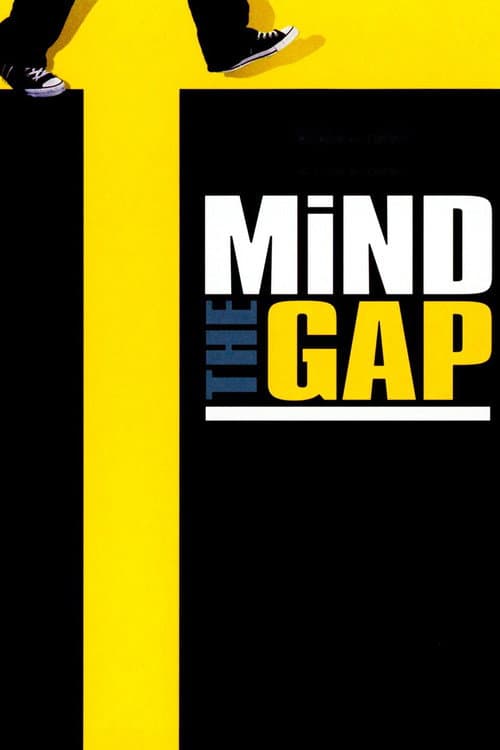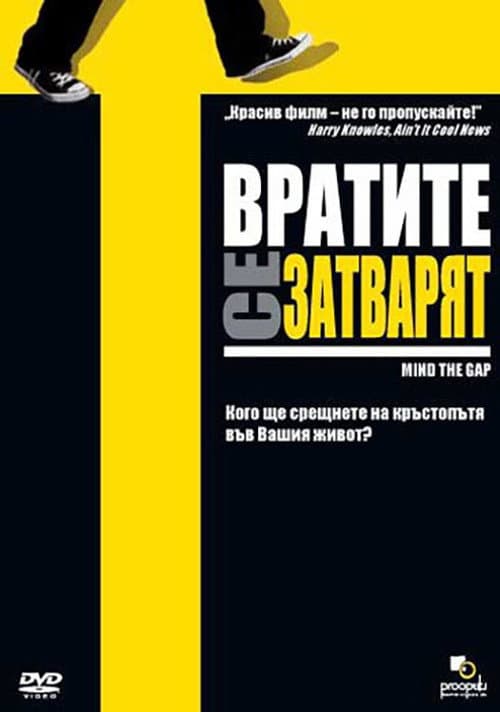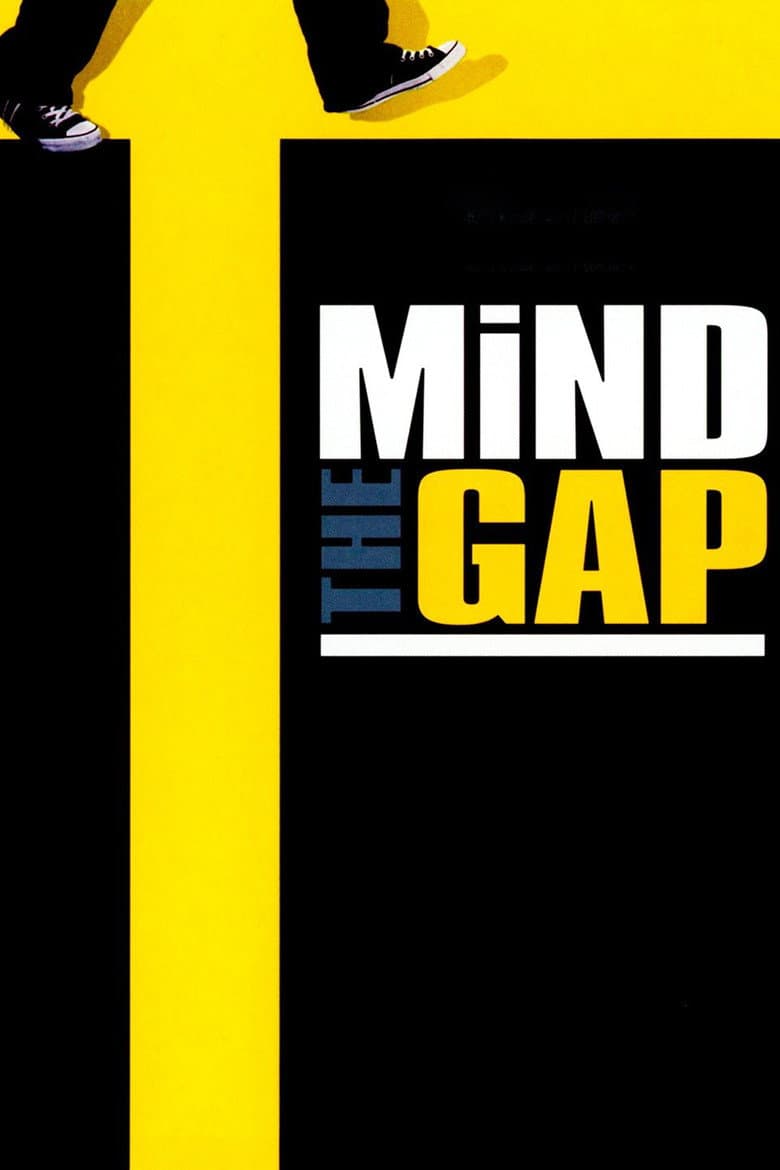
British producer-financier Phil Hunt is bringing Head Gear Films to the United States, and the first title on his American slate is a small ensemble drama that has been quietly circulating since 2004. “Mind the Gap,” directed by Eric Schaeffer, follows five seemingly unrelated people who decide to take huge risks in their personal lives in an effort to find happiness. The film runs 134 minutes, is in English, and is classified as both a comedy and a drama. Its theatrical release date is listed as January 1, 2004.
The movie’s structure is built around five separate stories that gradually reveal their connections. Schaeffer, who also appears in the cast as Sam Blue, directs from his own screenplay. The ensemble includes Alan King as Herb Schweitzer, Elizabeth Reaser as Malissa Zubach, Christopher Kovaleski as Rocky Blue, Charles Parnell as John McCabe, Jill Sobule as Jody Buller, Kim Raver as Vicki Walters, and John Heard as Henry Richards. The casting mixes veteran character actors with performers who would go on to become more prominent in television and independent film.
Critical reception has been modest. The TMDb rating for “Mind the Gap” stands at 5.8 out of 10, a middling score that reflects the film’s limited profile rather than any strong consensus. The movie has never been a major commercial title, and its reputation rests largely on its ensemble structure and its interest in ordinary people making impulsive, life-altering choices. That premise, five strangers taking risks in pursuit of happiness, places it firmly in the tradition of interlocking human dramas that were common in the early 2000s.
For Hunt, the move into the American market is the larger story. Head Gear has built a reputation in the United Kingdom as a producer and financier of independent films, often working with modest budgets and first-time or emerging directors. Bringing that model to the United States means adapting to a different financing landscape, a different set of guild rules, and a market where independent distributors are increasingly selective. Hunt’s decision to lead with a 2004 title is unusual, and it suggests that the strategy is about catalog and library value as much as new production.
“Mind the Gap” fits that approach. It is a finished film with a recognizable cast, a director with a distinct voice, and a premise that travels well. It does not require a large marketing spend to find an audience, and it can be positioned as a character-driven alternative to bigger releases. The film’s English-language status and American setting make it a natural entry point for a company looking to establish a U.S. presence without betting everything on a single expensive production.
The timing of the announcement is notable. The independent film business in the United States has been through a difficult stretch, with theatrical attendance for specialty titles remaining unpredictable and streaming platforms tightening their acquisition budgets. A financier entering the market now is either very optimistic or very patient, and Hunt’s track record suggests the latter. Head Gear’s model has historically relied on pre-sales, tax incentives, and careful cost control, all of which are harder to replicate in the U.S. but not impossible.
There is also the question of what “Mind the Gap” represents for American audiences. The film’s title is a British phrase, the kind of warning heard on the London Underground, and its use here is a nod to the gap between where people are and where they want to be. That metaphor applies as much to Hunt’s transatlantic expansion as it does to the characters on screen. Five people taking huge risks in pursuit of happiness is a description that could just as easily fit a producer deciding to open a new office in Los Angeles.
Schaeffer’s film does not offer easy answers. The five stories intersect in ways that are sometimes comic and sometimes painful, and the resolution is not a tidy one. That ambiguity is part of its appeal for a financier looking to build a slate rather than a single hit. A film like this can be sold on its cast, its director, and its tone, and it can find viewers on streaming platforms and in repertory screenings long after its initial release.
Hunt has not announced which U.S. distributors or platforms will handle “Mind the Gap,” nor has he detailed the rest of the Head Gear slate. What is clear is that the company sees the American market as an opportunity rather than a risk. Whether that confidence is justified will depend on how audiences respond to a fourteen-year-old ensemble drama arriving with a new corporate backer and a familiar title. For now, the gap between Britain and Hollywood has a new bridge, and it is being built one modest film at a time.
Source: Hollywood Reporter