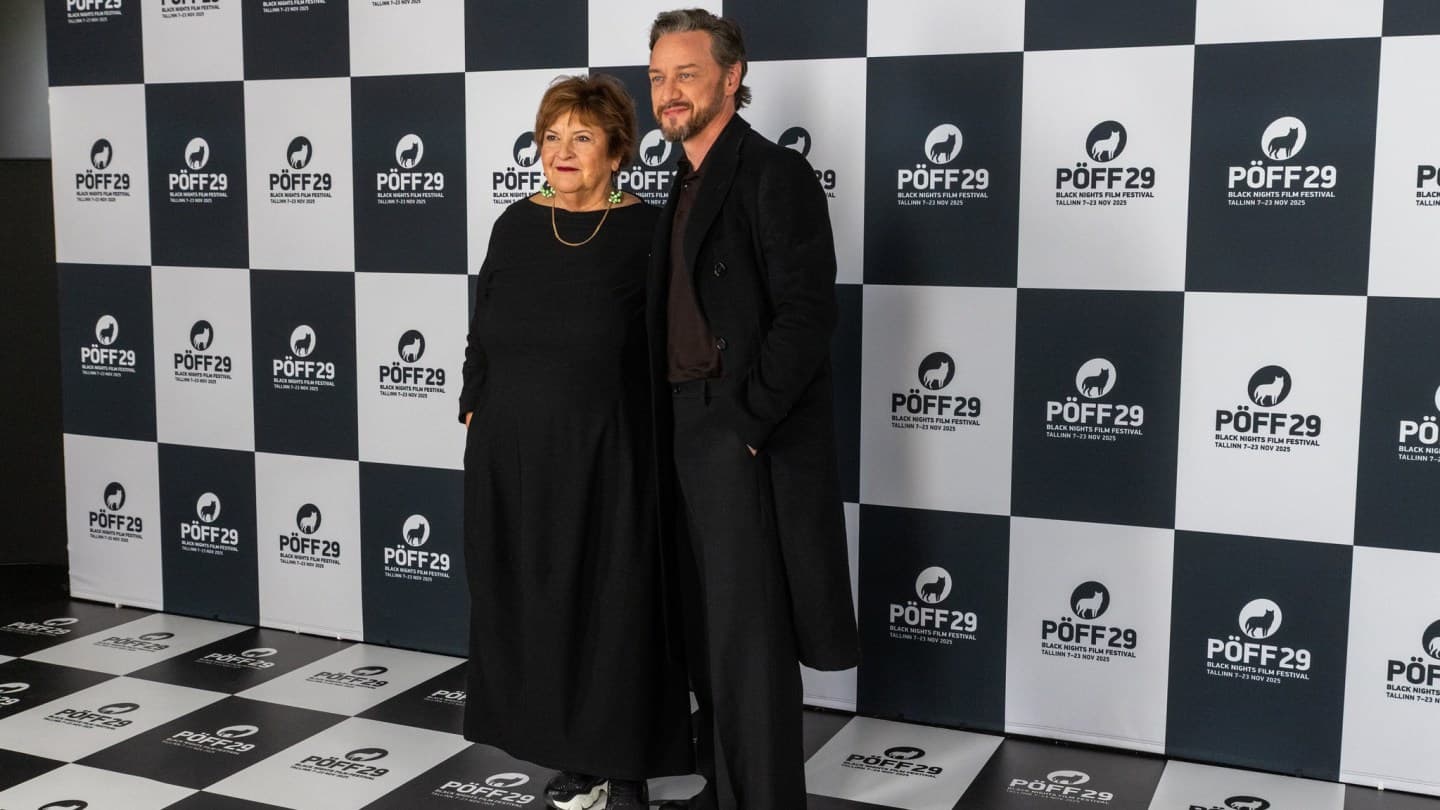
The Black Nights Film Festival, known to most of the industry simply as PÖFF, marks its 30th edition this year in Tallinn, and the milestone arrives with an unusual distinction attached. Estonia, a Baltic nation of roughly 1.3 million people, is home to a festival that has climbed into the top tier of the global circuit - a status that few events of comparable scale, and almost none from a country so small, have managed to reach. What began in 1997 as a scrappy autumn gathering has become a fixture on the calendars of sales agents, festival programmers and awards strategists who once would have looked only to Cannes, Berlin or Venice for their autumn launches.
The festival's rise has been gradual rather than sudden, and that may be the most instructive part of its story. PÖFF spent its early years building relationships with regional filmmakers and distributors while the broader Baltic and Nordic cinema scenes were finding their footing after the collapse of the Soviet Union. Those early editions were modest affairs, but they established a reputation for hospitality, efficient organization and a willingness to program work that larger festivals overlooked. Word traveled through the industry's informal networks, and the festival's profile grew accordingly.
A-List Status and What It Means
The phrase "A-list festival" gets thrown around loosely, but in practical terms it refers to events that can attract world and international premieres, draw major sales companies to their markets, and generate press coverage that extends well beyond the host country. PÖFF's accreditation on that front has been recognized by the industry bodies that track the circuit, and its competitive sections now routinely host titles that go on to significant international careers. For a country of Estonia's size, sustaining that level of programming requires partnerships across the region - and PÖFF has leaned heavily into collaborations with neighboring countries' film institutes and with European funding bodies.
The festival's location has proved to be an asset rather than a limitation. Tallinn is a short flight from Helsinki, Stockholm and St. Petersburg, and its compact geography means that festivalgoers can move between venues on foot. Industry attendees frequently describe the experience as a welcome contrast to the sprawl and logistical headaches of larger events. The city's medieval old town provides a backdrop that photographs exceptionally well, which has not hurt the festival's marketing efforts over the years.
Industry Days and the Discovery Mission
Much of PÖFF's industry credibility rests on its parallel Industry@Tallinn & Baltic Event program, which has grown into one of the more important meeting points for producers from the Baltic states, Scandinavia and Eastern Europe. The program includes pitching forums, works-in-progress presentations and networking sessions designed to connect regional talent with international financiers. For filmmakers from smaller countries, these forums have often provided the first serious opportunity to get a project in front of buyers and commissioning editors.
The festival has also carved out a niche in discovering first and second features, particularly from directors working in the Nordic and Baltic regions. Several filmmakers who premiered early work at PÖFF have gone on to wider festival careers, and that track record has made the festival's selection committees a source of interest for scouts looking for emerging talent. The competition sections have expanded over the years to accommodate that demand, though the festival has generally resisted the temptation to balloon its program to the size of its larger European counterparts.
A Small Country's Big Bet
Estonia's public investment in film and culture has been a steady if not lavish source of support for the festival, and the event's organizers have been candid over the years about the challenges of funding an international-caliber festival from a small domestic base. Sponsorships, tourism partnerships and European cultural funding have filled much of the gap. The result is a festival that punches well above its weight, but one that remains conscious of its scale - a quality that many attendees cite as a reason they keep coming back.
Looking ahead, PÖFF faces the same pressures confronting festivals worldwide: rising travel and hospitality costs, competition for premiere titles, and the question of how to stay relevant as streaming platforms reshape distribution. But the festival's 30th edition arrives at a moment when its position on the circuit appears secure. For a country of 1.3 million people, that is a remarkable achievement - and a reminder that in the festival world, reputation is built one relationship at a time rather than one red carpet at a time.
Source: Hollywood Reporter